

John Gokongwei Jr.’s boulevard of dreams
Some roads lead us to destinations. Others quietly lead us back to ideals.
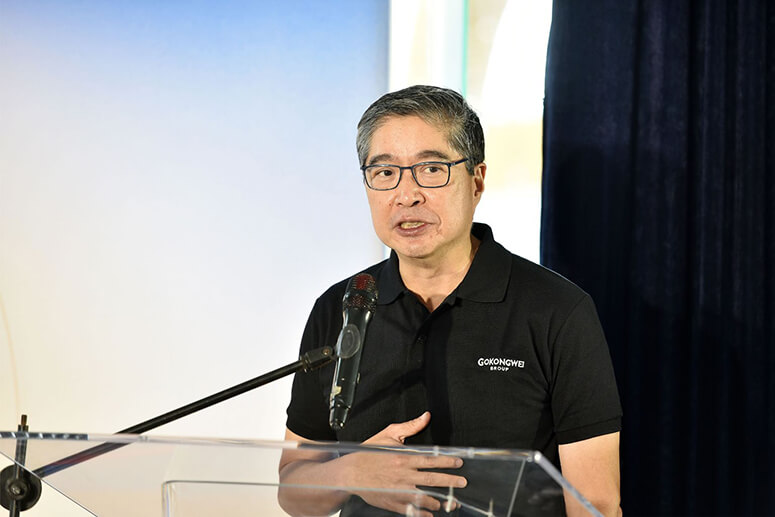
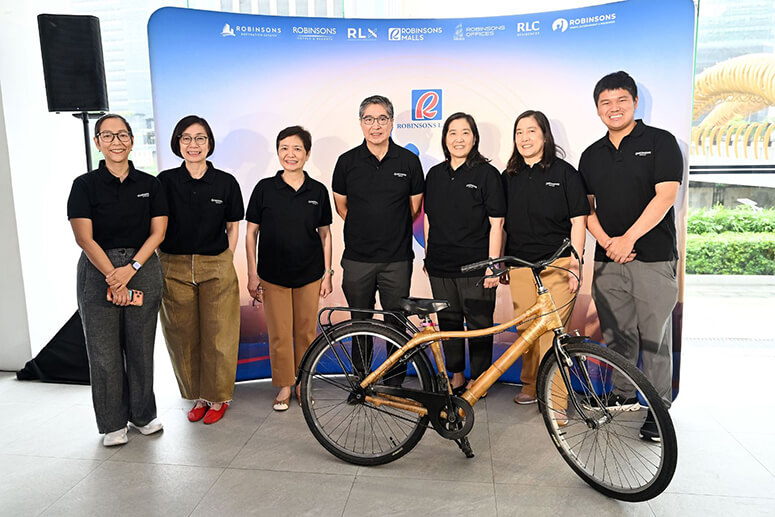
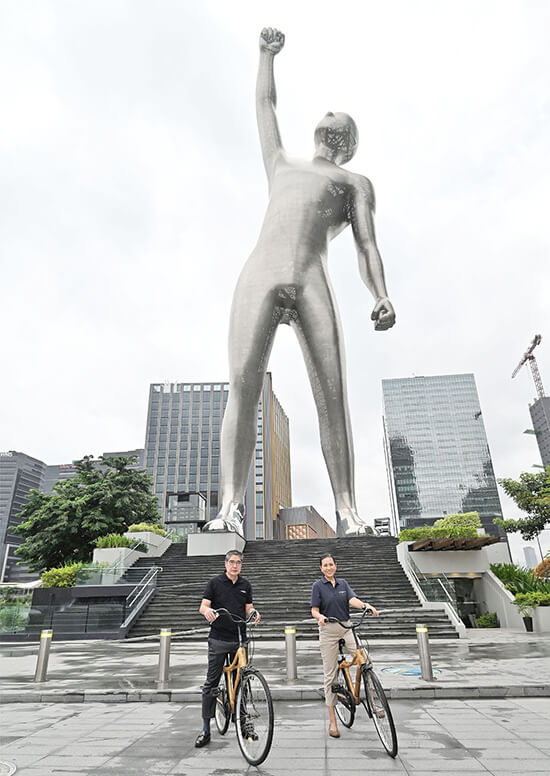
At high noon on Aug. 5, just days before the Aug. 11 centennial birth anniversary of one of Southeast Asia’s most admired entrepreneurs and philanthropists, a gentle drizzle fell upon Bridgetowne Destination Estate in Pasig City. It was as if the heavens themselves paused in quiet tribute as the approximately one-kilometer-long John Gokongwei Jr. Boulevard was unveiled.
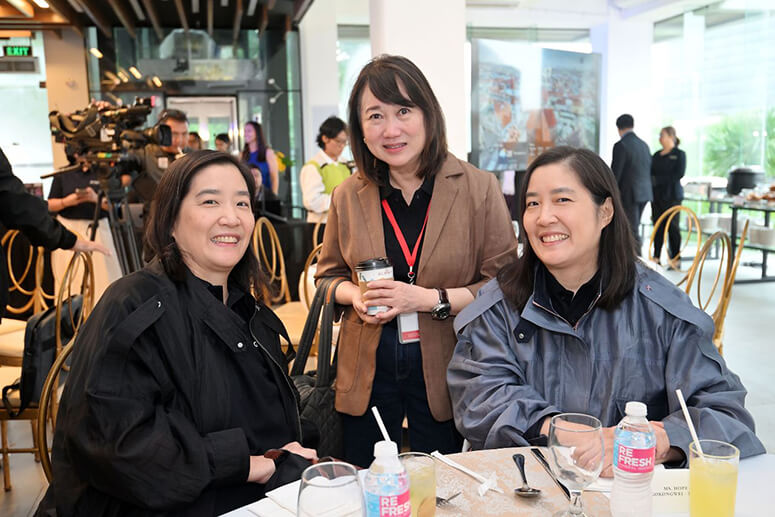
The ceremony reflected the man whose name it now bears—simple, efficient, dignified, and free of unnecessary spectacle. There were no grand theatrics, only sincere gratitude. Present were his children, led by Lance Y. Gokongwei, Robina Gokongwei-Pe and Lisa Gokongwei-Cheng, together with other family members, and various senior executives of the Gokongwei Group. They gathered not merely to dedicate a road, but to honor a life that helped reshape Philippine business and uplift millions of Filipino lives.
Perhaps roads possess memories.
Or perhaps they quietly borrow the dreams of those whose names they bear.
As the ceremonial cloth slipped from the boulevard marker, I imagined the avenue awakening, as though concrete itself could remember the footsteps of a boy who had once lost almost everything, yet never surrendered hope.
CONTINUE READING BELOW

John L. Gokongwei Jr.’s story was never merely one of “rags to riches.” It was the rarer and more remarkable journey of what I may describe as “riches to rags to riches.” Only 13 when his father died, he saw family prosperity vanish almost overnight. Yet adversity became his greatest university, and hardship his finest teacher.
During our many Wednesday evening dinners at his modest condominium home, Mr. John never romanticized success. His lessons were always practical.
“There are no shortcuts,” he would often remind me. Build honestly. Never rely on corruption or political connections. Operate efficiently so savings can be passed on to customers through lower prices. Build trusted brands. Build organizations or businesses that last beyond three generations. Create industries that strengthen the nation.
His dreams were never confined to profits. He often spoke passionately about the great future of Asia and about the need for expanding Philippine manufacturing, because he believed that lasting national prosperity rests upon strong industries, productive enterprises and meaningful jobs.
Those conversations helped me understand why his companies transformed everyday Filipino life.
Universal Robina made quality food and snacks more affordable. C2 popularized ready-to-drink tea. Sun Cellular helped democratize communication through its revolutionary unlimited call promotions. Cebu Pacific made air travel so affordable that flying sometimes cost little more than traveling by sea, allowing millions of ordinary Filipinos to experience the skies for the first time.
He did not build business empires around luxury. He built them around accessibility.
That may have been his greatest innovation: making opportunities affordable.
In his moving remarks, Lance Gokongwei beautifully captured his father’s essence. While the public remembers John Gokongwei as a visionary entrepreneur, Lance reminded everyone that those closest to him remember “the values he lived by every day”—hard work, integrity, and unwavering faith in the Filipino people.
True vision, Lance said, is not merely dreaming big but possessing “the grit and determination to turn those dreams into reality so that others may have better lives.” He described the boulevard as “more than a tribute bearing his name,” but “a reminder of the journey he inspired, the path he paved, and the values that continue to guide us today.”
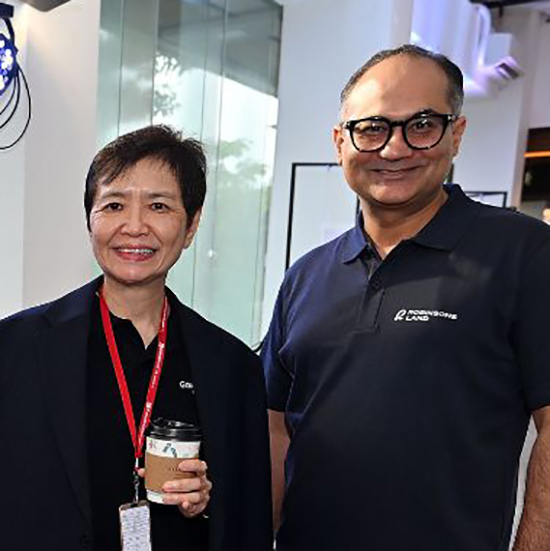
Those words resonated because they sprang from lived experience rather than ceremonial tribute.
John Gokongwei Jr. never sought monuments.
Ironically, that is precisely why he deserves them.
Yet perhaps the boulevard’s deepest meaning lies beyond concrete and asphalt. Every day, thousands will pass through it without realizing they are traveling upon principles: integrity instead of shortcuts, efficiency instead of waste, humility instead of vanity, and long-term nation-building instead of quick gains.
Sometimes, in quiet moments of imagination, I like to believe that when dusk settles and the city lights begin to shimmer, the boulevard softly whispers Mr. John’s enduring counsel to every entrepreneur, worker, student and dreamer:
Work honestly.
Serve people well.
Build something that outlives you.
Roads, after all, do not choose who travels upon them. They simply welcome everyone equally.
That, too, would have pleased John Gokongwei Jr.—a man who devoted his extraordinary life to opening roads of opportunity so that countless ordinary Filipinos could pursue extraordinary futures.
Long after the applause has faded and this ceremony has become history, this boulevard will continue doing what its namesake spent a lifetime doing: quietly pointing the nation forward.

WATCH: Can you still trust someone who betrayed you? (Generations Ep. 22)
September 23, 2026