

TRAVEL GUIDE: Discovering Vietnam in three days
PhilSTAR L!fe's travel guide is a tribute to the destinations that hold a special place in the hearts of Pinoy travelers. We’re going beyond the familiar landmarks of Hong Kong, Singapore, Korea, Japan, and Taiwan to bring you hidden local haunts, unique cultural experiences, and lesser-known sights.
Vietnam is quickly becoming a go-to destination for Filipino travelers—and it’s not hard to see why. With its stunning limestone landscapes, vibrant street food culture, and relatively affordable travel costs, the Southeast Asian gem is consistently on most Pinoys' bucket list.
In fact, Vietnam is now the eighth most popular international destination for Filipinos, with over 300,000 outbound travelers recorded from January to October 2025, according to the Department of Tourism. Of late, Da Nang has been drawing in Pinoys through word of mouth—another sign of Vietnam’s enviable tourism boom. Even Klook’s latest Travel Pulse survey ranks it as a top trending destination for Filipinos, who are increasingly eyeing regional neighbors like Thailand and Taiwan for quick, budget-friendly escapes that don't skimp on the experience.
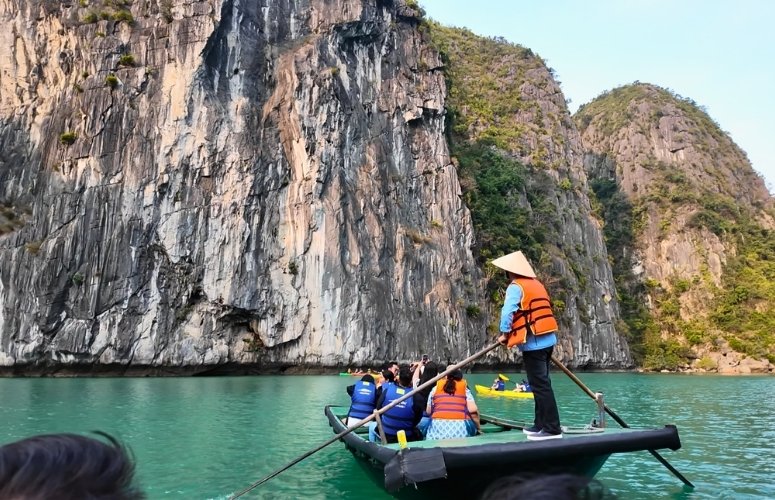
Trying to fit Vietnam into three days? One tip is to make the most of your trip is sticking to one major location per day. This way, you can explore at a comfortable pace and ensure you aren’t spending most of your time in transit.
Day 1: Exploring a UNESCO World Heritage Site
Ha Long Bay cruise
If there’s one destination in Vietnam that deserves a postcard, it would be Ha Long Bay, a UNESCO World Heritage site. Across the bay are thousands of limestone islands and islets, formed over millions of years into towering cliffs, hidden caves, and quiet coves that feel almost otherworldly.
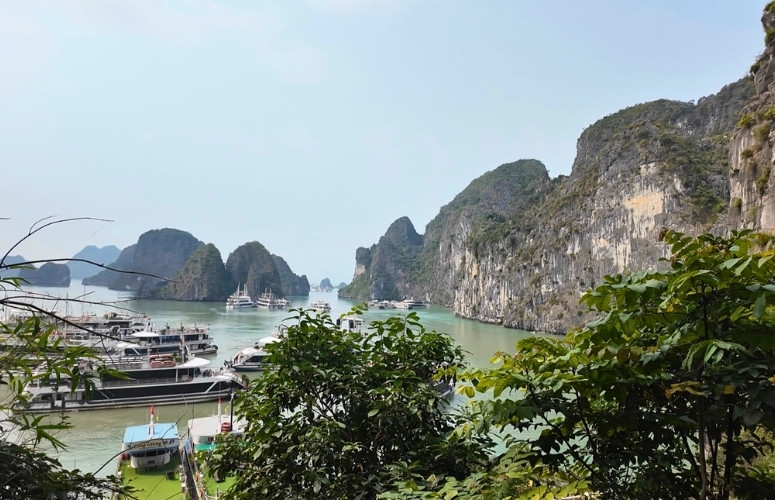

Ha Long International Port, about a two-hour drive from Hanoi, serves as the gateway for day tours. Many travelers also opt for overnight cruises, which often include a buffet lunch featuring local seafood, such as oysters and shrimp.
At the foot of Sung Sot Cave, Ha Long Bay’s largest cave, a climb of roughly 100 stone steps leads to the entrance. Despite its modest opening, the interior opens into a vast space covering approximately 10,000 sqm.

A few minutes away lies Ti Top Island, named after Soviet cosmonaut Gherman Titov. Visitors can swim or relax on the beach with refreshments, while those seeking a view can climb about 400 steps to a panoramic lookout over the bay.
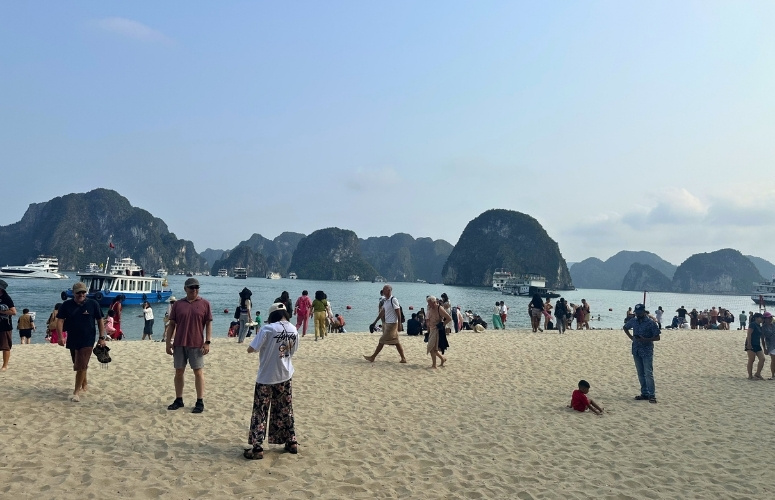
Vietnam offers plenty for the physically active. You can go kayaking to explore the bay up close, or, for a more relaxed option, hop on a banana boat with your group—as we did—and take in the magnificent views at an easy pace.
Tours often return to shore as the sun sets, revealing spectacular views over the bay. Our guide noted how lucky we were, as it had rained the day before—making the clear skies feel even more special. It was the perfect way to cap a tiring yet memorable day.
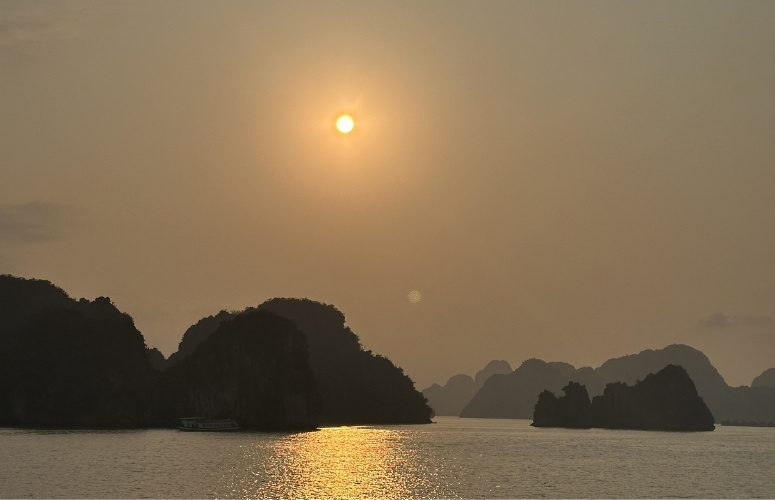
As the sun dipped below the horizon, fellow travelers danced with drinks in hand, celebrating the day that was.
GETTING THERE: For a hassle-free and great-value trip, consider booking a tour that includes van or bus transfers. Most tours, like in Klook, have designated meet-up points, such as the Hanoi Opera House, while others offer hotel pick-up for added convenience.
PRO TIP: Comfortable shoes are a must for the climb and cave exploration. Bring extra clothes if you plan to take a dip.
Day 2: Visiting Vietnam’s ancient city
Ninh Binh
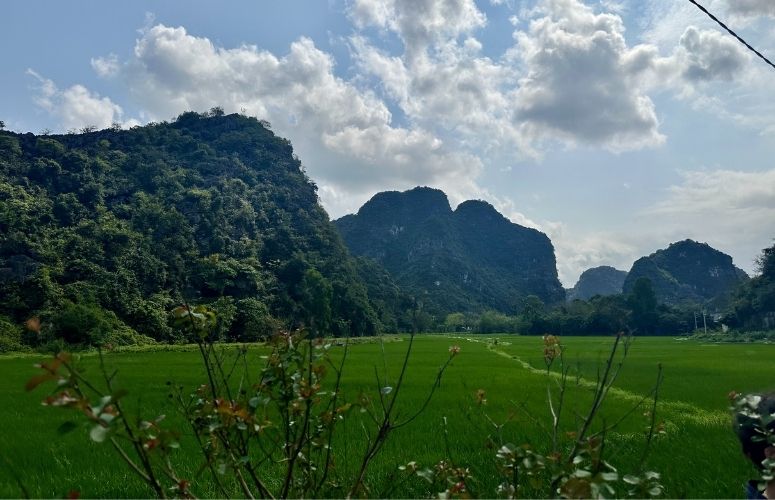
Ninh Binh, a UNESCO-protected province in northern Vietnam, lies about two hours from Hanoi. Hang Mua Peak, also known as Lying Dragon Mountain, features a climb of roughly 500 uneven stone steps up and another 500 down.
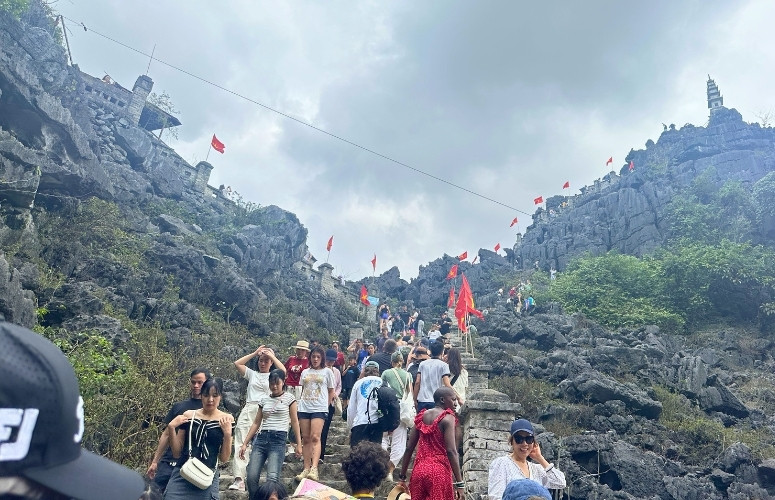
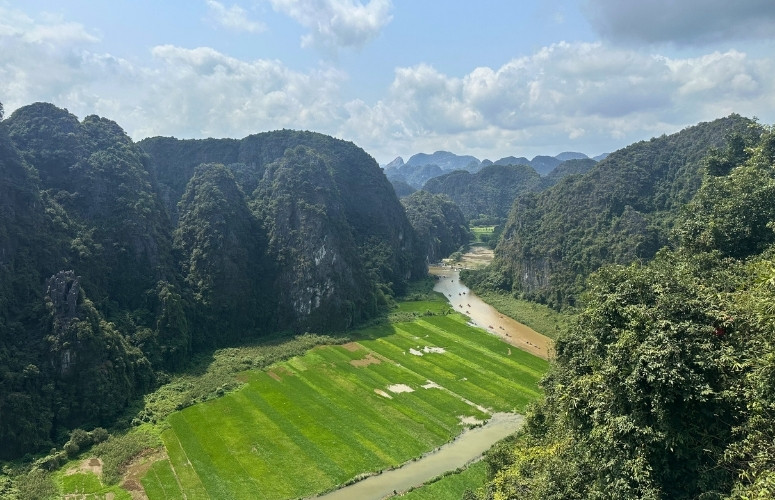
The reward is a sweeping panoramic view of the lush landscape, patchwork rice fields, and the winding paths of boats below.
Hiking up and down the mountain left us parched, and thankfully, small cafes and stores selling refreshments awaited at the base. A glass of fresh sugarcane juice—just 10,000 VND (around P27)—was the perfect pick-me-up after the climb.
Hoa Lu, Vietnam’s first capital in the 10th century, offers insight into the country’s rich history. Cycling through rice fields and rolling terrain allows visitors to see the sights up close, including Kim Ngan Pagoda, a 10th-century temple nestled amid mountains and farmland.
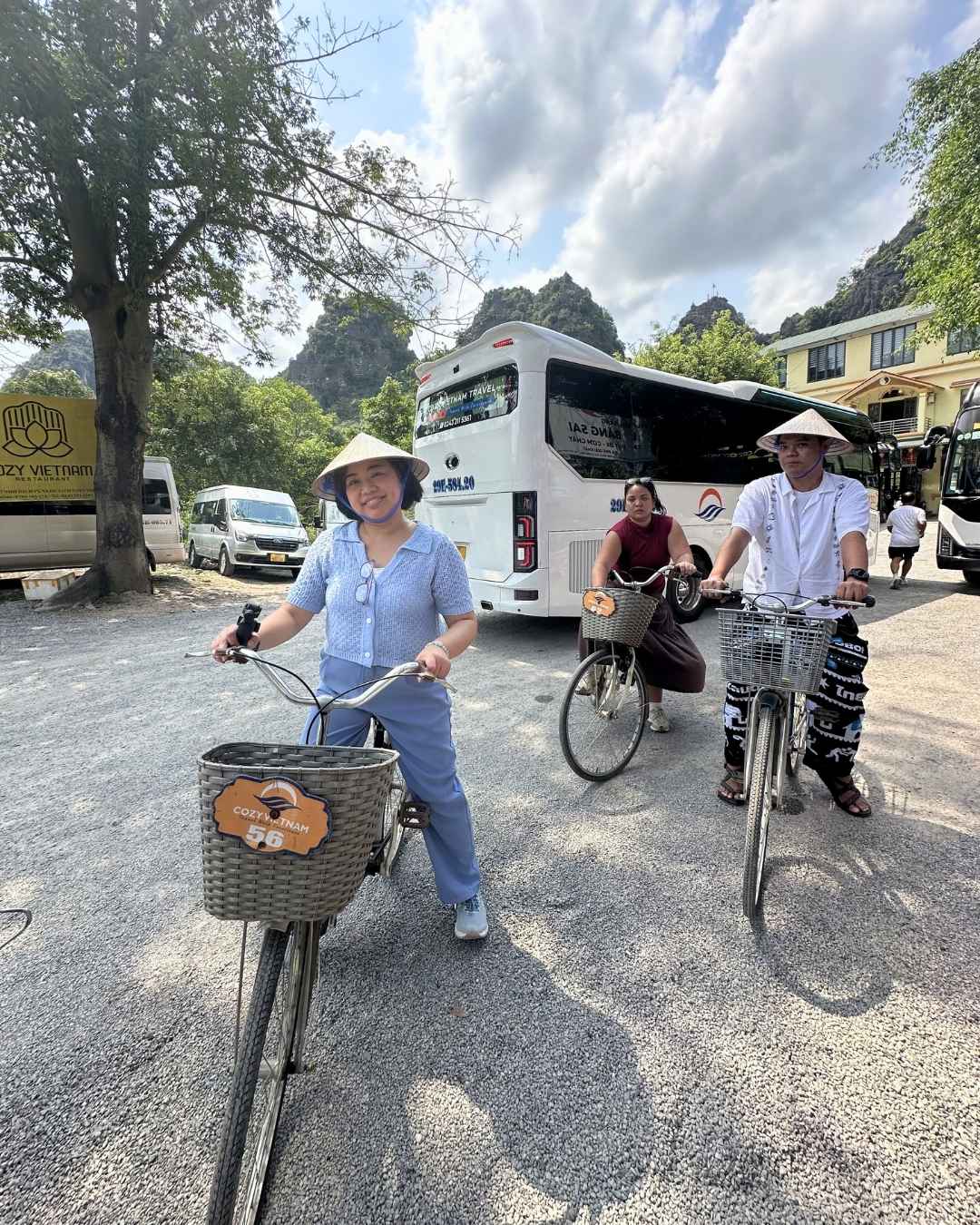
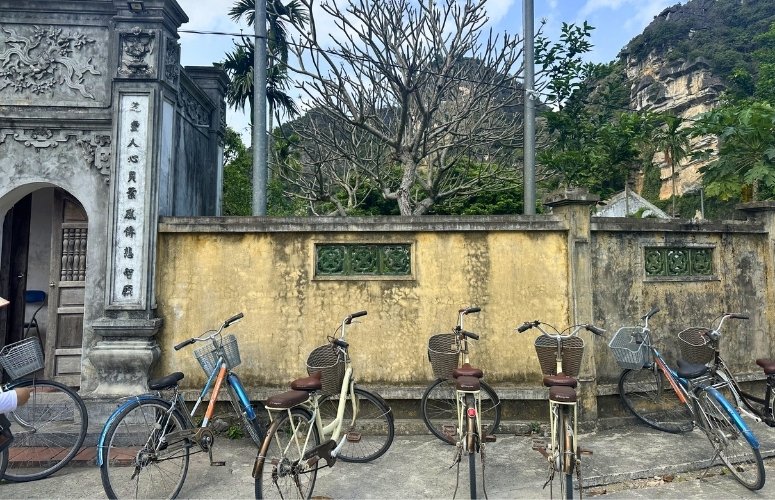
You can explore the sights in a rented vehicle, but if you’re biking, make sure to wear a hat—or pick up a traditional Vietnamese nón lá—to shield yourself from the sun. Be careful on the road: one from our group had a minor mishap, but thankfully everyone was fine, and we ended up laughing it off.
Arguably the most popular activity in Ninh Binh is the scenic boat ride. Drawing an average of 20,000 visitors daily, these rides provide a livelihood for around 2,000 boatmen and boatwomen, who navigate the 2–3 hour route about four times a day. While the queues can take an hour or so due to the number of tourists, the system runs like a well-oiled machine, moving quickly and efficiently.
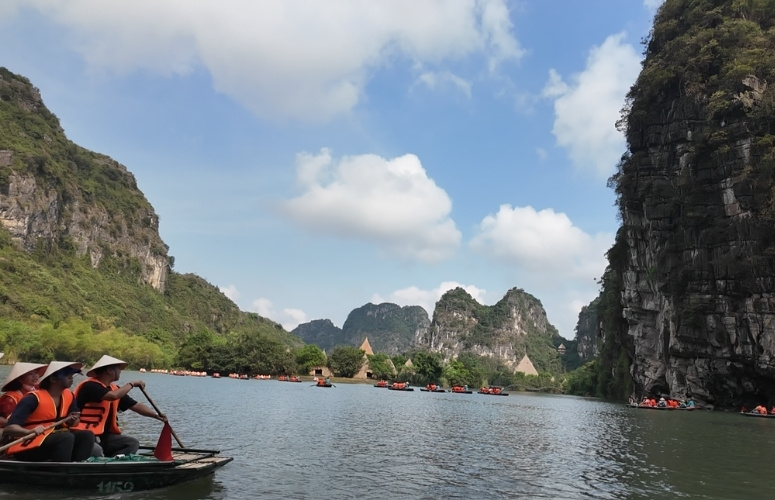
This comes as no surprise since, according to a local tourism officer, Ninh Binh has been developing tourism for the past 30 years. The region has flourished ever since Trang An earned its status as a World Natural and Cultural Heritage Site in 2014.
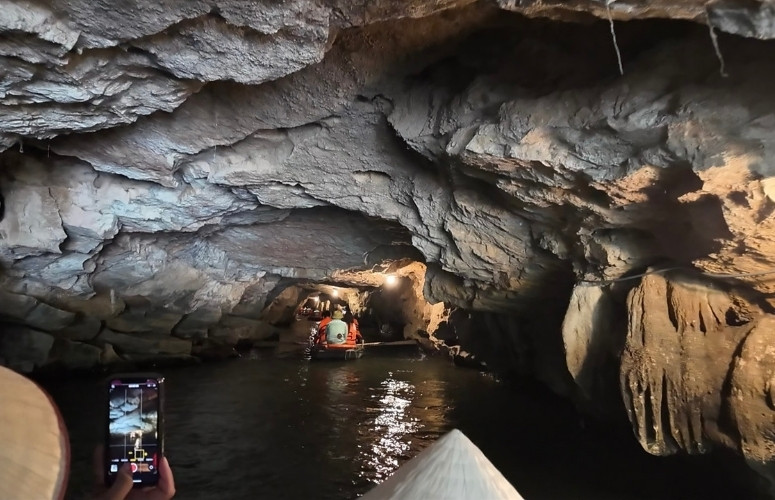
Along the route, visitors are captivated by limestone karsts, caves, and pagodas—even passing the scenery featured in the 2017 film Kong: Skull Island.
GETTING THERE: Ninh Binh is a two-hour drive from the city of Hanoi. Alternatively, Vietnam Railway offers a budget-friendly commute with departures starting as early as 6 a.m. Travelers can choose from various seating classes, with tickets typically ranging from $18 (P1,077) to $26 (P1,556) per person.
PRO TIP: Sunscreen, a hat, extra clothes, and cooling wipes are must-haves—trust me, these adventures are not sweat-proof!
Day 3: Hands-on culinary experience
Toi Toi Vietnam Cooking Center
Sampling local cuisine is an essential part of any trip, but visitors can also bring the flavors home by learning to cook Vietnam’s most popular dishes. Toi Toi Vietnam Cooking Center in Hanoi, run by Chef Nguyen Minh Tien, offers a hands-on approach. The center teaches tourists—and even children—the fundamentals of Vietnamese cooking, emphasizing the principle: “You eat what you cook, not what you buy.”
Chef Nguyen notes, “The important thing is that when you eat, you connect with people,” highlighting the communal nature of meals.
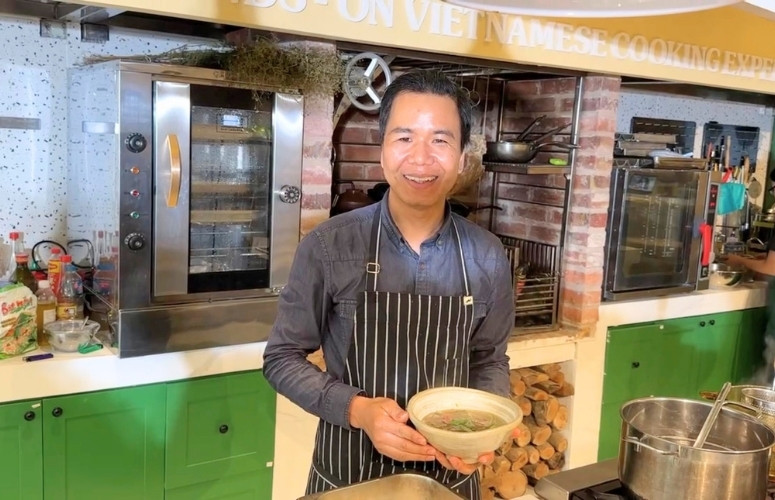
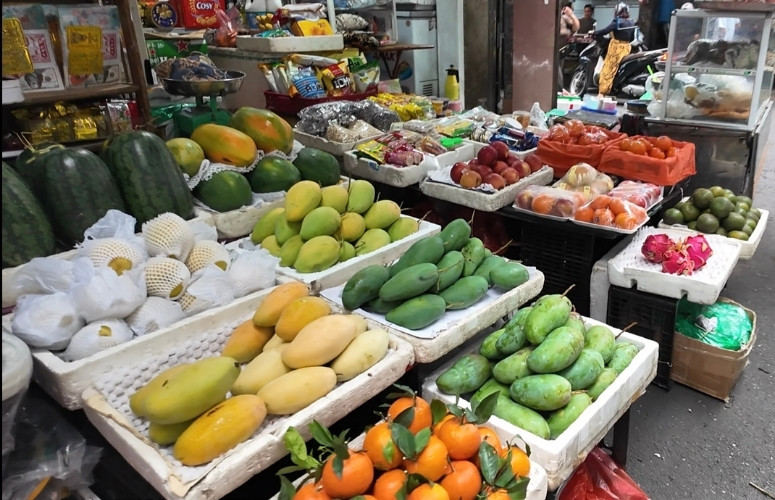
The experience begins with a trip to a local market, where visitors learn about essential ingredients, from rice paper to fresh herbs. Dishes such as beef pho, crispy fried spring rolls, and bun cha—a mix of grilled pork, rice noodles, and herbs—are prepared entirely from scratch, including handmade rice noodles.
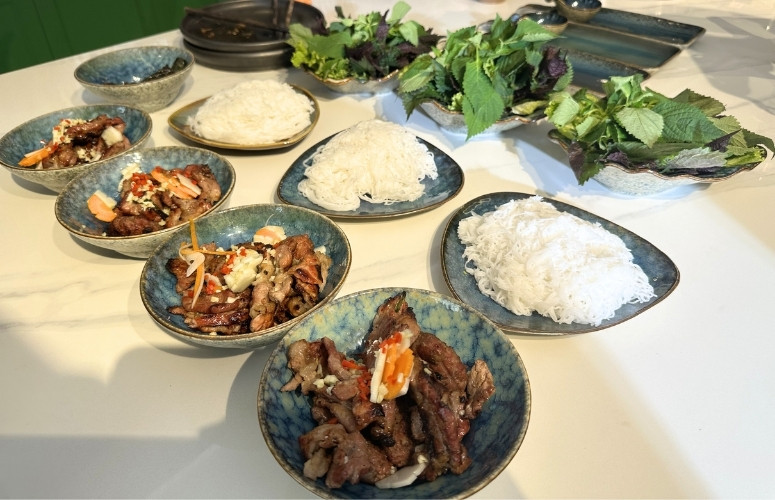
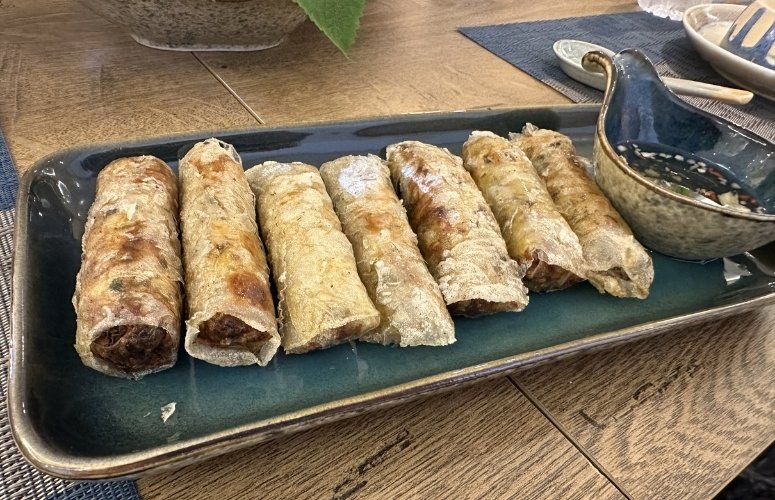
GETTING THERE: Toi Toi Vietnam Cooking Center is located in the heart of Hanoi's Old Quarter at 69 Ma May Street, Hang Buom District. Getting around Hanoi is easy with ride-hailing services. Motorcycle rides are also a cheaper option for quick trips around the city.
PRO TIP: Don’t miss the local market! Grab essentials like chili salt for sour fruits, Vietnamese coffee, and dried noodles for your homemade spring rolls.
Train Street

You might also want to stop by the iconic Train Street. While it’s undeniably touristy, it’s still worth a visit—just be aware that some may try to charge extra for a seat at the cafes along the tracks. You really only need to pay for your drink.
GETTING THERE: Train Street is located between Le Duan and Kham Thien. You can reach it from Hoan Kiem Lake or the Old Quarter by taking a 20 to 30-minute walk or a quick Grab ride. The area is divided into two sections: North and South. The North Train Street is closer to the Old Quarter and tends to be more crowded, while the South side is generally quieter.
PRO TIP: Check with the locals for the train’s arrival time—you don’t want to miss the action!
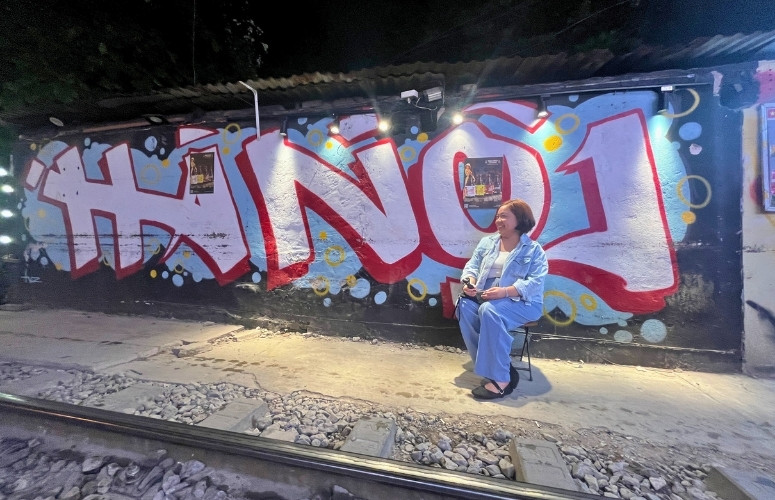
CHỐT
Cafes in Hanoi are a must-visit for coffee lovers. Vietnam is known for excellent, affordable coffee, including the iconic egg coffee, which is traditionally enjoyed hot. Some cafes, such as CHỐT, also serve a refreshing cold version for 50,000 VND (around P135).

GETTING THERE: CHỐT Coffee is located at the Old Quarter. From the Train Street, you can ride bus no. 23 and get off at 36 Lý Thái Tổ street.
PRO TIP: This cafe is open 24/7, so you can order their best-selling egg coffee anytime!
Getting Around
For convenience, private or rented vehicles are a practical choice, especially for groups or those following a fixed itinerary. Ride-hailing apps like Grab and Green GSM are also widely used in the city.
Budget travelers can opt to take public buses, which cover most major routes at very low fares. While this system offers a cost-effective way to navigate Hanoi, it can be confusing for first-time users. Motorbike taxis are another affordable option for short distances, while for a more cultural experience, you can hop on a cyclo—a three-wheeled bicycle taxi that lets you take in the sights of the Old Quarter at a relaxed pace.
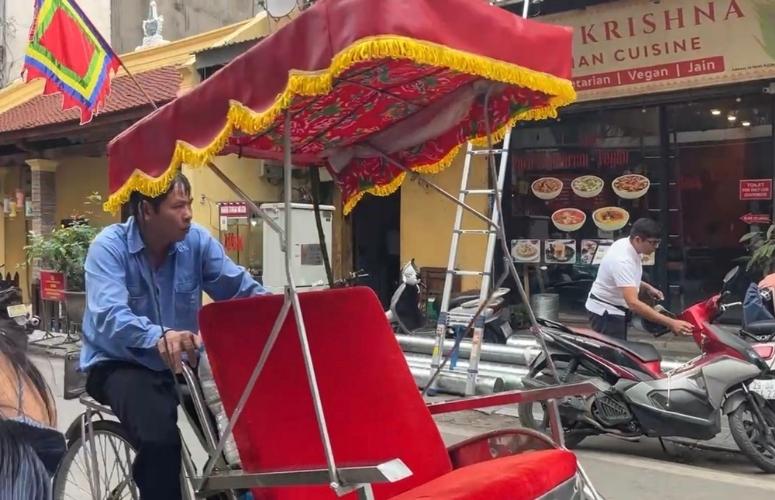
Unlike major Asian cities, Hanoi doesn’t yet have a single reloadable transport card. Most commuters still pay in cash or buy single tickets, though contactless payments are slowly being introduced.
Where to stay
Accommodation can easily take up a big portion of your travel budget—but in Hanoi, there are plenty of options that offer comfort and great value.
For a contemporary stay, Hanoi Hotel and Thang Long Opera Hotel are solid choices. Hanoi Hotel offers scenic lake views—best enjoyed over breakfast—along with easy access to nearby cafés.
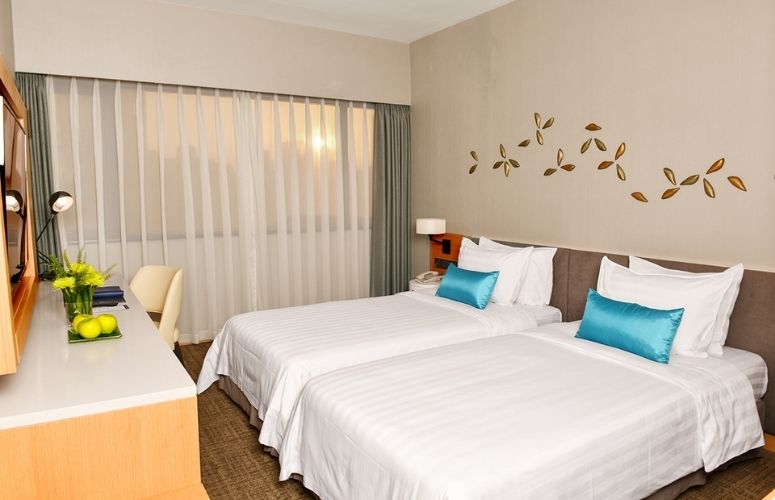
Thang Long Opera Hotel, on the other hand, leans toward a more Western-style breakfast while sharing a similarly central location near the lake and the lively streets of the Old Quarter.
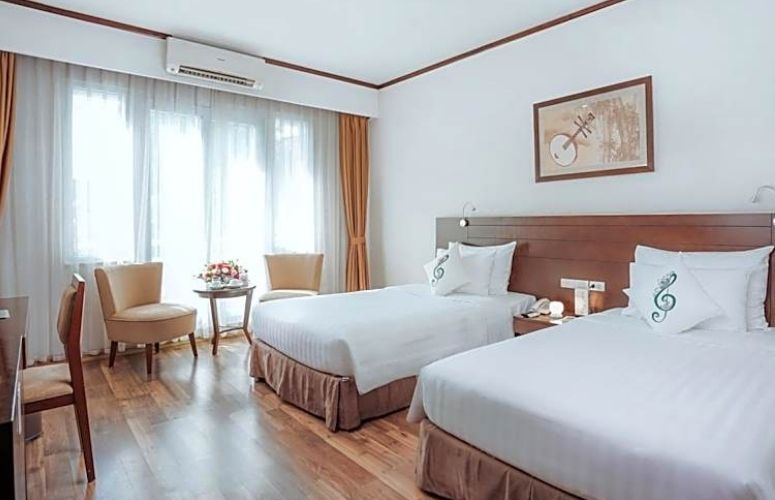
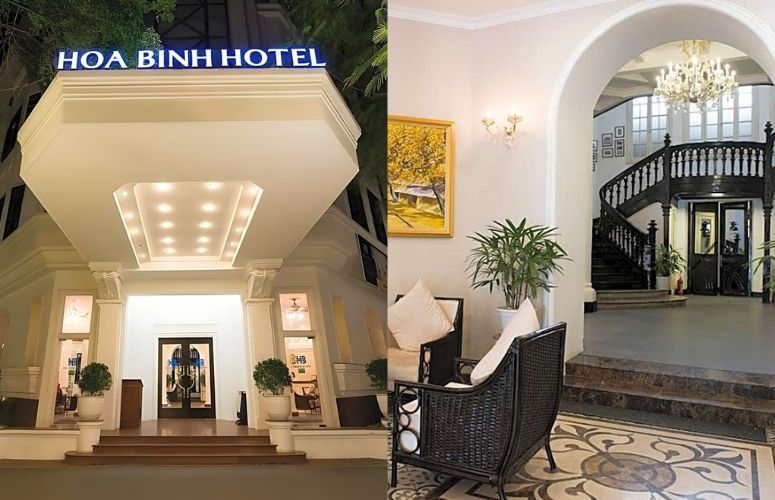
For those seeking a more nostalgic experience, Hoa Binh Hotel offers a glimpse into the city’s past. This colonial-era property in the French Quarter, near the Opera House, blends historic charm with a sense of old-world Hanoi—making the stay an experience in itself.
On average, accommodations in these hotels range from around P2,500 to P4,000 per night.
Best time to go
The best time to visit Vietnam is from March to May and September to February, when the weather is generally pleasant and ideal for exploring.
Northern Vietnam experiences distinct seasons, each offering a different kind of charm. Spring (March to April) brings mild temperatures perfect for sightseeing and trekking, while autumn (September to November) offers clear skies and comfortable weather for outdoor activities. Winter (December to February) is cooler, especially in places like Hanoi, while Sapa can get quite cold and, on rare occasions, even experience snowfall—making it a unique destination for those seeking a different side of Southeast Asia.
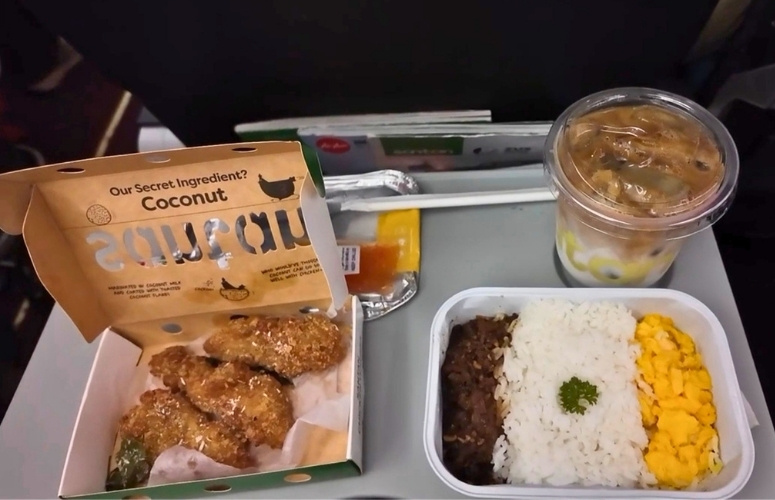
Making the trip even more accessible, AirAsia now operates four weekly flights from Manila to Hanoi and four weekly flights from Manila to Da Nang, giving Filipino travelers more convenient options to explore the country.
Three days in Vietnam may feel short, but travelers can experience stunning landscapes, rich history, and vibrant flavors. Beyond the sights and tastes, Vietnam’s well-developed tourism—from organized boat rides to hands-on culinary experiences—offers a valuable lesson for the Philippines on how thoughtful planning and infrastructure can make travel effortless and memorable.
Disclaimer: The trip was made possible through AirAsia and Klook Philippines.
Editor’s Note: PhilSTAR L!fe is here to help you choose items you may love, want or need. Each product we feature has been independently selected by our team. If you click and buy the products featured, we may earn commission.

WATCH: Can you still trust someone who betrayed you? (Generations Ep. 22)
September 23, 2026