

TRAVEL GUIDE: Discovering Seoul from a different lens
PhilSTAR L!fe's travel guide is a tribute to the destinations that hold a special place in the hearts of Pinoy travelers. We’re going beyond the familiar landmarks of Hong Kong, Singapore, Korea, and Japan to bring you hidden local haunts, unique cultural experiences, and lesser-known sights. These guides promise to show you a side of these countries you won't find in a typical guidebook.
The regular Filipino traveler may find it strange to picture Seoul, South Korea as a destination that does not require at least three layers of clothing. You can blame it all on the popularity of K-drama shows that almost always feature these poreless stars in Gangnam fall fashion and never breaking a sweat (And, no, Physical: 100 doesn’t count!). But PhilSTAR L!fe’s visit in between summertime and fall recently may just give you a new perspective of SK.
According to the Republic of Korea’s Ministry of Foreign Affairs, last year saw the highest recorded number of Filipinos flying northward at 531,099. Safe to say, post-COVID tourism in SK has robustly recovered with a baseline of 516,503 in 2019. Beyond just travel, the Ministry also reported more than 34,000 Pinoys living in Korea in 2024 as residents.
L!fe’s recent trip only laid proof to these numbers—that interest in South Korea remains high among Filipinos and that there are plenty more reasons why they just keep coming back even during the hot and humid season.
In this special Travel Guide, you’ll discover more about SK beyond just renting a hanbok, taking feed-worthy shots at Nami Island, and playing around with love locks at N-Seoul Tower with your special someone. Enough with the cheesy, trust that this curated list of what to do, where to go, and where to go is not.
Where to go
CONTINUE READING BELOW

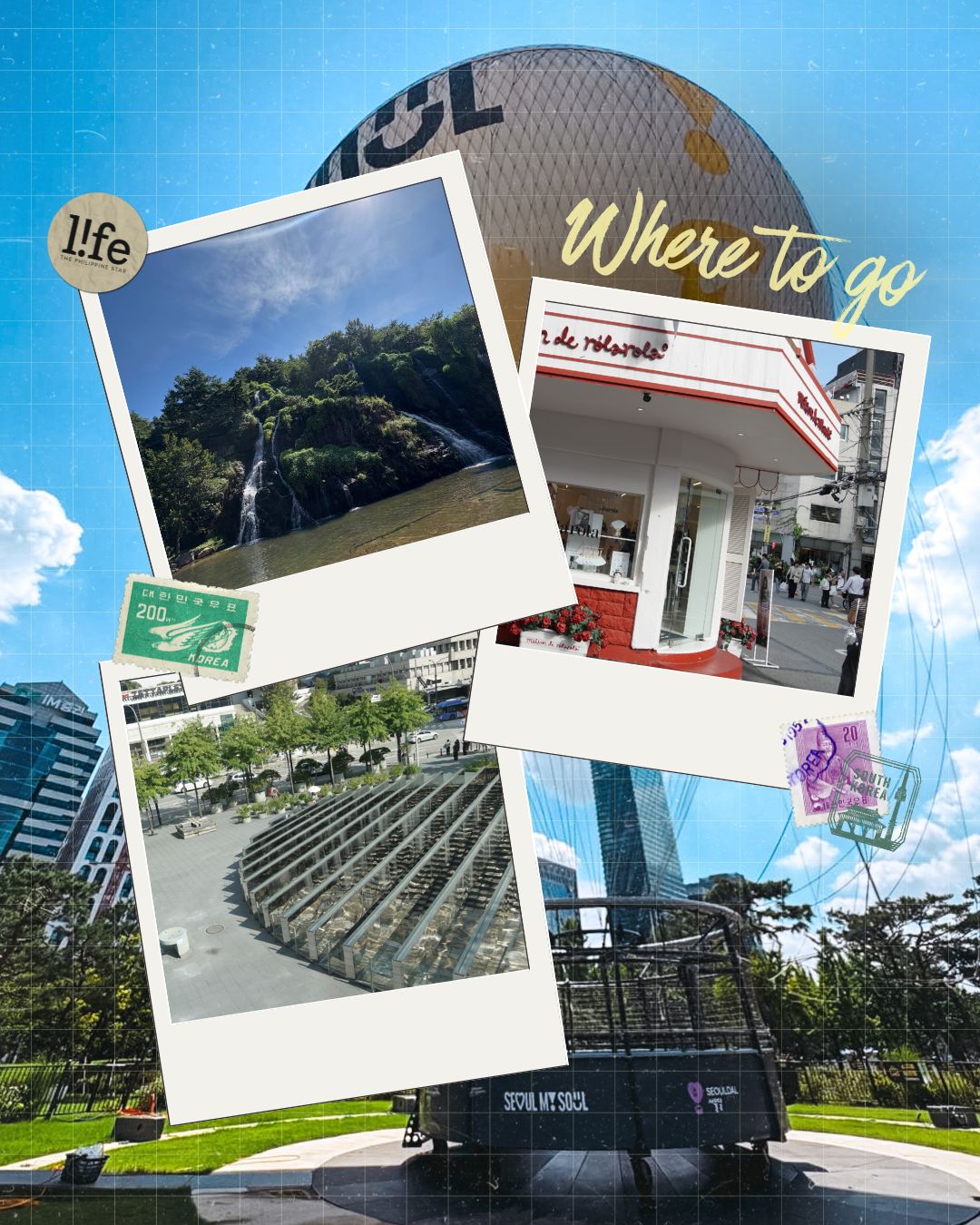
Seoul is increasingly attracting tourists with less mainstream destinations beyond traditional palaces and K-pop sites.
For one, thrill-seekers can visit the newly-opened SEOULDAL, a tethered helium balloon offering quick, panoramic city views that are especially beautiful at sunset.
The Hongjecheon Falls & Waterside Attraction is a great place that provides a natural respite with a large manmade waterfall, cafes, and a library. Those into arts (or just want to take new selfies) should go to the public art space Yoonsul: Reflecting Seoul in Manridong—a sunken concrete installation offering poetic optical illusions.
Seongsu-dong, meanwhile, is an industrial-turned-chic neighborhood packed with trendy Korean brands, galleries, pop-up stores, and cafes. Finally, if you're looking for bargain tech and gadgets, you can explore Technomart in Gangbyeon, a multi-level mall dedicated to electronics and featuring a large modern cinema multiplex.
(Read about the Seoul destinations to match your every vibe here.)
What to do
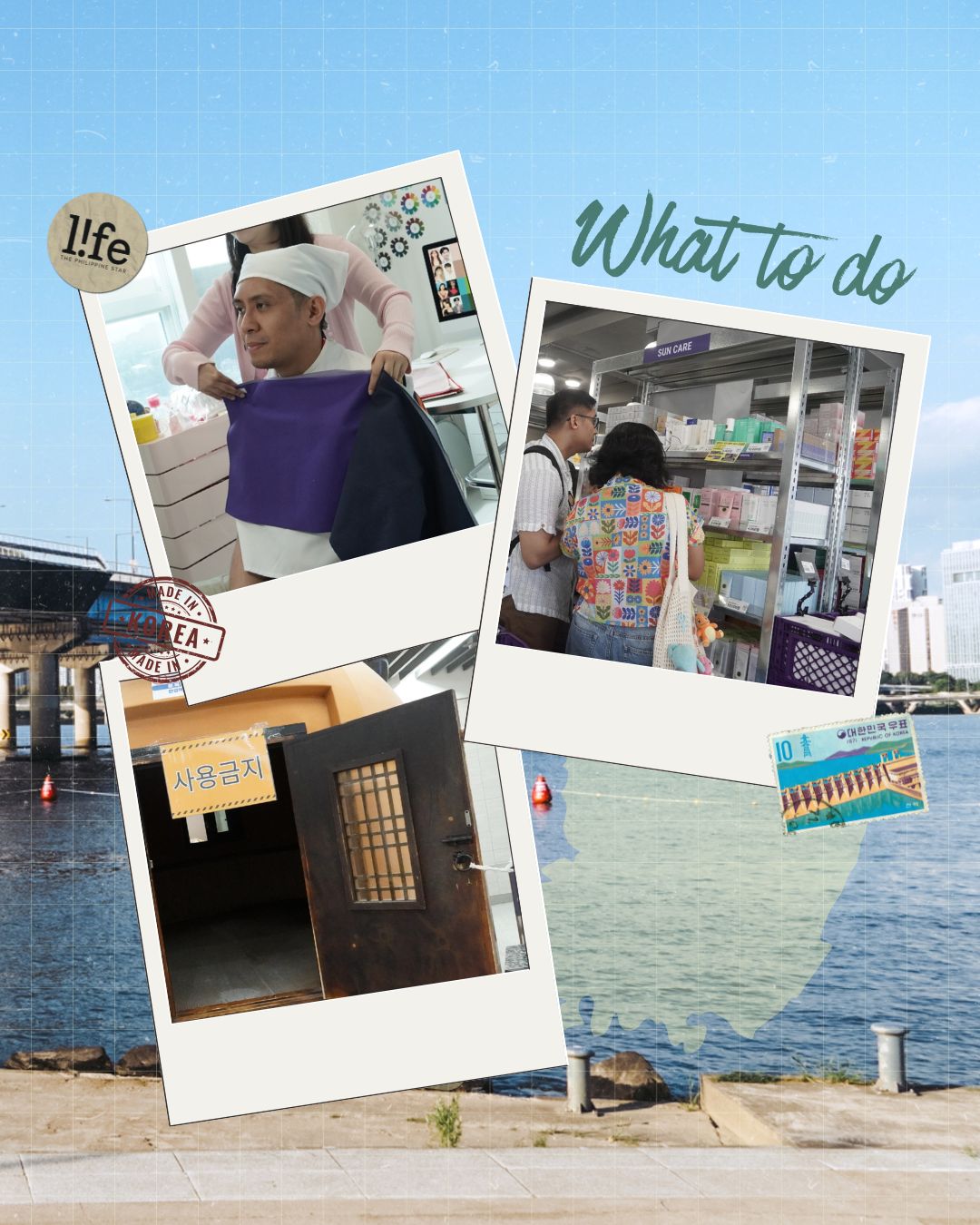
In Seoul, you can enjoy a wide spectrum of activities, thanks to the city's harmonious mix of tradition and modernity. Visitors can find respite and recreation in urban parks like the Han River Park, which offers biking, picnics, and scenic views, and the Gyeongui Line Forest Park.
For shopping, go beyond Myeong-dong and discover great deals on accessories and discounted beauty products at places like NYUNYU and the outlet-style OFFBEAUTY. To deepen your beauty knowledge, consider a color analysis and styling consultation with an expert like Dianna of Glimmer Studios.
Finally, experience authentic Korean relaxation by spending an entire day or night at a traditional jjimjilbang.
(Read about the authentically Korean experiences to try in Seoul here.)
Where to eat
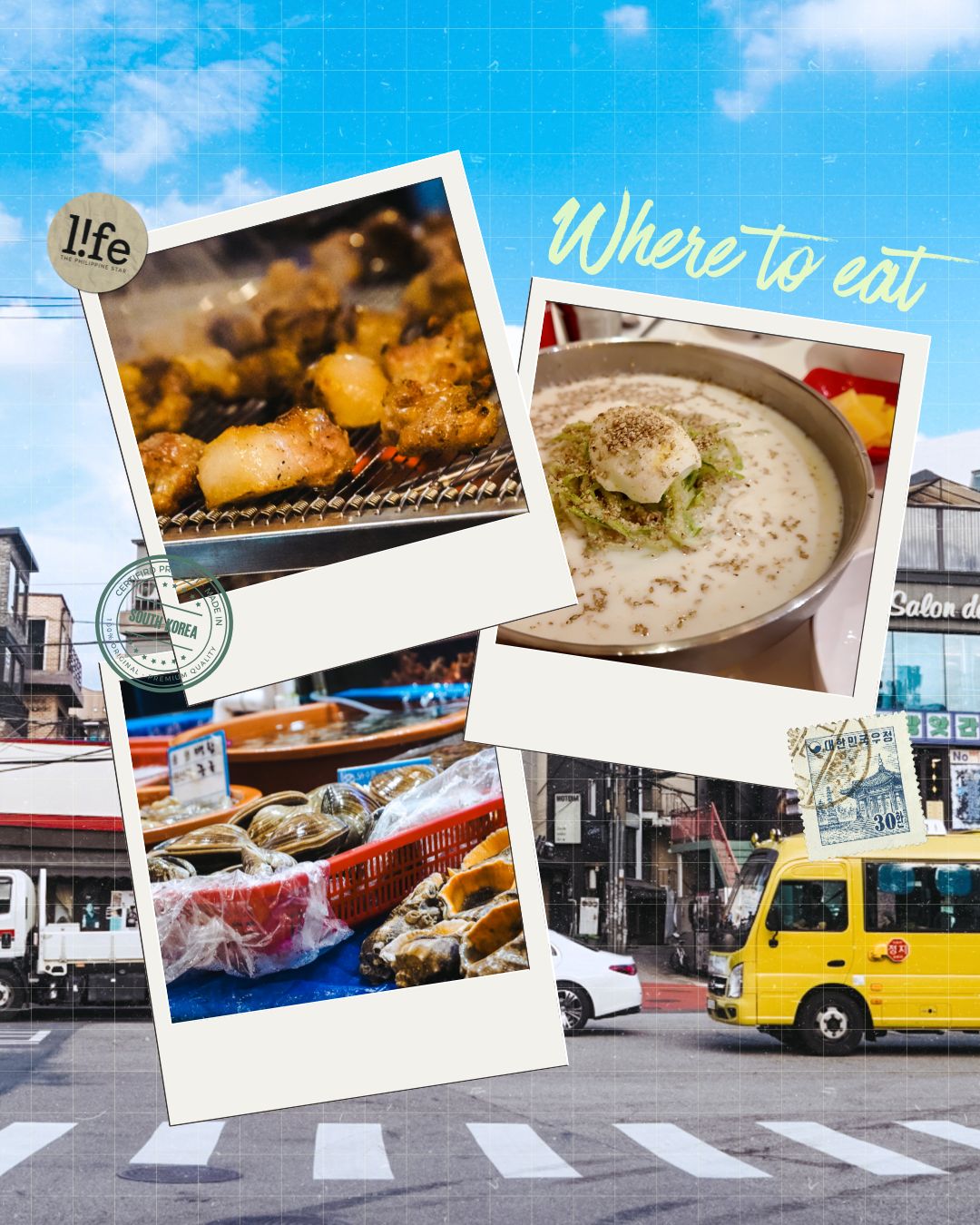
While you might have Kbbq and ramyun on your must-try list, the real secret to experiencing Seoul is to discover the neighborhood eateries and markets where locals gather.
The Noryangjin Fisheries Wholesale Market is where visitors can buy any kind of fresh seafood at wholesale prices and immediately have it prepared by the restaurants on the second floor.
For a more relaxed, local feel, Mangwon Market offers a homey atmosphere to sample delicious, inexpensive Korean delights like fried chicken, tteokbokki, and old-fashioned bakery goods. Finally, the trendy Yeonnamdong neighborhood is famous for its eclectic food scene, featuring artisanal cafes, wine bars, and classic comfort food.
(Read about the food havens in Seoul for those hungry for adventure here.)
Best time to go
A snappy answer to give any curious one traveling from the tropics, like the Philippines, would be to go during the colder seasons: spring (late March to mid-May) and autumn (September to October). You feel more cozy, and amid backdrops of scenic foliage and landscapes, you finally get to sport the coat and scarf combo you bought on discount but had never really seen the light of day back home.
While the presence of cherry blossoms in spring and the dance of colorful leaves in autumn are top-of-mind reasons to go during this time, one major celebration that may spark your interest in culture is Yeondeunghoe, or the Lotus Lantern Festival. The event is Buddha’s birthday, celebrated through lantern lighting during early-mid May. Another festival to tickle your knack for K-life is Chuseok, or the Harvest Moon Festival, which is basically the Koreans’ Thanksgiving holiday observed through a three-day holiday around September.
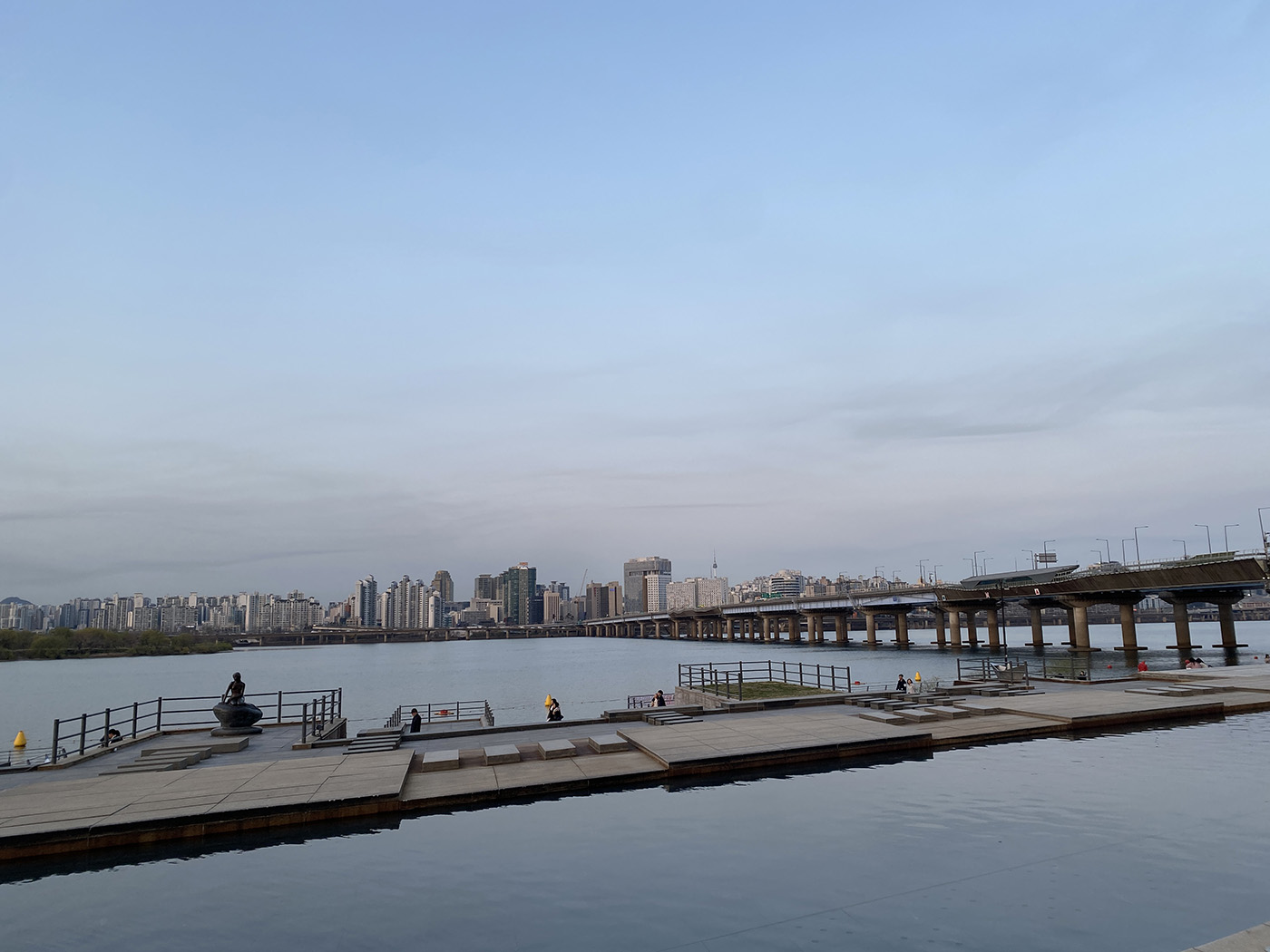
L!fe’s visit in late August to early September, meanwhile, showed SK in its hotter, more humid mold. While it’s horribly similar to typical Philippine temperatures peaking at around 31°C with only a few drops at night, flying to Korea during this period also has advantages. You get to experience more outdoor activities that won’t be possible in shiveringly cold weather.
Among these activities are biking along the Han River, attending beachside music festivals, and boarding soaking up spectacular cityscape views while aboard a tethered helium balloon!
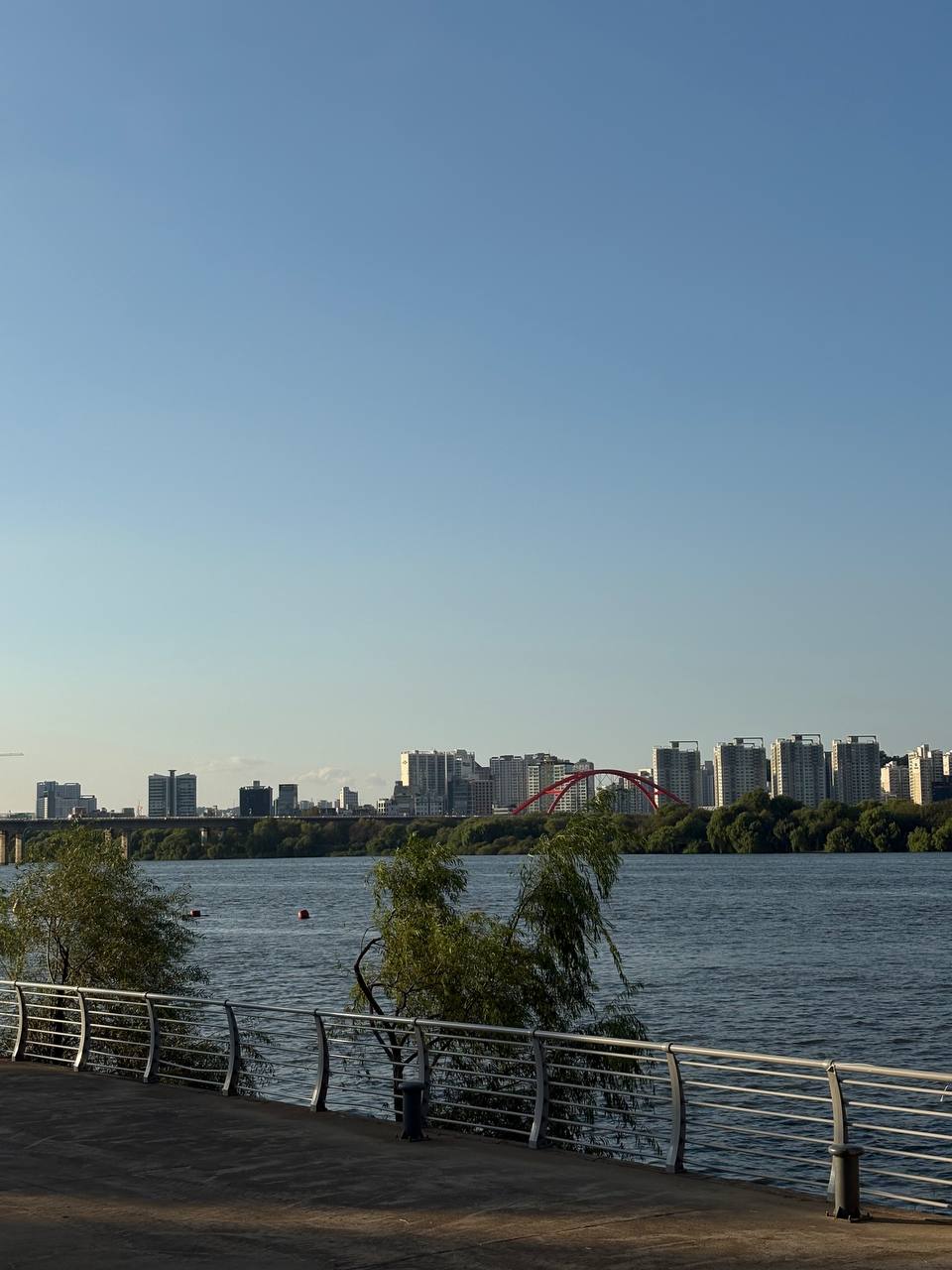
Quite frankly, with not much layering needed during the summer, you’ll also be more comfortable in your commutes.
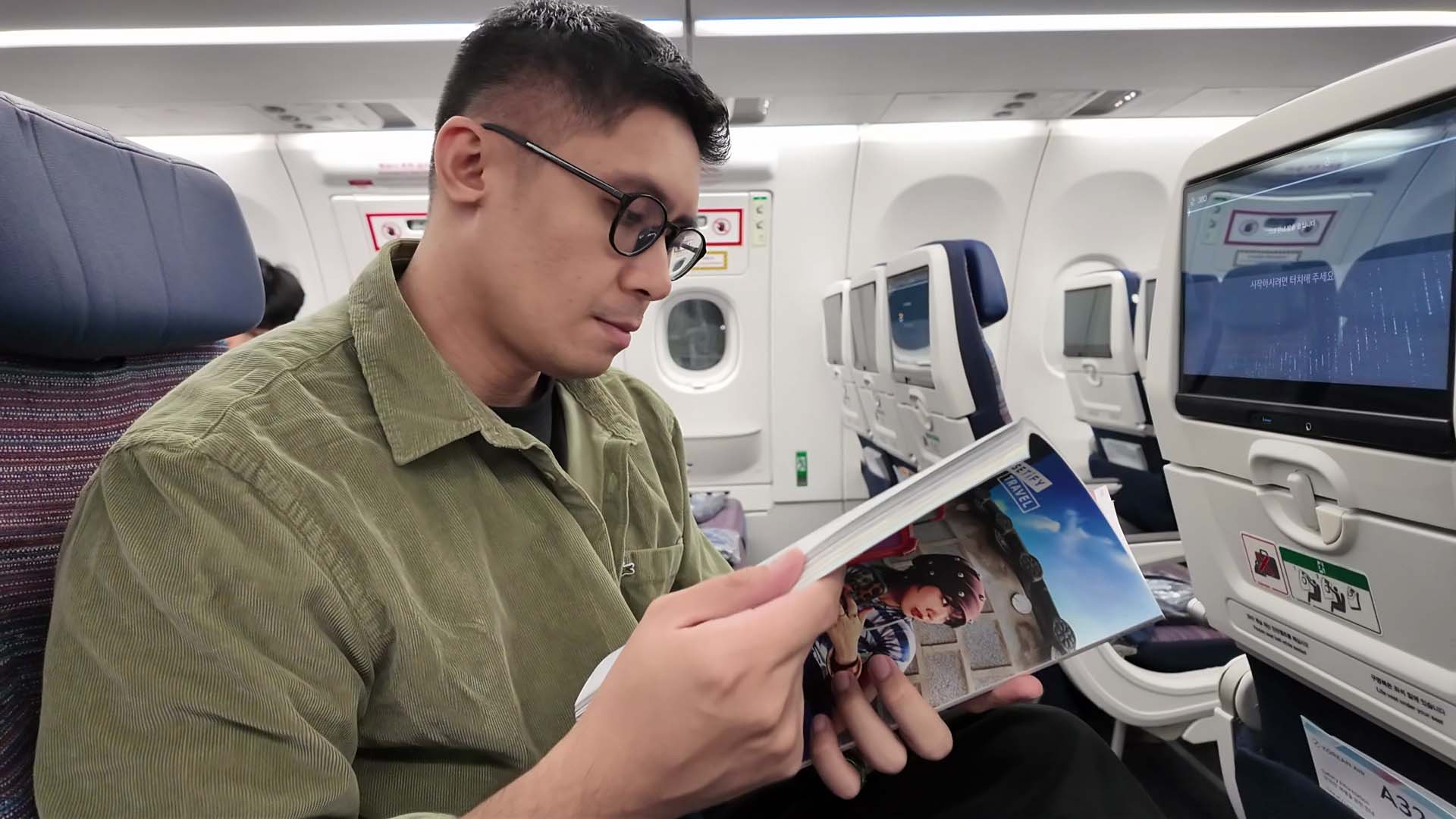
The SK experience begins the moment you step onboard Korean Air, an airline that prides itself on its mark of Korean hospitality and service. Korean Air provides comfort and convenience to mark your trip on an easy note, with roomy seats, delicious Korean meals, and updated in-flight entertainment featuring K-entertainment and more.
Getting around
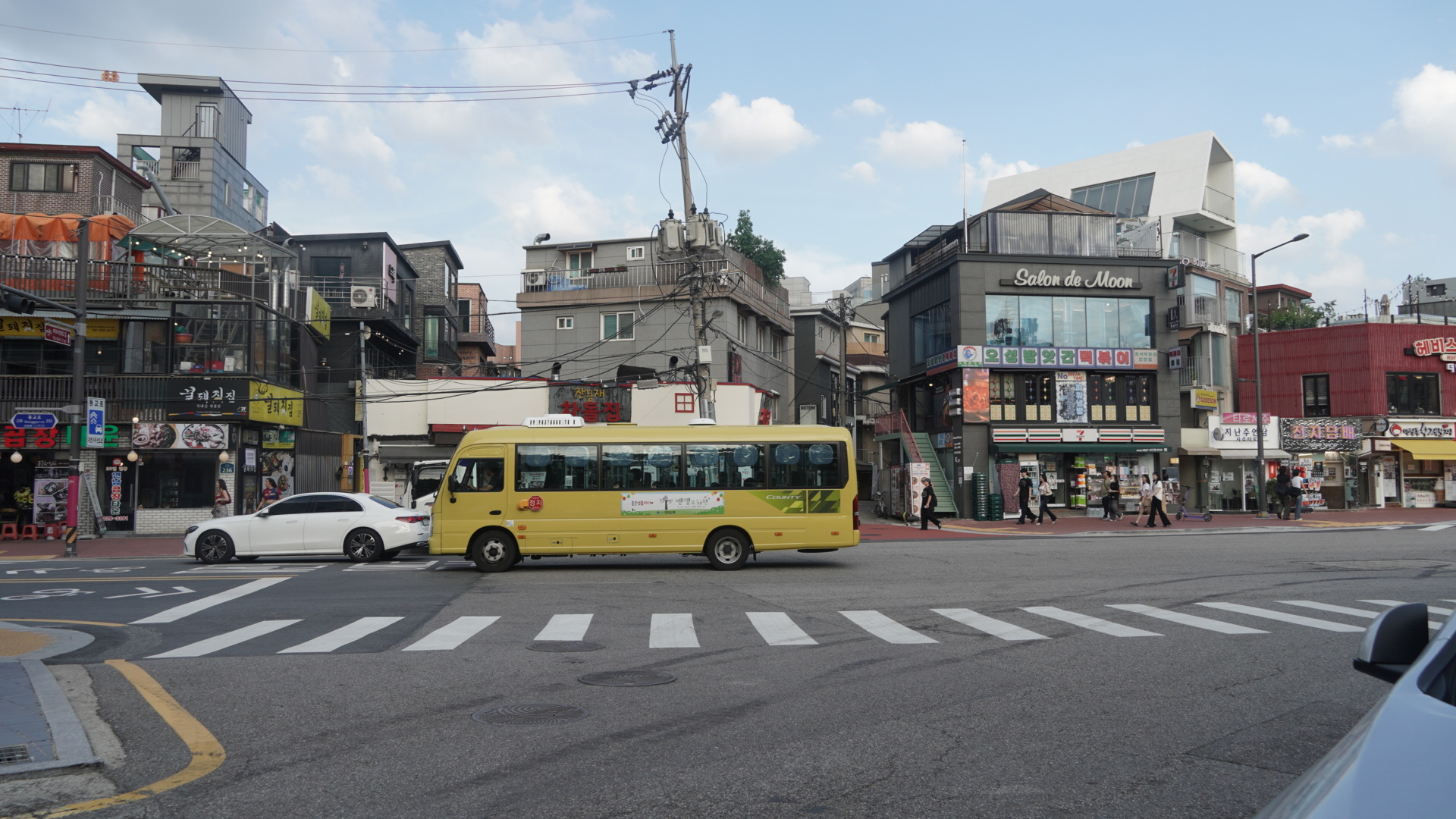
In a place like SK that’s way more technologically advanced than its developing neighbors, traveling within the country is expectedly more convenient and accessible.
As soon as you land, get a T-Money card—South Korea’s reloadable prepaid card you can use in primary modes of transport like buses and trains. You can purchase it at a convenience store at the airport for as low as KRW 2,500 (~P100), top it up right there with KRW 10,000 - 20,000 for a good start (~P400 - P800), and you’re ready to go!
With T-Money in hand, you’re guaranteed ease while in the middle of all the walking, shopping, and lugging stuff around. You also get some discounts on your fares when you transfer from bus to train or vice versa within certain periods. Remember to take note of your T-money credits from time to time, which is quite easy since they appear every time you tap the machine. You can always go to any convenience store to top it up, as long as you have actual cash as a deposit.
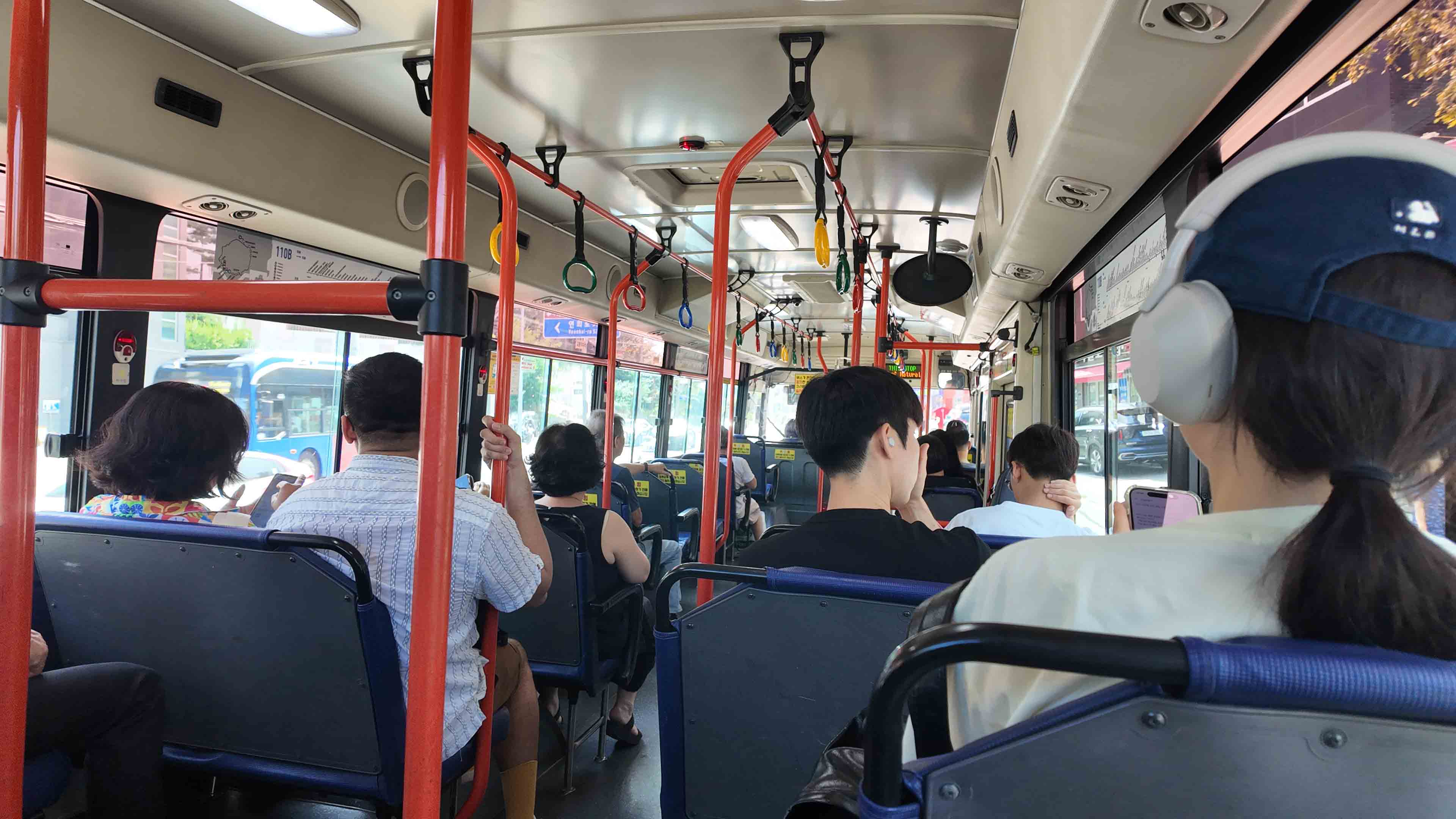
It’s recommended to tour SK on trains or buses to get a better glimpse of its culture and people while seeing more places. If you have luggage, say, in between transferring hotels or when waiting for a flight, you can store your luggage inside safety lockers located in train stations. Pro tip: Download the T-Locker app ahead of time to confirm the availability of the lockers! Locker spaces vary depending on size, so choose wisely.
When commuting, you may always opt for Uber, especially when carrying lots of luggage or when accompanying seniors and PWD.
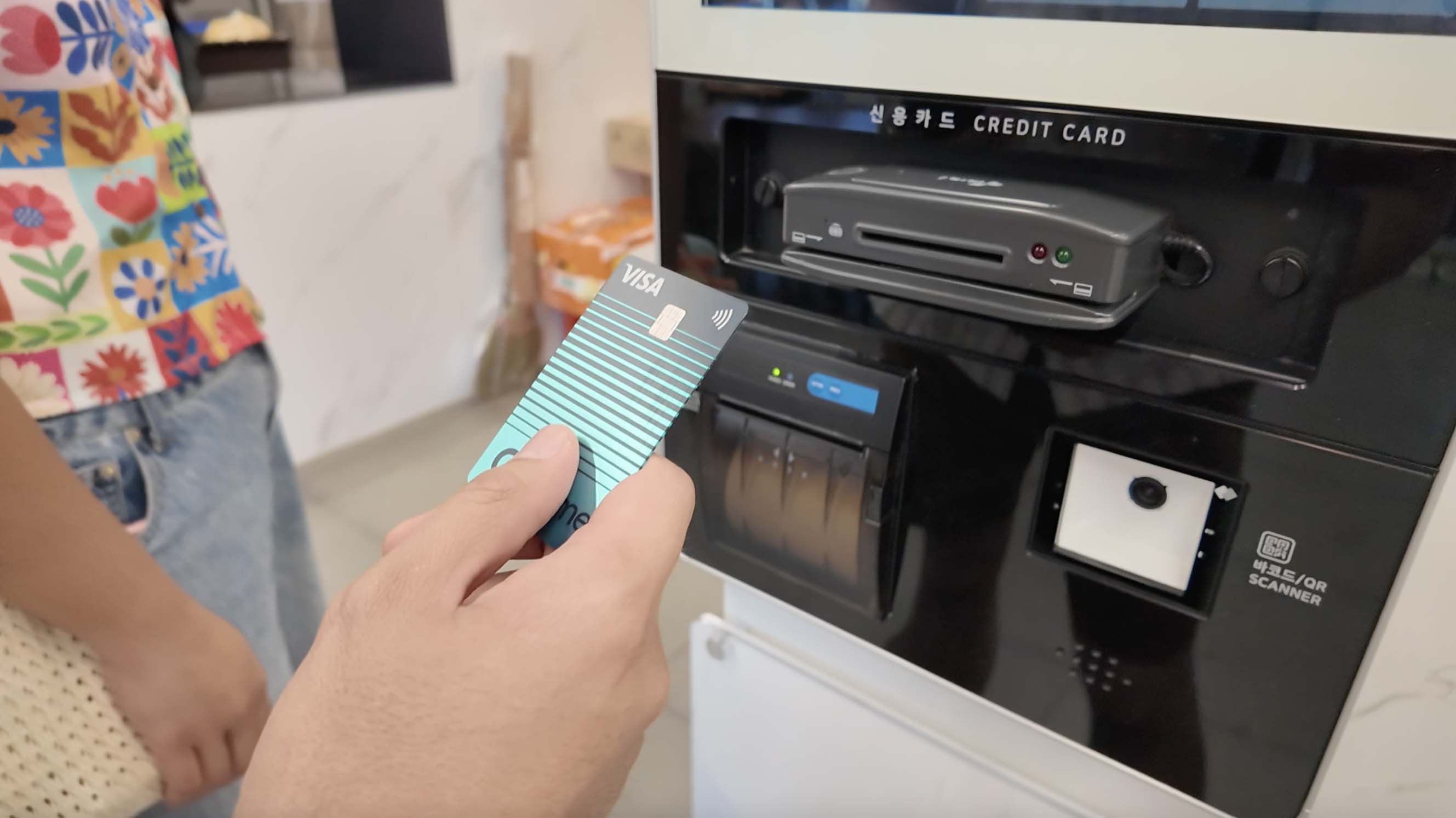
For the convenience of all your purchases—including pre-airport payments for travel tax and flight bookings—you can get a Visa card like GoTyme Bank. Charge it up before your trip and use it smoothly like a debit card in SK, where stores mostly accept cashless payments. The easy-to-use interface of the app, which includes conversions of foreign expenses, makes it a convenient and reliable partner in your trip. You can even use it right before your departure—pay for your insurance and travel tax without any hassle.
Meanwhile, when getting around SK, download Naver as your navigator instead of Google Maps or Waze. Naver is the Koreans’ go-to, easy-to-follow app perfect for foreign travelers, providing routes toward your destination complete with ETAs and choices of transport, including the time needed to walk from one spot to another. Besides showing real-time updates, the app also recommends trips for a later time and reveals delays when it comes to transportation, so more often than not, you can rely on its estimates. Keep Google Maps open, though, to double-check your chosen destinations.
Where to stay: Experience SK #likeaboss in Central Seoul
From the author’s experience visiting SK four times in the past six years, most hotels and stays are not an issue. Hotel rooms are clean, spacious, and accessible to public transportation and tourist spots. Cheaper alternatives like Airbnb stays similarly do not disappoint, complete with cozy (and aesthetic) furniture and functioning appliances and pipes, plus accommodating homeowners, albeit only contacting you online.
When traveling to Seoul for the first time, one tip is to stay within the Yeouido Business District, Central Seoul. Think “Wall Street of Korea,” as the area boasts of concrete streets and skyscrapers bustling with professionals who mean business in every sense of the word. With the location, security is barely a concern, and accessibility is a priority as it is next to major train stations, tourist spots, and shopping malls. Balancing the industrial ambiance, Yeouido is strategically located near parks, offering a quick respite in the middle of the urban jungle.
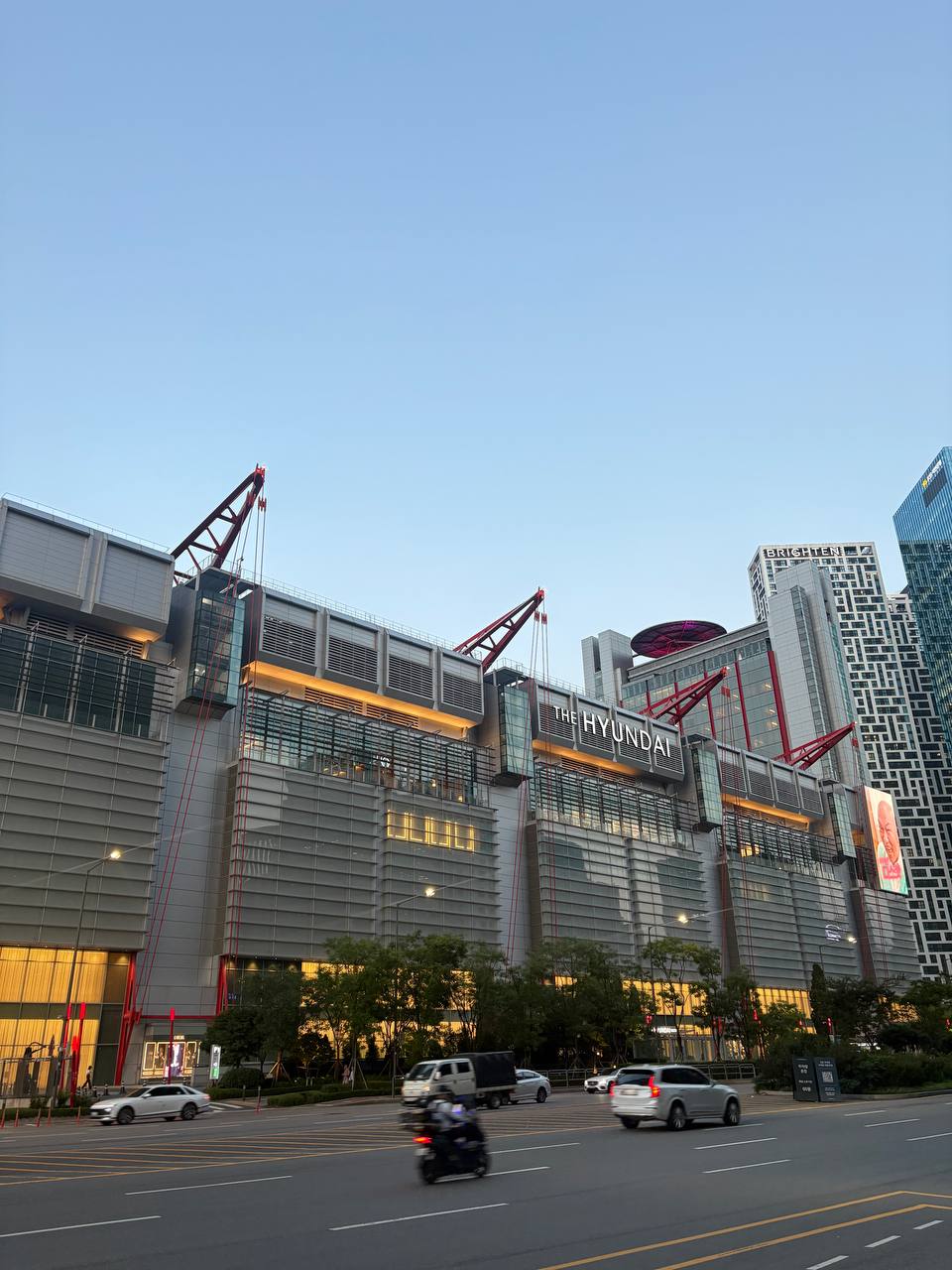
If you dream of seeing Korea from the top in both literal and figurative meanings, L!fe recommends Conrad Seoul, found in the Seoul International Finance Center. For starters, the luxury hotel is next to The Hyundai Seoul, SK’s first eco-friendly mall featuring unique concept stores and an ultra-modern overall design; and is just a few blocks away from the Han River, a landmark for rest, recreation, and even a food trip.
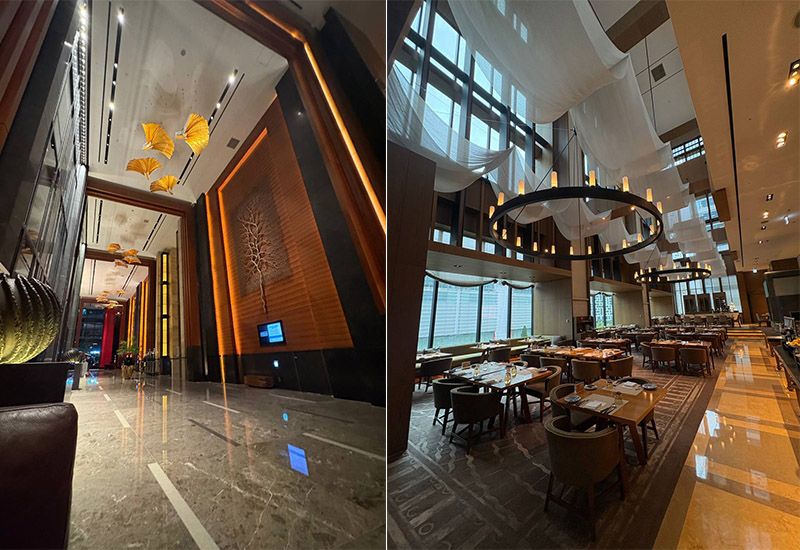
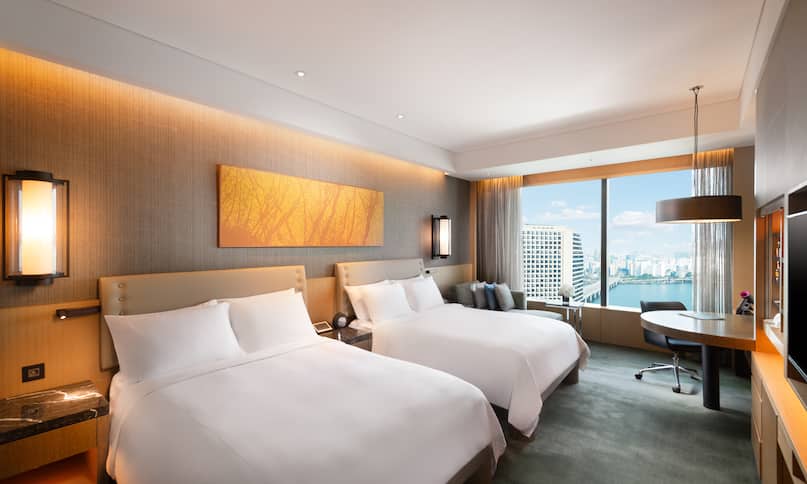
As what you’ll expect from a five-star hotel, Conrad brings modernity and elegance to its (enormous) rooms, living areas, and bathrooms. Its other amenities, such as an indoor pool, spa, gym, and various top dining options, reveal top-notch design and service. Only open to guests in executive suites and Hilton Honors members, the Executive Lounge at Conrad Seoul’s 37th floor showcases more exclusivity with its breakfast buffet and cocktail services – and a beautiful view of Seoul as the main charmer.
***
Disclaimer: The trip was made possible through the support of our partners GoTyme Bank, Korean Air, and Conrad Seoul.
To let you start experiencing beautiful travels and banking, use this special referral code: GOTYMEPHILSTAR. It will give you 50 Go Rewards points when you sign up for a GoTyme Bank account and make your first physical debit card purchase of at least P50.
Check out the complete Korean travel guide, which has other parts covering where to eat, go, and what to do.
Planning your next Asian trip? Read the full Travel Guide series for Hong Kong, Singapore, and Tokyo now.

WATCH: Is Philippine cinema still thriving? (Generations Ep. 19)
September 2, 2026