

TRAVEL GUIDE: Food havens in Seoul for those hungry for adventure
When traveling, you might be one of the frugal ones under the guise of “practical” who often overlook a good food trip as part of the journey. And so, as you prioritize spending for tourist gimmicks or shopping, you just settle for, well, convenience store meals.
If so, what you’re missing is how a cuisine of one place can let you discover more about its origin, culture, and way of life. Heck, there’s a reason why food vlogs remain among the trendiest types of content there is online. These culinary art enthusiasts know too well that sometimes, the food is the destination.
Korean food is no stranger to Filipino taste buds, especially with the Hallyu influence still present and strong across the archipelago. Look around the block and you’d probably see at least one Kbbq resto or Korean grocery. Of course, nothing beats the real thing—and a trip to SK will do just the trick. You can even start the experience before you land, with the traditional Korean dishes served on board a carrier like Korean Air.
In this list, however, PhilSTAR L!fe won’t zoom in on the usual samgyup or street food finds. Instead, here’s a shortlist of Seoul’s food havens that are each a hotspot not just for the food, but for the unique experience you get to live, too.
Noryangjin Fisheries Wholesale Market
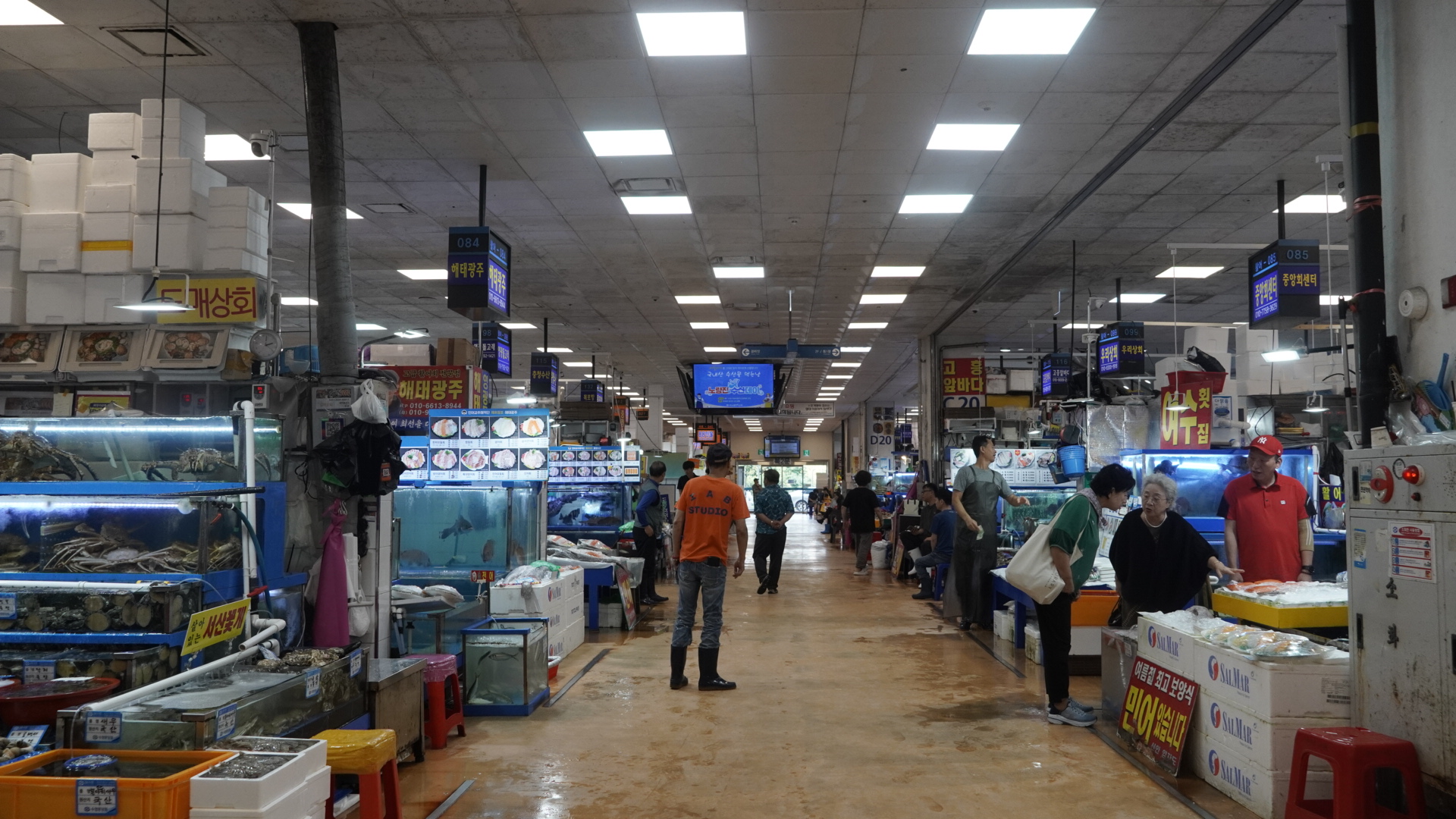
It’s dampa deluxe 24/7!
Here at the most iconic wet market in SK, you can find almost the A-Z in (edible) sea creatures ready for sale and/or for supper at wholesale rate. Find alleys lined with aquariums showing lobsters and prawns, clams and sea urchins, flounders and mackerels, octopuses and squids, and more fresh off the sea, ready to cater to the seafood lover in you.
CONTINUE READING BELOW

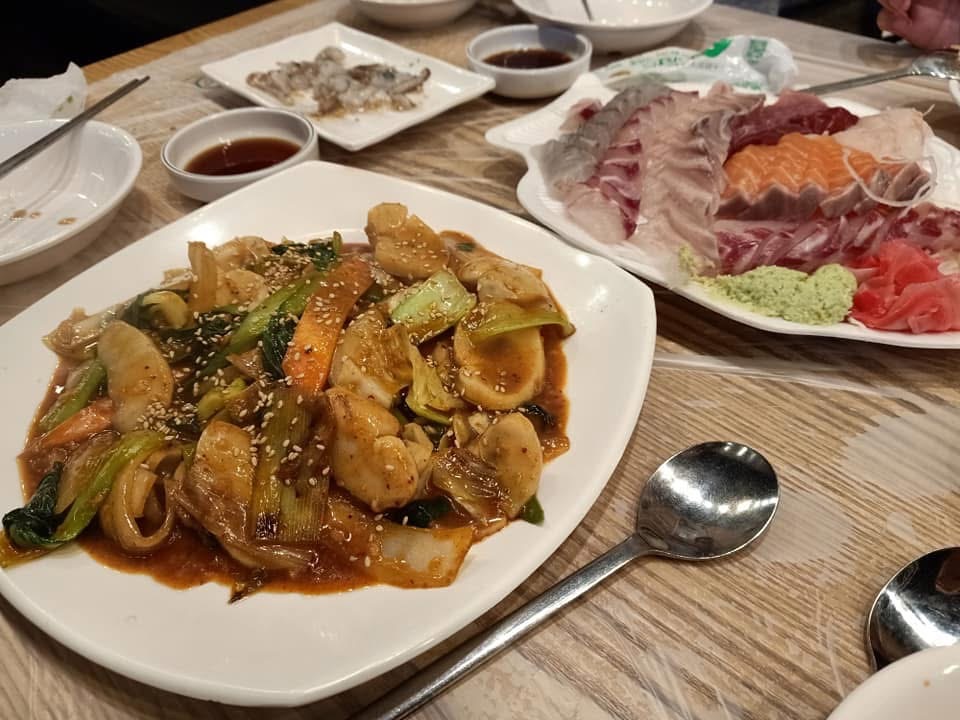
After purchasing your fresh seafood, you can proceed directly to the second floor, where numerous restaurants will prepare your selection. For a small cooking fee, they will steam, grill, or slice your seafood into sashimi right there for you to enjoy.
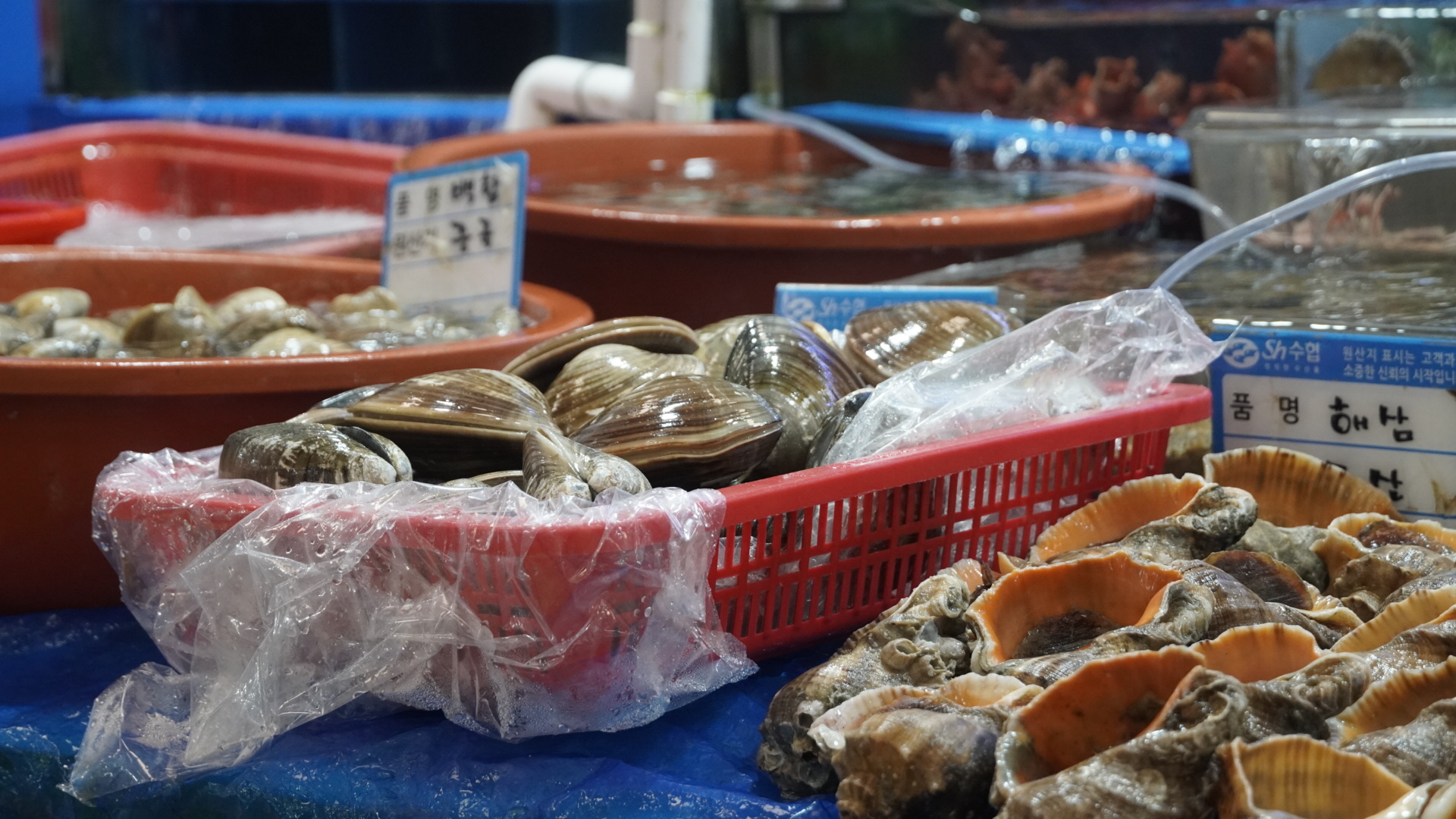
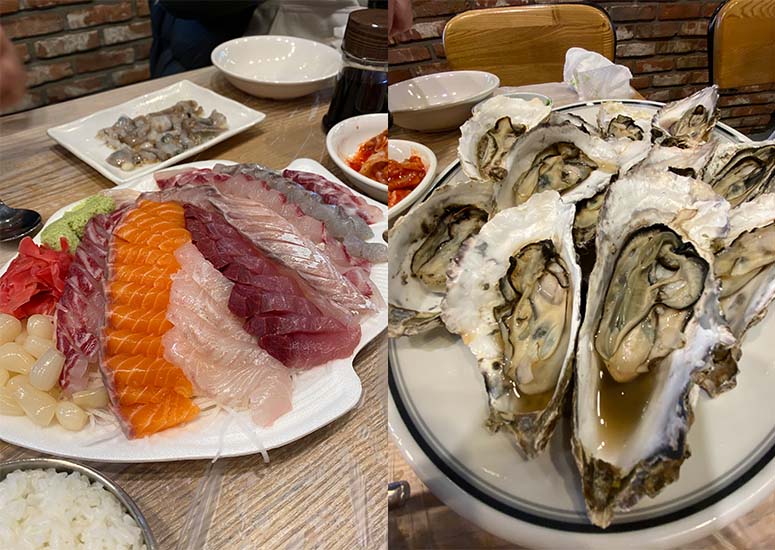
What’s fascinating about Noryangjin is not only the variety, but also its history. The original market was located around Seoul Station in 1927, before it moved to its current location in the 70s. Many modernization projects have since been done, including the construction of a newer, sleeker building close to it as the landmark’s new shell. Still, as of press time, some vendors and even tourists are staying loyal to the old one for many reasons—but mostly for the irreplaceably messy and rugged charm it has long possessed.
GETTING THERE: Take Subway Line 1 to Noryangjin Station. Leave the station via Exit 7. Walk straight and follow the signs until you reach the market.
PRO TIP: Inside, it’s not just wet—it also smells. It’s been here for almost a century, so there’s really not much that your outfit or accessories screaming “luxury” could do. For a more favorable experience, switch your branded getup for something more practical.
Mangwon Market
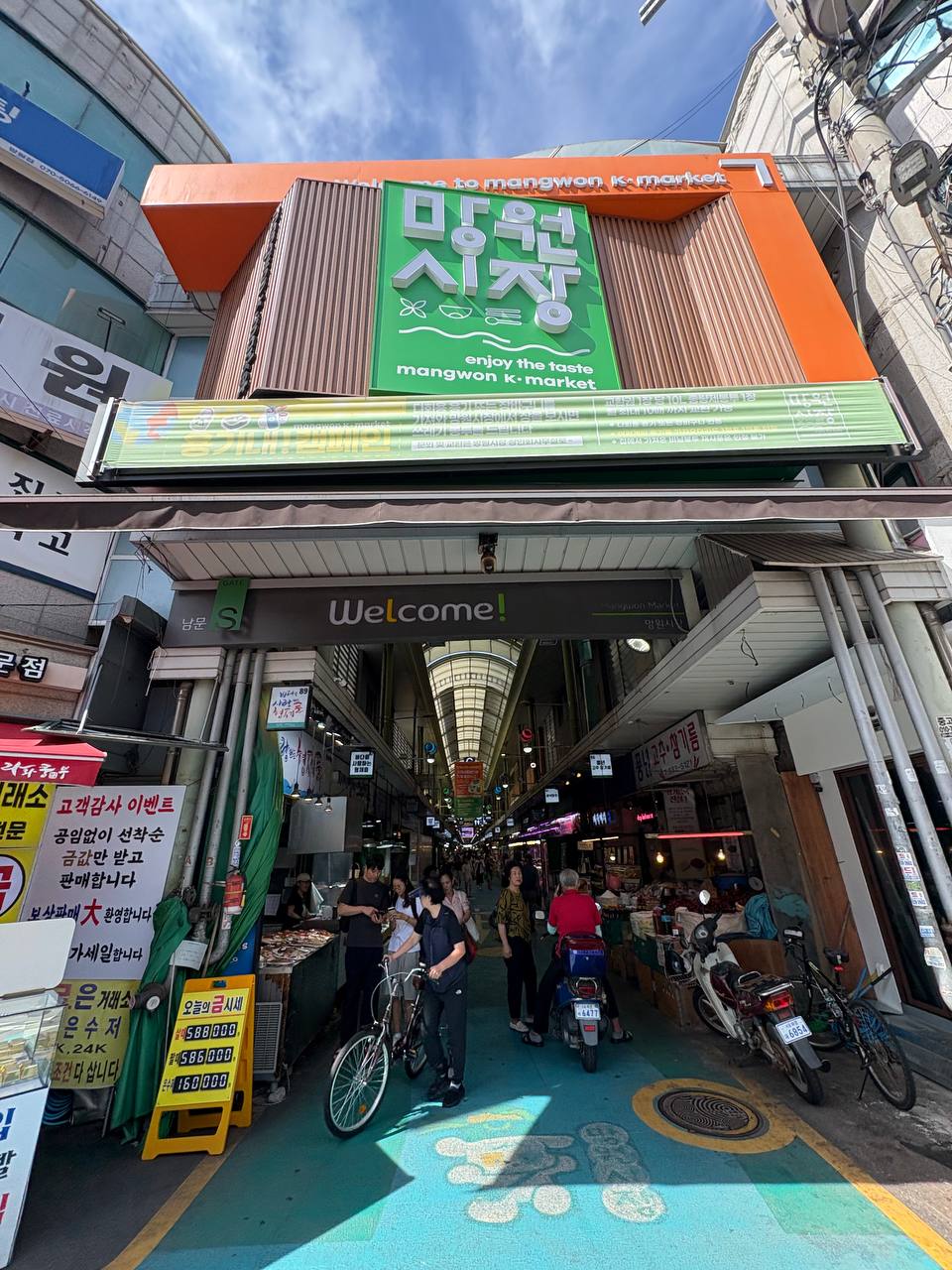
It’s way less commercialized than Myeongdong, with, yes, way more people. Shopping isn’t just more homey and convenient here; with unapologetically retro-looking stores, you can actually have the time in the world to explore. The same goes for the gastronomical immersion, with the many delights you can get to taste without feeling rushed.
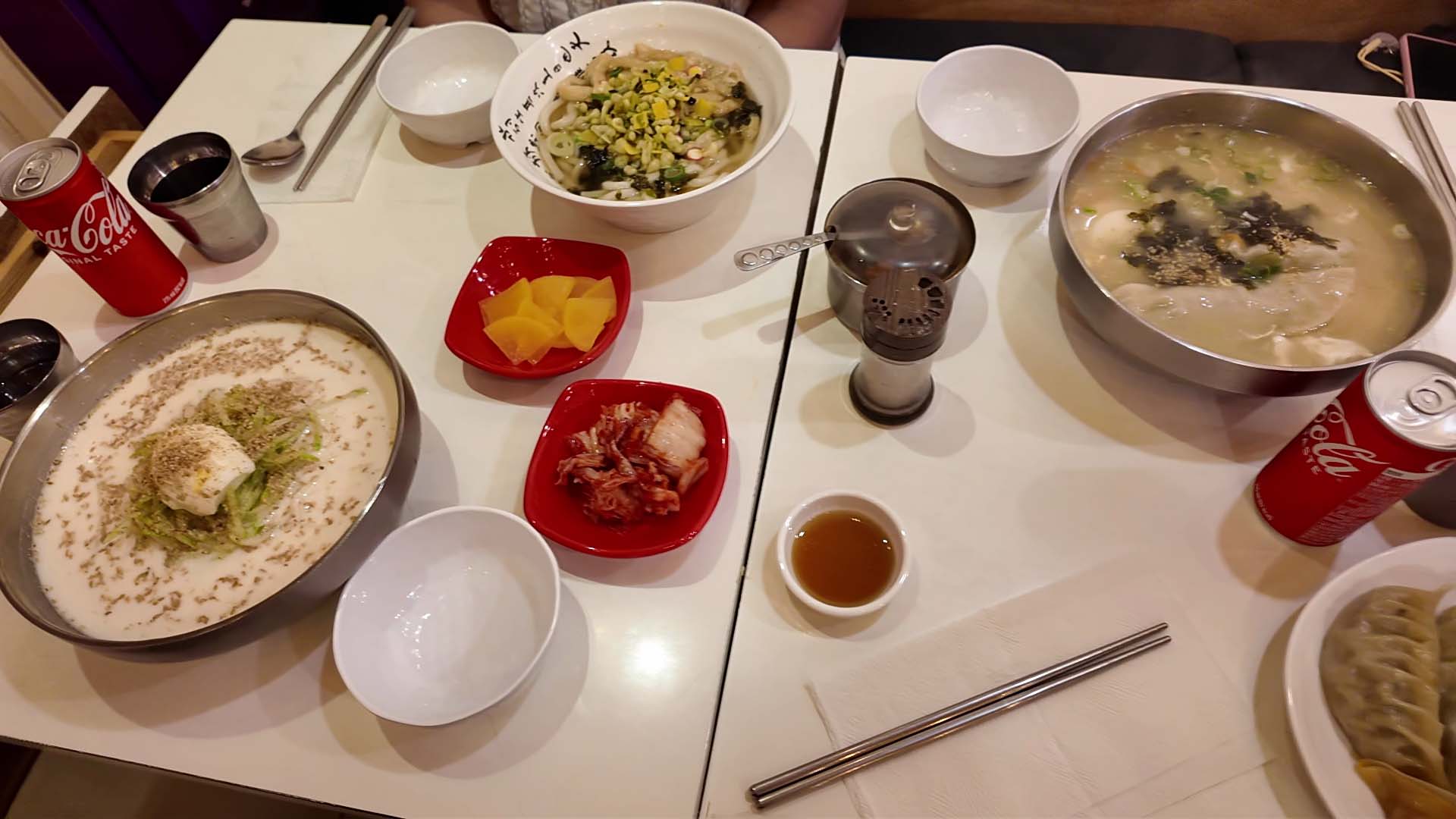
For lunch, follow the scent of K-style fried chicken, skewered tteokbokki, or ramyeon wafting from the hole-in-the-wall restos.
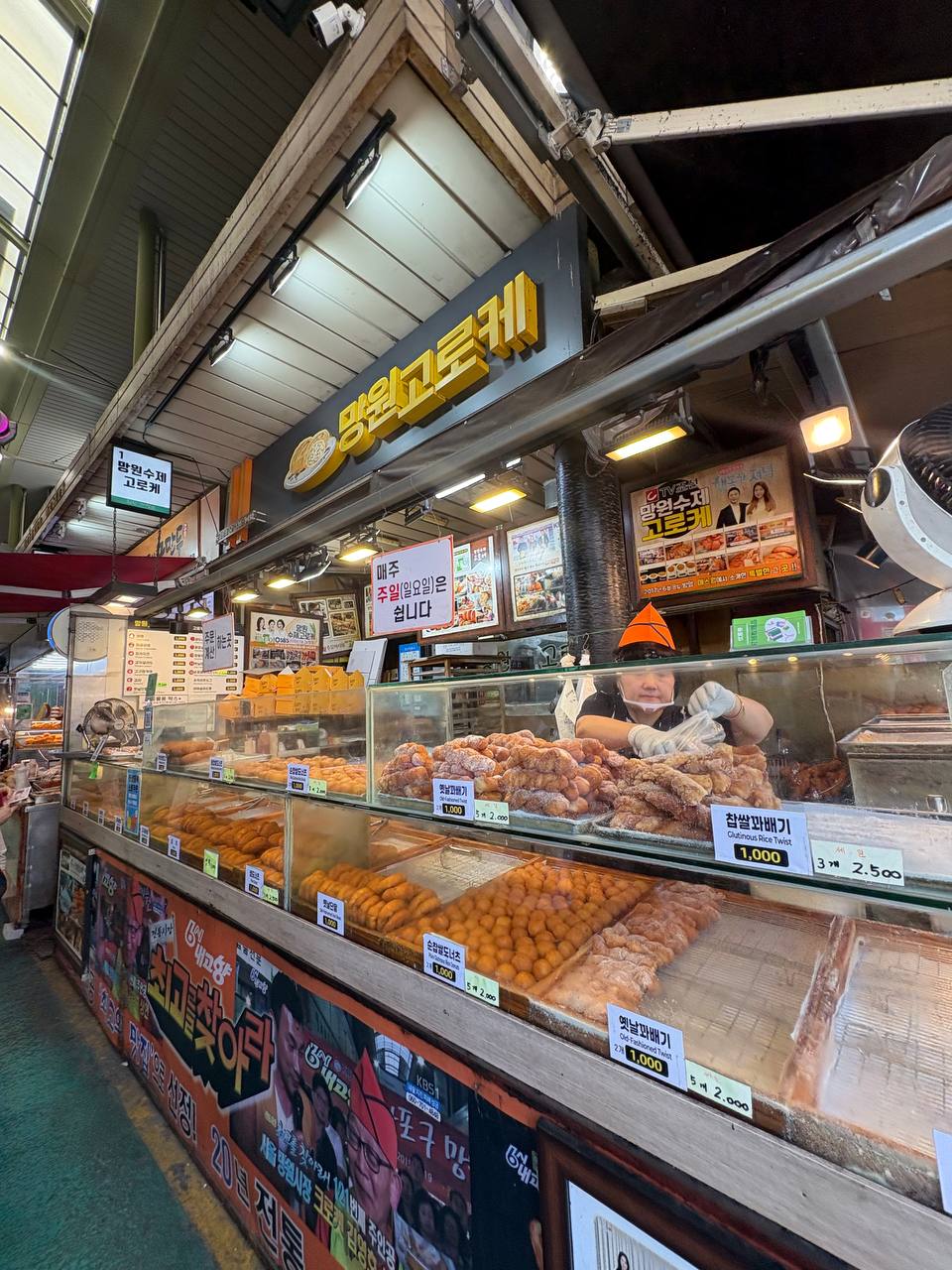
For merienda, give in to a little sizzling hotteok (pancakes), ppangppang (red bean bread), and fresh fruits selling itself from the humble stands. Speaking of desserts, what easily stands out is the corner store selling old-fashioned twist bread for only KRW 1,000 (~P40)!
GETTING THERE: Take Subway Line 6 to Mangwon Station. Leave the station via Exit 2. Walk straight until you see the market entrance.
PRO TIP: Indulge in your glow-up, here, too—OFF BEAUTY, a skincare warehouse store fast becoming popular among Koreans for its discounted items, has a branch at Mangwon. You may use your GoTyme Bank card here to take advantage of its 1% forex fee.
Yeonnamdong
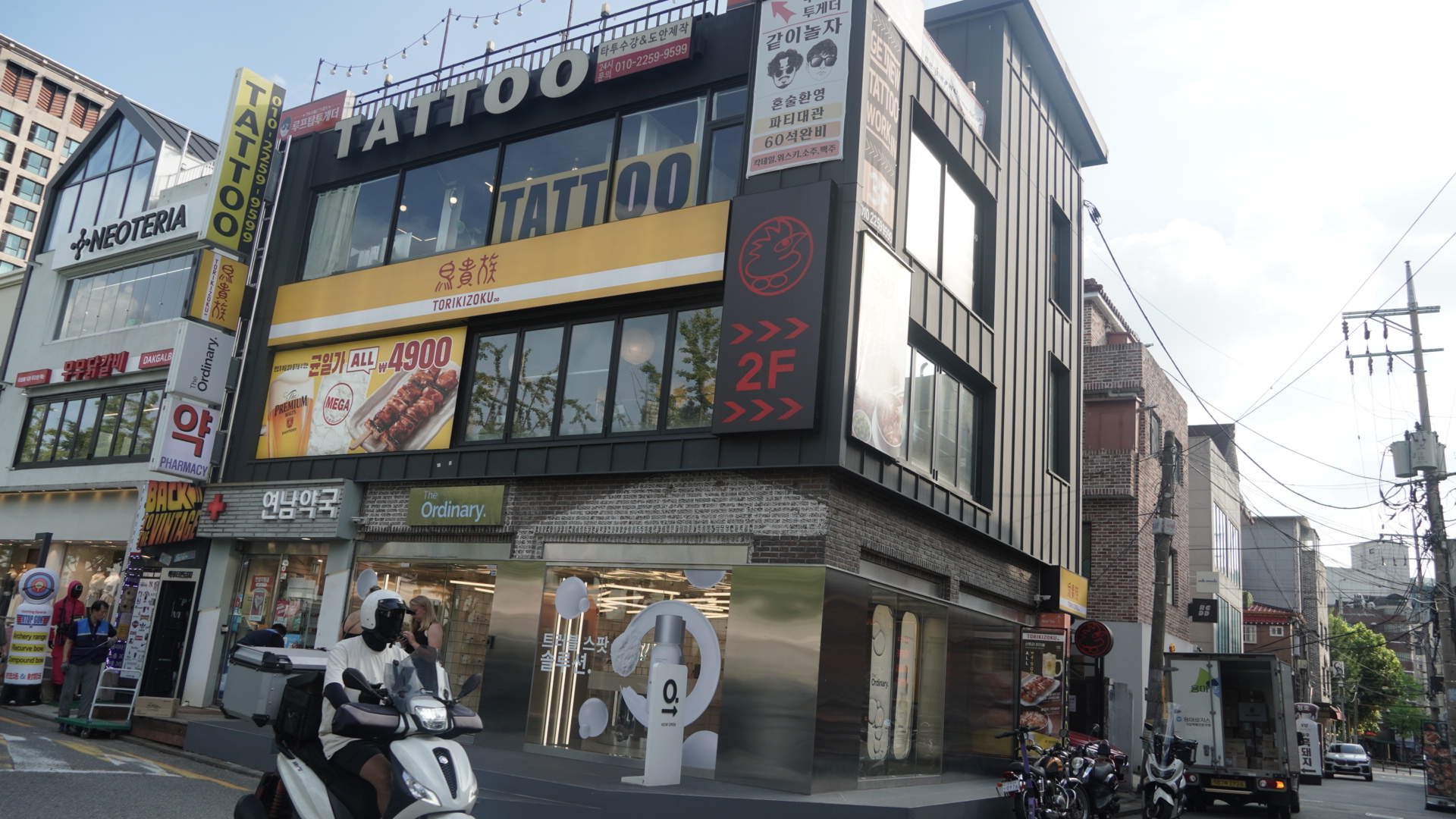
Perhaps it’s Hongdae’s collegiate vibe that has spilled over to this nearby neighborhood, now famed for its trendy, eclectic food offerings and overall youthful flavor.
Yeonnamdong, Mapo-gu these days brims with artisanal cafes and soulful wine bars housed in quirky corners and low-rise converted buildings. Yet, as a playful contrast, the neighborhood still boasts of authentically Korean dishes like noodles and chicken and beer, just in case you suddenly crave comfort food.
The cherry on top is that you can even walk off the calories at the Gyeongui Line Forest, a park on top of an old railway cutting through the neighborhood, right next to the dining spots.
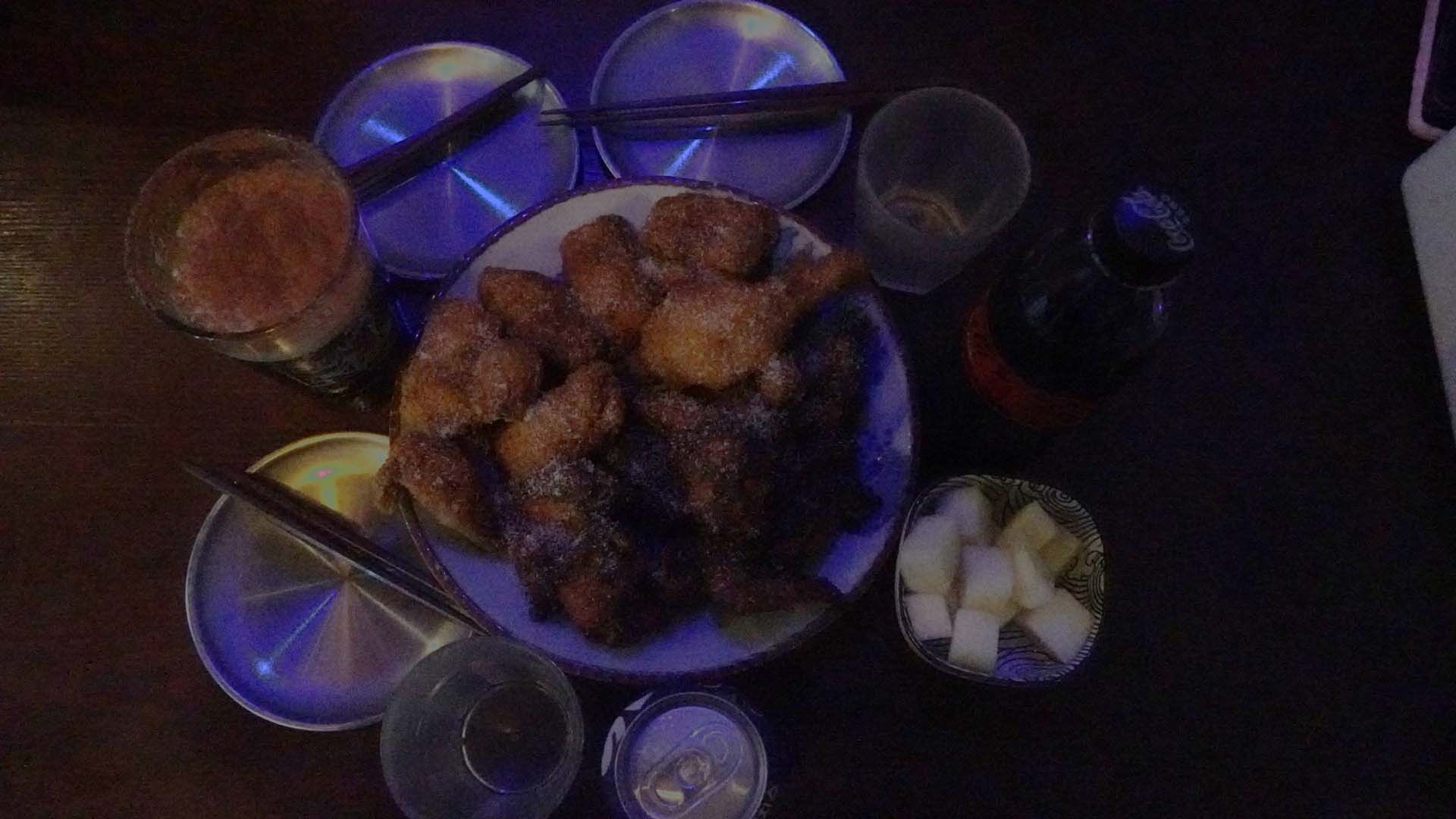
GETTING THERE: Take Subway Line 2 to Hongik University Station. Leave the station via Exit 3. Walk straight and cross into the Gyeongui Line Forest Park, then continue until you enter the Yeonnam-dong area.
PRO TIP: Relish a good time at Chicken Rock, one hip resto known for pairing its chicken with a cinnamon-topped Kozel dark beer. FYI, here, famed for its artsy-fartsy furniture and quirky cook-owner whose face is on some merch, was one of the locations of the Korean BL series To My Star!
***
Disclaimer: The trip was made possible through the support of our partners GoTyme Bank, Korean Air, and Conrad Seoul.
To let you start experiencing beautiful travels and banking, use this special referral code: GOTYMEPHILSTAR. It will give you 50 Go Rewards points when you sign up for a GoTyme Bank account and make your first physical debit card purchase of at least P50.
Planning your next Asian trip? Read the full Travel Guide series for Hong Kong, Singapore, and Tokyo now.
Check out also the Korean travel guide, which has other parts covering where to eat, go, and what to do.

WATCH: Can you still trust someone who betrayed you? (Generations Ep. 22)
September 23, 2026
WATCH: Why is it so hard to make friends? (Generations Ep. 26)
October 21, 2026
WATCH: How to experience Bangkok and Kanchanaburi in one trip
October 21, 2026