

At 50-something, I finally understood the magic of BTS
I used to wonder why BTS fans would travel from city to city—and sometimes country to country—to watch the same concert more than once.
Surely, I thought, one concert would be enough.
Then I saw BTS live.
By the end of my first concert, I finally understood. And after seeing them four times—twice in Las Vegas and twice in Los Angeles—I still wanted another.
The year 2026 marked an extraordinary new chapter for BTS and Army around the world. Following the members’ completion of their mandatory military service, the group returned with a new album and the highly anticipated "Arirang World Tour."
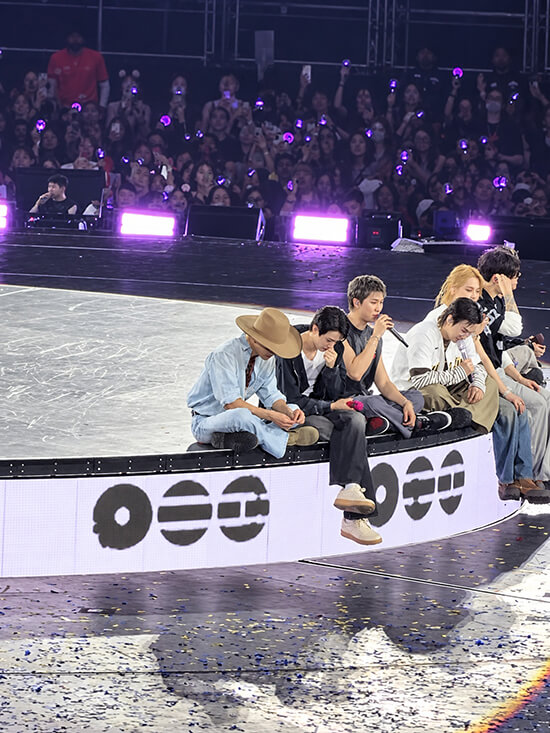

Getting tickets was a battle in itself. Calling it competitive would be an understatement. For ARMY, it was a bloodbath.
I therefore felt incredibly fortunate to have the opportunity to attend four shows. These were my first BTS concerts, and I arrived at the first one with a mixture of excitement and anxiety because I had absolutely no idea what to expect.
In my 50s, I have never really been a concertgoer. I have always been more interested in musical theater. So perhaps nothing prepared me for the sheer scale—and emotion—of seeing BTS live.
From the moment the concert began, it was a sensory experience on an entirely different level.
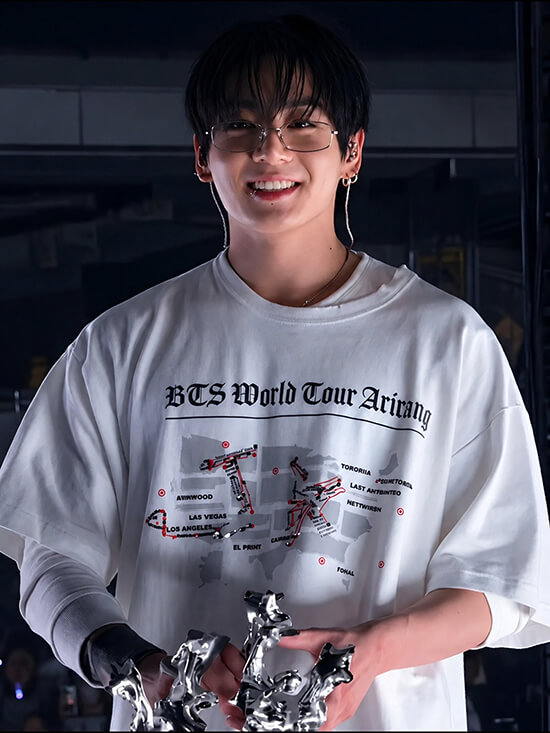
The music. The choreography. The massive staging. The lighting and visuals. The costumes. The precision of the production. And, of course, seven performers who seemed capable of commanding an enormous stadium while somehow making the experience feel personal.
Nothing about a BTS concert feels ordinary.
Even their stage fashion is part of the spectacle, with the members appearing in looks from major fashion houses and brands associated with their individual global profiles. But however impressive the clothes, sets and special effects may be, eventually your eyes return to the seven people at the center of it all.
RM. Jin. Suga. J-Hope. Jimin. V. Jung Kook
Every Army may have a bias—and perhaps a bias wrecker who regularly tests that loyalty—but seeing the seven together made me appreciate why OT7 means so much to the fandom.
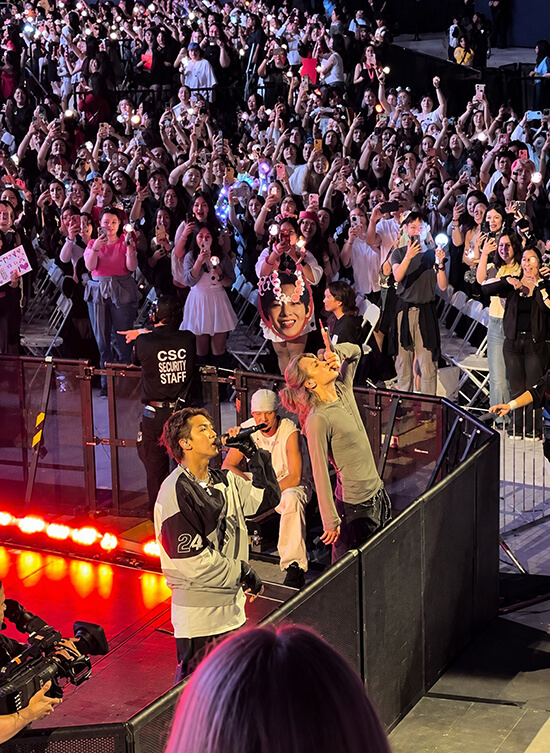
RM brings an unmistakable intelligence, thoughtfulness and leadership. Jin combines his voice and stage presence with a humor and warmth that immediately disarms you. Suga can appear quiet and understated, only to become almost ferocious when he performs. j-hope radiates an energy that seems capable of reaching the farthest seat in the stadium. Jimin moves with a combination of grace, power and magnetism. V possesses that unmistakable voice and presence that make it difficult to look anywhere else. And Jung Kook’s extraordinary versatility makes his reputation as the group’s Golden Maknae easy to understand.
Individually, they are stars.
Together, they are BTS.
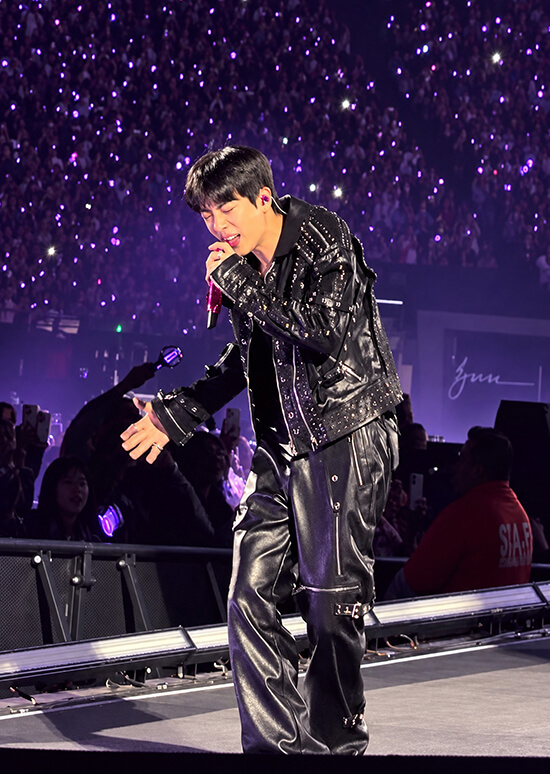
And that distinction becomes remarkably clear when you see them live.
Their chemistry is part of the show without ever feeling like it is merely for the show. One minute they are commanding the stage as global superstars; the next, they are teasing one another, laughing or behaving like seven longtime friends who somehow forgot that tens of thousands of people are watching them.
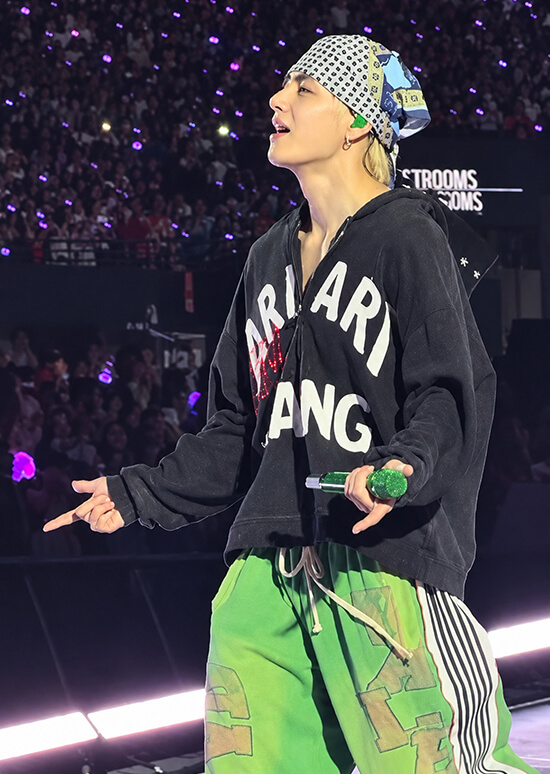
Perhaps that is part of their appeal. They can seem impossibly glamorous and surprisingly ordinary at exactly the same time.
As impressive as BTS is onstage, however, half of the experience is happening in the seats.
It is difficult to describe the sight of an entire stadium filled with ARMY.
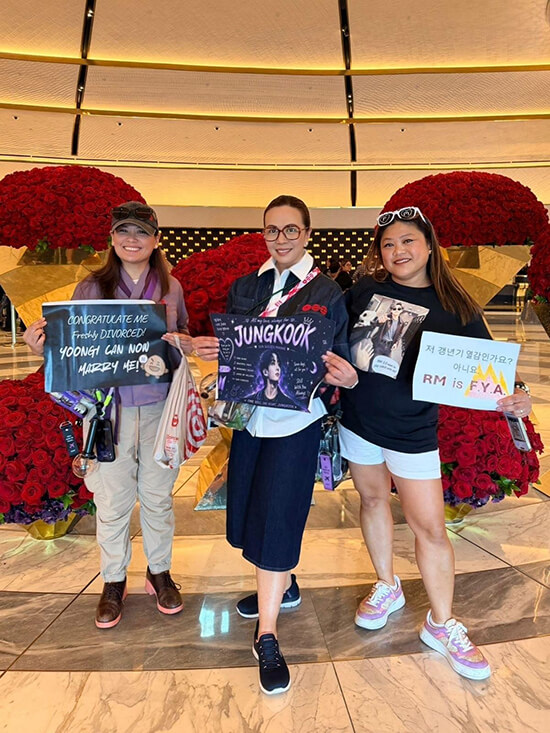
Everywhere I looked, there were fan signs. Some were funny, some clever, some emotional, some dedicated to a particular member and others celebrating all seven.
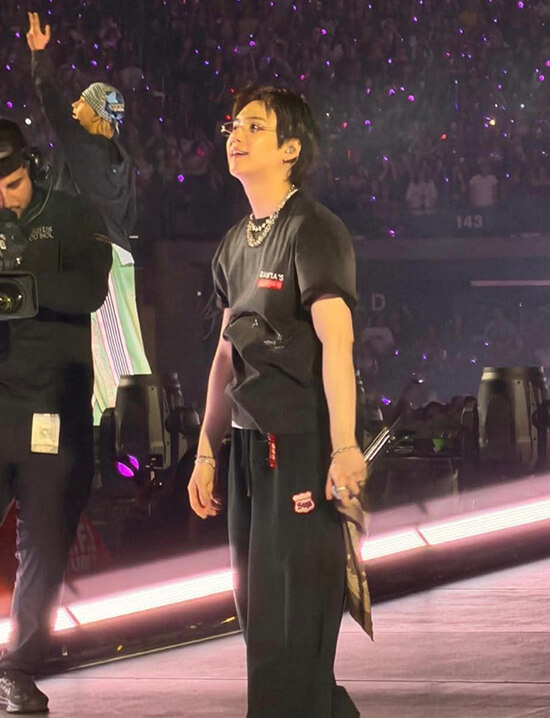
And behind those signs were people of seemingly every age.
Children. Teenagers. Young adults. Parents. Middle-aged fans like me. Older fans. People who had traveled from other cities, states and countries.
Different generations. Different nationalities. Different cultures.
Yet everyone had come for the same seven men.
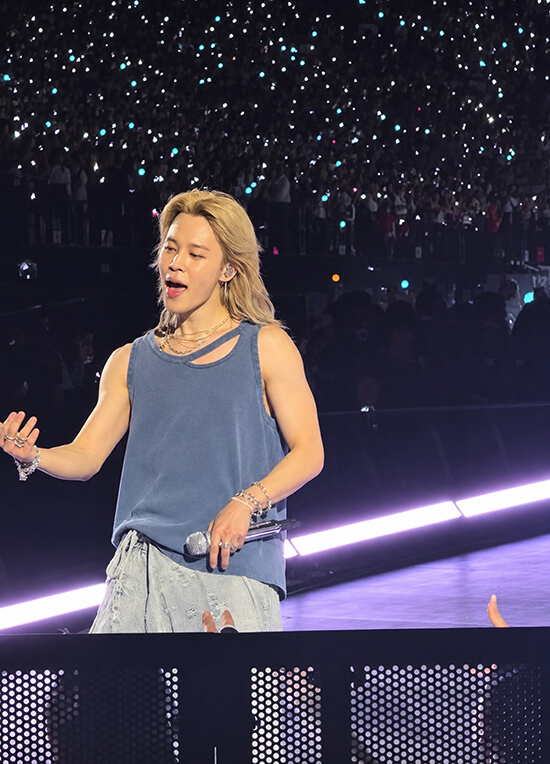
There is something beautiful about watching those differences temporarily disappear. The stranger sitting beside you may be decades younger than you. The person in front of you may have flown thousands of miles to be there. You might not share the same nationality or even speak the same language.
But you already have something in common.
You love BTS.
That sense of community becomes even more powerful when the stadium begins chanting the members’ names: "Kim Namjoon! Kim Seokjin! Min Yoongi! Jung Hoseok! Park Jimin! Kim Taehyung! Jeon Jungkook! BTS!"
Four concerts, seven members and thousands of voices singing in Korean showed me why BTS is more than a global phenomenon — and why one concert was never going to be enough.
Hearing tens of thousands of people shout those names together is something a cellphone recording simply cannot reproduce.
You need to feel it around you.
When Korean becomes a universal language
Perhaps the most extraordinary realization for me came when I listened—not to BTS, but to the audience.
Here we were, inside enormous stadiums in the United States, surrounded by thousands upon thousands of people who were not Korean, singing Korean songs at the top of their lungs.
I looked around and thought: "How amazing is this?"
Many of these people do not speak Korean in their everyday lives. Some may understand the lyrics, while others know their translations or simply understand the emotions behind the songs.
But when the music started, none of that seemed to matter—everyone sang.
For those few hours, Korean almost became a universal language.
That may be one of BTS’s most remarkable cultural achievements. They did not need to abandon their own language for the world to embrace them. Instead, the world learned to sing with them.
Thousands of American and international fans singing Korean lyrics together inside a packed stadium is more than an impressive demonstration of fandom. It is a reminder that music can cross barriers that language sometimes cannot.
Seven global superstars who still feel human
There is another side of BTS that is difficult to explain until you witness it—the contrast between their enormous stage presence and the simplicity of their personalities.
One moment, they are magnetic performers who seem almost larger than life.
The next, they are funny, playful and endearingly themselves.
It is almost like witchery.
Their interactions with Army add another dimension to the experience. Particularly touching are the moments when they notice children or fans with disabilities. Their warmth toward young fans, including children with autism, can make an enormous stadium suddenly feel remarkably intimate.
Those moments stay with you because they cannot be created by pyrotechnics, giant screens or elaborate choreography. They are small flashes of human connection inside a production of extraordinary scale.
And perhaps that is why the relationship between BTS and Army feels so central to the concert rather than merely something surrounding it.
For two hours, i was young again
Every stadium I attended was packed. For practically the entire concert, everyone was on their feet.
Strangely, I never felt tired.
I felt exhilarated.
For two hours, I wasn’t thinking about being a woman in my 50s who normally preferred musical theater to stadium concerts.
I was simply a fangirl.
I was holding my light stick, singing Korean lyrics with thousands of strangers, laughing, screaming, cheering and feeling completely part of something.
For those two hours, I felt young again
And yes, let’s admit it: their stunning visuals certainly don’t make BTS any harder to love.
But after four concerts, I realized that the attraction goes far beyond seven extraordinarily handsome men.
It is the music and the artistry. The precision and scale of the performances. The friendship among the members. Their humor. Their individual personalities. The way they can transform from playful young men into commanding performers the instant the music begins.
And it is Army — the extraordinary community that surrounds them.
Before seeing BTS live, I wondered why fans would spend the money, time and effort to see the same tour repeatedly.
After my first concert, I understood.
After four, I still wanted another.
And somewhere in this story, I also have to thank the person who has patiently allowed me to indulge all these fangirl moments — my husband.
Thank you for understanding that sometimes your wife simply needs to fly off, wave an Army Bomb, sing Korean songs at the top of her lungs and temporarily forget that she is in her 50s. Thank you for giving me the freedom to enjoy something that brings me so much happiness and for letting me embrace this slightly unexpected chapter of my life.
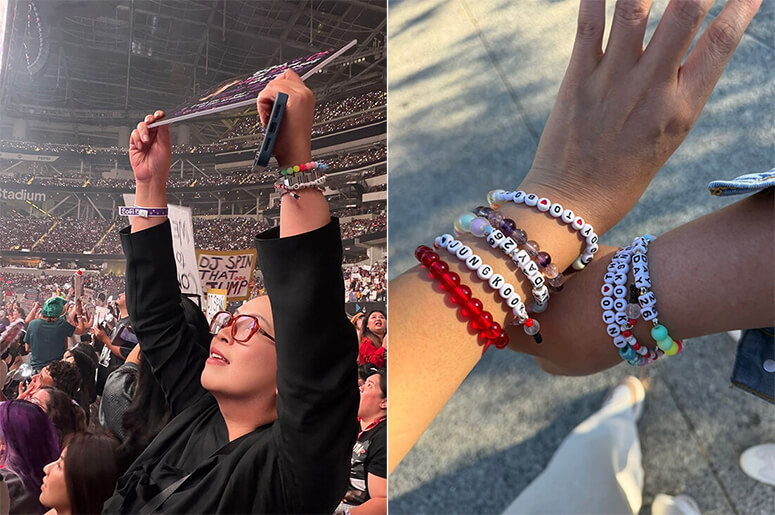
Although, perhaps he should consider this fair warning:
This will definitely not be the last.
Because now that I finally understand why Army travels from city to city and country to country, I am already looking forward to the BTS world tours still to come.
Maybe that is the real magic of BTS.
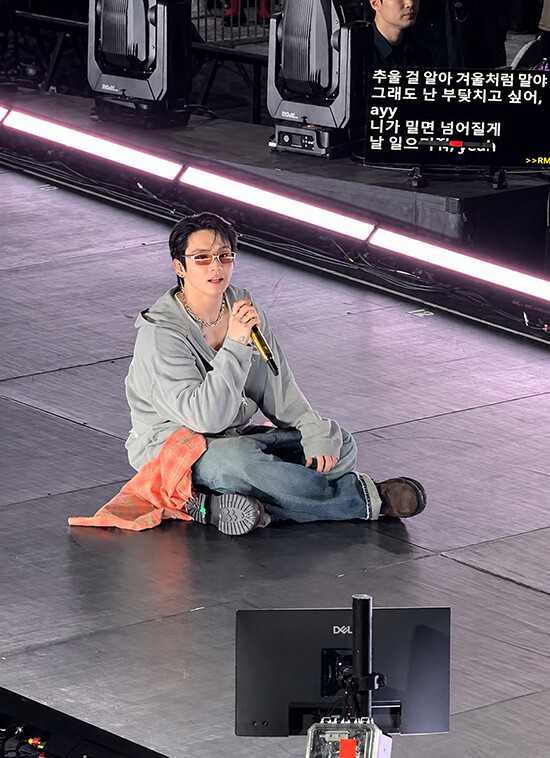
For a few precious hours, Namjoon, Seokjin, Yoongi, Hoseok, Jimin, Taehyung and Jungkook can make an enormous stadium feel intimate. They can make thousands of strangers feel like family. They can make Korean lyrics feel like a universal language.
And somehow, they can make a woman in her 50s feel wonderfully young again.
Different ages. Different languages. Seven members. One army. One love for BTS
I went to my first BTS concert expecting to satisfy a fangirl moment.
Four concerts later, I realized something else: Once you experience BTS live, perhaps there is no such thing as “just one more.”
And to my husband—consider yourself officially warned. The next world tour is already calling.

WATCH: Is OPM still as good as it used to be? (Generations Ep. 20)
September 9, 2026
WATCH: Is Philippine cinema still thriving? (Generations Ep. 19)
September 2, 2026
WATCH: Can you still trust someone who betrayed you? (Generations Ep. 22)
September 23, 2026