

How BTS helps shape fashion trends through what they choose to wear
When BTS (Bangtan Sonyeondan or Bulletproof Boy Scouts in English) debuted back in 2013, little did they know that they would forever change the landscape of the Korean entertainment industry. Over the next 12 years, the group would gain a massive following worldwide, connecting with their ARMYs (their global fanbase which stands for Adorable Representative M.C. for Youth) through their music despite the language barrier, uniting different generations of followers, pushing against status and gender norms, and, while doing so, also becoming some of the best-dressed artists in the industry.
Hailing from different parts of Korea, the band is made up of seven members, the eldest, Kim Seokjin (Jin), followed by Min Yoongi (Suga), Jung Hoseok (J-Hope), Kim Namjoon (RM), Park Jimin (Jimin), Kim Taehyung (V), and the youngest, Jeon Jungkook (JK).
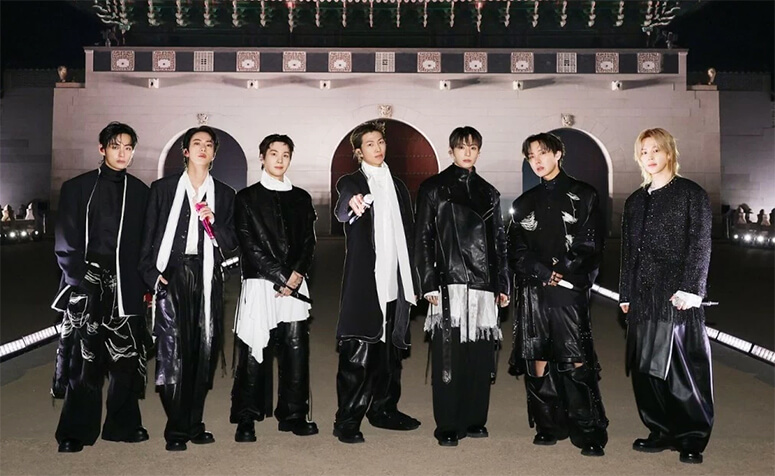
When the group first debuted in 2013, they weren't exactly known for their fashion, even garnering a few odd looks and skepticism from industry insiders. At the time, they leaned heavily into the rebellious aesthetic, with intense black eyeliner and heavy accessories. However, BTS have continuously evolved over time, adopting different looks as they launched new albums, and even started trends along the way, such as wearing gender-fluid clothing and jewelry, normalizing men wearing makeup, even sporting women’s-style handbags to go along with their ‘fits.
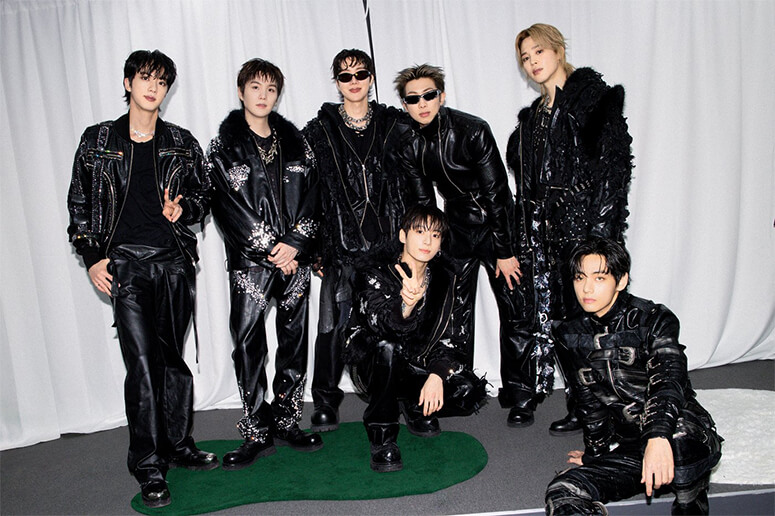
Since the group carried out most of their activities in Korean, their visual identity became one of their strongest points—it was how they would communicate with their fans—not just as a fashion statement but a core part of their identity.
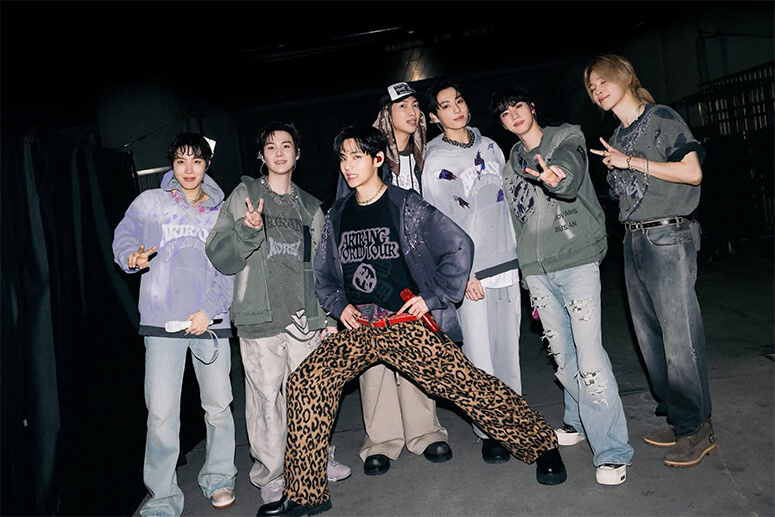
In their early debut days, there was an obvious and strong influence from hip-hop in both their music and style. From oversized jerseys, bandanas and chains, to soft, romantic looks, to retro flair and tailored suiting later on, with various accessories and switching hair colors to match—the group has pretty much tried every look possible, and with each change, they would never forgo their roots, by incorporating Korean elements into their costumes, and supporting Korean designers.
2.0: A mix of old with new
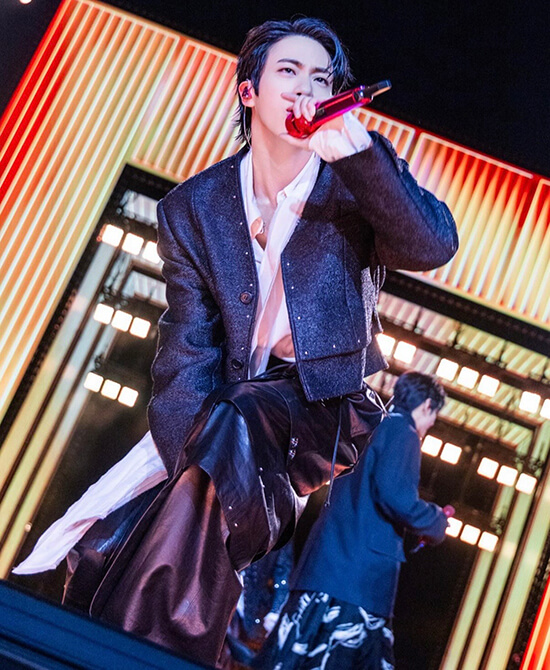
For their much-awaited comeback, which was live-streamed on Netflix worldwide, the group wore “Lyrical Armor” by Korean fashion house Songzio, weaving their new album “Arirang”—named after a 600-year-old Korean folk song—with a striking display of modern Korean fashion at their concert in Gwanghwamun Square. And to kick off their Arirang world tour, designer Juntae Kim was commissioned by the group to create merchandise and costumes for all seven members and 55 performers, interpreting Korean punk looks in leather and incorporating elements of the hanbok and Taegeukgi (the Korean national flag), with each member's outfit paying homage to a previous era, but now more refined.
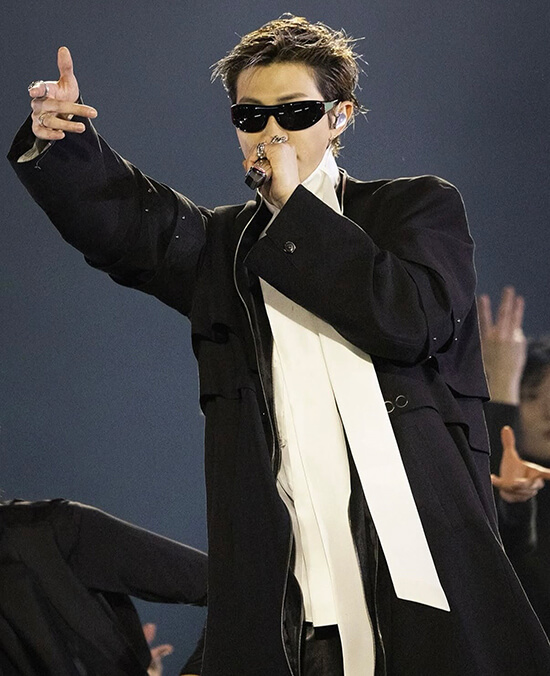

As their music has won fans, their fashion has caught attention as well. BTS’ members are—collectively and individually—among the world’s most bankable style stars. This style evolution has accompanied an overall shift in the group’s image, one that’s seen its members transform from the questionable fits of earlier years, to be replaced by more mature, sharp tailoring and a muted color palette.
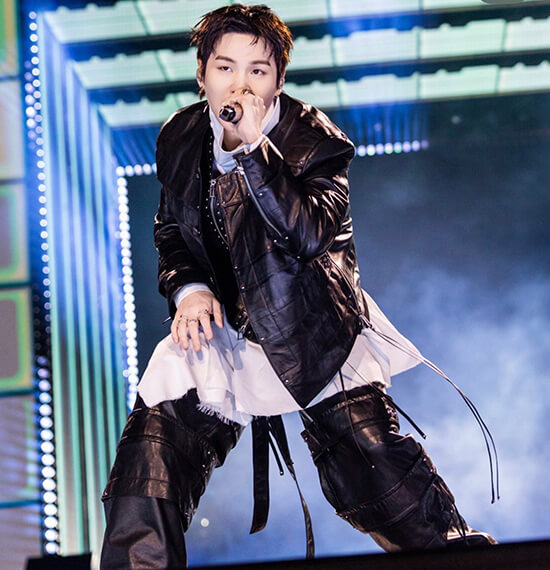
Nowhere is this more evident than on the red carpet. They slowly mastered the art of complementary, while not identical, ensemble dressing.
Various luxury brands have eagerly dressed them and snatched them up for brand partnerships. J-Hope is a global brand ambassador for Audemars Piguet and Louis Vuitton, and even designed a pink suede sneaker in collaboration with the brand, called the LV Buttersoft. Suga endorses Valentino while the group’s leader, RM, is a brand ambassador for Bottega Veneta. Jimin has partnerships with Dior and Tiffany, and V took on the role of Cartier and Celine’s global brand ambassador. Jin inked deals with Fred Jewelry, Gucci, and Alo Yoga, while Jungkook endorses Hublot and Calvin Klein.
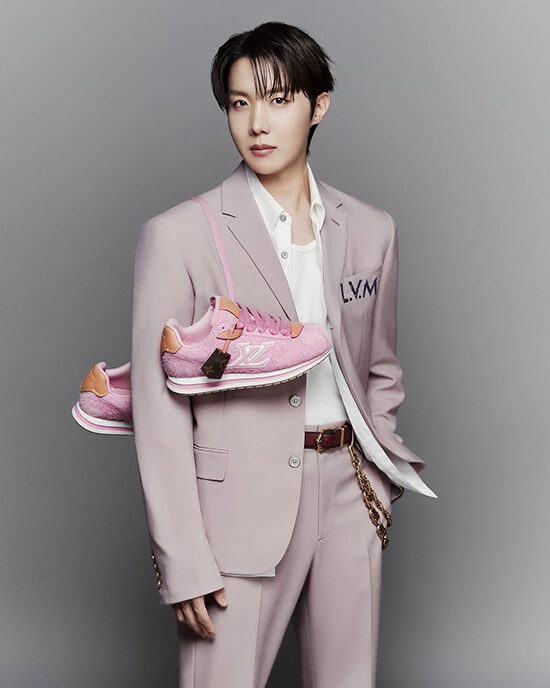
J-hope with the pink LV Buttersoft sneakers he designed in collaboration with Louis Vuitton
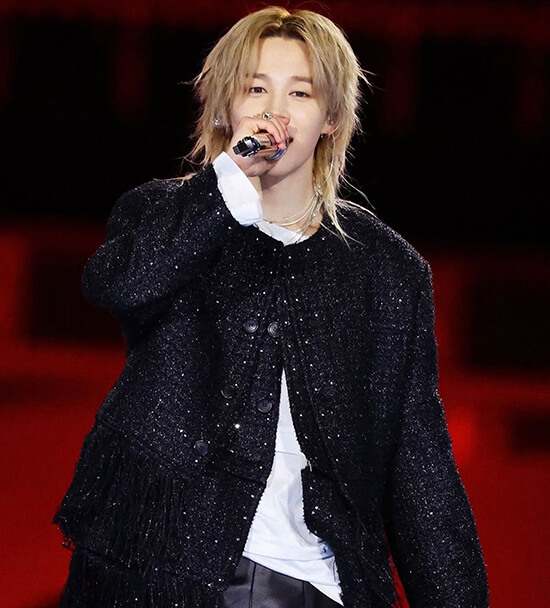
Jimin in hanbok-inspired draping by Songzio
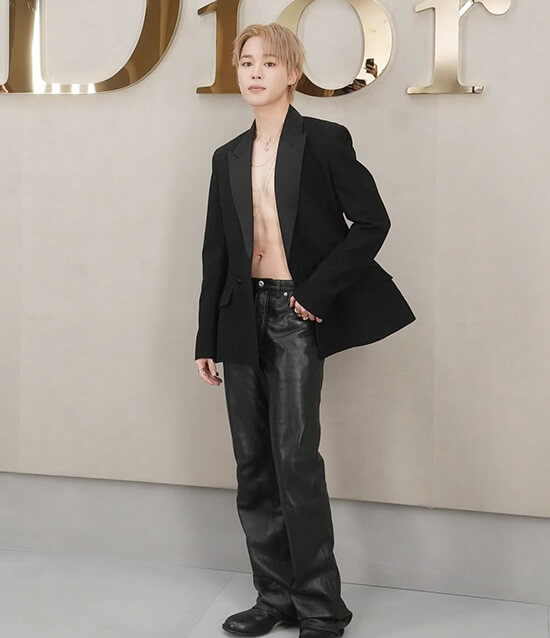
Jimin in a Dior suit at Paris Fashion Week
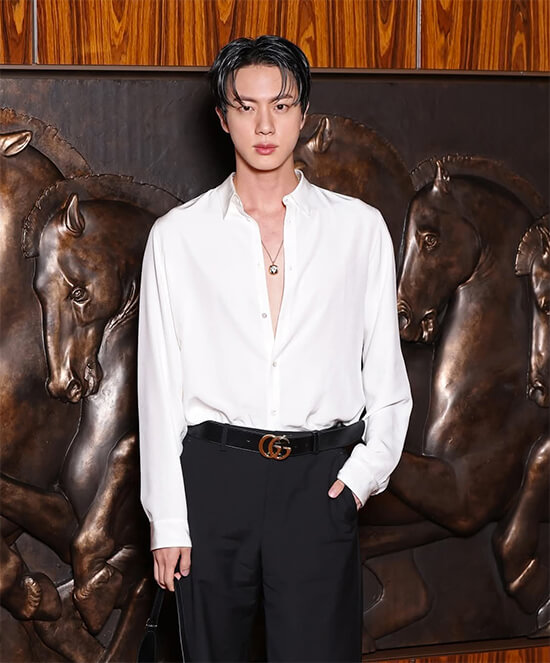
Jin wearing Gucci at Milan Fashion Week
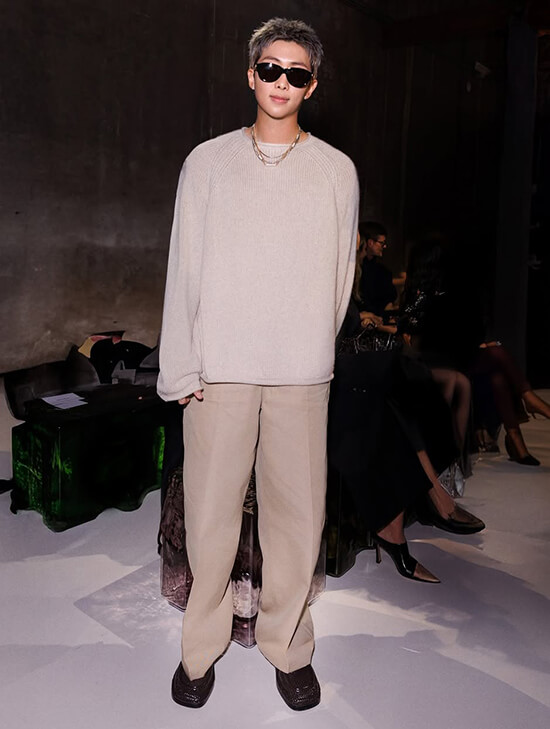
RM wearing Bottega Veneta at Milan Fashion Week
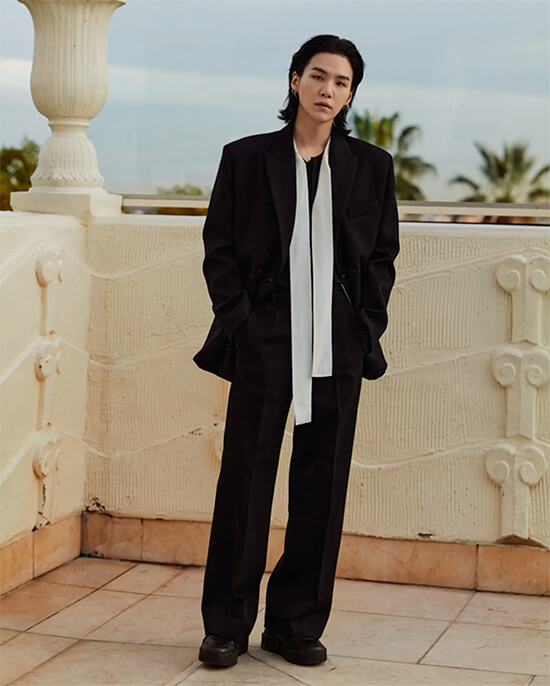
Suga sporting a Valentino suit
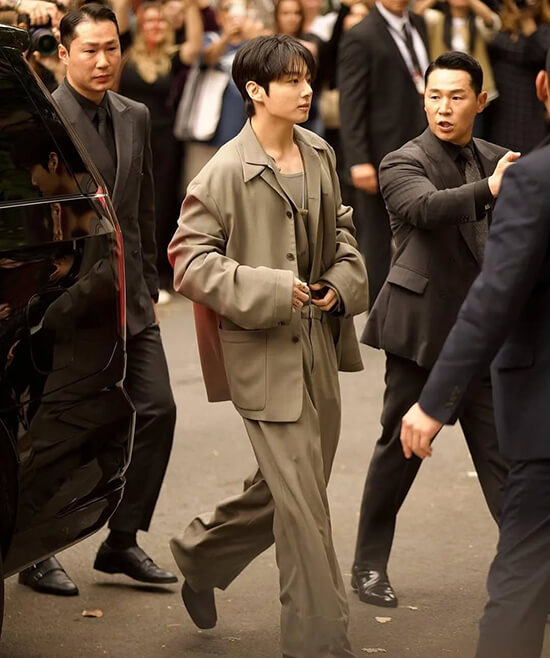
Jungkook in Calvin Klein at NY Fashion Week
J-hope with the pink LV Buttersoft sneakers he designed in collaboration with Louis Vuitton
Jimin in hanbok-inspired draping by Songzio
Jimin in a Dior suit at Paris Fashion Week
Jin wearing Gucci at Milan Fashion Week
RM wearing Bottega Veneta at Milan Fashion Week
Suga sporting a Valentino suit
Jungkook in Calvin Klein at NY Fashion Week
CLOSE
Their appearances at fashion shows and airport terminals generate immediate commercial impact. On social media, various accounts attempt to dissect what each member is wearing every time they are photographed in public, from clothing to shoes and jewelry. According to influencer marketing platform Lefty, the group generated an estimated 56 billion won ($39.3 million) in earned media value during their appearances at the 2026 S/S fashion week season. The figures reaffirm the group’s unparalleled presence in global fashion, proving their influence encompasses music. Luxury houses continue to court members of BTS as cultural icons who bridge music, fashion and digital virality. Their influence reflects a change that style is not only visual but conceptual, a kind of storytelling that shapes commerce, and that musicians can also be a source of trends, and fashion’s source of reinvention.

WATCH: Pixar Summer Fest adventure at Hong Kong Disneyland
August 10, 2026