

This bride made her own wedding dress with fabric from Kamuning and a veil bought online. Here's how she did it
Nina Morales, 27, and Ferdie Mangahas, 28, knew from their first date in 2022 that they were each other's end game. After three years of dating and being inseparable, Ferdie proposed, and it was the "easiest yes" for Nina.
The couple set their wedding date for six months after the proposal as they didn't want a long engagement. It was a challenge, but they eagerly took it on, especially Nina, a designer, who decided she wanted to make her own wedding gown.
"I really wanted my dress to feel like me, and perhaps the only way to do that was to try designing it myself," she told PhilSTAR L!fe.
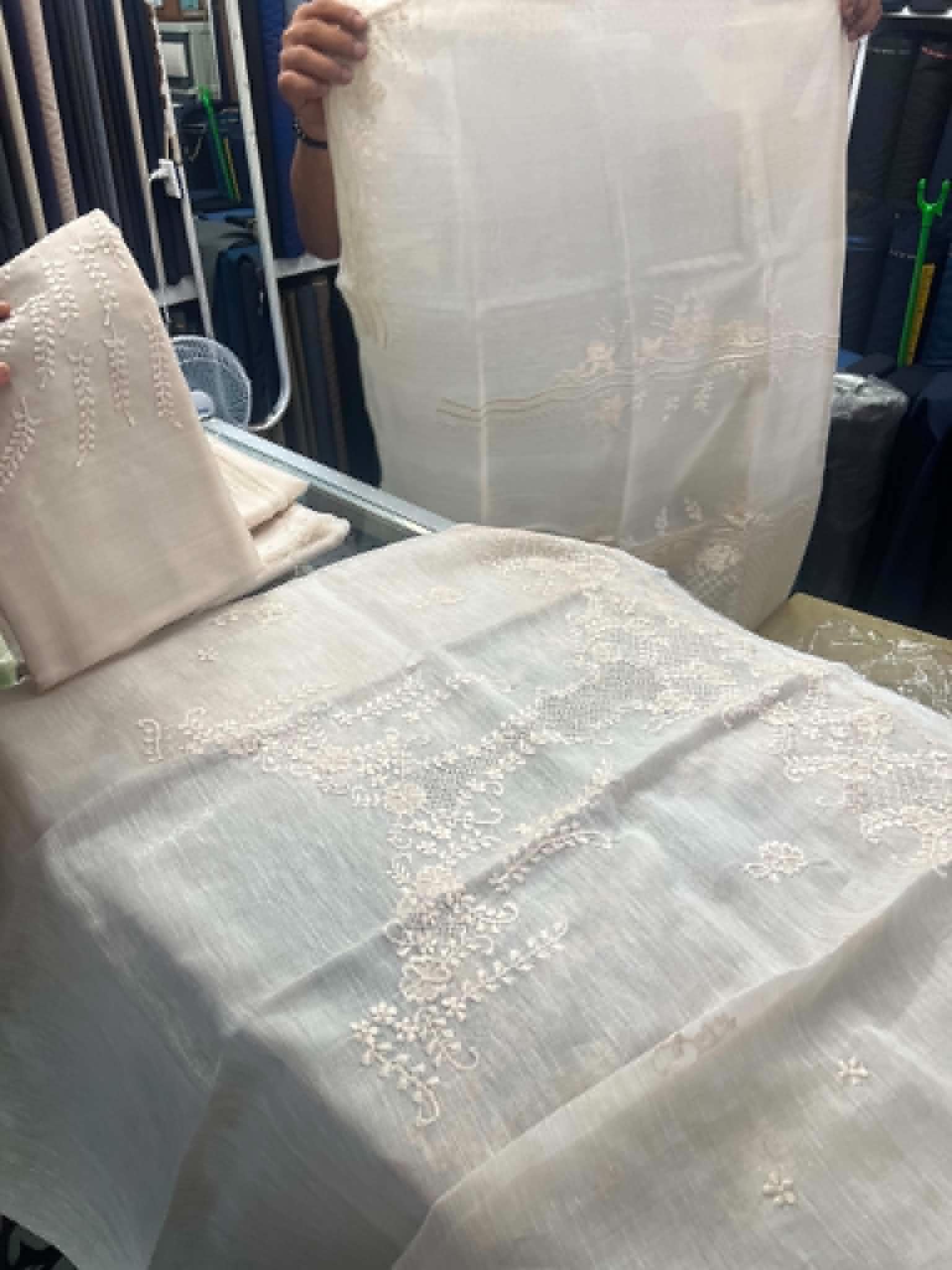
Since she and her sister own homegrown clothing brand Nin and Yang, Nina wasn't jumping in completely blind. Although the brand focused on casual clothing, Nina knew their senior seamstress, Ate MJ, was capable.
"So with her help, we were able to bring my vision to life," Nina told L!fe, saying that it was the first time for her and Ate MJ to produce a wedding dress.
CONTINUE READING BELOW

"When Ferdie proposed, I started conceptualizing right away. But the design came to me when I spotted the fabric for my dress—embroidered piña—[at] the Kamuning Public Market. The embroidery itself inspired the silhouette of my dress," Nina said.
The fabric perfectly fit the Filipiniana wedding theme. On Instagram, Nina shared how she and Ferdie "wanted a fresh take on a Filipino-themed wedding by focusing on elements that aren't often in the spotlight."
"I wanted my dress to reflect that story, too," she said. "Philippine culture is so beautiful. There are so many elements rooted in our traditions that are so interesting, unique, and worthy to be seen and highlighted. As a designer, it's so easy to be inspired by our country's customs and artefacts."
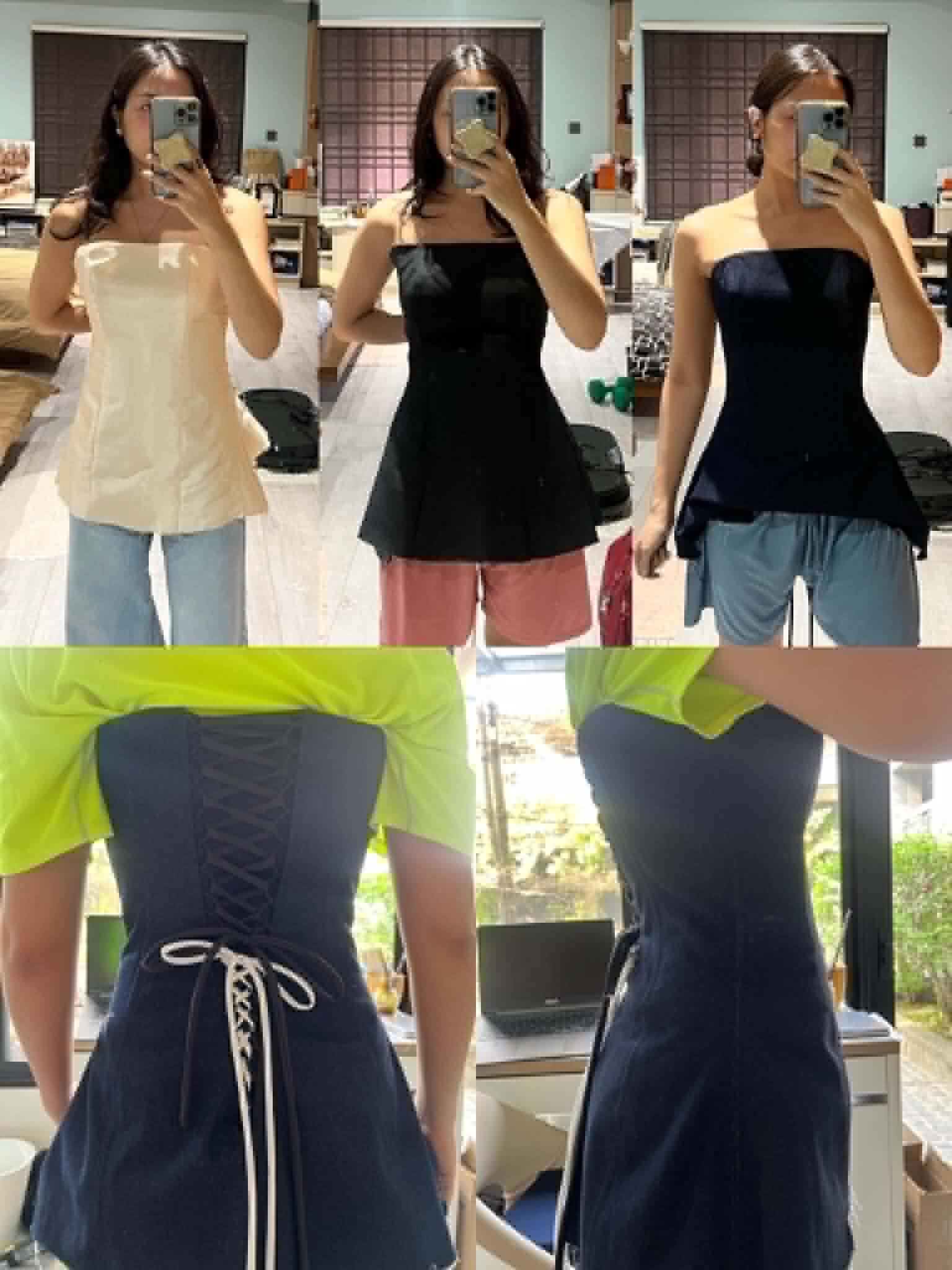
It took her and Ate MJ more than a month to prototype the design using spare fabric from their clothing brand. That was a practical decision as it didn't waste any of the piña fabric, which can be expensive if it's pure handwoven piña. Online, piña fabric can range in price from P50 to P4,500 per yard, depending on the weave and authenticity.
After the prototype was created, executing the strapless dress took around three more months of "constant trial and error."
"We still had a lot of things to learn along the way but we eventually made it work," Nina said. "We definitely had a lot of mistakes and moments where we were just winging it, but we became resourceful."
"We had to overcome hurdles with the fit of the dress and how to get the structure right, but I think we genuinely found the whole process so new and exciting that we were willing to try and try until we succeeded," Nina added.
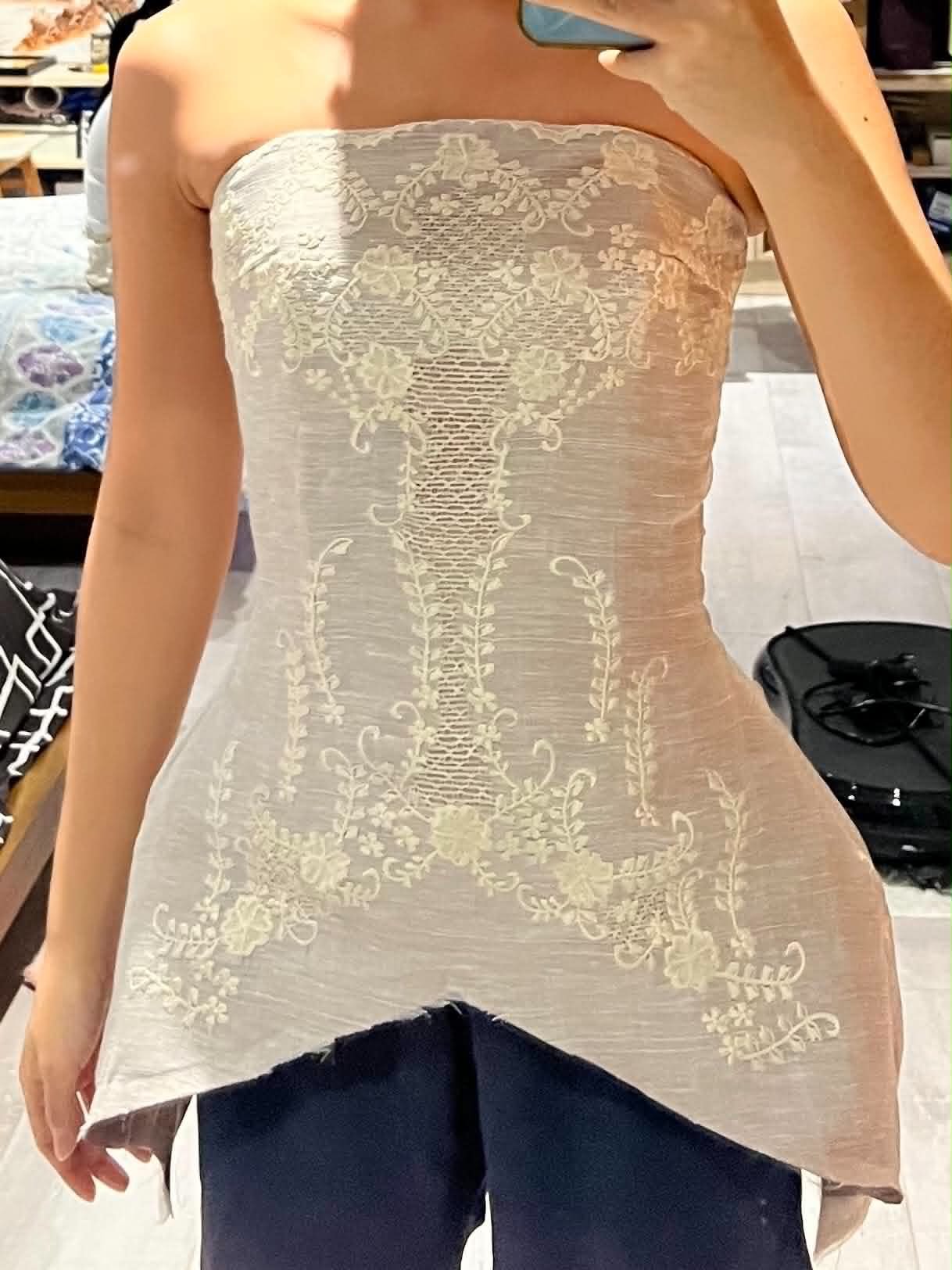
Among the adjustments they had to make along the way was to scrap the full skirt design and instead divide it into ruffles, since the fabric was available only in small sizes. Nina kept most of the embroidered parts for the bodice, and incorporated the rest into the ruffled skirt.
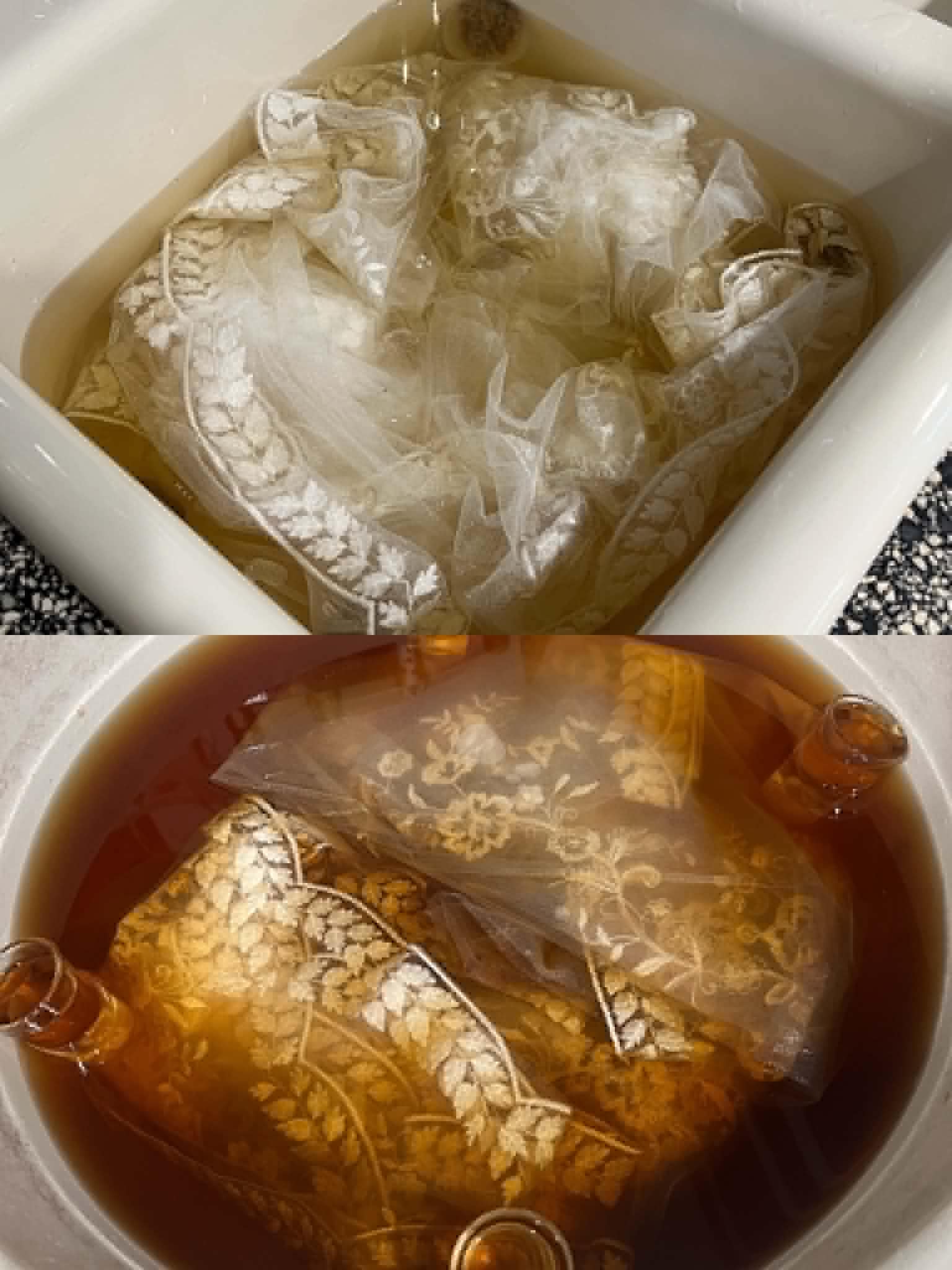
Then came the veil, which Nina bought from Shopee. It arrived "stark white" so she had to make some adjustments to match her dress. First, she dyed the veil in a mixture of coffee and chamomile tea to tone down the white, then used hibiscus tea to "add red undertones and balance out the warmth of the previous dye."
Topping off Nina's Filipiniana look was a bouquet of sampaguita flowers, "whose name is believed to be derived from the Filipino phrase, 'sumpa kita,' meaning, 'I promise you,'" Nina wrote on Instagram.
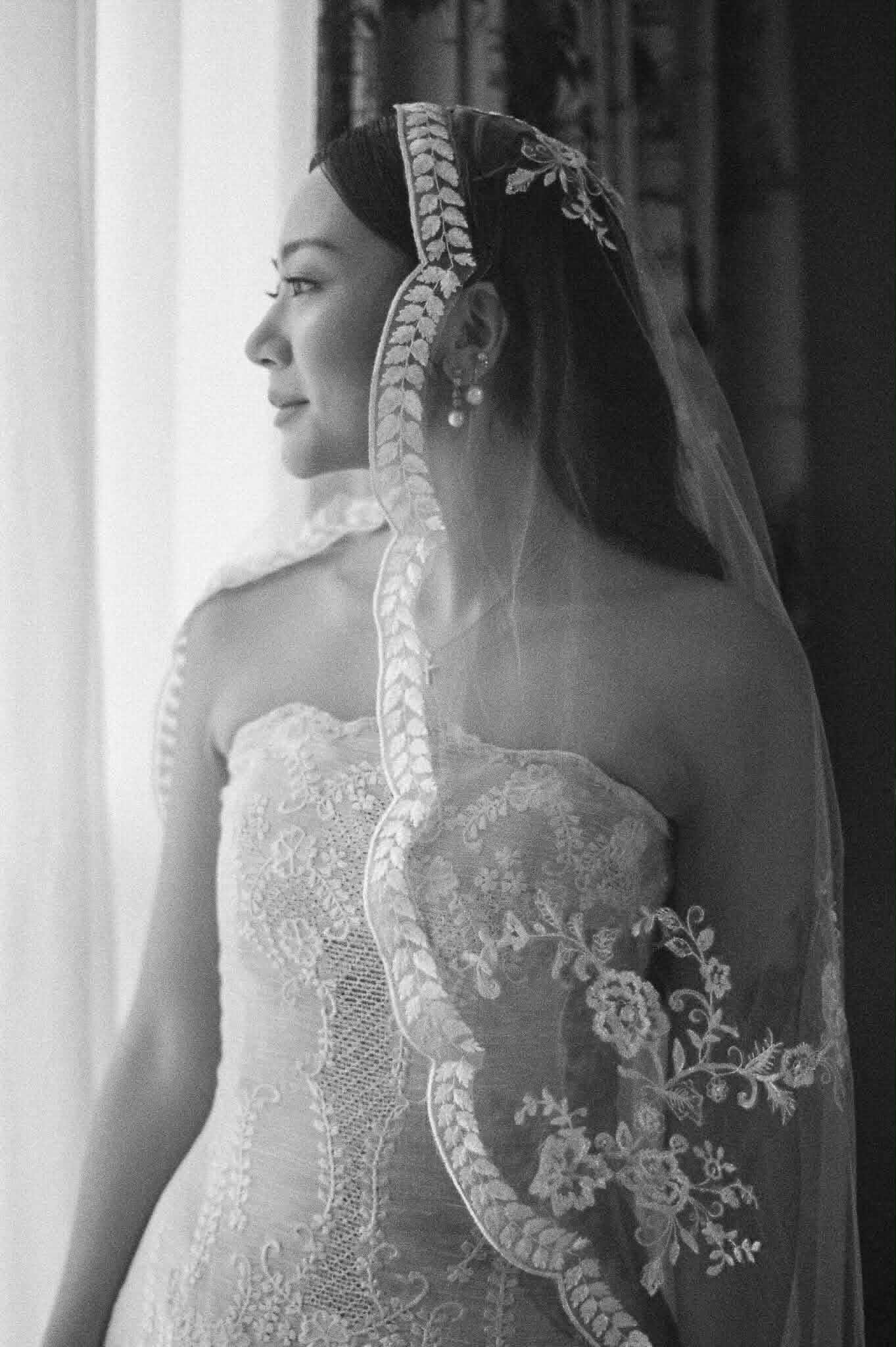
All in all, Nina spent less than P40,000 on her whole look, with the piña fabric being the biggest expense.
Ferdie also had an active role in his own barong.
"He's half-Chinese, so he wanted it to reflect both his Filipino and Chinese roots," Nina told L!fe. "Hence, the Chinese collar and unique button placement...The embroidery on his barong also contains our monogram."
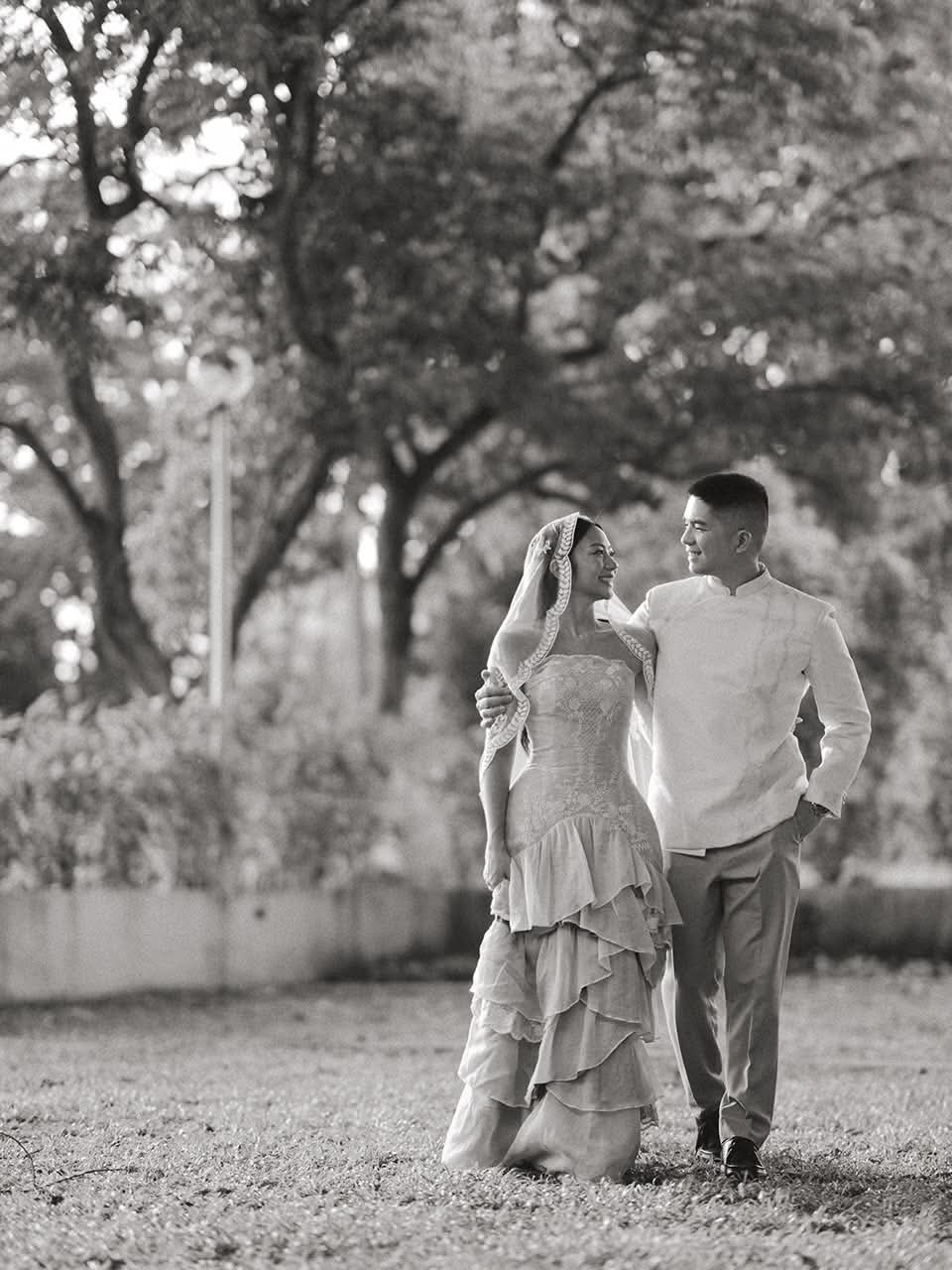
Although it's been two weeks since their wedding, and Nina and Ferdie have begun settling into their new life, her dress remains a Filipino icon of DIY wedding creativity.
"I love that it is mine. I love that it’s one of a kind, that it’s truly a product of my own time and work, that I am the only one who gets to wear a dress like that. I love that it’s made out of piña. I am in love with its embroidery. Above all, I love that it’s undeniably Filipino," Nina said.

WATCH: Is Gen Z too soft? (Generations Ep. 23)
September 30, 2026
WATCH: Discovering Vietnam in three days
June 9, 2026