

The glamour and ease of 1970s hairstyles
Coco Banana was a 1970s disco that was inclusive and diverse, way before those words became buzzwords. Well, not exactly that inclusive because the proprietor, Ernest Santiago, aka “Tarurit” for taray or feisty and sharp-tongued, was the strictest door bitch who separated the chic from the tacky, and would make his verdict known with an arched brow of approval or dismissal. You had to be taray, or fiercely stylish yourself, to make it through his velvet ropes.
Naturally, every night was a virtual fashion show to see the latest creations of fashion designers and, lest we forget, the latest hairstyles to complete the look. And if you wanted the most au courant, it had to be Budjiwara, the salon of Budji Layug who brought the latest styles from London’s Vidal Sassoon where he studied. He was such a byword that Hot Dog’s famous OPM song goes “Lahat ay nagulat nang buksan ang pinto, sayaw ng mga tao’y biglang nahinto. Buhok mo’y Budji, talampaka’y Gucci!”
Just like the fashion of that decade, many of the hairstyles have become classics reappearing on the runways and being rediscovered by the new generation: Feathered layers made famous by Farah Fawcett of Charlie’s Angels fame, shag cuts of Jane Fonda, the fringe bangs of Jane Birkin, voluminous curls of Diana Ross, the effortlessly long straight hair of Cher.
What makes them so timeless is their balance between glamour and ease. They are polished without appearing rigid, expressive without seeming excessive, and stylish without demanding perfection. Hair was meant to flow, bounce, and frame the face rather than remain stiff with the hairspray of previous decades. In an age of effortless elegance and where individuality is prized over conformity, these qualities feel more relevant than ever.
Half-up beehive
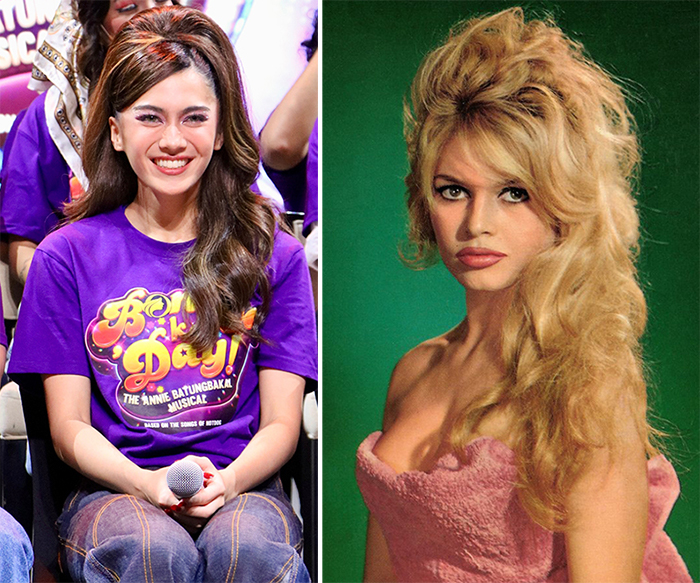
The beehive from the ’60s deflated and became softer, more relaxed, paired with flowing lengths the way Brigitte Bardot did it. Atasha Muhlach, who will play the title role in the upcoming musical Bongga Ka ‘Day: The Annie Batungbakal Musical, sported an updated version at a recent preview of the show.
Feathered layers
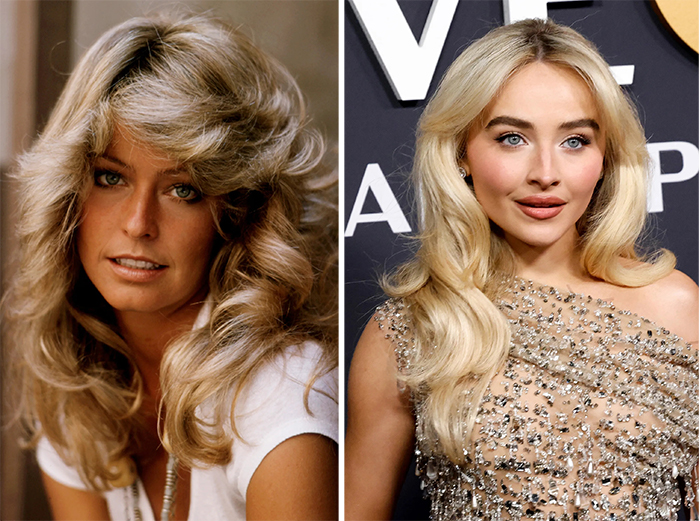
Perhaps no hairstyle captures 1970s optimism more than Farah Fawcett’s feathered layers. Once considered the ultimate symbol of Hollywood glamour, they have returned in updated forms that blend volume with softness. A variation is the butterfly cut with short layers on top and long lengths at the back.
The shag
CONTINUE READING BELOW

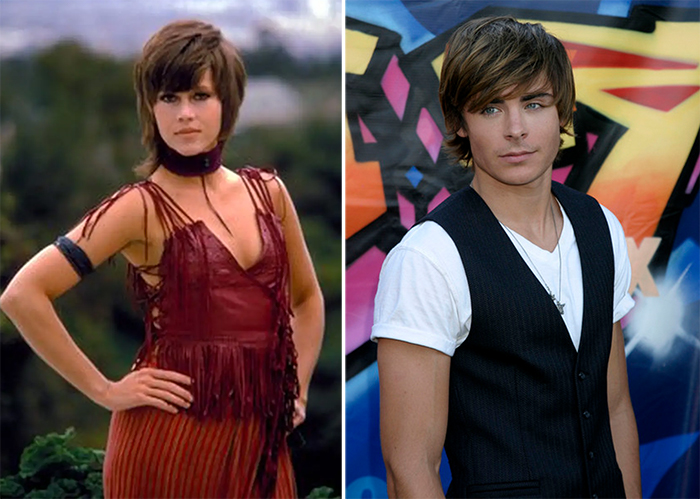
The shag, created by Paul McGregor for Jane Fonda in the 1971 film Klute, is a unisex, no-frills cut of evenly progressing layers with graduated sides and a full fringe. In 2026, it is adapted as a lighter, more blended “soft shag” emphasizing natural hair texture, health and low-maintenance daily styling.
Fringe
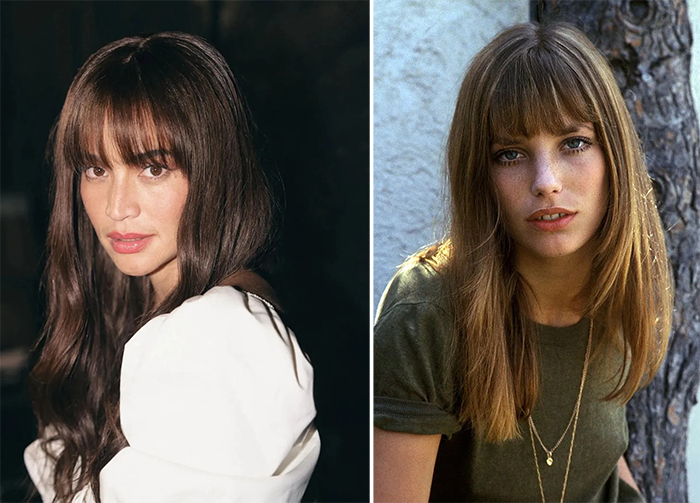
Jane Birkin is the eternal muse for bohos, always a peg at runways for those “Birkin bangs” paired with low-key layering.
Mullet
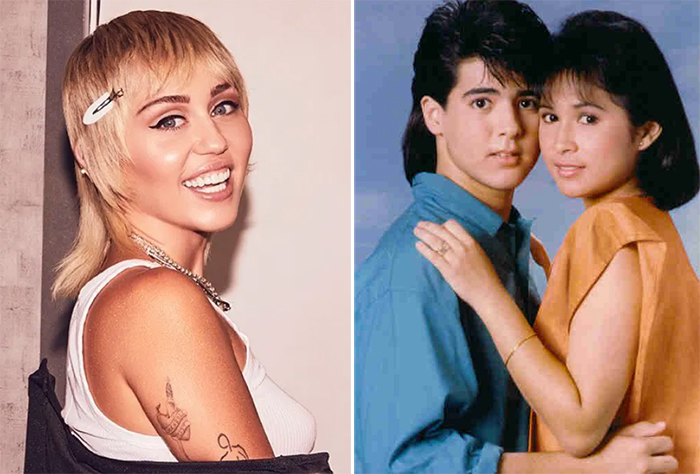
Popularized by rock icons David Bowie and Paul McCartney, this rebel style has short layers at the top and the sides and longer locks at the back. The modern or mini-mullet has soft tapers, clean low fades, and rich textured layers instead of harsh lines.
Disco curls
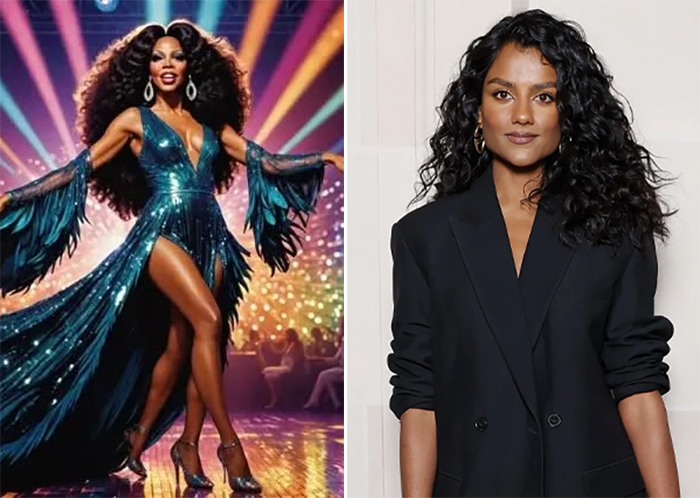
As the disco era took over, textured looks and soft curls emerged, oftentimes voluminous to make grand entrances at the clubs. Donna Summer, the disco diva herself, epitomized this look.
Afro
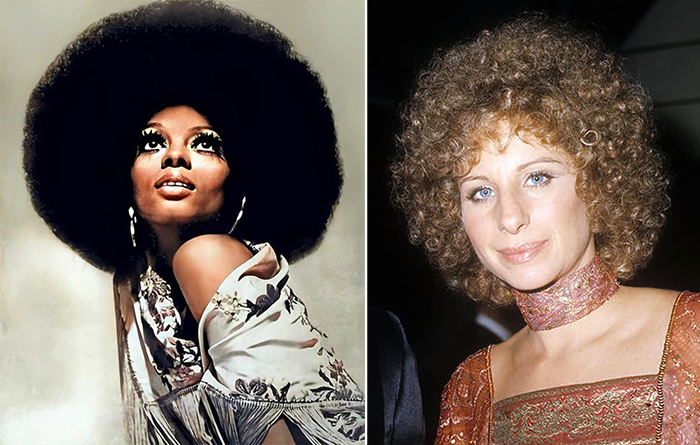
In the ’70s, the afro was as much about being fashionable as it was political, worn by both sexes, mainly by African-Americans and the black community, but even other groups with straight hair adopted it through perms.
Cornrows
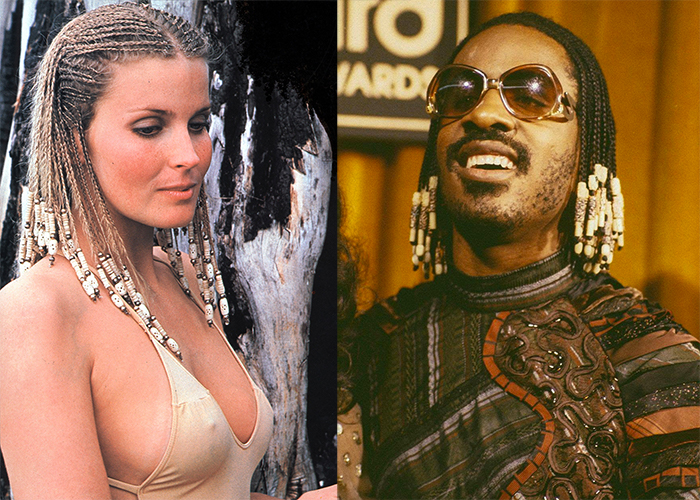
An ancient and traditional way of styling hair in Africa and its descendants worldwide, plaiting the hair flat to the scalp in rows was popular, like the afro, because of the Black Pride movement. It reached the mainstream when Bo Derek sported it in the 1979 film 10 and is offered to tourists by mobile hairdressers in Boracay and other Asian beaches.
Long straight hair
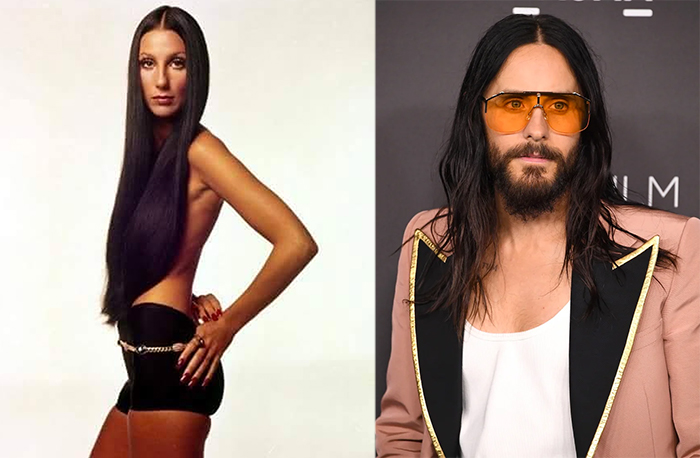
Peggy Lipton in the early 1970s Mod Squad TV series, Ali MacGraw in the 1970 film Love Story, and Cher in her concerts made long, straight hair popular for much of the decade for teenage schoolgirls and remains a classic today.
Wedge
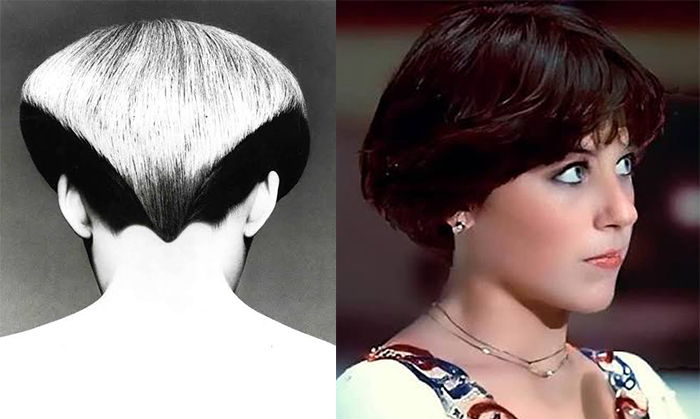
The wedge, created by Trevor Sorbie at Vidal Sassoon in 1974, was a short, bowl-like shape of smooth, polished, perfectly curved layers that hugged the head with short nape and longer crown layers made famous by figure skater Dorothy Hamill in the 1976 Olympics. Updated versions have softer angles and textures, messy layers and modern stacking.
The wavy bob
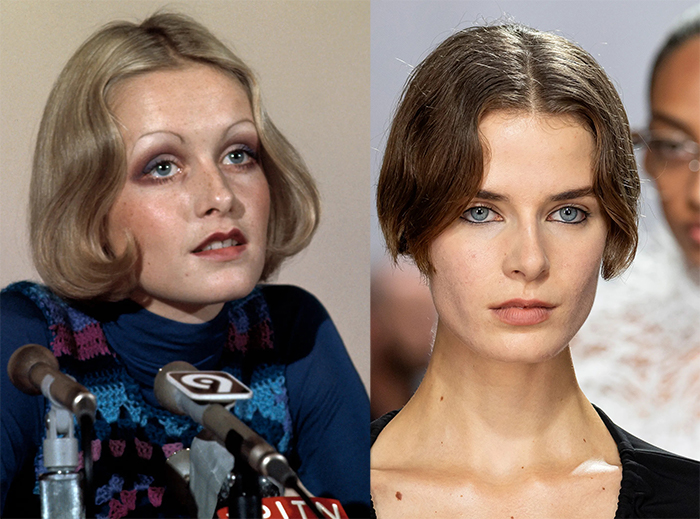
Softer versions of the severe bob were popularized by Twiggy and Diana Ross with the addition of waves. Ayo Edebiri recently updated this look with a kiss-curl fringe.
Accessorizing with scarves and headbands
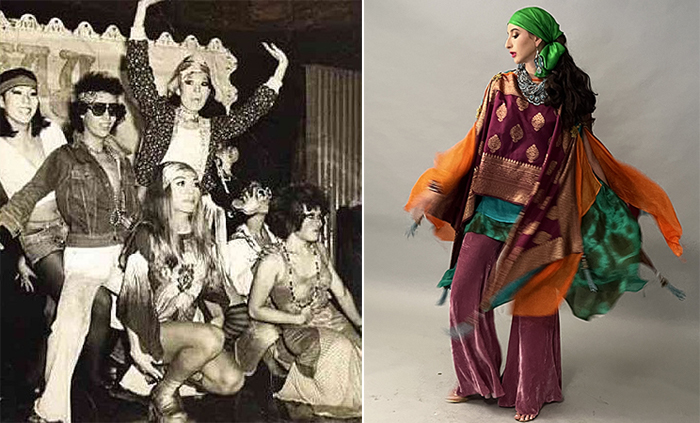
Scarves and headbands were coveted accessories for the hair, versatile enough to tie back a ponytail or to wrap around the head on bad hair days.
* * *
Bongga Ka ‘Day: The Annie Batungbakal Musical featuring music of Hotdog opens on Sept. 18 at Newport Performing Arts Theater. Produced by Newport World Resorts with The Philippine STAR and Viva Entertainment. Line produced by Peta Plus. Directed by Chris Millado.

WATCH: Can we talk about death and grief? (Generations Ep. 25)
October 14, 2026