

How these women's lives changed after their breast cancer diagnosis in their 20s
Breast cancer used to be an “old person” curse. That is no longer the case.
Dr. Aldine Astrid Basa, head of the Breast Center of Excellence at Healthway Cancer Care Hospital, told PhilSTAR L!fe that while it’s still not common for young people to be diagnosed with breast cancer, there have been more and more such diagnoses recently. Among her patients alone, about 20% are in their 30s, the youngest among whom was 22 when she was diagnosed.
Being handed a breast cancer diagnosis is life-altering for anyone. But getting diagnosed in your 20s hits differently. You are forced to deal with an invasive disease while you are still figuring out university life, a career, or just being independent.
The following three young women share how profoundly their lives changed after receiving the news.
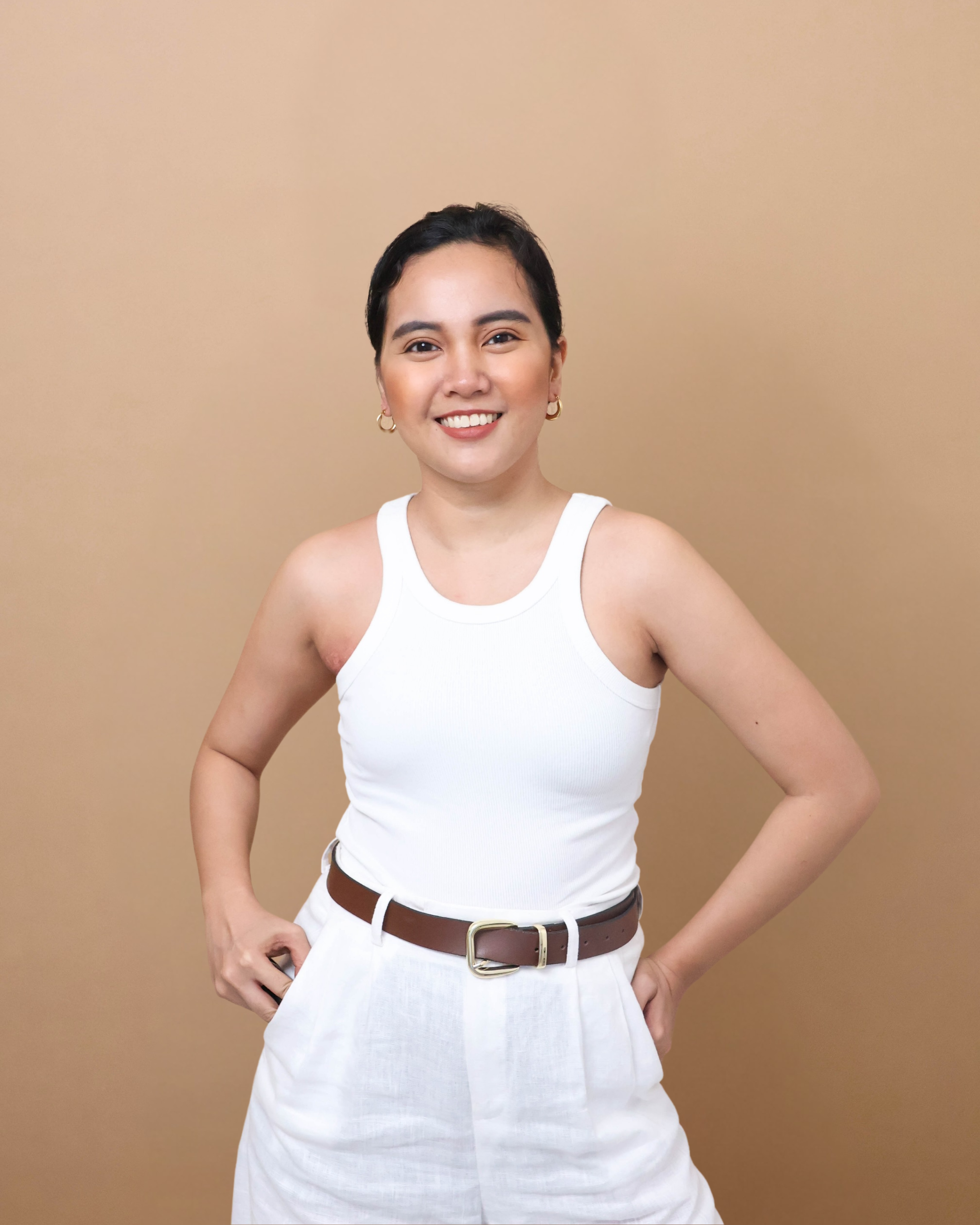
Rodly Ricafort, diagnosed with breast cancer at 23
Rodly Ricafort, now 28, was 23 when she noticed a small lump on her right breast while adjusting her top and bag strap.

After months of tests and waiting, she finally got her diagnosis. It was at the end of 2020, after she had just turned 24, when she learned she had stage 2B invasive ductal carcinoma, the type of breast cancer that has spread beyond the milk ducts.
“Everything around me went blank,” she said in an interview with L!fe. “My thoughts went straight to my late father, who also battled cancer—but in his case, it was already too late for recovery or treatment. I felt fear and disbelief, and all I could do was cry.”
After the release of emotions, however, Ricafort, who has a family history of cancer on both sides, dried the tears and got down to the business of living.
“I focused on what I could control: my studies, chores, and smaller routines; anything to keep my mind busy,” she said.
Now the cancer is back and has metastasized to her liver.
Yet, she continues to work in the field of digital marketing while doing creative gigs on the side. She lives a simple life, spending her free time creating collages from scraps and making digital illustrations inspired by fashion and art.
“My diagnosis changed the way I see life and myself. I used to think everything had to follow a timeline—finish school, get a stable job, reach certain milestones. But when cancer came, I saw things differently,” Ricafort said.
“It taught me that slowing down doesn’t mean I’m falling behind. I learned to value small things and small wins. I also became more accepting, not just of my situation, but of what I can and can’t control.”
With tremendous support from her family and people she met through the ICanServe Foundation, Ricafort has learned to accept that cancer is “part of my life, whether I live long with it, go into remission, or face new challenges…The best I can do is face each moment with as much calm and grace as I can.”
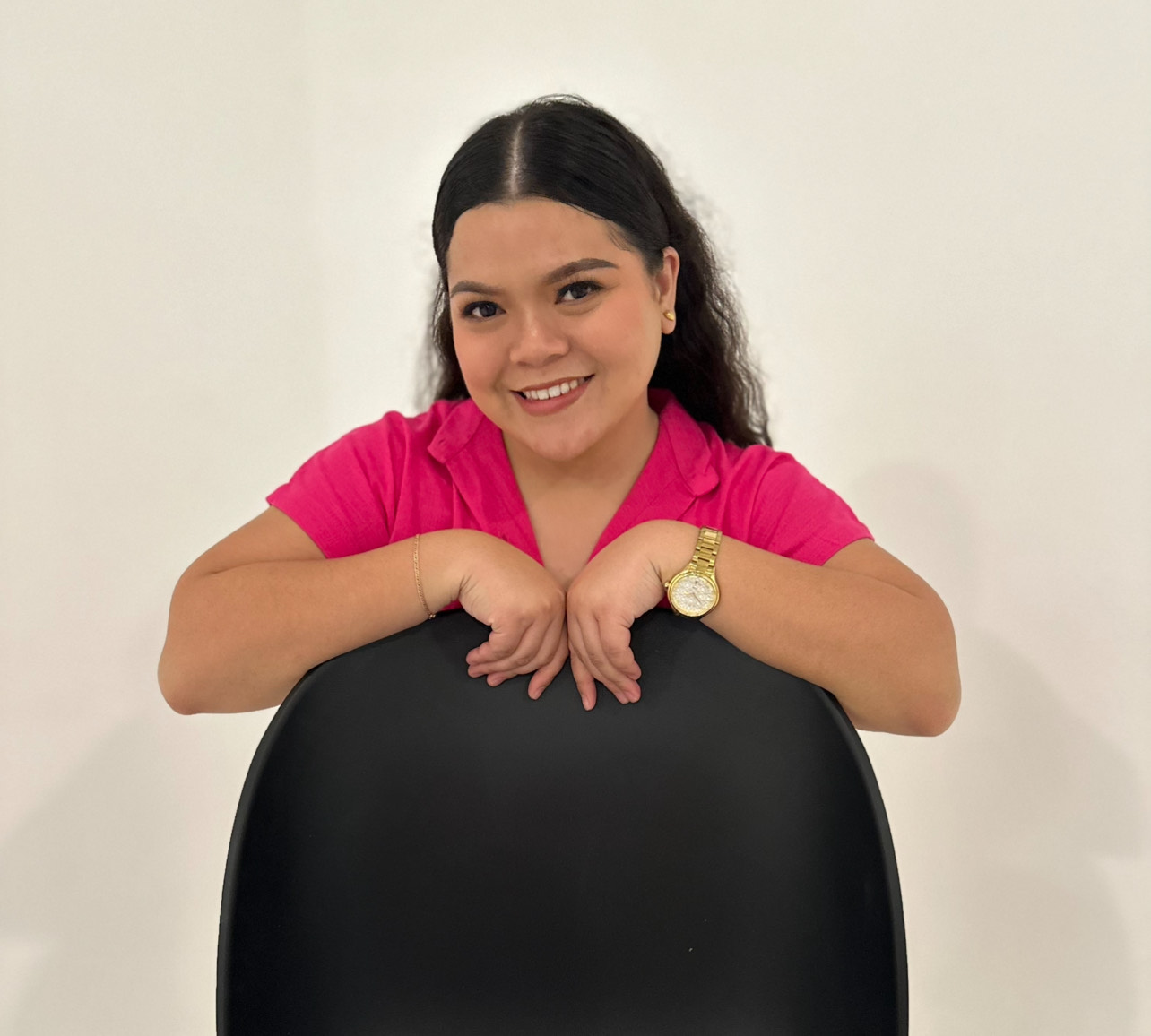
Ronette Duran, diagnosed with breast cancer at 24
A registered pharmacist who loves the outdoors, Ronette Duran, 31, is the daughter of two cancer warriors. She has been a breast cancer survivor for seven years now.
At 24, she was diagnosed with stage 2A invasive ductal carcinoma.
Before getting checked, she noticed a translucent nipple discharge and thought it was just due to her being on her period. When her period was over, though, the discharge was still there. A week later, Duran saw a lump on her right breast.
This prompted her to get an ultrasound from her company doctor—the starting point of her breast cancer journey.
When she found out she had cancer, Duran—who, like Ricafort, is a member of the ICanServe Foundation—went through a rollercoaster of emotions.
“Would I be happy, sad, lonely? Happy that I got cancer instead of my sisters, sad because I might say goodbye to my family and friends so early, frightened and anxious about what the future holds?”
Like many cancer patients, Duran’s life before and after diagnosis took a 180-degree turn.
“Before diagnosis, I used to drink casually with friends and stay out late, ate junk food and fast food, but also did exercise. I took to heart negativities in everyday life,” she told L!fe.
But today, “I am the healthier version of myself. I eat healthier food, cook my own meals, still exercise, and [have] a more positive outlook in life. I [now] appreciate everything that is happening in my life, whether it’s bad or good,” she added.
“I had to pull myself back together because life must go on. I treat my cancer as a blessing, for without it, I wouldn’t be the Ronette that I am now. It is part of who I am. I am stronger now than I was before,” she continued.
Being a medical professional, Duran knew what the cancer was doing to her body.
“Anyone can have it regardless of age. If you feel something inside your body, which you alone can feel, that is abnormal, I hope you would be brave like I was when I was 24 years old [and have yourself checked]. Cancer is not a death sentence. Cancer can be won,” she said.
Jaz, diagnosed with breast cancer at 22
Jaz (not her real name) was 18 and in college in Naga, Bicol, when she felt a firm lump on her breast. Unfortunately, common knowledge still assumes that teenagers don’t get breast cancer, so she dismissed the lump.
In June last year, fresh out of college and working as a software developer, Jaz, then already 22, noticed the lump had grown. That was when she went to a doctor in Naga for an ultrasound.
The doctor diagnosed Jaz with benign fibroadenoma, a non-cancerous breast lump.
“Common daw sa dalaga. Huwag daw mag-worry,” Jaz recalled the doctor telling her. “I knew [the cancer] was starting. Pero kasi sanay kami na screening [for breast cancer] ay 40 pa. At dahil binalewala noong doctor, hindi ko na rin masyadong pinansin.”
But the cancer was persistent.
“As time went by, the symptoms got worse. The lump was bigger, and I got an inverted nipple, too,” Jaz, now 23, told L!fe.
She decided to travel to Manila to see an oncologist. Immediately, her doctor put her through an ultrasound, which revealed the lump to be 95% malignant.
After a week, a biopsy and full-body PET scan (a medical imaging test) resulted in a diagnosis of stage 2B lobular carcinoma, a type of slow-growing breast cancer. Jaz received the news the day after Christmas.
Hit by the reality of the diagnosis, she overhauled her lifestyle. She started fasting, eating just twice a day and focusing on proteins and vegetables. Every day, she does a 30-minute full-body workout. She also makes an extra effort to manage her emotions.
“Nagbago ang perspective ko. Ang babaw na ng lahat. Sobrang laking bagay noong diagnosis, lumiit ‘yung ibang bagay,” Jaz said.
In Feb. 2025, Jaz underwent a single mastectomy for her left breast, after which her doctor put in a reconstruction implant. She did six cycles of chemotherapy and then a PET scan in Sept.
Through it all, Jaz never stopped working as a software developer. When she had her chemotherapy sessions, she just took week-long leaves from work.
“Sabi ko sa sarili ko, wala dapat magbago kahit during treatment kasi lalo lang ako made-depress kung wala akong pinagkakaabalahan,” Jaz said.
Today, there is no evidence of the cancer. She now lives with her mother, stepfather, and siblings in Cavite, all of whom shower her with support by making sure Jaz doesn’t get stressed.
She maintains her medical regimen, though: quarterly checkups with her oncologist, yearly full-body PET scans, and, since estrogen can make some cancer cells grow more quickly, medication to lower her estrogen level.
Early detection is key
Dr. Basa shared tips that may help prevent breast cancer—or any other type of cancer: exercise regularly, maintain a healthy weight, keep alcohol to a minimum, sleep well and enough, and don’t take oral contraceptive pills for longer than a few months at a time.
According to her, breastfeeding decreases the risk of breast cancer, but pregnancies after 30 could raise it.
“We are very strong advocates of screening,” she added. “Starting at 20 years old, do your self breast exam every month so you can detect if something changes. Getting a mammogram that early would be useless because at that age, breasts are more firm; the mammogram will just show all-white images.”
Get mammograms every year starting at your 40th. If you have a family history of breast cancer, Dr. Basa suggested getting tested 10 years before your mother’s or relative’s age of diagnosis.
"There's no need to go abroad for treatment," she added, noting that leading Philippine hospitals have all the options available for it.

WATCH: Is Philippine cinema still thriving? (Generations Ep. 19)
September 2, 2026
WATCH: Is OPM still as good as it used to be? (Generations Ep. 20)
September 9, 2026