

Ask a dating coach: Complicated relationships and what we're getting wrong
With the rise of Gen Z terms like situationships, Shrekking, and organic encounters, navigating modern dating can get confusing. While many are growing tired of on-screen swipes and returning to real-life connections, finding and keeping lasting relationships can still feel frustratingly elusive.
In a sit-down interview with a dating coach and professional matchmaker Vanessa Antonio of Singles Events Manila, PhilSTAR L!fe unpacks love dilemmas shared by readers, shedding light on what “genuine love” truly means in today’s dating landscape.

Why do people fall in love but call it a situationship?
According to Antonio, the difference between a relationship and a situationship lies in commitment—or the lack of it.
“A relationship requires two people agreeing to a commitment. And so when one person is more committed than the other, when there’s only one person who is in love, then you call it a situationship.”
In a situationship, two people do exclusive things together without commitment.

“By the end of the day, you really don’t know what you guys are because there is no verbal commitment—na sa akin ka and ako sa’yo," she said.
Why is 'partner' becoming a common term in relationships?
Antonio says the growing use of the word partner reflects both inclusivity, particularly for members of the LGBTQIA+ community, and a broader idea of commitment.
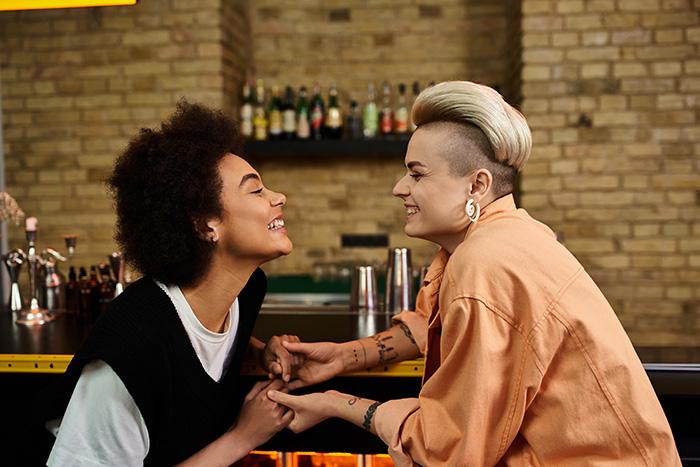
"When you say boyfriend-girlfriend, it is very focused on the romantic commitment," she said. “Partner is like, you know what, we can kiss or not. We can make love or not. But it’s me and you na magkasama to face the world. It's like a life partnership."
Why does love feel transactional now?
A L!fe reader feels love has turned into a "give and take" transaction where partners are all in it just for the benefits. But Antonio zeroes in on the reality that relationships are mutual agreements.
“Relationships are social contracts. The reason why you’re picking that partner is because you can see that they have something valuable that they could add [to] your life.”
"Love is basically helping each other, making life worth living, because we only have limited time in this world," she added.
Where can we find genuine love?
For the dating coach, genuine love can be found in someone who can give complete acceptance and commitment, even if situations and mindsets change.
“Genuinely loved is when you find a partner who fully accepts you for who you are now and will still accept you even if you’re changing across your life."
"Genuine love will not happen if there is no commitment. The importance of picking the right person is essential."
Why do people ghost?
When someone suddenly disappears, the instinct is often self-blame. Antonio urges a shift in perspective.
“Most of the time, people leave. It’s not because there’s something wrong with you. It’s basically because [you] did not match their expectation," she said.
Before you hit up that person who ghosted you again, remember that this will do more harm than good. “The more you chase somebody who doesn’t want you, the more you will feel ugly, small, and unloved," Antonio added.
“Be with people who appreciate you—be in a room where you’re just walking, they’re already pulling a seat for you.”
'My partner pushes me to commit crimes. What should I do?'
One user asked what to do when they're forced to do unlawful things to please their partner. Antonio did not mince words in her response: Sacrificial love should not put someone in jeopardy.
“The reason why you are willing to commit a crime just to get a little love is because you have low self-esteem. Basically, you are love drunk. You are not thinking straight," she said.
“Do not be desperate. You’re not going to sacrifice your freedom just in exchange for a little love.”
Antonio emphasized that while sacrifice is part of love, it should only be for the good things.
“Love is sacrifice, it’s true. But love is never committing a crime [to] prove that you love [her.] That’s insanity...Sacrifice in terms of time, sacrifice in terms of discipline, like really, really refine yourself," she said.
“Sacrifice should come naturally, and sacrifice should not mean that if I do this for you, I’m gonna suffer.”
'I’m 30, and I’ve never dated. Where do I start?'

For late bloomers, Antonio told L!fe that putting in the required effort is a must.
“If you do not start now, it’s gonna be harder and harder to start later," she said, adding that dating is a skill that's sharpened over time.
“Dating is people skills: knowing how to make a person laugh, reading their body language.”
How do you know if someone is 'the one'?
The right person doesn’t create emotional chaos, the dating coach said. “They make you feel like home. They excite you in a good way—but not in a way that you’re always anxious.”
“The kind of feeling that you should be getting is peace," she added.
Why do we cling to our TOTGAs?
The coach explained that unresolved endings—like those with "the one that got away"—are powerful, according to science. A past study shows that you're more likely to feel regret when you did not see how things turned out.
“People [with] whom we have unfinished business are the most addictive ones. Because we try to recreate the endings,” she said.
She added that growing apart is normal for people with different life goals, and one should not resort to fantasy.
“We create happy endings and fairytales in our brains because we did not reach that end part. But that doesn't mean that they're the ones for you. You’re just fantasizing about it.”
Should you forgive or give second chances?

Long relationships, the coach says, are built on repeated forgiveness.
“When I see couples celebrating anniversaries, let's say three-year anniversary. Those are not just anniversaries. It’s not just a 10th anniversary—it’s 10 years of forgiveness," she said.
She added that forgiveness is a foundational virtue in relationships involving flawed human beings.
"Love is not emotions, love is commitment, it means that if they commit some mistakes, you would still love them because you accepted that they're flawed. Everybody is flawed, even if you look like a 10."
"It's hard to be in a relationship because you should be forgiving. If you are not a forgiving person, then you should not be in a relationship because your partner will test you. That's why it's so much easier to be single sometimes, because we can just follow whoever we want... We're not going to be disappointed [or] frustrated because we're not expecting something from other people."
However, Antonio noted that forgiveness, when abused—even with love—should not be given repeatedly.
"There are still boundaries even if you really love the person. Because when that love for others, it already abuses love for yourself, you are better off choosing yourself than that relationship."
Watch the full interview with Antonio below.
