

The real longevity secret is healthspan, not just lifespan
Filipinos are living longer than ever before. Unfortunately, many are also spending those extra years taking maintenance medicines by the handful, forgetting where they placed their eyeglasses while wearing them, arguing with blood sugar readings, and negotiating peace treaties with aching knees every morning.
Longevity, it turns out, is not merely about adding years to life. It is about adding life to years.
This distinction is becoming one of the most important conversations in modern medicine. Doctors now increasingly talk not only about lifespan—how long you live—but also healthspan: how long you remain physically strong, mentally sharp, emotionally resilient, socially connected, and functionally independent.
Because, frankly, reaching 100 means little if the final 30 years are spent unable to enjoy being alive.
The modern longevity paradox
Medical advances have dramatically improved survival. We now have better antibiotics, safer surgeries, advanced heart procedures, improved cancer therapies, sophisticated imaging, and medications that would have seemed miraculous decades ago. As a result, more people survive illnesses that previously shortened life.
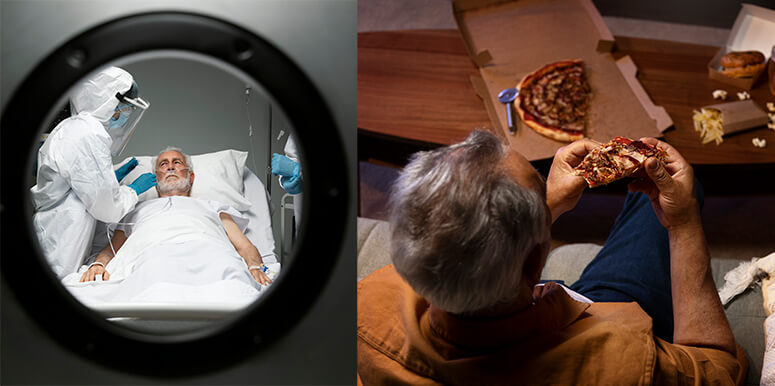
But modern lifestyles have also created new problems: chronic stress, ultra-processed food, sleep deprivation, sedentary habits, digital addiction, and emotional exhaustion.
CONTINUE READING BELOW

In many ways, modern society has become excellent at extending life while quietly sabotaging vitality. We are surviving longer, but not always aging better.
The goal is not merely ‘humaba ang buhay’
Ask many Filipinos about longevity and they often say, “Gusto ko lang humaba buhay ko (I just want to live long).”
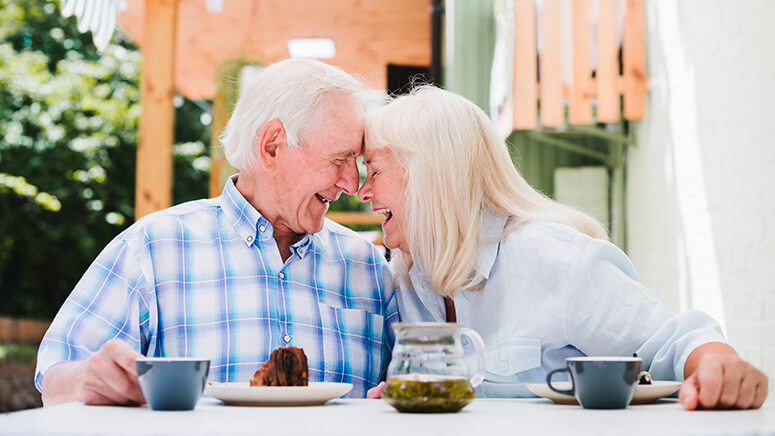
Fair enough. But perhaps the better goal is this: to still walk independently at 85, to still laugh loudly at 90, to still recognize loved ones at 95, and to still have enough strength to enjoy coffee, conversation, worship, and family dinners without needing a committee meeting just to stand up from the sofa.
That is healthspan.
Genes matter—but less than people think
Many assume longevity is purely genetic. Certainly, genes play a role. Some families are blessed with favorable biology. But modern research consistently shows that lifestyle factors strongly influence healthy aging.

In fact, some studies suggest that genetics may account for only about 20 to 30% of longevity, while lifestyle and environment contribute far more.
In simpler terms: Your genes may load the gun, but your daily habits often pull the trigger.
The big five habits of healthy longevity
Interestingly, the fundamentals of healthy aging are remarkably unglamorous.
No magic tea. No anti-aging crystal imported from the Himalayas. No supplement advertised by a shirtless influencer standing beside a sports car.
The evidence still points toward familiar habits.
- Move the body daily. Exercise remains the closest thing medicine has to a longevity drug. Regular movement improves heart health, brain function, insulin sensitivity, mood, balance, and muscle preservation. Walking alone significantly lowers mortality risk. The body was designed for motion—not permanent sitting while arguing online.
- Protect sleep fiercely. Many people proudly brag about sleeping only four hours on average each night. This is medically similar to boasting, “I only charge my cellphone to 12 percent every night.” Sleep affects memory, immunity, blood pressure, metabolism, and emotional regulation. Chronically poor sleep accelerates aging faster than many realize.
- Eat like someone who plans to grow old. Modern ultra-processed food is remarkably efficient at producing obesity, diabetes, inflammation and regret. The healthiest dietary patterns remain surprisingly traditional: vegetables, fruits, legumes, fish, nuts, whole grains, and moderate portions. Your grandmother’s cooking may be biologically wiser than many viral internet diets.
- Stay socially connected. Loneliness shortens lifespan. Strong, meaningful relationships improve survival rates, emotional resilience, and even cognitive health. People need friendships, family, conversations, laughter, and belonging. Human beings deteriorate emotionally in isolation. Even introverts eventually need somebody who notices if they disappear for three days.
- Maintain purpose and faith. This may be the most overlooked factor of all. People who retain meaning, spiritual grounding, hope, and community involvement often age more gracefully. In many longevity studies worldwide, individuals who remain connected to faith communities or purposeful routines tend to live not only longer, but better. The human spirit affects the human body far more than medicine once appreciated.
The real enemies of healthspan
Ironically, the greatest threats to healthy aging today are often socially normalized: chronic stress, excessive sitting, endless scrolling, emotional isolation, processed food, work without rest, and sleep deprivation disguised as ambition.
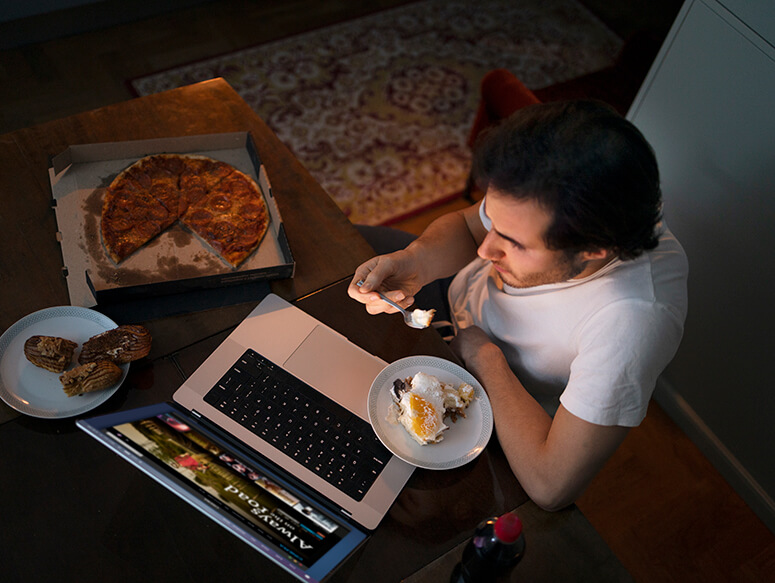
Modern society has unintentionally created lifestyles profoundly hostile to healthy aging. We are overstimulated, under-rested, overfed, undernourished, and perpetually distracted. No wonder the body protests.
The final prescription
Perhaps healthy aging is less about chasing immortality and more about preserving humanity.
A long life is a blessing. But a long, healthy, meaningful life is the greater goal. Longevity is not merely reaching old age. It is reaching old age while still fully alive.
To age well is to remain curious, connected, purposeful, mobile, grateful, and spiritually grounded.
The true measure of longevity is not the number of candles on the birthday cake. It is whether you can still enjoy blowing them out surrounded by people you love.
And perhaps, if we care for body, mind, relationships, and spirit wisely enough, old age will not feel like a slow surrender, but like a season of deeper joy, gentler wisdom, and quieter strength.

WATCH: How to experience Bangkok and Kanchanaburi in one trip
October 21, 2026
WATCH: Is OPM still as good as it used to be? (Generations Ep. 20)
September 9, 2026
WATCH: Can we talk about death and grief? (Generations Ep. 25)
October 14, 2026