Why Filipino Gen Z can’t get enough of K-pop (and what it means for their mental health)
Step into any café, jeepney, or TikTok scroll, and you’ll hear the unmistakable beat of K-pop.
From BTS and Blackpink to Stray Kids, Seventeen, and NewJeans, Korean pop culture has swept through the Philippines like a musical monsoon—stylish, synchronized, and unstoppable.
Spotify reports that the Philippines ranks among the world’s top five countries for K-pop streaming, with millions of daily plays. Filipino fans don’t just listen; they live the experience—learning choreography, collecting merchandise, joining fandom groups, and even celebrating idols’ birthdays as community events.
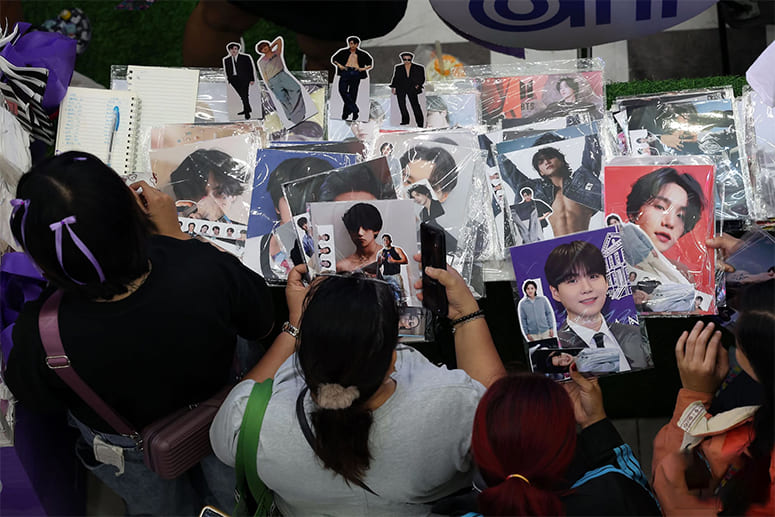
But beyond the glitter and glamour lies a deeper question: Why does K-pop resonate so powerfully with Filipino Gen Z—and is this global obsession actually helping or harming their mental health?
The power of emotion and storytelling
K-pop’s global rise is no accident. Its secret lies in emotional storytelling wrapped in audiovisual precision.
Each song is a narrative—about friendship, heartbreak, self-discovery, or resilience. Music videos unfold like short films, rich in symbolism and color.
Filipinos, known for emotional expressiveness and love for drama, easily connect with this storytelling style. It mirrors the Filipino psyche: passionate, hopeful, and resilient amid struggle.
For Gen Z navigating anxiety, academic pressure, and the loneliness of the digital age, K-pop becomes a safe emotional mirror—a way to feel deeply in a world that often demands numbness.
A 2023 Frontiers in Psychology study found that fans often form “para-social relationships” with their idols one-sided bonds that, surprisingly, can provide comfort and emotional support.
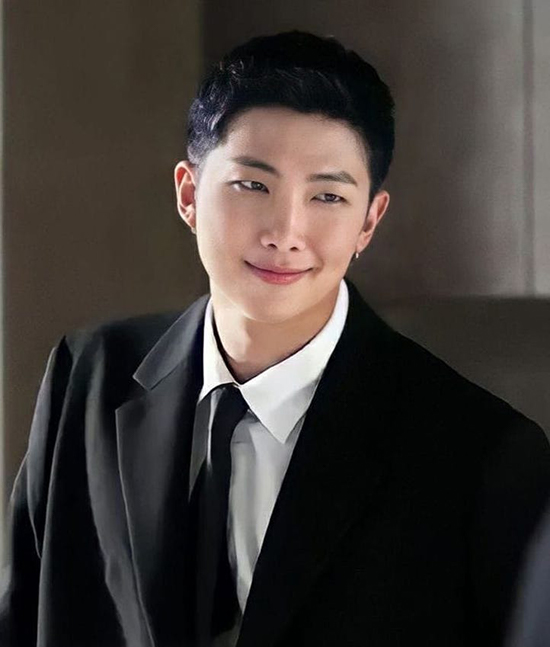
When K-pop groups speak openly about mental health, self-worth, or burnout, young fans feel validated. Idols like RM of BTS, who openly discuss therapy and self-doubt, have become unlikely role models for emotional honesty.
Discipline that inspires
Behind the flawless performances are years of disciplined training. K-pop artists undergo rigorous preparation—often eight to 10 years of daily practice in dance, vocals, and media behavior.
To Filipino Gen Z raised in a culture of high expectations, this discipline is both intimidating and inspiring. It counters the myth of instant fame and teaches that success demands grit, consistency, and teamwork.

This can have a positive mental effect: the belief that effort matters—a healthy antidote to the helplessness many youths feel in uncertain times. As one Filipino fan put it, “K-pop reminds me that even perfection is practiced.”
However, the flip side is comparison. Idol culture’s obsession with beauty and achievement can fuel body image issues and self-doubt. When fans idealize unattainable perfection, admiration can turn into quiet inadequacy.
Like caffeine, K-pop can energize—but over-consumption may leave one restless.
K-pop can calm the storm — but it should never become the shelter we never leave.
The digital dimension: community as coping
For Filipino Gen Z—the world’s most active social media users—K-pop is not just music; it’s belonging. Fandoms like ARMY (BTS fans) and Blinks (BLACKPINK fans) are highly organized online families.
They run donation drives, organize “cup sleeve” events in cafés, and collaborate across continents to “stream” songs and boost global rankings.
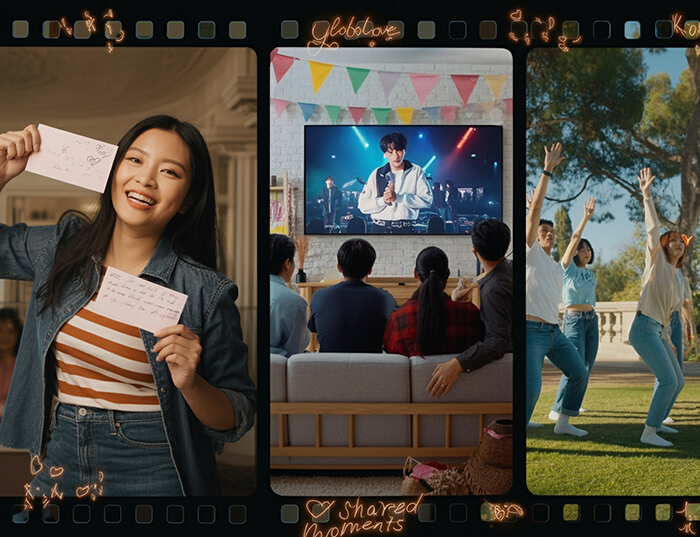
During the pandemic, these fandoms became mental health lifelines. A De La Salle University study in 2022 found that online fan communities helped young people cope with isolation, giving them purpose and connection when physical friendships were impossible.
Digital belonging, when grounded in empathy, can be therapeutic. But constant online engagement also has its mental toll. The pressure to stay updated—to stream, post, or defend idols in fan wars—can trigger stress and digital fatigue. Like all relationships, para-social ones require boundaries.
Shared values and cultural comfort
Part of K-pop’s appeal lies in its cultural resonance. Korean values—respect for elders, humility, discipline, and family loyalty—echo Filipino ideals. Even the language feels emotionally familiar; fans often say, “I don’t understand every word, but I feel every emotion.”
In a region where Western culture has long dominated, K-pop offers representation that feels closer to home—Asian faces on global stages, proving that talent transcends borders. For many Filipino youths, seeing Asian artists conquer the world boosts both pride and possibility.
Aesthetic escapism in an anxious world
K-pop offers what psychologists call “controlled escapism”—a harmless mental vacation. In a nation where daily realities include traffic, inflation, graft and corruption, and uncertainty, K-pop’s perfection—synchronized dance, immaculate visuals, and hopeful lyrics—becomes a form of emotional regulation.
The colors, choreography, and cinematic music videos trigger dopamine release and reduce stress. It’s not unlike meditation—rhythmic, repetitive, and emotionally transporting.
Still, it’s escapism, not cure.
When it replaces real relationships or sleep, it stops being refuge and becomes avoidance. Balance remains key: K-pop can calm the storm but should not become the shelter we never leave.
The mental health equation: help or harm?
So—is K-pop good for mental health?
The answer, like any medicine, is dose-dependent.
Positive effects:
- Emotional validation. Lyrics and interviews that normalize sadness, failure, and recovery.
- Community belonging. Fandoms foster social connection and reduce loneliness.
- Creative expression. Many fans dance, sing, and create art, channeling emotion into productivity.
- Hope and optimism.Success stories of idols inspire perseverance and resilience.
Risks and cautions:
- Unrealistic comparison. Idol perfection can trigger low self-esteem or disordered eating.
- Over-identification.Excessive devotion may lead to emotional dependency or detachment from reality.
- Financial stress. Concerts, merchandise, and “fan projects” can become compulsive spending.
- Sleep loss and fatigue. Late-night streaming and social media participation contribute to poor rest—a common theme in my own cardiology practice.
In short: K-pop can heal or harm depending on how it’s used—as inspiration or as escape, as connection or as obsession.
Encouraging moderation and balance
For parents and mentors puzzled by the K-pop phenomenon, the key is not to judge but to understand. This isn’t “just music.” It’s a generational language of emotion, creativity, and belonging.
Instead of scolding youth for being “too obsessed,” guide them to balance passion with presence. Encourage moderation: enjoy the music, celebrate the artistry, but don’t lose sleep—literally or metaphorically—over it.
And for Gen Z themselves: Remember that your idols may inspire you, but your worth is not measured by fandom activity. Even your favorite artist rests. Even perfection rehearses peace.
A cardiologist’s reflection
As a physician, I often meet young people who come with palpitations, anxiety, or sleeplessness—many fueled by digital overstimulation, late-night scrolling, and caffeinated lifestyles. But when we talk, I find that what they truly seek is meaning, not medication.
K-pop, at its best, provides a spark of joy, a rhythm of community, and an outlet for emotional honesty. It can soothe the anxious heart—if it’s not allowed to overstimulate it.
Like music itself, the key is tempo: Enjoy the beat, but remember to rest between songs.
Is K-pop good for mental health?
K-pop’s hold on Filipino Gen Z is both cultural and emotional—a mirror of their search for connection, beauty, and purpose in an increasingly chaotic world.
It is not just about catchy tunes or glamorous idols. It is about identity—finding voice, comfort, and courage through shared sound.
So is it good for their mental health?
When enjoyed mindfully, yes—profoundly so. It builds community, self-expression, and hope. But when consumed compulsively, it becomes noise drowning out the heart’s true rhythm.
Perhaps, in the end, K-pop’s greatest gift is not escape, but empathy—a reminder that across languages and borders, we all move to the same beat: the universal longing to be seen, understood, and loved.