

Vienne Luna reveals secret to her SuperBod
Exercise should add to your life, not make you feel like you’re at war with your body.” These are powerful words from the newly crowned Century Tuna Superbod winner Vienne Luna. Her perspective encapsulates a refreshing shift in the fitness landscape. After navigating recovery from a major knee injury, stepping out of her introverted comfort zone, and returning for a second bid at the title, Vienne’s journey to the top was guided by balance rather than extreme restriction. Through a blend of strength conditioning, joint-friendly programming and sustainable nutrition, she built the functional stamina needed to conquer demanding rehearsals, live shows and high-pressure judging. In this exclusive interview, Vienne opens up about peak-week preparation, overcoming self-doubt, and how her victory is fueling her grassroots initiative, Project HER.
THE PHILIPPINE STAR: You recovered from an ACL injury five years ago. How did you shift from joint rehabilitation to stage conditioning?
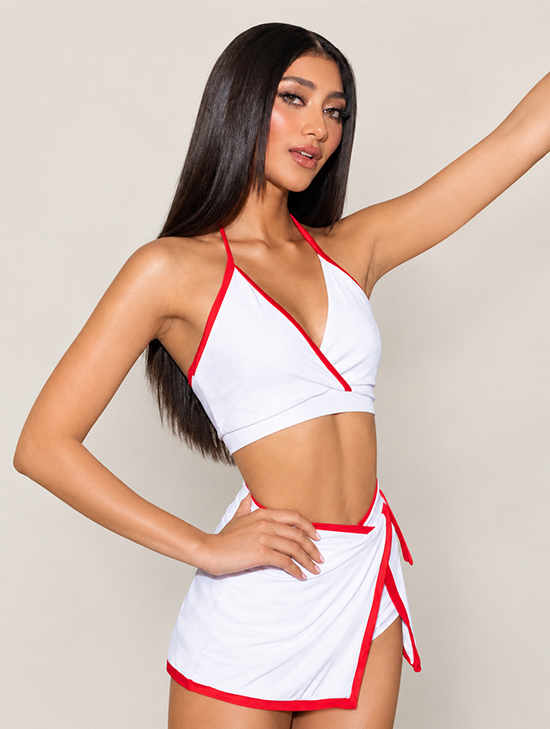
VIENNE LUNA: My ACL injury really changed the way I look at my body. Before, I think I took being able to move freely for granted. While I was healing, the goal was simply to get strong and functional again. So when I eventually got back into intense training, I became much more conscious of the difference between pushing my body and punishing my body. I learned to listen to it more. There are days when you can push, and there are days when recovery is the stronger choice. My goal was never just to look conditioned for Superbods, but to feel strong, capable, and confident in what my body can do.
What was the biggest mental adjustment you made in this second attempt compared to your first run?
The biggest difference was that in 2022, I was really trying to prove something to myself. I wanted to build my confidence and see if I could even belong in that kind of environment. This time, I came in with a much stronger sense of who I am. I had already gone through pageants, modeling, hosting, advocacy work, and just a lot of life in between. So I wasn’t coming back to become a different version of myself. I came back to show up as the woman I had already become.
CONTINUE READING BELOW

As someone naturally introverted, how did you cope with the spotlight?
Honestly, I still get nervous. I don’t think becoming more confident means you stop being nervous. I’ve learned that I don’t have to become the loudest person in the room to be seen. I can be naturally quieter and still have something meaningful to say. Before going on stage, I would remind myself why I’m here, my purpose, and how much I enjoy runway performance on stage!
In your winning Q&A, you spoke about working out to reward and respect your body rather than punish it. How can women rewrite their inner narrative around exercise?
I think we have to stop treating exercise as a punishment for eating or for not liking the way our body looks that day. Movement can be a way of saying, “I love my body enough to take care of it.” For me, working out is also about everything my body allows me to experience: running, boxing, cycling, being on stage, even just having the energy to live my everyday life.
You don’t have to earn food through exercise, and you don’t have to destroy yourself in the gym to deserve confidence.
How did you structure your strength training and cardio to achieve peak conditioning while keeping your joints healthy and resilient?
I tried to be very intentional instead of just doing more for the sake of doing more. I incorporated strength training because I wanted to build stability and strength around my joints, while cardio helped me build endurance. I also had to learn that recovery is part of training. I paid attention to how my knee and my body were feeling and adjusted when necessary. Especially because I was preparing for a competition, I didn’t want to arrive at the finish line already broken. For me, peak conditioning meant being strong enough to perform, not just lean enough to look good.
What did your peak-week workout regimen look like in terms of exercise selection, split volume, and active recovery routines?
Peak week for me wasn’t about suddenly doing something extreme. I was enjoying strength and conditioning three times a week, a weekend fun run and boxing, and morning spin classes twice a week. But if I didn’t feel like working out intensely that day, I would simply take a walk and go to the gym to lift some weights without pressure. I made sure I wasn’t neglecting recovery. I also had to balance training with rehearsals, shoots, events and the actual demands of being a Superbod, so sometimes the smartest thing I could do was rest. I think that’s something people don’t always see. The discipline isn’t always in doing more. Sometimes it’s knowing when enough is enough.
Did you focus on specific functional foods, continuous hydration protocols, or timing strategies to keep your energy high during grueling rehearsals?
Hydration was definitely important, especially with the amount of training we were doing. I also tried to make sure I had proper meals and snacks around my training rather than waiting until I was completely depleted. I kept things pretty simple: protein, carbs for energy, fruits and vegetables, and foods that I knew my body responded well to. I didn’t want to suddenly introduce a bunch of complicated things during peak prep. For me, the biggest thing was consistency and listening to my body, rather than chasing some extreme competition diet.
Your platform centers on Project HER (Health, Empowerment, and Resilience). How will you translate your Superbods victory into actionable health programs for women across local communities?
This is probably the part of the victory that means the most to me.
Project HER started because I wanted women to feel healthy, valued, empowered, and safe. And winning Superbods gives me a bigger platform to bring that message to more communities.
I want to continue bringing conversations around women’s health, PMOS (Polyendocrine Metabolic Ovarian Syndrome) awareness, confidence, and VAWC (Violence Against Women and Children) prevention into communities where these conversations aren’t always easily accessible. But I don’t want it to stop at a one-day event. I want HER to have continuity through educational sessions, community activities, wellness initiatives, and partnerships with organizations that are already doing the work.
Because for me, strength is more meaningful when it’s shared. I want this victory to become something that helps other women feel stronger in their own lives, too. I may be the one holding the title today, but I want the impact to belong to every woman who finds a little more strength, confidence, and hope through Project HER.

WATCH: LGBTQIA+ people with unlikely professions
June 28, 2026