

Why we crave sugar
Sugar has become one of the most beloved—and misunderstood—ingredients in the modern diet. It sweetens birthdays, holidays, celebrations, and even ordinary afternoons. Yet behind its comforting taste lies a growing body of evidence linking excessive sugar and refined carbohydrates to obesity, diabetes, fatty liver disease, heart disease, and poor overall health.
The problem is not that our bodies need sugar, or that we enjoy sweetness. The problem is that many of us are consuming far more than our bodies were ever designed to handle. The really serious problem is that sweetness has quietly become the default flavor of modern life.
There is an old saying that life is sweeter with dessert. Modern medicine would probably amend that sentence: Life is sweeter with dessert. Just not every day. And definitely not three times a day.
The problem is not that we enjoy sweetness. The problem is that sweetness has quietly become the default flavor of modern life.
One of my patients once looked genuinely puzzled after receiving a diagnosis of prediabetes.
“But, Doctor,” he protested, “I hardly eat sugar.”
I nodded. “What did you have for breakfast?”

CONTINUE READING BELOW

“Two cups of white rice.”
“For lunch?”
“Three cups.”
“Dinner?”
“Another three.”
“Soft drinks?”
“Only with meals.”
“And merienda?”
“A little bread.”
His body, it turned out, had been receiving sugar all day long—not only from sweets, but from refined carbohydrates.
Many people think sugar refers only to candies, chocolates, cakes, or soft drinks. Biologically, the story is much more interesting. Most carbohydrates are eventually broken down into glucose, the body’s primary fuel.
Glucose itself is not the villain. Without it, our brains could not function. Our muscles could not move. Our cells could not survive.
The problem begins when glucose arrives faster and in larger quantities than the body can safely handle. Imagine trying to fill a small sink using a fire hose. Eventually, it overflows.
Insulin resistance
The same principle applies to metabolism. After a meal rich in refined carbohydrates or sugary beverages, blood glucose rises rapidly. The pancreas responds by releasing insulin, the hormone responsible for helping glucose enter the cells.

Occasionally, this system works beautifully. Repeated several times every day for years, however, it begins to lose efficiency. Cells gradually become less responsive to insulin—a condition known as insulin resistance. The pancreas works harder. Insulin levels climb. Eventually, blood sugar begins rising despite the extra effort.
This is one of the pathways leading to type 2 diabetes. But diabetes is only part of the story. Excess sugar affects far more than blood glucose. It contributes to weight gain because unused energy is stored primarily as fat. Fat accumulates not only beneath the skin but also around internal organs and even inside the liver.
Effects on the liver, heart, and brain
Non-alcoholic fatty liver disease has become increasingly common, affecting people who rarely drink alcohol at all. The name itself surprises many patients. The cause often lies less in alcohol than in excess calories, refined carbohydrates, and added sugars.
The heart is affected as well. A high intake of sugary beverages and refined carbohydrates has been associated with obesity, elevated triglycerides, hypertension, inflammation, and an increased risk of cardiovascular disease.
As cardiologists often remind patients, the heart does not beat in isolation. Everything we eat eventually reaches it.

Sugar also has an interesting relationship with the brain. When we eat something sweet, reward pathways become activated, releasing chemicals that make us feel temporarily good. That pleasant sensation encourages repetition. This is one reason sugary foods can become so difficult to resist.
Unfortunately, what rises quickly often falls quickly. After a rapid spike in blood sugar, levels may decline just as rapidly. The result? Hunger returns. Fatigue appears. Another craving develops. The cycle repeats itself. The body begins chasing one sugar high after another.
Not all carbs are created equal
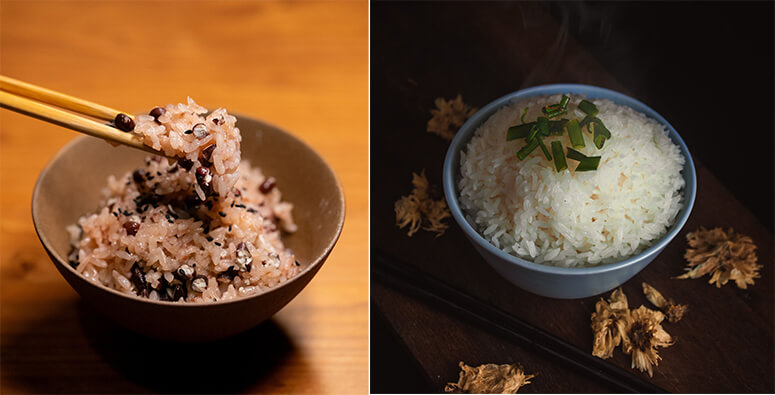
There is another important distinction worth making. Not all carbohydrates are created equal. An apple is not nutritionally equivalent to apple candy. Brown rice differs from sweetened breakfast cereal. Beans behave differently from doughnuts.
Whole foods contain fiber, vitamins, minerals, and naturally occurring compounds that slow digestion and reduce rapid glucose spikes. Highly processed carbohydrates often arrive stripped of much of that protective fiber. Our digestive system converts them into glucose with remarkable efficiency.
Sometimes too efficiently.
One common misconception is that fruit should be avoided because it contains natural sugar. For most healthy individuals, whole fruits remain an excellent source of nutrition. Their fiber slows sugar absorption, while vitamins, minerals, and antioxidants provide additional health benefits.

Drinking several glasses of sweetened fruit juice, however, is a very different experience from eating an orange. The fiber has largely disappeared. The sugar arrives much faster.
Choosing the right carbs
What should we do? The answer is not to fear every carbohydrate. Rather, we should become more selective. Choose whole grains more often than refined grains. Eat more vegetables, legumes, nuts, and whole fruits. Reduce sugary beverages. Treat desserts as occasional pleasures rather than daily necessities.
And perhaps most importantly, become mindful of portions. As physicians, we often say that the dose determines the poison. Even healthy foods can become unhealthy when consumed excessively.
Nutrition is rarely about perfection. It is about patterns. One slice of birthday cake is unlikely to determine your future health. Years of excessive sugar intake just might.
Perhaps the greatest irony is this: Our ancestors treasured sugar because it was rare. We struggle with sugar because it has become almost impossible to avoid. It hides in breakfast cereals, yogurt, bread, sauces, flavored coffee, energy drinks, bottled teas, fruit juices, and countless processed foods.
Sometimes we consume large amounts without ever tasting something obviously sweet. The solution is not guilt. Nor is it deprivation. It is awareness. Food should nourish us, celebrate with us, and bring families together. It should not quietly become the source of the diseases we spend the rest of our lives trying to treat.
So enjoy dessert. Celebrate birthdays. Share Christmas cake. Smile over halo-halo on a hot summer afternoon. But remember one simple principle:
Let sweetness remain an occasional guest at your table, not a permanent resident.
Because life should indeed be sweet.
Just not excessively so.

WATCH: Is OPM still as good as it used to be? (Generations Ep. 20)
September 9, 2026