

Herbal or harmful?
There was a time when herbal medicine entered our homes through grandparents, gardens, and kitchens. Lagundi for cough. Sambong for urinary complaints. Bayabas leaves for wounds. Tsaang gubat for stomach discomfort. These were familiar remedies, passed from one generation to another with affection, experience, and caution.
Today, many “herbal cures” enter our homes differently.
Scammers take a small truth and inflate it into a huge lie.
They arrive through Facebook ads, TikTok videos, suspicious websites, and dramatic testimonials claiming miraculous results. Some promise to reverse diabetes, melt cholesterol, cure arthritis, heal kidneys, shrink tumors, or unclog arteries without medicines, surgery, diet, or effort.
Evidence-based or socmed scams?
It’s about time we separate evidence-based remedies from social media scams.
The marketing is often polished. The language sounds medical. The before-and-after photos appear convincing. Worse, some scammers now use artificial intelligence to copy the faces and voices of respected doctors, broadcasters, celebrities and public officials.
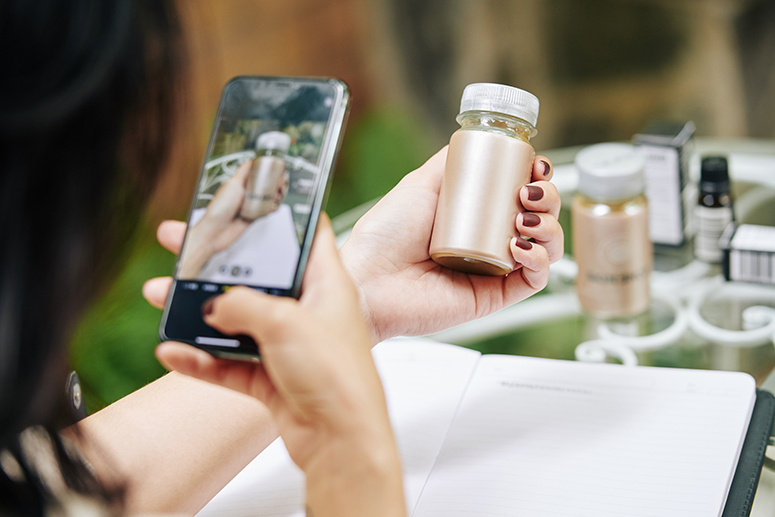
The result is dangerous. Many patients are no longer simply buying herbs. They are buying hope disguised as science.
CONTINUE READING BELOW

Let us be clear. Traditional medicine should not be dismissed merely because it is traditional. Many modern medicines came from plants. Aspirin was linked historically to willow bark. Digoxin came from foxglove. Some anti-cancer drugs originated from natural sources.
Nature can heal. But nature can also harm.
The question is not whether a product is natural. The real question is whether it is effective, safe, properly prepared, honestly advertised, and appropriate for the patient.
Caution with proven remedies
In the Philippines, several medicinal plants have long been recognized and promoted for specific traditional uses. These include lagundi, sambong, tsaang gubat, akapulko, yerba buena, niyog-niyogan, ulasimang bato, bawang, ampalaya, and bayabas.
But even here, caution is necessary.
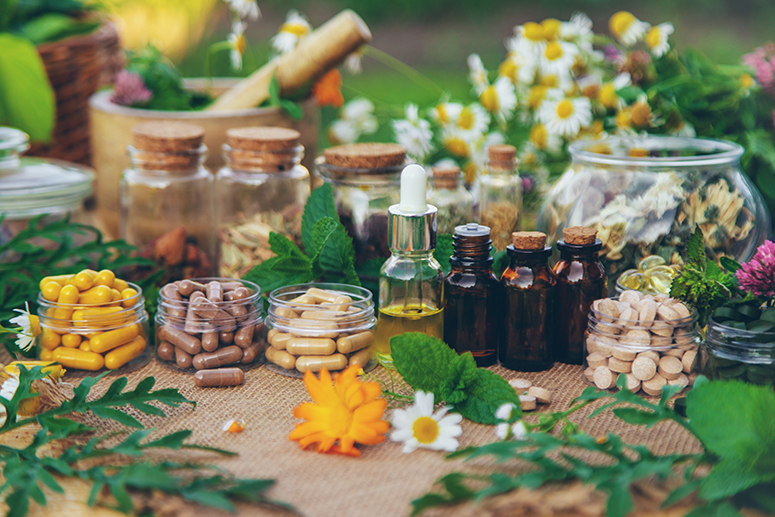
Lagundi may help relieve cough symptoms, but it is not a cure for pneumonia, tuberculosis, lung cancer, or severe asthma. Sambong has been used as a diuretic and for urinary stones, but it should not replace medical care for kidney failure, severe infection, or obstruction. Ampalaya may modestly affect blood sugar in some people, but it should not replace prescribed diabetes medicines. Bawang may have modest effects on cholesterol and blood pressure, but it is not a substitute for statins, antihypertensives, or proven cardiovascular prevention.
This is where many scams become dangerous. They take a small truth and inflate it into a huge lie. A plant with possible supportive benefit becomes advertised as a cure-all. A supplement with no approved therapeutic claim becomes marketed as a replacement for prescription medicine.
A testimonial becomes presented as proof. But testimonials are not clinical trials. A smiling customer saying, “Gumaling ako (I got well),” is not evidence. We do not know the diagnosis, dose, duration, other medicines taken, natural course of illness, or whether the story is even real.
Medicine requires more than stories. It requires evidence.
How to detect scams
One of the easiest ways to detect a scam is the promise of a miracle.
Be suspicious when a product claims to cure many unrelated diseases. Diabetes, hypertension, arthritis, cancer, kidney disease, fatty liver, erectile dysfunction, poor eyesight, insomnia, and stroke recovery do not all share one magical cure hiding inside one capsule.
The human body is wonderfully complex. Scammers prefer it simple.
Another warning sign is the phrase “no side effects because it is natural.” This is false. Many natural substances can cause allergy, liver injury, kidney problems, bleeding, abnormal heart rhythms, drug interactions, or dangerous changes in blood sugar and blood pressure.
Even grapefruit, a perfectly natural fruit, can interact with several medications.
Natural does not automatically mean safe. It simply means natural. Patients taking blood thinners, diabetes medicines, blood pressure drugs, anti-seizure medicines, cancer treatments, or transplant medications should be especially careful. Herbal products may interfere with these drugs and cause harm.
Another red flag is pressure selling. “Limited stocks only.” “Doctors don’t want you to know.” “Big pharma is hiding this.” “Stop your maintenance medicines.” “Order now before this video is removed.”
These are not scientific arguments. They are sales tactics. Legitimate medicine does not need conspiracy theories to prove itself.
A third warning sign is fake authority.
If an advertisement shows a famous physician, respected broadcaster, health secretary, senator, bishop, actor, or influencer endorsing a product, verify it through official channels. With artificial intelligence, faces and voices can now be copied convincingly.
If the video looks slightly unnatural, the lips do not match the words, the voice sounds mechanical, or the claim seems too dramatic, pause. Do not click. Do not buy. Do not share.
Scammers depend on speed. Wisdom requires delay.
The public should also check whether a product is registered with the Food and Drug Administration. But even this requires understanding. FDA registration as a food supplement does not mean the product is proven to cure disease. Many supplements are allowed for general nutrition or support, not for treating medical conditions.
The phrase “No approved therapeutic claims” should be taken seriously. It means exactly what it says. The product has not been approved to diagnose, treat, cure, or prevent disease. This does not mean every supplement is useless. It means consumers should not confuse supplements with medicines.
The greatest danger occurs when patients abandon proven treatment. A diabetic patient stops insulin because of an herbal capsule. A hypertensive patient stops maintenance medicine because of a tea. A cancer patient delays chemotherapy because of a miracle tonic. A kidney patient refuses dialysis because someone promised a “natural cleanse.”
By the time reality returns, the disease may have progressed. Hope should never become the reason we delay lifesaving care.
To take or not to take herbals?
What, then, should Filipinos do?
First, respect traditional remedies for what they can reasonably offer, but do not exaggerate them. Lagundi may soothe cough. Bayabas may help with minor wound cleansing. Yerba buena may help with mild discomfort. But serious, persistent, or worsening symptoms require proper medical evaluation.
Second, ask your physician before combining herbal products with prescription medicines.
Third, avoid any product claiming to cure multiple serious diseases.
Fourth, verify endorsements. If a respected personality supposedly promotes a supplement, check that person’s official page or reliable news sources.
Fifth, report suspicious products and misleading advertisements to the proper authorities.
Most importantly, remember that good health rarely comes from one miracle bottle. It comes from consistent habits: nutritious food, regular exercise, adequate sleep, blood pressure control, vaccination, cancer screening, avoiding tobacco, responsible medication use, and timely medical consultation.
Herbal medicine has a place. But that place is not above evidence, not beyond safety, and not outside honesty.
Our grandparents used herbs with humility. Social media scammers use them with greed. We must learn the difference. Because in health, as in life, not everything that sounds natural is true.
And not everything that promises healing deserves our trust.
A safe rule for readers: Any product that claims to cure many serious diseases, uses fake celebrity or doctor endorsements, tells patients to stop maintenance medicines, or says “no side effects because natural” should be treated as a danger sign, not a health breakthrough. WHO emphasizes quality, safety, and efficacy standards for herbal medicines, while FDA advisories repeatedly warn against unregistered supplements and misleading therapeutic claims.

WATCH: Save for retirement or enjoy life now? (Generations Ep. 21)
September 16, 2026