

From herbs to acupuncture: Exploring traditional Chinese medicine for common illnesses
From stubborn colds to splitting headaches, common illnesses are a universal experience—but the way they’re treated can differ greatly across cultures.
For most, getting sick means going to the hospital to get diagnosed by their doctor, undergoing a brief physical examination, and receiving medication to relieve symptoms. This is the standard approach used in Western medicine, which is widely practiced across much of the world.
However, in many Chinese communities, healing may begin with acupuncture, herbal remedies, and other practices to restore balance in the body.
This is traditional Chinese medicine, a centuries-old system of healing rooted in the belief that health depends on the balance of vital energies within the body. Rather than focusing solely on symptoms, TCM aims to address the underlying causes of illness by restoring harmony through practices such as acupuncture, herbal medicine, cupping, and dietary therapy.
For those of you who are conscious about your health, you may be curious about TCM approaches.
PhilSTAR L!fe spoke with both traditional Chinese medicine practitioners and a Western general practitioner to find out their differences, similarities, and how they continue to coexist in modern healthcare.
CONTINUE READING BELOW

How patients are diagnosed
Simply put, Western medicine is the kind of healthcare practiced in hospitals and taught in medical schools. Filipino-Chinese general physician Angelica Sia explained that this focuses on “understanding disease through biology and physiology, and treating illness using medications, procedures, surgery, and supportive care.”
According to her, diagnosing a patient through this approach “begins with listening,” such as taking a patient’s history, understanding how symptoms started, how they feel, and how they affect daily life.
“This is followed by a physical examination to narrow down possible causes. Laboratory tests or imaging are then used when necessary, either to confirm a diagnosis or to make sure nothing serious is missed,” Sia said.
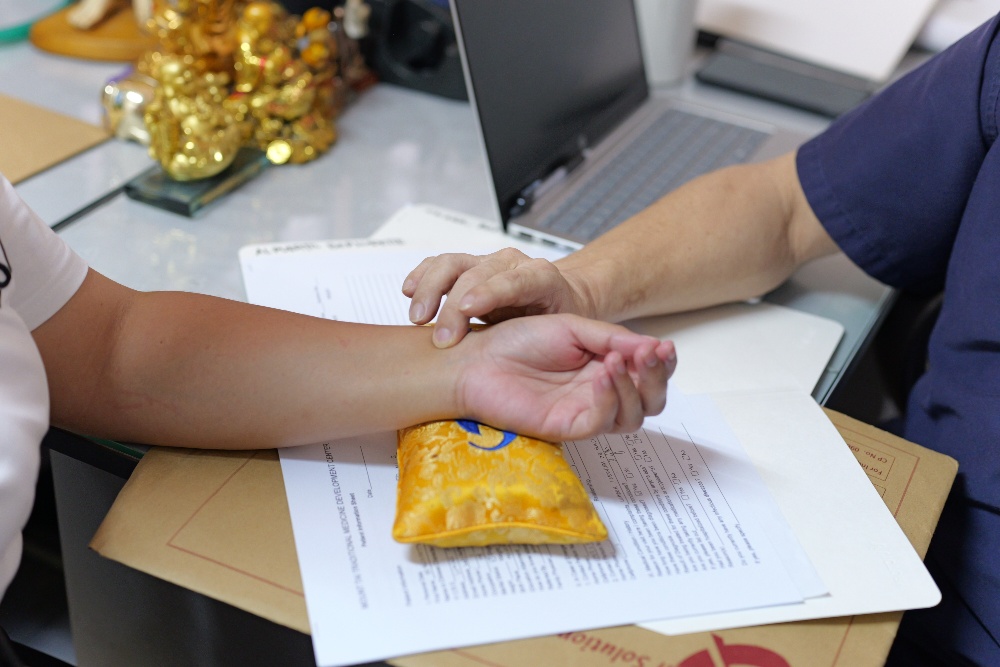
When it comes to TCM, certified acupuncturist and massage therapist Vas Bismark said that patients are assessed using a “combination of diagnostic protocols such as pulse and tongue diagnosis.” Practitioners conduct what is known as Shi Wen or “The 10 Questions” about your health and lifestyle to identify patterns of imbalance.
These may include asking about your temperature, sweating, pain-related issues, digestion, head and face, among others.
Fellow acupuncturist and herbalist Jeffrey Tse Fai Chua, meanwhile, noted that diagnosis is based on syndrome differentiation or Bian Zheng, which involves “identifying functional patterns of imbalance in the body rather than diagnosing a disease entity alone.”
Apart from asking detailed questions, Chua said that they also observe the patient by evaluating their “spirit (Shen), complexion, posture, and especially the tongue, including its color, shape, and coating.”
They also assess the quality of the voice, breathing patterns, cough, and any abnormal odors, as well as feeling the pulse at the wrist to check the functional state of the Zang-Fu organs like the heart, spleen, intestines, and the like.
“Practitioners may also palpate affected areas to identify pain, stagnation, or sensitivity and to assess the nature of pathogenic factors,” Chua said.
Treating common illnesses
In alleviating patients from common illnesses, Western treatment primarily involves over-the-counter medications.
“For common symptoms like fever, headaches, or body pain, treatments can be simple, such as paracetamol, rest, hydration, and reassurance. In some cases, basic blood tests may be done to check for infection or other underlying issues,” Sia said.
“Some treatments, such as pain relievers given intravenously, can work within seconds or minutes. Other forms of healing, such as recovery from infections, rehabilitation, or long-term conditions, naturally take time. Medicine can relieve symptoms, but healing often requires patience, follow-up, and trust in the process,” she added.
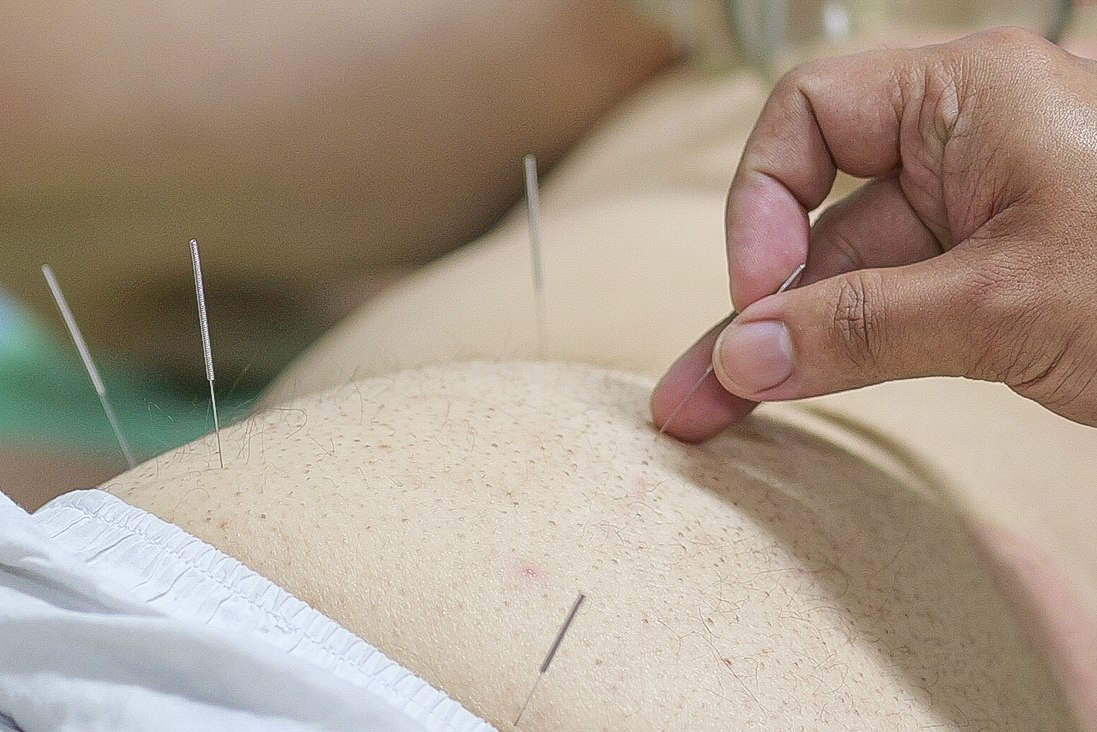
Meanwhile, the TCM system involves a variety of medicinal practices. The most common include acupuncture, herbal remedies, cupping, massage, and diet therapy.
For acupuncture, Bismark said this method improves overall flow and circulation of Qi: the “vital life energy” that flows through the body and keeps it functioning properly.
“It stimulates the body’s ability to heal itself. A combination of acupuncture treatments and herbal medicine pairs very well for those looking to optimize their health and address chronic issues,” he said.
Chinese herbal medicine is meanwhile used to address internal imbalances and root causes, such as releasing the exterior, clearing heat, tonifying deficiency, or harmonizing organ systems, according to Chua. These herbs can be packaged into formulas rather than individual plants to cater to the patient’s specific medical needs.
Chinese herbal medicine has been used to treat various disorders, including stroke, heart disease, mental disorders, and respiratory diseases.
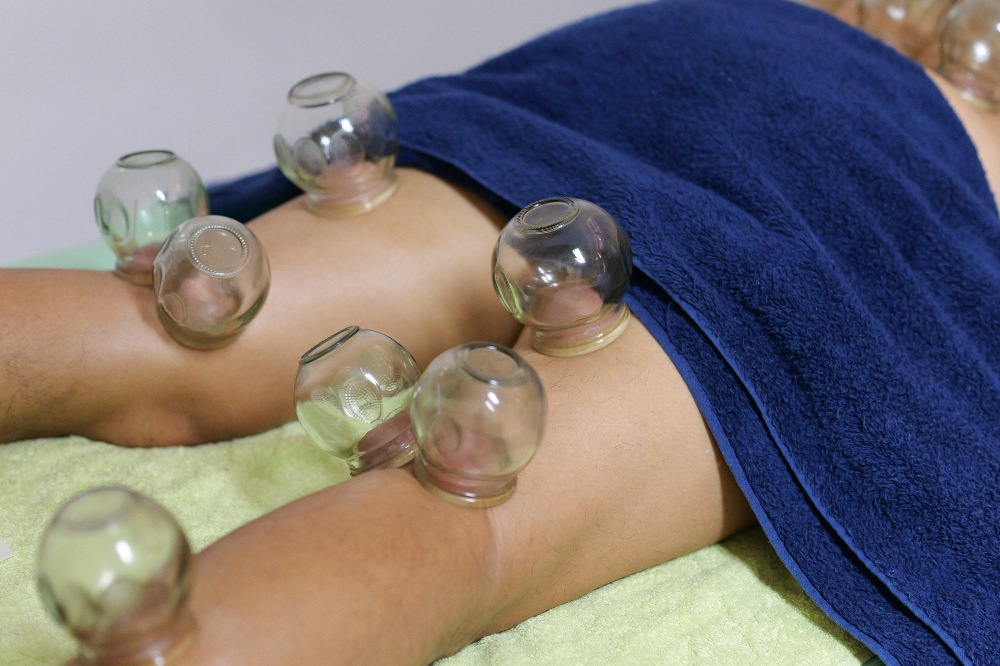
Cupping therapy, on the other hand, is an ancient form of medicine that involves placing special cups on the skin to create suction and promote Qi and blood circulation, which then helps relieve muscle tension.
“In certain conditions, it may assist in resolving external pathogenic factors such as wind, cold, or dampness at the body surface,” Chua said.
A similar method is moxibustion, which entails the burning of mugwort leaves on or near specific acupuncture points to warm, stimulate, and improve the flow of energy and blood. All of these are complemented by lifestyle and dietary advice, which Chua said involves “adjusting food choices according to constitution, season, and the nature of the illness,” such as warming foods for cold patterns.
Bismark noted that every patient recovers at their own pace. Some are “born with more energy, and others are already weakened," he said.
“Acupuncture works with existing energy inside the body. The more energy there is… generally speaking, the faster the recovery,” he added.
Per Chua, patients may experience improvement immediately or within one to three treatment sessions for acute conditions such as common colds, mild headaches, or acute musculoskeletal pain.
What sets Western medicine and traditional Chinese medicine apart?
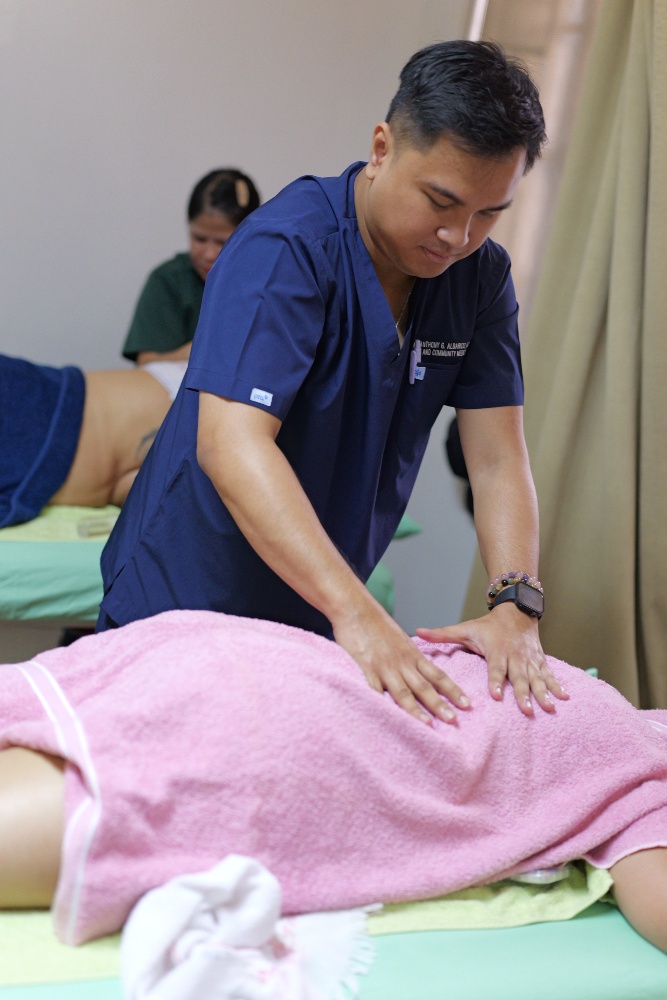
Jake Anthony Albarico, a Western-trained medical doctor who also practices TCM, said that the principle of pattern identification is one of the main things that sets TCM apart.
“In TCM, the etiology of illness is not limited to bacteria, viruses, trauma, or psychosocial factors. Instead, it involves a philosophical interplay with environmental influences such as wind, cold, dampness, summer-heat, dryness, and fire,” he explained.
“Emotions and the properties of food are also considered to have a profound impact on health,” he added.
Sia told L!fe that whereas Western medicine is “reductionist” in that it “looks for disease at the level of organs, cells, or molecules, and treats those directly,” TCM “focuses on balance and on the idea that health comes from harmony within the whole body.”
While some may think that TCM is simply a folk practice, Sia shared that in China, it is a formal, regulated medical discipline, taught and practiced alongside Western medicine.
But with differing perspectives on health, questions often arise about which approach works best to treat illness.
Bismarck highlighted that TCM in general is “limited to out-patient care and rarely applied in emergency cases such as accidents and trauma.”
“Western medicine helps in keeping and extending the life of patients in emergency situations. TCM is great at bringing them back to the road of recovery once patients have stabilised,” he said.
From his experience, Albarico believes that the personal preferences of the patient are what matter.
“If the patient is on a very tight schedule and is afraid of acupuncture needles, then the use of analgesic medication would be a better choice. But if a patient who is not afraid of acupuncture needles and could spare at least 20 to 30 minutes of time resting, then acupuncture, moxibustion, and tuina are suggested as possible treatment modalities,” he explained.
Despite these differences, medical practitioners can still combine treatments from both approaches as they ultimately share the same goal.
As Sia puts it, “While they are built on different philosophies, both ultimately aim to relieve suffering. When approached with humility, respect, and critical thinking, they don’t have to compete; Sometimes, they simply explain the same experience in different ways.”
Albarico highlighted that these two modalities can be safely integrated through “proper training, knowledge, and a clear referral system.”
“When a physician or TCM practitioner encounters a patient, they should incorporate both TCM or conventional medicine modalities in their practice. They may recommend follow-up or consultation with a TCM practitioner or a conventional physician to ensure collaborative care in managing the patient’s condition,” he said.
However, it’s important to check the credentials and registration of the practitioner, such as certification from the Philippine Institute of Traditional and Alternative Health Care for TCM practices or licensure from the Professional Regulation Commission for physicians.
***
Disclaimer: This article is not meant to replace professional medical advice. Always consult your doctor for any questions you may have.

WATCH: Discovering Vietnam in three days
June 9, 2026