

Coffee: Friend, foe, or co-worker?
There are only two kinds of mornings: those before coffee, and those after coffee.
For millions of Filipinos, the day does not truly begin until the first cup of coffee. It fuels meetings, jump-starts morning commutes, rescues sleepy students, and keeps physicians awake during long hospital rounds.
Yet coffee has also been blamed for palpitations, insomnia, anxiety, and elevated blood pressure. So who is telling the truth—the coffee lovers or the coffee critics? As it turns out, both may be right.
Coffee-wise, there are two kinds of people: those who wake up before coffee, and those who insist they cannot possibly function until after it.
As a cardiologist, I occasionally wonder whether some of my patients would recognize their own spouses before recognizing their morning espresso.
One gentleman cheerfully confessed, “Doctor, my blood type is cappuccino.”
CONTINUE READING BELOW

I resisted the temptation to order a laboratory confirmation.
To drink or not to drink coffee?

Coffee has become one of humanity’s favorite beverages. Every day, billions of cups are consumed around the world. It accompanies business negotiations, family reunions, medical conferences, college examinations, late-night deadlines, and, for many physicians, hospital rounds that begin before sunrise.
Yet few beverages have generated as much confusion. One week we hear coffee prolongs life. The next week someone announces it causes heart disease. Should we drink it? Or should we fear it?
The answer, as in much of medicine, is more nuanced than many people realize. Coffee is a remarkably complex beverage containing hundreds of biologically active compounds. The best known is caffeine, a natural stimulant that temporarily blocks adenosine, a brain chemical that promotes sleepiness.
The result is familiar. You become more alert. Reaction time improves. Concentration sharpens. Mood often brightens. For someone facing an early morning meeting after a poor night’s sleep, caffeine can feel almost miraculous.
The science of coffee
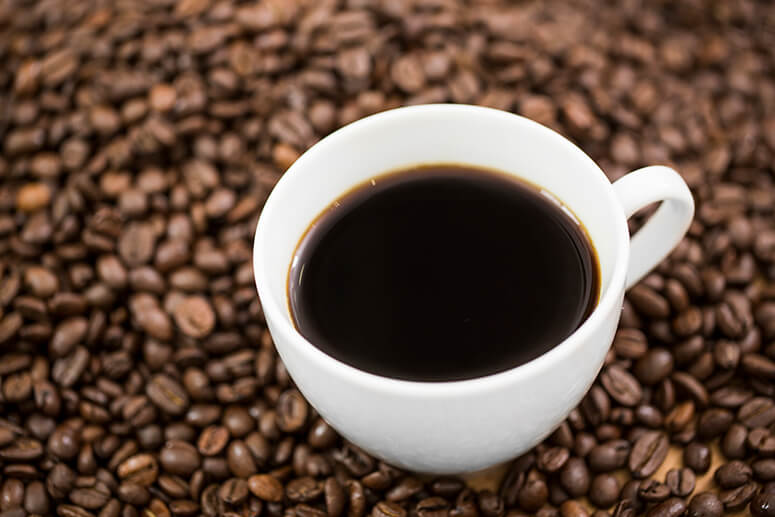
There is good scientific evidence supporting several health benefits of moderate coffee consumption. Large observational studies have associated regular coffee drinking with lower risks of type 2 diabetes, chronic liver disease, Parkinson’s disease, and, in some populations, lower overall mortality.
Some studies even suggest modest reductions in cardiovascular risk among moderate coffee drinkers. That statement surprises many patients. For decades, coffee acquired an undeserved reputation as an enemy of the heart.
The evidence today paints a more reassuring picture. For most healthy adults, moderate coffee consumption—roughly one to three cups daily, depending on cup size and caffeine content—is generally safe.
The harmful transformation of coffee

Coffee itself is rarely the problem—what we pour into it sometimes is.
A plain cup of brewed coffee contains very few calories. Transform it into a caramel double-whipped extra-syrup frozen masterpiece with whipped cream, chocolate drizzle, and enough sugar to qualify as dessert, and you have created something nutritionally very different.
Sometimes it is not coffee we are drinking; it is melted cake.
Caffeine also deserves respect. Like many good things in life, the dose matters. Too little may accomplish very little. Too much may accomplish far more than you intended, leading to palpitations, jitteriness, anxiety, restlessness, hand tremors, and difficulty sleeping.
Occasionally, patients visit my clinic convinced they have developed a serious heart rhythm problem. After careful questioning, the diagnosis turns out to be simpler. Three energy drinks. Two large coffees. One cola. And perhaps a chocolate bar for good measure. The heart is simply asking for mercy.
Individuals vary remarkably in how they metabolize caffeine. Some people can drink an espresso after dinner and sleep peacefully by ten o’clock. Others become wide awake after just half a cup at lunchtime. Blame your genes.
Our bodies process caffeine at different speeds. This is why there is no universal “safe” amount that fits everyone.
One area deserving special attention is sleep. Many people insist coffee does not affect them. Then they tell me they sleep only five hours a night. Caffeine’s stimulating effects may persist much longer than people realize. Drinking coffee late in the afternoon or evening can quietly shorten or fragment sleep, even when individuals do not fully recognize it.
Ironically, poor sleep often leads to more coffee the following morning. The cycle continues. Coffee becomes the treatment for fatigue partly created by yesterday’s coffee.
Energy drinks

Then there are energy drinks. Although they also contain caffeine, many include high doses of sugar and other stimulatory ingredients. Rapidly consuming several cans within a short period has been linked to serious cardiovascular events in susceptible individuals, particularly among adolescents and young adults.
Energy drinks should not be regarded simply as coffee in colorful packaging. They are different products requiring greater caution.
Certain groups should also limit caffeine. Pregnant women are generally advised to keep caffeine intake modest because excessive amounts have been associated with adverse pregnancy outcomes.
Individuals with poorly controlled hypertension, significant anxiety disorders, or specific heart rhythm abnormalities should discuss caffeine intake with their physicians.
The key word is individualized care. Medicine rarely offers one-size-fits-all advice.
Coffee also reminds us of a larger lesson. Many people use caffeine not because they love coffee but because they are chronically exhausted. The real problem may not be insufficient caffeine. It may be insufficient rest.
No amount of espresso can permanently compensate for chronic sleep deprivation. Eventually, the body demands repayment.

Perhaps we should stop asking whether coffee is healthy. Instead, we should ask whether our overall lifestyle is healthy. Do we sleep enough? Exercise regularly? Eat wisely? Manage stress? Maintain healthy relationships?
Coffee can enhance a healthy lifestyle. It cannot rescue an unhealthy one.
As physicians, we often search for miracle foods capable of preventing disease. Coffee is not a miracle. Neither is it a menace. It is simply another reminder that moderation remains one of medicine’s oldest and wisest principles.
So in the morning, enjoy your coffee. Savor the aroma. Appreciate the ritual. Smile at your fellow coffee lovers.
Just remember that the goal is to wake up your brain—not to startle your heart.
And if you find yourself needing your fifth cup before noon, it may be time to ask a different question.
Perhaps the real prescription isn’t another latte.
Perhaps it’s another hour of sleep.

WATCH: Is Gen Z too soft? (Generations Ep. 23)
September 30, 2026
WATCH: Do you still believe in marriage? (Generations Ep. 17)
August 19, 2026