

Telling it like it is in women’s sports
In 2019, Monique Del Carmen was the UAAP Finals MVP for Women’s Basketball. It was the NU Lady Bulldogs’ 6th consecutive championship, deep into the longest win streak in the Philippines’ basketball history.
And yet, there was no confetti. No courtside interviews for the TV broadcast. No ladder for the girls to cut the net, the way all champions do.
As the lights turned off in the arena, Monique climbed onto her teammates’ shoulders. They held her by the ankles as she reached towards the net, as if to say: If you won’t give it to us, we’ll take it ourselves.
Today, Monique is on a massive billboard visible from the Skyway—the face of a campaign for Jordan Brand. Hidilyn Diaz, Nesthy Petecio, and Aira Villegas have broken barriers in the Olympics. Alex Eala is getting a whole generation invested in tennis.
And yet, it’s not because the opportunities were always there. The growth of women’s sports was not given. It was taken by women who refused to take no for an answer.
The cost of telling the truth
I joined the sports media industry as a courtside reporter and sportswriter in 2015—a fever dream of a time when women’s volleyball was taking the Philippines by storm, yet the media coverage came hand-in-hand with the sexualization of athletes.
CONTINUE READING BELOW

“Our top 10 Volleybelle Crushes.” “Guess the athlete just by looking at her body.” “Girls who look good even while playing.” All real headlines that male-dominated sports desks were publishing at the time.
View this post on InstagramA post shared by Go Hard Girls | Women Empowerment through Sports Storytelling (@_gohardgirls)
Whenever I pushed back against my editor or my male colleagues, they would say, “We’re just giving people what they want.”
I was 24 years old and more than a bit naive. Maybe they just needed data. I wrote an investigative article about sexism in Philippine sports media coverage, and how focusing on women’s looks doesn’t just hurt athletes who don’t fit conventional beauty standards, but also diminishes the accomplishments of women who do.
The gender gap in sports will never be solved by one journalist, one media company, or one athlete. It takes all of us—a public that tells it like it is.
The response from athletes and women was resounding: Finally, someone was saying it. But behind the scenes, my editor scolded me for “biting the hand that feeds me,” and warned others in the office that I was “too opinionated.” Soon after, I was out of a job.
Telling the truth puts a target on your back, but it also activates a homing beacon for the right people to find you. It was a blessing in disguise. That independence opened the door to create Go Hard Girls, a podcast that would be the country’s first sports show focused on women’s sports.
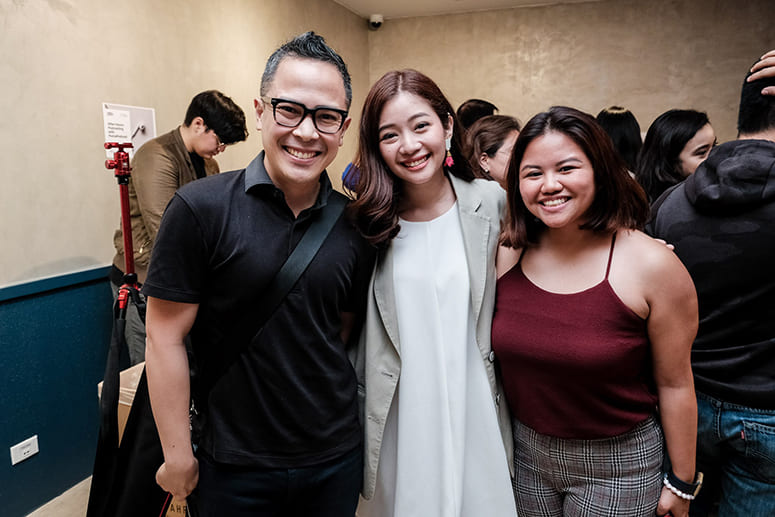
We crowdfunded to get us off the ground, and the first people are still part of our community to this day: Atty. Mickey Ingles of The Law Firm of Ingles Laurel Calderon, the pioneering sports law firm in the Philippines. Mariana Lopa, managing director of the NGO Girls Got Game, who would go on to become UAAP Deputy Commissioner and is now working for the world’s biggest sports. Bee Go, a fellow Filipina sports reporter who would later start her own company.
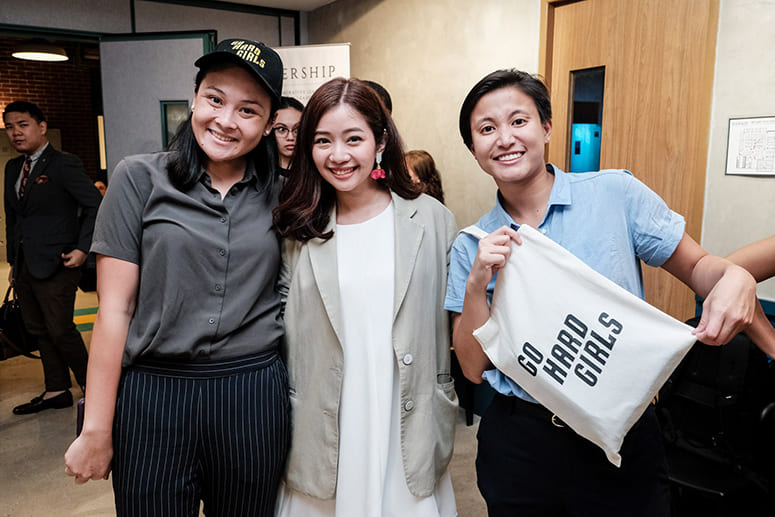
By creating women-centered sports storytelling, we, too, were giving people what they wanted. There was more than one kind of audience for sports content.
At the same time, as journalists, the job was never simply to “give people what they want,” but to deepen their understanding with the perspective that they need.
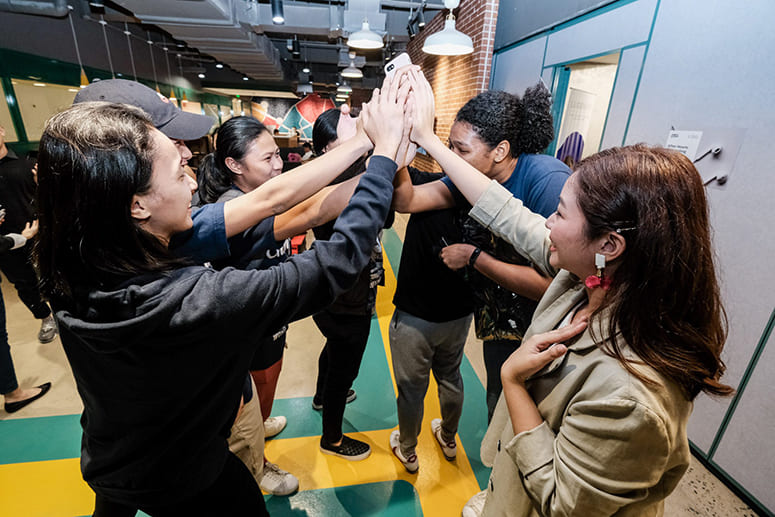
A community that speaks up
Six years since we started Go Hard Girls, we’ve grown from just a podcast to an independent media initiative. We’ve worked with international development organizations to train up women in sports, worked on campaigns with leading sports brands, and run an advocacy journalism campaign that helped equalize referee pay for UAAP men’s and women’s basketball.
View this post on InstagramA post shared by Go Hard Girls | Women Empowerment through Sports Storytelling (@_gohardgirls)
Together, we can smile and joke about how crazy those dark ages were. And I say we, because the movement was never just us, nor was it even started by us.
Working in the media just means you push in public. But the progress that women’s sports is enjoying today is also the result of a million stands taken outside the public eye.
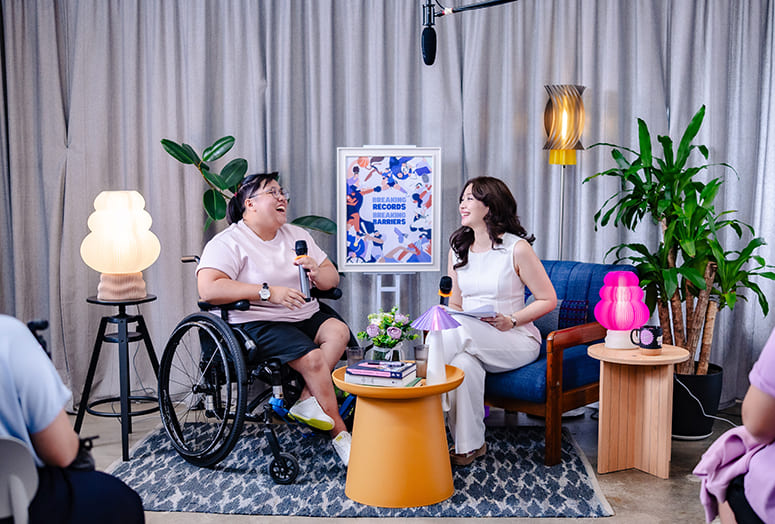
It’s Allana Lim threatening to walk out of the 2016 PBA Women’s 3x3 competition after the organizers wanted her to wear volleyball shorts during the opening ceremony. It’s former RP Blu Girls captain Cheska Altomonte pushing back against brands, saying, “Don’t tell me my legs are too big, when these legs brought me to where I am today.”
It’s former UAAP athletes who now work in sports marketing, who are exerting influence to ensure women athletes aren’t overlooked in campaigns. It’s women executives like SBP executive director Erika Dy, who can champion budget and policy in the boardroom.
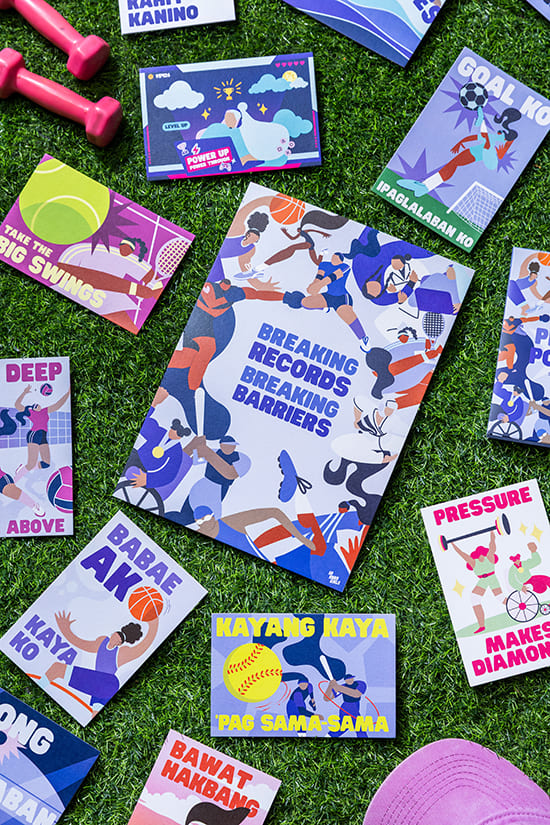
Telling the truth as a journalist was only ever one part of the puzzle. The magic happens when we create a culture where the truth is shouted from the rooftops by enough people that our voices cannot be silenced.
This year, volleyball athletes like Jia De Guzman used their massive platform to speak out against the Philippine National Volleyball Federation’s policies and call for athlete welfare. Their courage led to Gabriela Women’s Party backing the athletes, and the federation being suspended by the international governing body for volleyball. The issues are not fully solved, but it’s a huge step forward.
And so we go on, a chorus of voices with a common hope. The gender gap in sports will never be solved by one journalist, one media company, or one athlete. It takes all of us—a public that tells it like it is.

WATCH: Is OPM still as good as it used to be? (Generations Ep. 20)
September 9, 2026
WATCH: Can we talk about death and grief? (Generations Ep. 25)
October 14, 2026
WATCH: LGBTQIA+ people with unlikely professions
June 28, 2026