

The underrated joy of giving zero f**ks in middle age

Every week, PhilSTAR L!fe explores issues and topics from the perspectives of different age groups, encouraging healthy but meaningful conversations on why they matter. This is Generations.
For film and book characters, the triumphant point when they finally let go of society's expectations and follow their own compass usually comes after an emotional climax in their story. I only had to reach middle age to do that.
Although I've always been a march-to-the-beat-of-her-own-drum kind of person, it was only when I got to my late-40s that I realized how refreshing and liberating it was to own this quirk.
The internet tells me I am not the only Gen Xer who feels this way. Across social media, I've seen videos of people my age lip-syncing to '80s tunes while daring the world to raise our tolerance for nonsense.
One clip lifted from the film The Shawshank Redemption shows Morgan Freeman's Red telling the parole board, "I don't give a sh*t." A social media user jokingly used it to describe Gen X's reaction to the world preparing for cyberattacks, blackouts, and food shortages.
Caring less
Stoicism is not an innate skill. To get to this Keanu Reeves-level of unbothered, I—and I suspect many of my salt-and-pepper-haired peers—had to go through decades of conformity.
CONTINUE READING BELOW

In grade school, my classmates and I were expected to put our hands on our laps and keep our mouths shut during school assemblies. Before class, we had to fall in line exactly one arm's length away from the person in front of us. When we wrote by hand, which, back then, was the only way to do our homework, we had to use slanted cursive. We were to wear our blue-and-white ruffled uniforms properly and behave like ladies.
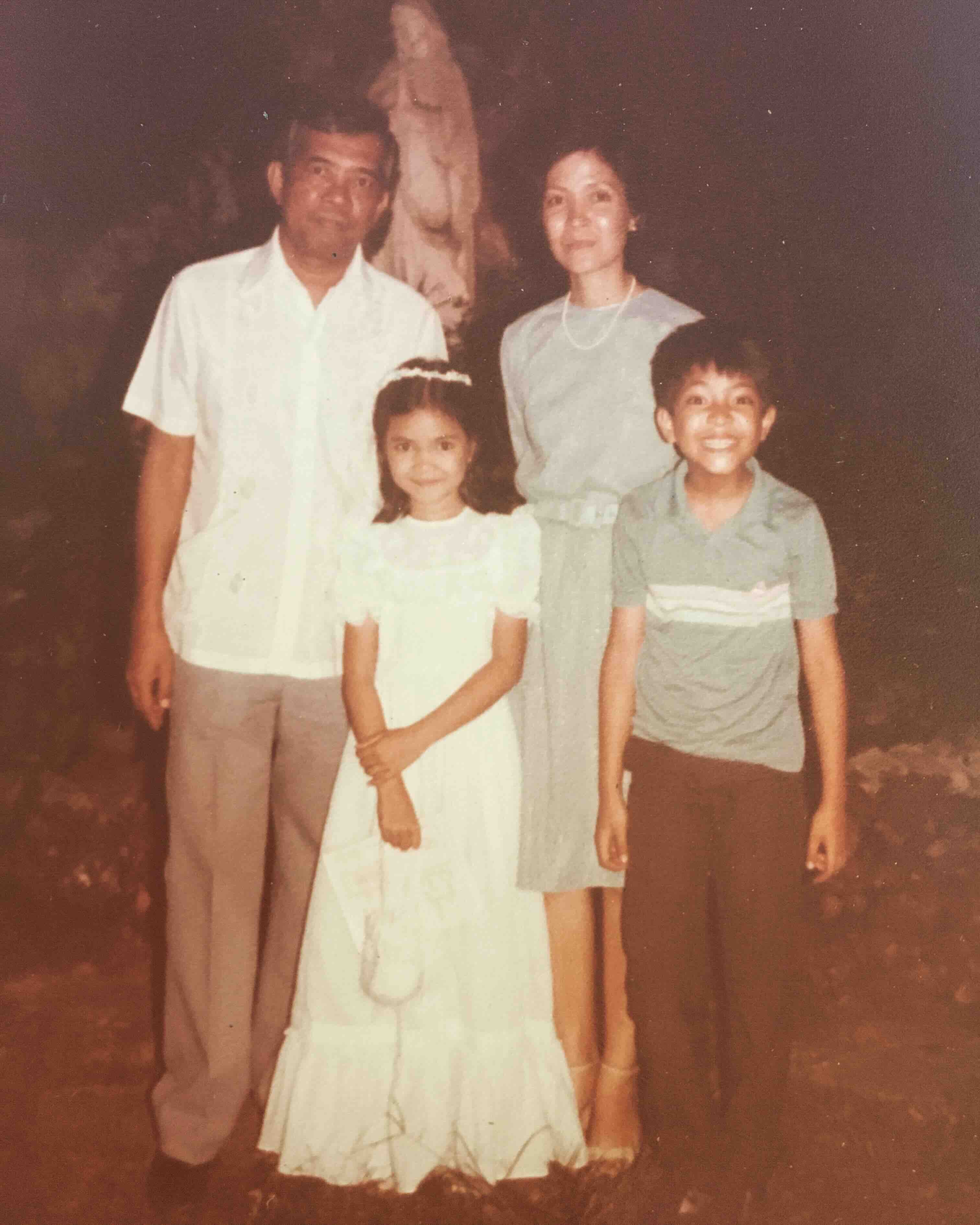
The rules of compliance transitioned smoothly to high school. We had already been molded for six or seven years; high school was the time to allow the seed to bear fruit.
So I went through the motions of growing fruit. Because of the structured training I received in school, I followed the formula for a while. I did college and graduated relatively on time. Then I found a job and did the prerequisite existential crisis for 20-somethings. Toward the end of that decade and over the next one, I got married, had kids, and continued working.
The nuns at my high school would have been proud of the predictable trajectory my life has so far taken.
Little by little, the picture of a predetermined life started to develop cracks. It showed in my life choices as I grew older.
When I was 21, I got a job as an editorial assistant at a men's magazine where I was the only girl on staff. While I got very good at brushing off whispered debates about how I could stand the sexist humor the magazine thrived on, it somewhat bothered me that some of my officemates gossiped about me.
Eventually, I realized these were people I didn't hang out with nor share any meaningful conversations with. "Why would I care what they thought?" I cautiously asked myself.
Years later, I met my now-husband, got pregnant, got married, and had a baby. It was certainly not the order of things I grew up learning about. But I convinced myself that "it is what it is," and walked down the aisle eight months pregnant on that cold day in December years ago.
Although I got quite good at being unbothered, I still made some people-pleasing decisions in my early 30s.
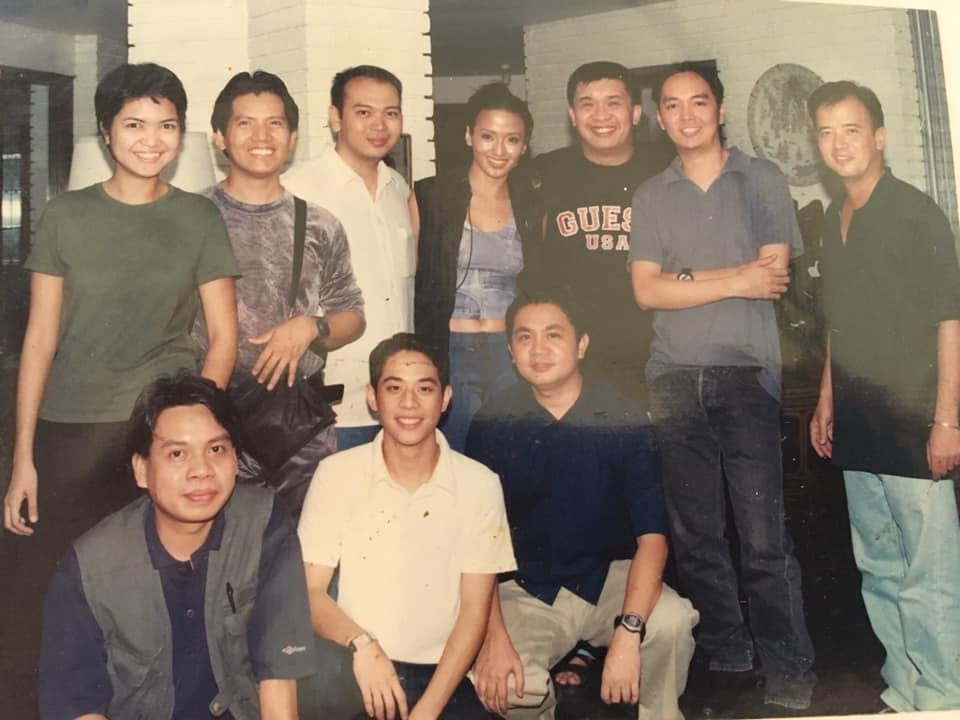
But when I hit middle age, I felt as if I'd earned a quick pass to freedom from bending over backward for the sake of public approval. Realizing it was like taking off my bra at the end of a long day, I could finally take a deep breath and live fully.
It's a common thing that often comes with age, according to anthropologist Raizel Albano.
"As we get older, we tend to care less about some things that we used to care for when we were younger because, in general, we have different goals in different stages of our lives," Albano told PhilSTAR L!fe.
It's a way of turning inward and protecting what's most important, she added.
"As we grow older, we tend to go back 'home'—to ourselves, to communities, places, and things that make us feel safe—because we find ourselves more and more vulnerable physically, mentally, and emotionally," Albano said. "It’s a natural instinct for self-preservation. As a result, we appear to 'care less' about external things, such as titles and prestige, and 'care more' about things that will nourish and sustain us until the day we die."
The joy of intentionality
That explains why these days, my middle-aged capacity for caring about what others think regarding how I live is especially low.
I no longer care about job titles as long as I get to do what I like and what I'm good at.
When I get dressed, I wear what I want. I used to subconsciously suck in my tummy when I wore figure-hugging tops or dresses. In my early 40s, I decided to teach myself to breathe normally and free my stomach. Also, I no longer wear figure-hugging tops and dresses.
I've stopped going around explaining my choices. I never realized how exhausting that was until I stopped doing it. My energy, I've realized, is not infinite. Therefore, I've decided to use it for things that matter, which do not involve living up to strangers' expectations and approval.
It isn't only that I've stopped living according to how others think I should live; I've also become more intentional about what I choose to pay attention to.
In the 2014 film Chef, Jon Favreau plays Carl Casper, a chef at a high-end restaurant who gets burned by a food critic's review. Fed up with a stressful job that he has no control over, Casper walks away from the restaurant and puts up a food truck where he creates a menu of everything he genuinely loves.
Over a year ago, I also walked away from a job I wasn't suited for. An acquaintance, who saw my LinkedIn job update from deputy features editor to content producer, asked if I was okay.
"I'm more than okay because I get to write about different things every day," I answered. But only in my head. Because I'm done explaining my life to acquaintances. And that makes me even happier.
Generations appears weekly at PhilSTAR L!fe.
