

ANALYSIS: Experts weigh in on Marcos' flood control rhetoric, crisis management, and strategic use of language in SONA 2026
President Ferdinand "Bongbong" Marcos Jr. began his fifth State of the Nation Address on Monday, July 27, by picking up where he left off in his last SONA: the flood control mess.
Experts found it a strategic move, but it needed a strong follow-up, such as a long-term anti-corruption plan. In any case, throughout his one-hour and 26-minute address, they agreed the President came across as confident and decisive, though a bit rushed.
PhilSTAR L!fe sought experts to analyze Marcos' 2026 SONA—from his manner of speech and his choice of topics to his overall delivery.
Confident and authoritative
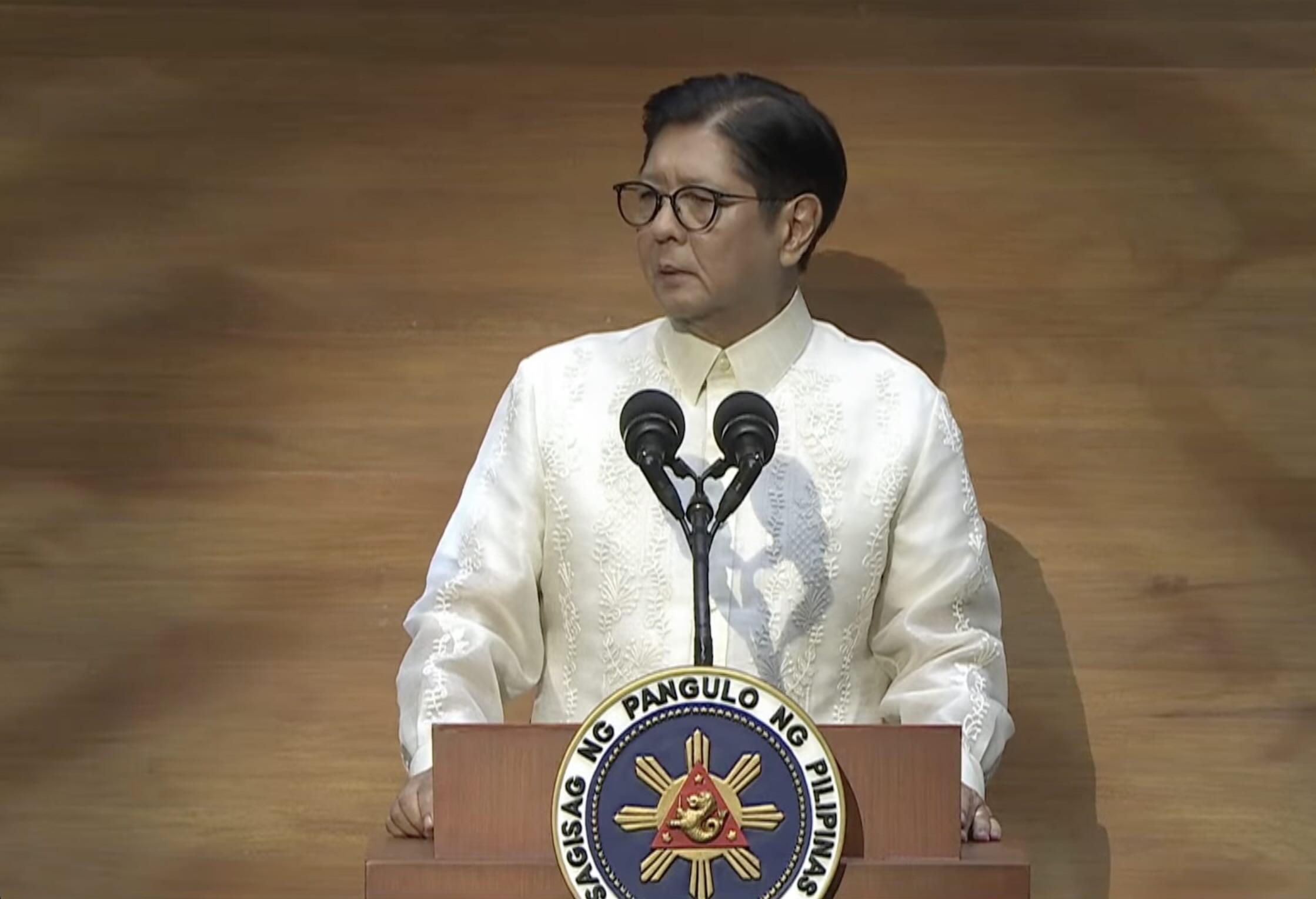
Psychologist Jan Patrick T. Magpantay noted Marcos had an "upright posture, measured pacing, controlled gestures, and consistent eye contact with both the audience and the camera," which denoted "confidence and leadership."
Marcos applied the same body language throughout his speech, making SONA 2026 "the most serious delivery by far," said Lloyd Luna, founder of the Public Speaking Institute and a motivational speaker.
CONTINUE READING BELOW

The President also knew when to soften his delivery to drive home a point.
"There was a noticeable shift in his vocal delivery when he spoke about the victims of the recent school shootings. His voice briefly faltered and his cadence slowed, which may have increased the perception of sincerity for some viewers," Magpantay told PhilSTAR L!fe.
Bilingual delivery
Though he delivered most of his speech in Filipino, Marcos occasionally shifted to English. He used Filipino to speak about PhilHealth programs, developments in senior high school education, the flood control mess, and school shootings. But when the speech tackled foreign policy, the government's clean energy drive, and the country's AI readiness, he spoke in English.
This was a strategic move. "Language significantly shapes how people evaluate credibility and trust," Magpantay told L!fe. "Psychologically speaking, audiences generally perceive messages as more authentic when leaders communicate in concrete, specific, and relatable terms rather than relying on broad or abstract promises."
"The bilingual delivery intentionally [shifted] depending on the type of audience he wanted his message to address," Luna said. "Filipino for the masses and the middle class and English for the upper class, businesses, and the international community."
Fast pace
Marcos' speech would have generally come across better had he spoken at a slower pace, according to Luna.
"[It] could have been more effective if [he did it] at a much slower pace when conveying sincerity or sadness, especially [since] he's not too fluent in the Filipino vernacular," the speech expert told L!fe.
The President's fast-talking pace may have also caused the occasional stutters throughout the speech, which was made more noticeable when he spoke in Filipino.
According to Luna, Marcos' stutters should have been fixed with prior rehearsals, especially for a high-stakes speech like the SONA.
"[The stuttering] could have been avoided if he was not rushing the delivery in some parts of his speech," Luna said. "Live speech is way different from rehearsals. The tendency to speak faster is [brought about by] pressure. A slower tempo should have done the trick."
Still, said Luna, some parts of Marcos' speech benefited from his fast cadence, especially "when he was calling for collective action."
Government intervention over empowerment
Several key issues Marcos spoke about involved government programs and initiatives aimed at making life easier for the ordinary Filipino, including PhilHealth's YAKAP and GAMOT programs, DOLE's DILEEP, and tax exemptions.
For sociologist Louie Checa Montemar, the "inventory of government interventions" did not do enough to empower Filipinos.
"It portrayed Filipinos chiefly as recipients of assistance, consumers in need of relief, workers requiring reskilling, and labor to be integrated into global value chains—not as citizens, producers, and organized communities capable of reshaping economic power," Montemar told L!fe.
By focusing on crisis management and service delivery—i.e., the removal of system loss and VAT charges in electricity bills, expansion of income tax exemptions—Marcos glossed over the "deeper foundations," according to Montemar.
"Concentrated ownership, precarious work, weak bargaining power, regional inequality, and dependence on foreign capital received far less scrutiny," he said.
Lacking follow-through points
According to Montemar, Marcos' speech emphasized security and self-sufficiency, but it was lacking a game plan toward a more equitable society.
"Genuine transformation demands more than assistance, training, and investment promotion. It requires stronger Filipino ownership, robust domestic industries, empowered workers and farmers, accountable institutions, and a broader distribution of wealth and opportunity," the sociologist said. "Otherwise, modernization may alter the machinery of society while leaving its hierarchy largely undisturbed."
The lack of a plan for reforms was echoed by political scientist Cleve Arguelles.
"Were there any proposals from the President to ensure that in the long run, [the flood control scandal] would not happen again? So parang what's really missing is the political reform agenda," Arguelles told L!fe.
Strong start; strong finish
Marcos began his speech by tackling the flood control scandal head-on, a topic many Filipinos anticipated prior to SONA 2026, per survey results. He spoke about how the Ombudsman is getting ready to file numerous complaints against his cousin, former House Speaker Martin Romualdez.
"The first three minutes of his speech was a strategic approach to getting attention by getting right into the heart of the audience," Luna said. "And having the first few minutes spoken in Filipino, it intentionally targeted the masses—the most affected by the flood control mess. Sila 'yung galit na galit."
"It was also strategic because he took off from where he left off one year ago. The audience was treated to a 'sequel'," Luna added.
In closing, Marcos uttered, "We do not yield," in reference to the West Philippine Sea dispute. For Luna, it effectively provided a shift in perspective.
"It practically buried the flood control mess... and shifted the conversation way far from corruption. He surgically shifted the people's attention from domestic issues to an international crusade," Luna said.
Choosing to end his speech with a battle cry boosted "a shared sense of identity by emphasizing unity, resilience, and common purpose," Magpantay said. "During periods of uncertainty, this type of rhetoric can provide reassurance to people."
The psychologist, however, stressed that one's authenticity is still "ultimately judged through the consistency between their words, nonverbal communication, and subsequent actions over time."
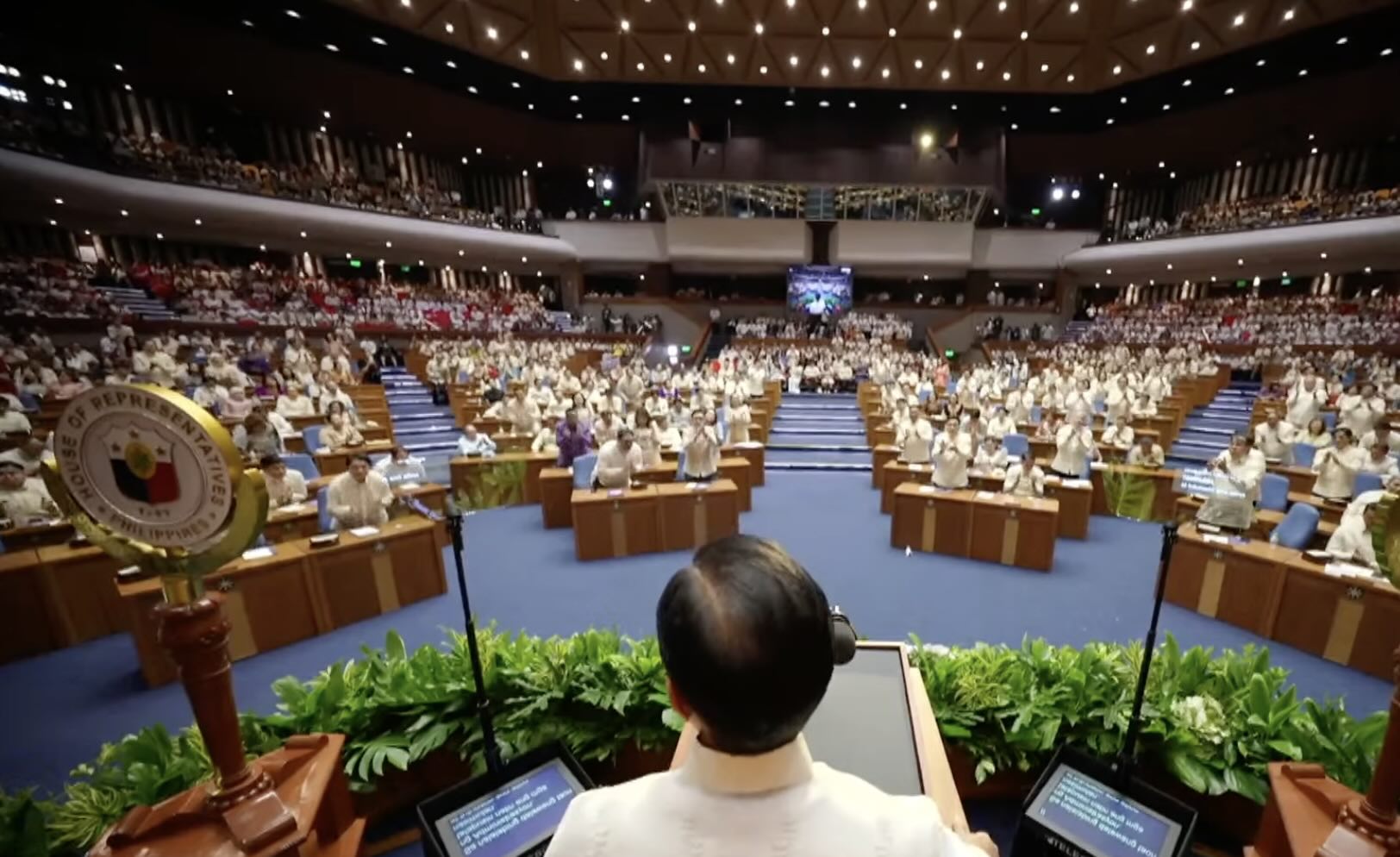
Marcos delivered his fifth SONA at the Batasang Pambansa. You can read his full speech here and check out the key takeaways from it here.

WATCH: Is OPM still as good as it used to be? (Generations Ep. 20)
September 9, 2026
WATCH: Do you still believe in marriage? (Generations Ep. 17)
August 19, 2026