Tipid mode: Small habits that could cut your electric bill
Did you know there are little things you can do to lower your electric bill at home?
Department of Energy Secretary Sharon Garin said in a press conference on Monday, March 9, that based on their simulations, electricity rates may increase by 16% next month as a result of the tensions in the Middle East, which have created inflationary pressures in the energy sector.
Power utility firm Meralco also warned the public that it's expecting rate hikes in the coming months.
While Meralco spokesperson Joe Zaldarriaga noted that they are currently reviewing their fuel position and are working with the government to ensure the continuous delivery of electricity services, he urged everyone to conserve electricity as much as possible.
“Patuloy tayo na magpatupad ng energy efficiency. Let's ensure na matalino at masinop ‘yung paggamit natin sa kuryente sapagkat kapag nama-manage natin ‘yung ating consumption, at the end of the day, mama-manage din natin kahit papano ‘yung ating electricity bill,” he said in an interview with ONE PH.
If you’re worried about your electric bill exceeding your budget, PhilSTAR L!fe asked experts to share some simple moves you can make to save energy in your living space. Read on.
Curtain techniques
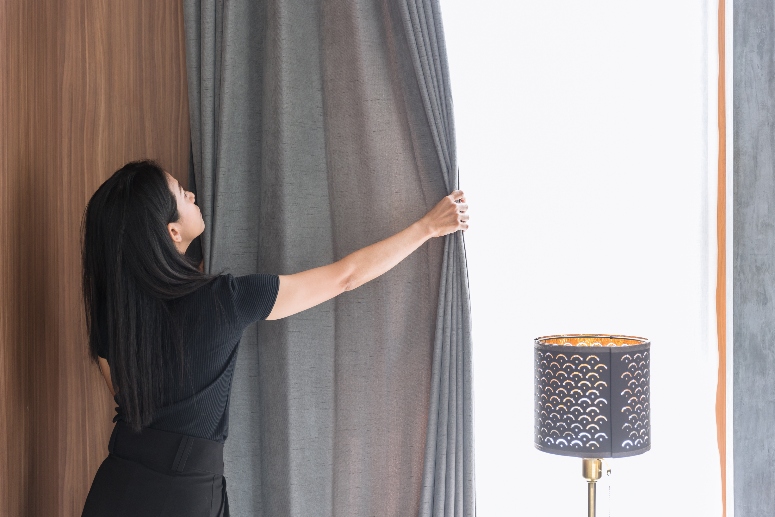
Curtains aren’t just there to add some style to the room—they can also help keep indoor temperatures down and reduce your need to run air-conditioning units for longer periods.
“First, use light-colored curtains because they reflect sunlight instead of absorbing heat. Second, install blackout or thermal curtains to block heat from entering through the windows. Lastly, keep curtains closed during peak sunlight hours, especially from 10:00 a.m. to 4:00 p.m.,” electrical engineer John Paul Balsomo told PhilSTAR L!fe.
Aircon and fan combo
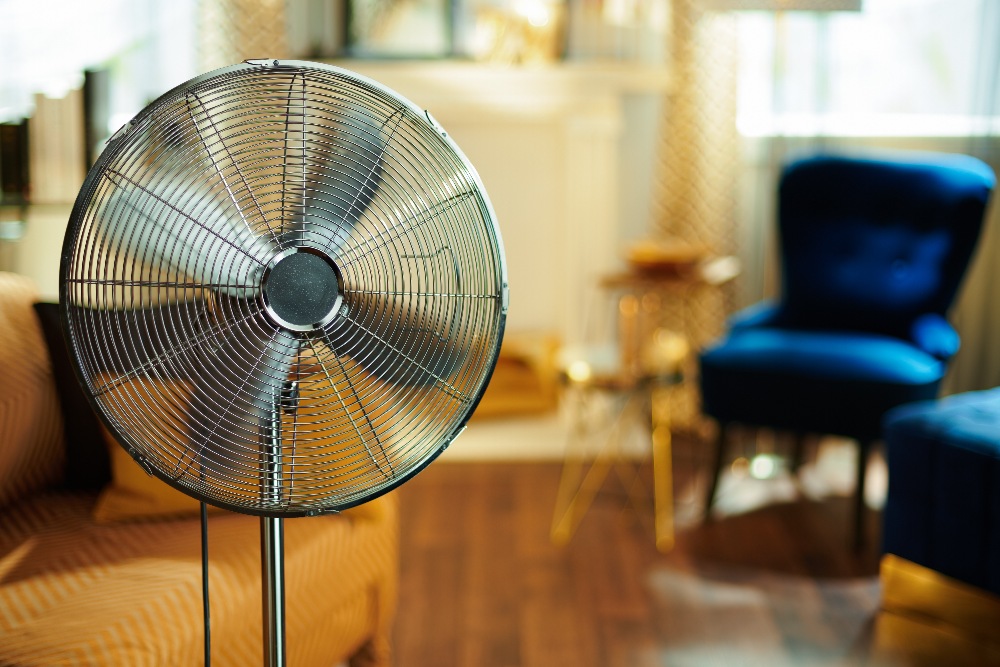
Summer is almost here. There are times when you would need to crank up your air conditioner, which can then affect your electricity bill.
Luckily, you can work your way around that by using your electric fan with your AC to help circulate cool air more efficiently.
Electrical engineer Christian Fetalino explained that a fan “makes the air circulate evenly inside the room using the cool air from the aircon,” sharing that they are currently practicing that technique in his workplace.
Fetalino advised setting your air conditioner at a high temperature at 24 to 26 degrees and letting your fan distribute cool air in your space.
Even Meralco, on its website, shared that doing so with the fan away from the AC can "reduce your AC’s workload."
Cleaning your air conditioner
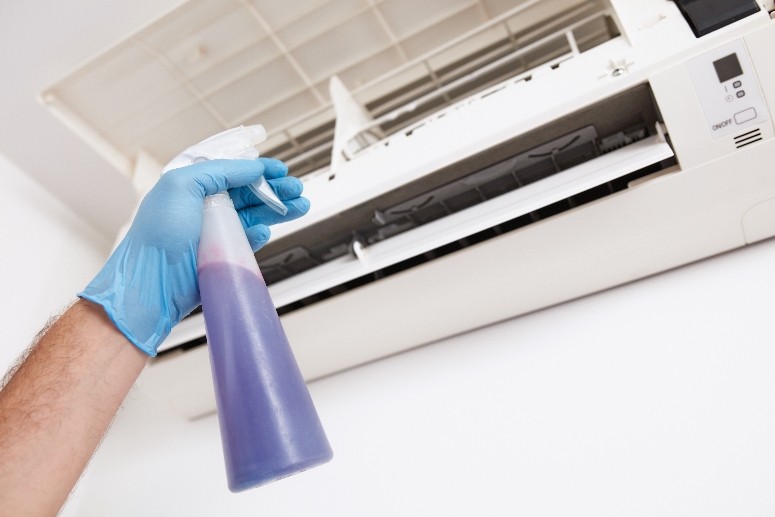
Keep your air conditioner clean can also help you save energy, according to electrical engineer Rene Ariston.
"Cleaning the evaporator and condenser of your unit helps to facilitate the operation of the compressor. Kapag less ang trabaho ng motor, mas tipid ‘yan. Kapag malinis din ang aircon fins, mas mataas ang efficiency ng unit at mas makakapagpalamig at a short period of time," he told L!fe.
Fetalino added, "Once clogged na 'yung coils and filters ng dust and dirt, it will force the unit to work harder and consume more electricity. I highly suggest na linisin talaga araw-araw para mas efficient ang airflow at cooling performance."
Use LED bulbs
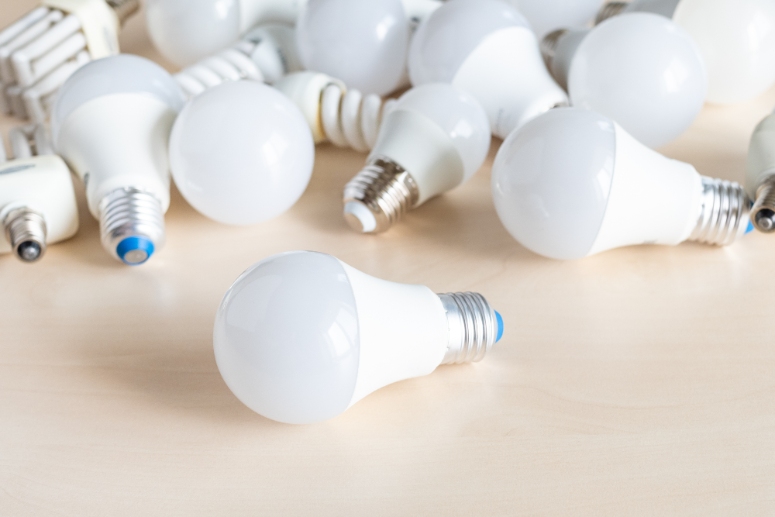
Switching to LED bulbs is another simple way to lower your electricity consumption at home.
Balsomo explained that unlike traditional incandescent or CFL bulbs, LEDs use significantly less power while providing the same amount of light.
"LED bulbs also last much longer and generate less heat, making them more economical and efficient for residential use," he said, "so LED lighting is widely recommended for improving household energy efficiency and reducing electricity costs."
Optimize refrigerator efficiency
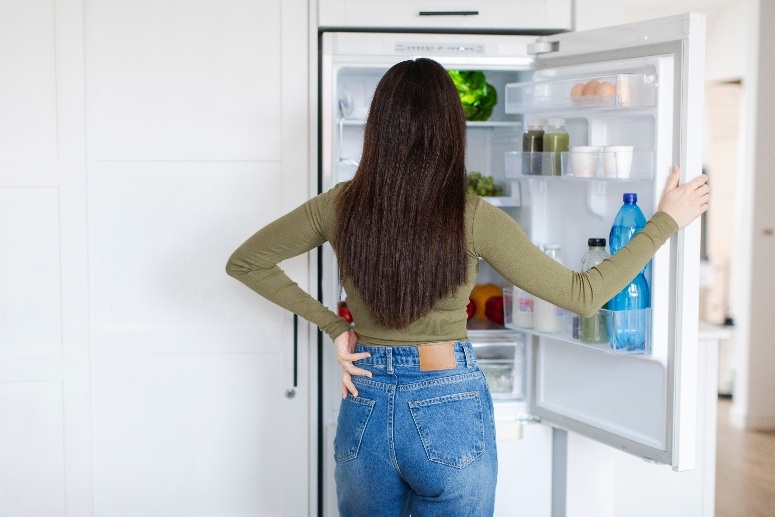
Since your refrigerator runs 24/7, it is one of the biggest contributors to household electricity consumption, which is why small changes can make a big difference.
According to Balsomo, one of the things you can do is to keep a three to five-centimeter space behind the refrigerator for proper heat dissipation. You also shouldn’t place it near walls, ovens, or direct sunlight and defrost it regularly if it is not frost-free.
“This improves heat exchange efficiency of the condenser,” he said.
Measure your actual load

One mistake that many households make is not being aware of which appliance consumes the most electricity. The solution to this is by measuring your actual load.
“Use a plug-in power meter or energy monitor to measure the actual wattage of appliances like refrigerators, TVs, and air conditioners,” Balsomo said.
“You might discover that some appliances consume more power than expected, especially old refrigerators or inefficient air conditioners,” he added.
Avoid undersized wires

Loose electrical connections and undersized wires can create voltage drops, causing appliances—especially motors—to draw higher current.
Balsomo urged that you should tighten electrical connections in panels and outlets. You should also avoid very long extension cords and use proper wire sizes as “less current means less power loss.”
“The more na mahaba ang wire, nagiging mataas or directly proportional ‘yung power loss kaya ang ginagawa nilalakihan ang wire para mababa ang voltage drop at the same time bababa din ang power loss,” he explained.
“The safest size is 3.5 square millimeters kasi mostly na sinasaksak sa extension cord ay mga load na ‘di naman permanent like mga portable loads natin,” he added.
Choose the right size for your appliances

They say that bigger is better, but that’s not always ideal especially if you’re trying to save electricity.
For instance, Meralco noted that the bigger the TV, the higher the wattage ratings are.
“The screen size of your TV should be based on your viewing distance from the unit. For your high-definition TV, first measure the viewing distance starting from the viewing area, like sofa or bed, to where you will place the HDTV unit. Minimum viewing distance = screen size x 1.5. Maximum viewing distance = screen size x 3,” they said.
The same goes for your air conditioner.
“An aircon unit too big for the size of your room is likely to turn on and off more frequently and in effect, consume more energy in the process,” Meralco said. “On the other hand, an aircon that is too small for the size of your room never stops running as it will continuously work to reach your desired temperature level.”
The appropriate room size to aircon horsepower is as follows:
- 6 to 11 sq. m - 0.5 HP
- 12 to 17 sq. m - 0.75 HP
- 18 to 22 sq. m - 1.0 HP
- 23 to 27 sq. m - 1.5 HP
- 28 to 40 sq. m - 2.0 HP
- 41 to 54 sq. m - 2.5 HP
Other things to keep in mind
If you're using a lot of appliances at home, Balsomo recommended opting for energy-efficient appliances, especially those with inverter technology. "Inverter air conditioners and refrigerators consume less electricity because they adjust their power depending on the load instead of running at full capacity all the time."
He added that a simple switching habit can also make a difference—always turn off lights, fans, and appliances when they are not in use.
But saving energy doesn't stop at simply hitting the off switch. Fetalino recommended unplugging your outlets when not in use, especially during sleep. He also suggested maximizing the use of natural sunlight for illuminating your space and drying your clothes, among others.
"Lowering your electricity bill is not only about using less power, but using electricity more efficiently and wisely," Balsomo added.