

The psychology of shopping (till your ankles file a formal complaint)
There are two kinds of people in this world: those who enter a mall “just to buy toothpaste” and those who emerge four hours later, dehydrated, clutching seven shopping bags, and wondering why they now own a decorative tray shaped like a pineapple.
If shopping were an Olympic sport, many of us would qualify not just for the finals, but for physical therapy afterward.
So why do perfectly rational, budget-conscious adults suddenly lose all fiscal discipline the moment they hear the words “up to 70% off”?
Welcome to the fascinating psychology of shopping—where dopamine, social pressure, childhood memories, and very strategic lighting all conspire against your credit limit.
Dopamine with a price tag
At its core, shopping is not an economic activity. It is a neurological event.
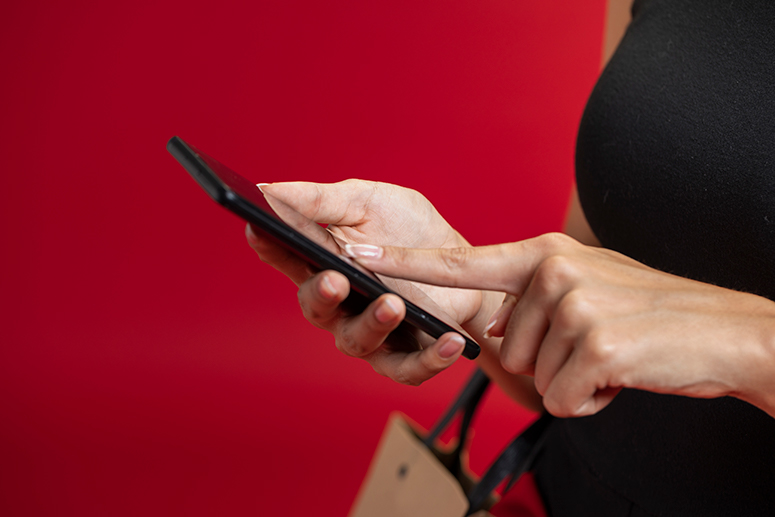
When we anticipate buying something—especially something we perceive as a “good deal”—our brain releases dopamine, the same chemical involved in pleasure, motivation, and yes, addiction. It is the brain’s way of saying, “Good job, hunter-gatherer, you have secured resources for the tribe.”
CONTINUE READING BELOW

Unfortunately, you have just provided your tribe with a shoe rack and a lot of unnecessary goods.
What’s fascinating is that the dopamine spike happens before the purchase, not after. The thrill is in the hunt, not the receipt. This is why browsing feels exciting, clicking “add to cart” feels powerful, and actually owning the item feels… mildly underwhelming.
Which explains why some people keep shopping even when the bags are already cutting off circulation to their fingers.
Why some people shop till exhaustion
You may have seen them. Or you may be them.
They take “malling” seriously. They wear comfortable shoes. They plan food breaks. They treat escalators as sacred rest stops.

This is not a lack of self-control. This is behavioral momentum.
Once we start shopping, several things happen:
- Decision fatigue sets in. After making dozens of tiny choices—sizes, colors, prices, brands—our brain gets tired. And a tired brain says, “Just buy it already.”
- Sunk cost thinking kicks in. “I’ve already walked three floors and tried on five jackets. I might as well buy something.”
- Physical movement masks emotional signals. You don’t feel tired, hungry, or overstimulated when you’re in motion. By the time you sit down, your ankles are already writing their resignation letters.
Add to that air-conditioning, background music scientifically selected to slow your walking pace, and store layouts designed to make exits mysteriously elusive—and you have the perfect environment for extended shopping marathons.
In short, the mall is a cardio gym disguised as a budget trap.
Emotional shopping: When the heart holds the credit card
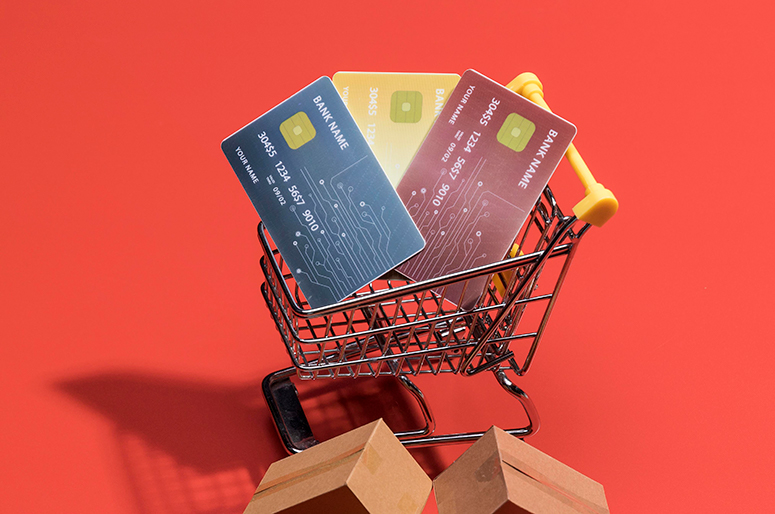
Not all shopping is about products. Some shopping is about feelings. People tend to shop more when they are stressed, sad, bored, celebrating, procrastinating, or avoiding difficult conversations. Which is to say: almost always.
Buying something gives a brief sense of control. You can’t fix the traffic, the economy, the fuel crisis, or your teenager’s mood, but you can choose between beige and taupe. And sometimes, that tiny sense of agency feels like therapy.
Retail therapy, however, is like emotional fast food. It feels good quickly, but the satisfaction is short-lived, and it often comes with regret, clutter and unexplained packages arriving at your doorstep three days later.
Why discounts are more powerful than logic
Here is a cruel psychological truth: Your brain loves savings more than it loves actual usefulness.
You may not need the item. You may not even like the item. But if it is 60% off, your brain suddenly becomes a financial adviser shouting, “This is an investment opportunity!”
This is called loss aversion. We are more motivated to avoid missing out than to gain something useful. So when a sign says “Last Day of Sale,” your brain hears: “Act now or suffer eternal regret.”
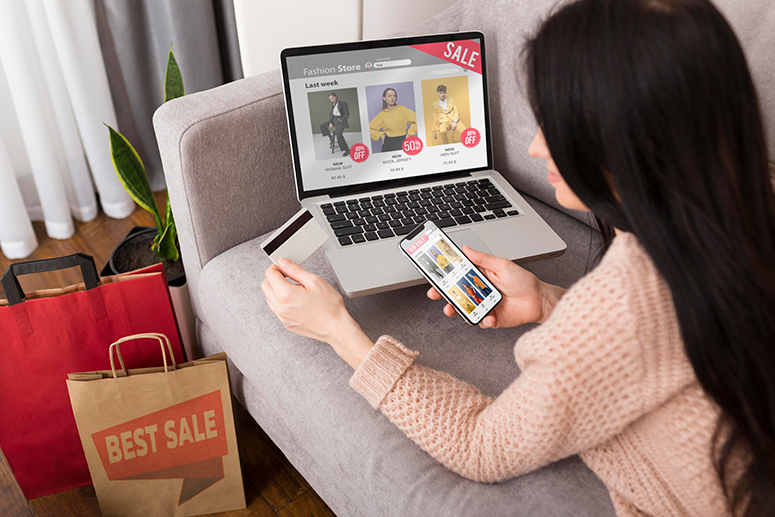
Never mind that the same item will likely be on sale again next month. Your amygdala does not follow retail calendars.
Why online shopping is even more dangerous
If malls are obstacle courses, online stores are teleportation devices for temptation. No walking, no carrying, and no visible money changing hands.
Just a cheerful confirmation email saying, “Your order is on the way!”
Online shopping removes physical friction, which normally helps regulate impulse.
When there is no need to stand in line, feel the weight of items, or watch your wallet open, your brain registers the transaction as less “real.”
This is why people can spend P5,000 online and feel nothing… but hesitate over P500 in cash.
Digital money is emotionally invisible—until the credit card bill arrives. Then suddenly, it is very visible. And very judgmental.
So how do we control the impulse?
Let’s be honest. We are not aiming for monk-level financial enlightenment here. We are aiming for fewer regrets and fewer mystery purchases.
Here are psychology-backed ways to shop without losing both dignity and savings:
- Insert time between desire and decision. Impulse thrives on immediacy. Delay weakens craving.
- Walk one full store loop before buying. Leave items in your online cart overnight. Tell yourself, “If I still want this tomorrow, I’ll buy it.” You’ll be shocked how often tomorrow arrives with zero emotional attachment to that item.
- Shop with a mission, not a mood. Before entering a mall or opening an app, decide: What exactly am I buying? What problem is this supposed to solve? Shopping while emotionally charged is like grocery shopping while hungry. Everything suddenly looks necessary. And chocolate becomes a basic food group.
- Set physical limits, not just budget limits. Instead of saying, “I will only spend P2,000,” try: “I will only carry one shopping bag” or “I will only buy what fits in this basket.” Physical limits trigger awareness that numbers often fail to produce. Your body becomes part of your financial planning.
- Replace shopping with other dopamine sources. Your brain is not asking for products. It is asking for pleasure, novelty, and reward. You can provide that through walking, talking to friends, exercise, creative hobbies, even a good nap (highly underrated). Sometimes what you need is not new shoes. It is eight hours of sleep and less caffeine.
The gentle truth: Shopping is not the enemy
Let’s not villainize shopping too much. It is also social, cultural, and sometimes deeply meaningful.
We buy gifts to express love. We buy clothes to express identity. We buy things that make our homes feel like home.
The problem is not enjoyment. The problem is unconsciousness.
When shopping becomes automatic, emotional, and disconnected from real needs, it stops being pleasure and starts being escape.
And escape, as we all know, is rarely a good long-term address.
Final diagnosis: Moderation, with a side of humor
So if you occasionally shop until your feet hurt and your hands look like a walking department store—congratulations. You are human, neurologically predictable, and highly attractive to marketing departments.
The goal is not to stop enjoying shopping. The goal is to stop letting shopping enjoy you.
Because at the end of the day, true retail therapy should lift your mood—not raise your blood pressure when the bank statement arrives.
And remember: you can always return the item. But your knees may take longer to forgive you.

WATCH: Save for retirement or enjoy life now? (Generations Ep. 21)
September 16, 2026
WATCH: Do you still believe in marriage? (Generations Ep. 17)
August 19, 2026