

Chef Miggy Cabel Moreno gives ZamBaSulta cuisine a home in Filipino food
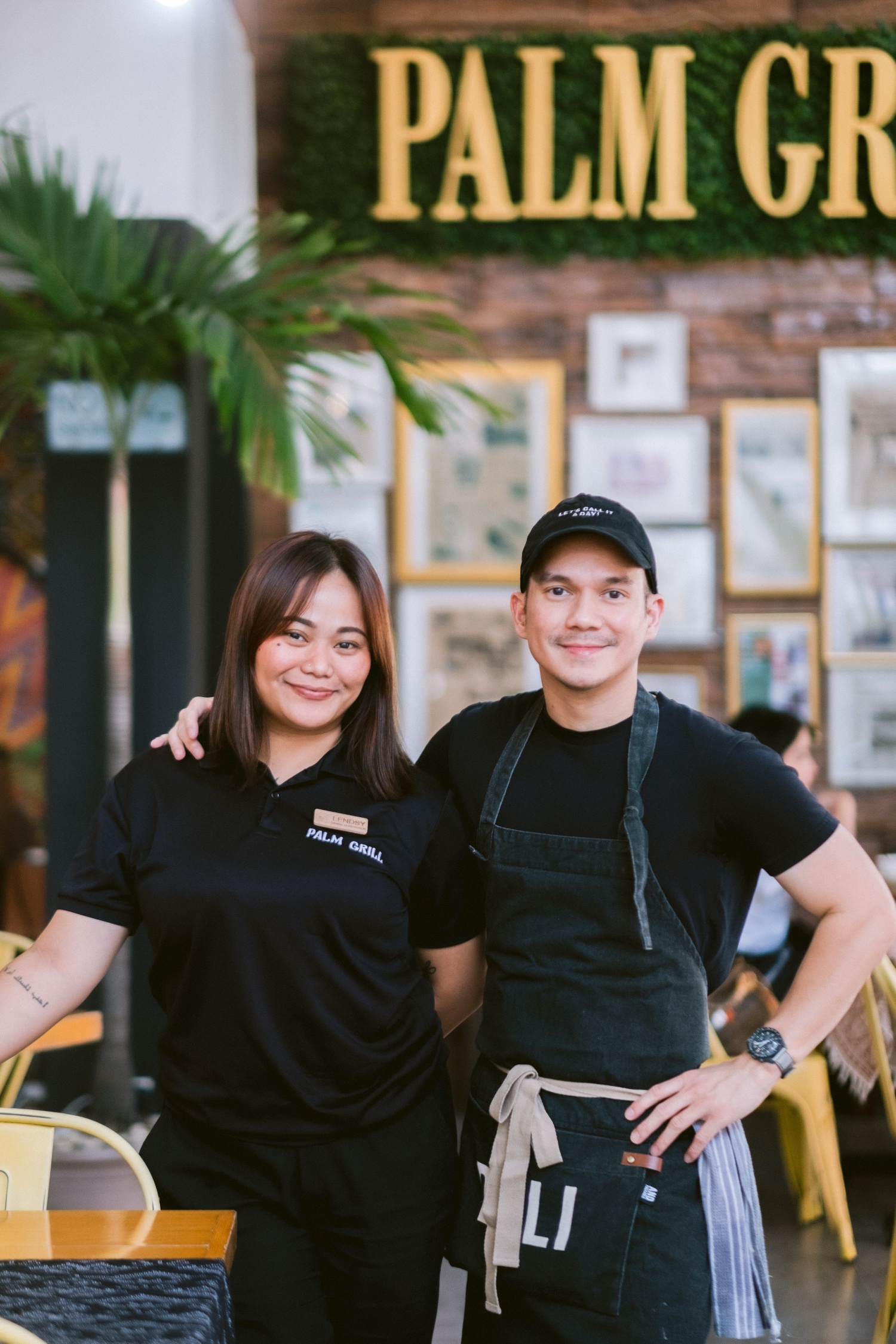
Along Tomas Morato in Quezon City is a lone restaurant offering regional cuisine. Miguel “Miggy” Cabel Moreno opened Palm Grill in 2017 to introduce ZamBaSulta food to the capital.
Chef Miggy’s life has always revolved around being in service to people. Initially a nurse by profession, he transitioned and later worked on his dream to become a chef, both of which have grounded him in the realities of life. Raised by women who’ve made cooking feel like home, this was his fuel to see himself as part of the culinary scene.
At school booths, he’d often sell out his mom’s Chicken Pianggang, a Tausug chicken dish cooked with burnt coconut, coconut milk, and a spice mix known as pamapa. While Mindanao was heavily influenced by Spanish colonization, it has kept many of its pre-colonial cooking practices alive up to this day, including this spice mix.
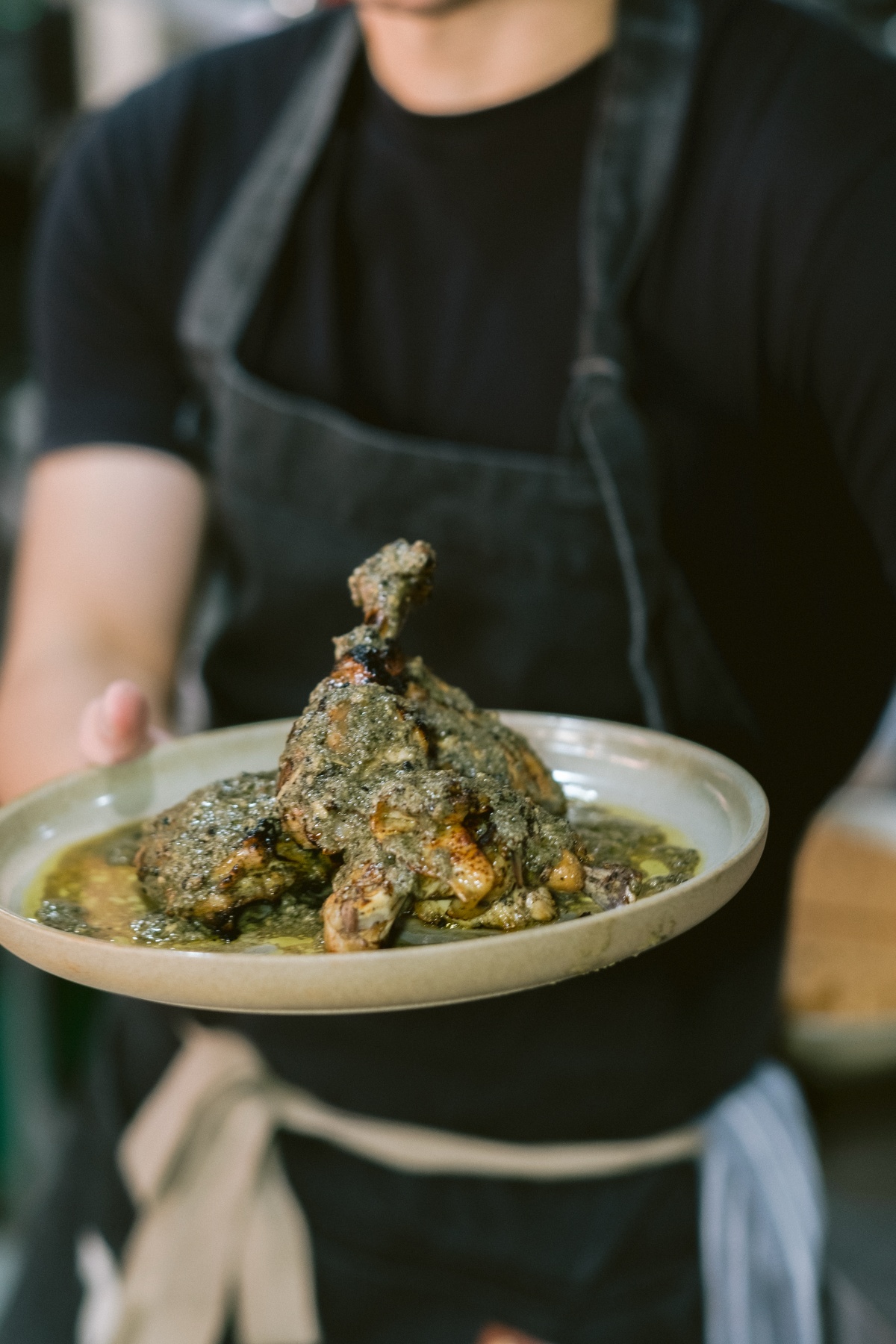
“‘Yun talaga eh,” the chef says. “Getting the satisfaction and seeing people happily eating it and telling me that it's the best that they've had of that kind of food really is a beautiful memory that I always go back to.” Carrying an ambition for the food he grew up with, he soon learned that the food served on their dining table was missing from restaurants outside his region. It became clear that his culinary identity did not belong in mainstream conversations.
Historically, Philippine cuisine suffered a geographic bias in Luzon. As the late historian Doreen Fernandez notes in her 1984 book Tikim: Essays on Philippine Food and Culture, Manila has acted as the filtering lens despite the presence of different ethno-linguistic cultures in the country. "Corporate cookbooks... have contributed to the homogenization of Philippine food," Fernandez wrote. "Because they distribute nationwide, they tend to make the food of the center (Manila/Luzon) the standard for the periphery.” This leaves the rest of the archipelago’s culinary map off the pages.
Access to opportunities is most of the time missed for those not living in the capital. Partly to blame is the archipelagic nature of the Philippines, deterring equal spotlight for provincial counterparts and making flavors hyperlocalized. This is coupled with the reality that Filipinos, by habit, default to familiar choices. It’s not an aversion per se, but a reluctance to experiment with regional flavors outside our comfort zone.
CONTINUE READING BELOW

In launching Palm Grill, Moreno was facing a lonely and difficult battle, but he was never one to back down.
“Since (Mindanaoan cuisine) is unknown to many, it's less explored, it's underrepresented. I got a lot of experiences or moments wherein people would come into the restaurant (and) after explaining the menu, they would step out. This was prior to Michelin's arrival,” he reveals. “I get a lot of people coming in and then telling me na parang, ‘Ah, we're not so sure we're going to like it, or baka sayang 'yung pera namin,’ or ‘Hindi namin kilala kasi, next time na lang.’ There were many of those, repeating myself over and over again to people and trying to convince them to try Filipino food.”
And for many years, Moreno held the weight of bannering ZamBaSulta food.
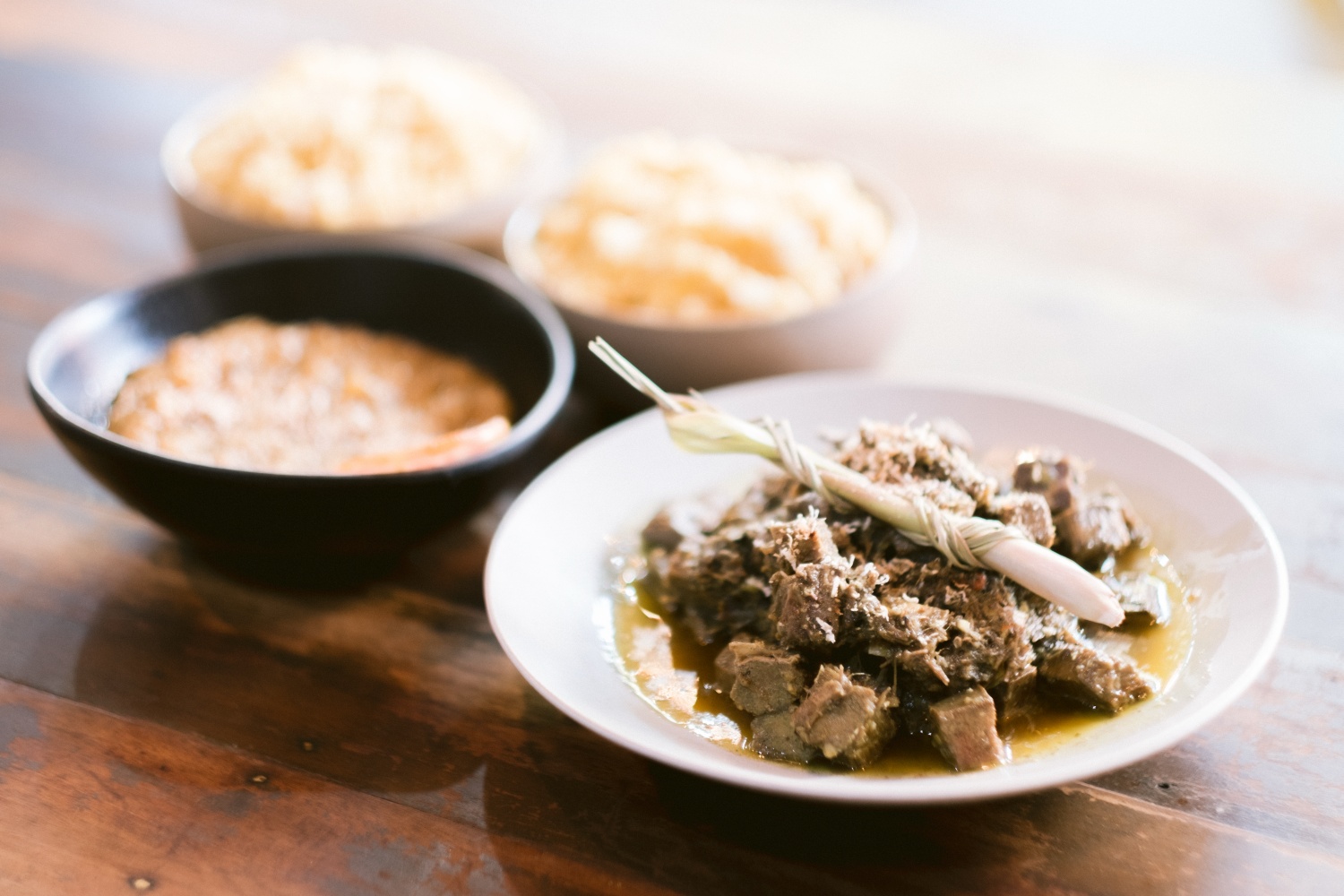
Not in the best interest of many and to the dismay of his kapwa-Mindaoenos, in his push to get Mindanao cuisine to break through the capital, Chef Miggy confesses he had to rename Palm Grill’s menu during the early years. “We didn't call Pianggang Manok as Pianggang; we called it the Green Chicken. The Tiyulah Itum was sort of like the Black Beef Bulalo of the South, you know, just so people would understand.”
By the restaurant’s third year, he went back to calling the food what it is, realizing that his fight to spotlight Mindanao cuisine would be lost if he did not revert to its native names. “And that's when I also saw a big difference in the company. That's when Palm Grill started to flourish. This is when I really went back to my core, owned my identity,” Moreno shares.
Being the first Tausug, Zamboangueño, Mindanaoan to have been globally recognized is everything that I've waited for and worked hard for. It doesn't stop there, meaning to say, I need to continue the work.
On Palm Grill’s eighth year of operation, his long-held and arguably forgotten dream came to fruition. Michelin Guide, in its first year in the Philippines, awarded a Bib Gourmand to two of Moreno’s restaurants: Palm Grill and Cabel. Right after the awarding onstage, he rushed to the hotel restroom and broke down in tears.
He recalls standing at the restaurant’s mezzanine during its early years, watching the only customer who had walked in for the day, and, ambitious as it may seem in that empty room, he vowed to his partner he would one day have a Michelin.
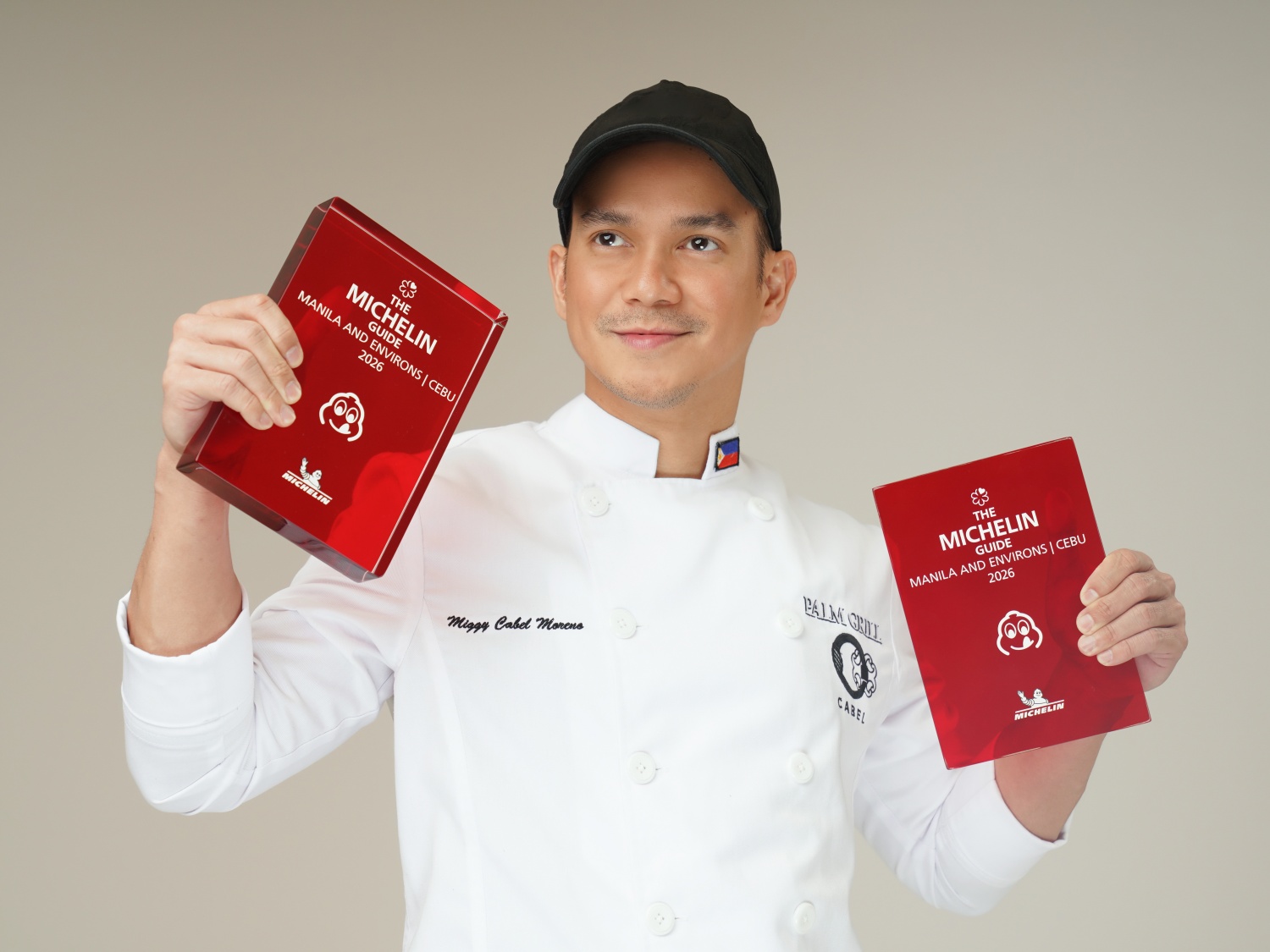
This recognition was simultaneously a culmination and a beginning of his years of persistence to make Mindanaoan cuisine acknowledged. “It was the validation for the hard work that we put into many years of constantly repeating ourselves and telling people to give regional cuisine a chance,” Moreno tells us.
“Being the first Tausug, Zamboangueño, Mindanaoan to have been globally recognized with such recognition is everything that I've waited for and worked hard for. It doesn't stop there, meaning to say, I need to continue the work.”
Is the Michelin tantamount to the hard work he poured in? Truthfully, barely. If there’s anything that defines Moreno’s journey, it is persistence. Persistence to keep his restaurant afloat and running against all odds. Persistence to introduce Tausug cuisine for what it truly is. Persistence to provide jobs for his people, even with no immediate gratifying outcome in sight, and just hope and a stoic belief that his journey has a purpose.
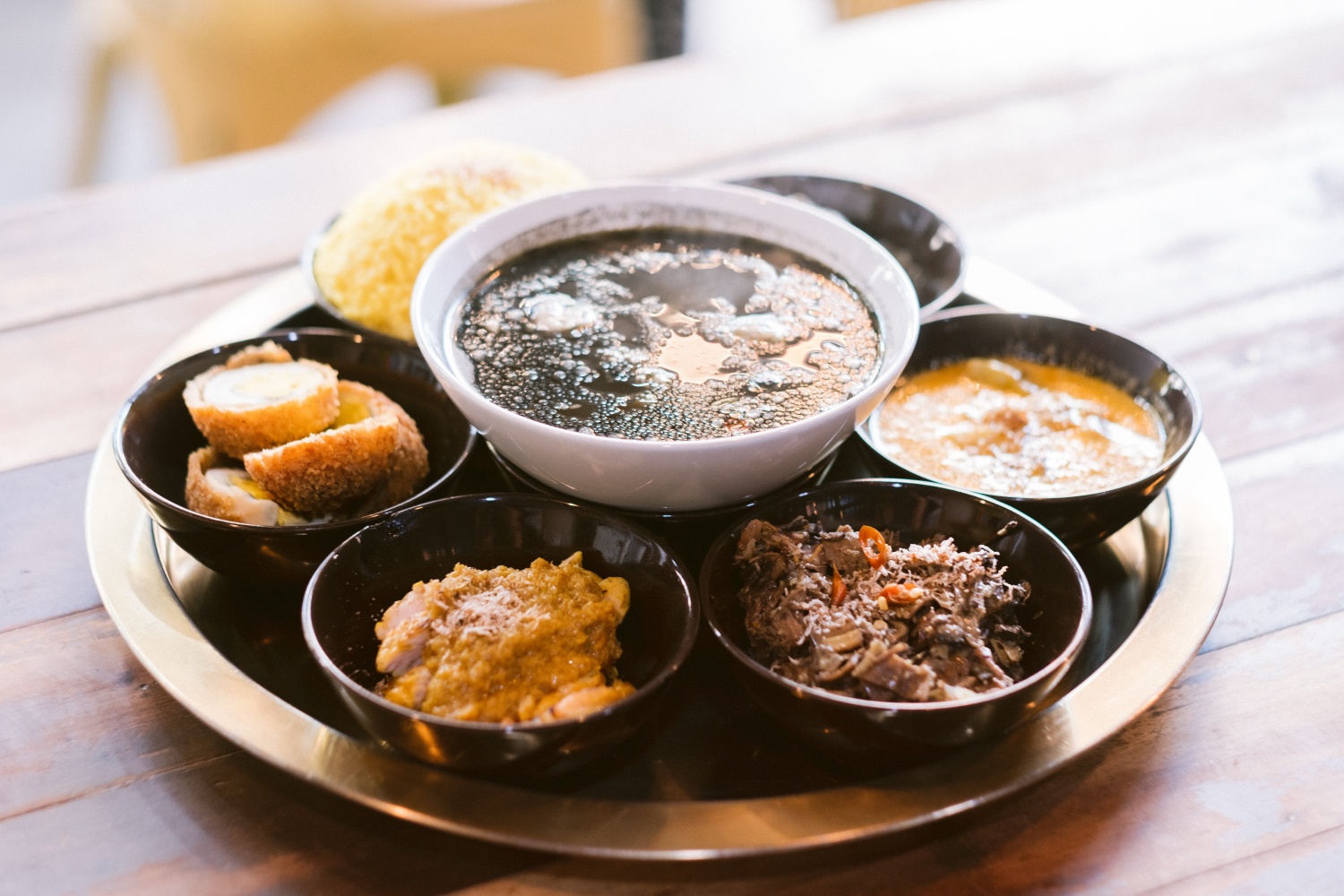
Now, people visit Palm Grill carrying a curiosity and a willingness to know. “They discuss the food because it's something new, it's something unfamiliar,” Moreno says. “And it's a nice thing to see in a restaurant setting where people are not on their phones. It’s become a conversation starter.” It’s a complete turnaround from its early years.
What makes this journey more rewarding is that long before the award, Chef Miggy has been providing opportunities. In the nine years when there was much disbelief in his work, he continued to open doors. “Knowing how it feels to have people not believe in you or tell you things are impossible, I wanted to change that. When I look at the success of Palm Grill, I look at it in the eyes of other people who help us get to where we are,” he shares. “That's also on top of making sure that we source our ingredients in Zamboanga, Basilan, Sulu, and Tawi-Tawi, because we’ve been supporting the local farmers and fisherfolk ever since.”
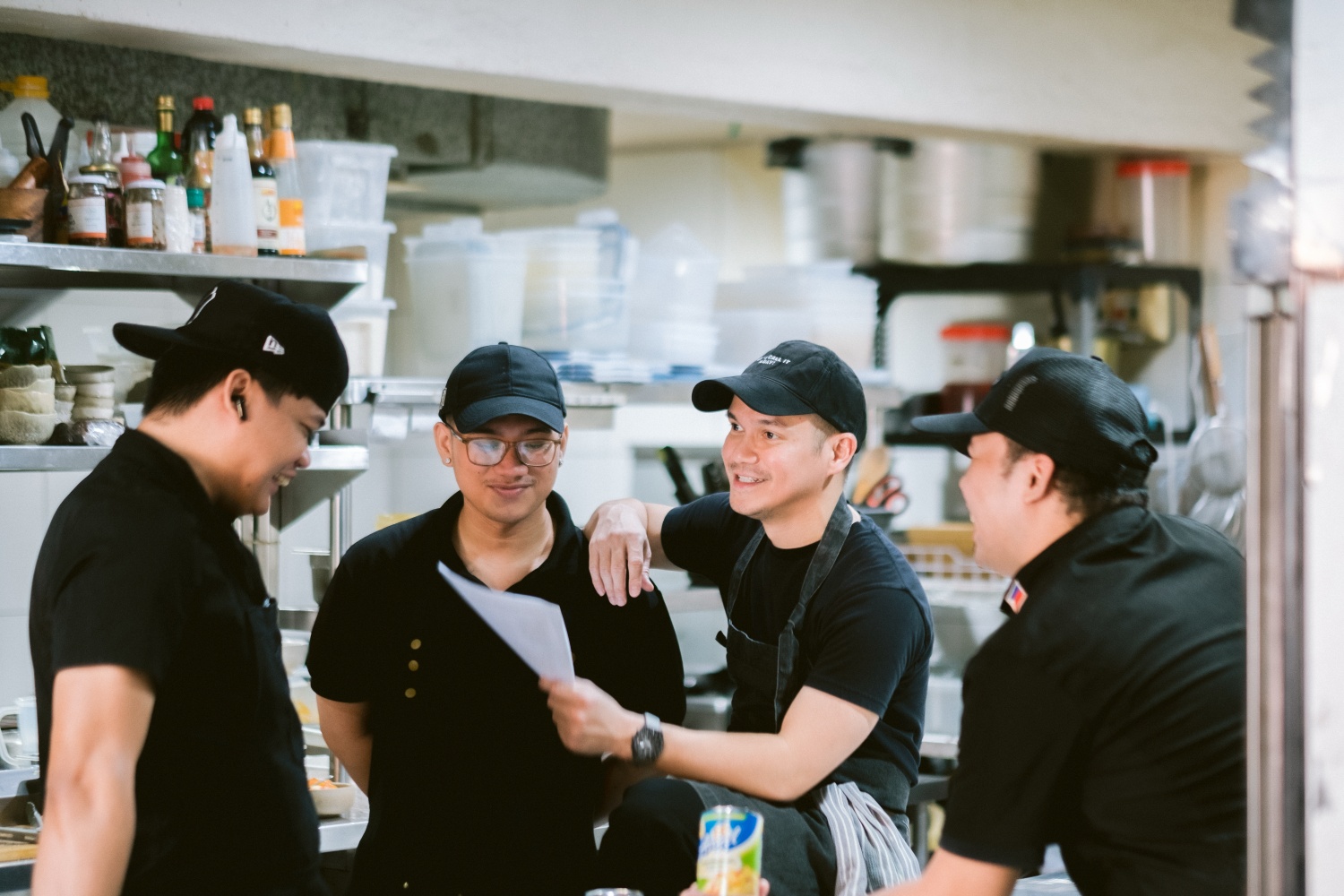
With the Michelin distinction multiplying his restaurant’s demand, its benefits have also trickled down to his staff and suppliers, and much more to the perception of his island, Mindanao, often plagued with misconceptions of terrorism and chaos. “I would rather people talk about flavors. I hope the food sparks the interest in asking more questions, because that's the only way for us to really understand people better,” Moreno shares.
If one were to argue whether Palm Grill is an extension of his Tausug identity, the answer is it’s wholly, fully a mirror of it.
***
Visit Palm Grill at 179 Tomas Morato Avenue, Diliman, Quezon City, or at the Upper Ground Floor of Gateway Mall 2, General Araneta Avenue, Cubao, Quezon City.

WATCH: Discovering Vietnam in three days
June 9, 2026
WATCH: Is Philippine cinema still thriving? (Generations Ep. 19)
September 2, 2026