

1970s interiors: Groovy and laid-back
More than just disco balls and bell-bottoms, the 1970s brought a wave of change that was reflected in interiors as society broke free from rigid rules and embraced personal expression.
Just like the fashion of the time, 1970s interior design was playful, eclectic and optimistic. The period was defined by the transition from modernism into something more free-form and forward-thinking—a sense of liberation and freedom that extended to more experimentation and broad playing with aesthetic ideas, leading to the mélange of many different styles.
The hippie movement made DIY and artisanal crafts like macramé popular, particularly in the Philippines where rattan, wicker, capiz and other natural materials abound. A liberal outlook meant an acceptance as well as enjoyment of other cultures which made the ethnic fashionable. Student activism and renewed nationalism encouraged the rediscovery of our culture and ethnic crafts which also figured in our interiors.
There was a new mindset about comfort and individuality, making homes feel warm, inviting and personal. Since it’s more lived-in than styled, an ethos that resonates today, it’s no surprise that there’s a ’70s revival in design and interiors.
Natural and artisanal
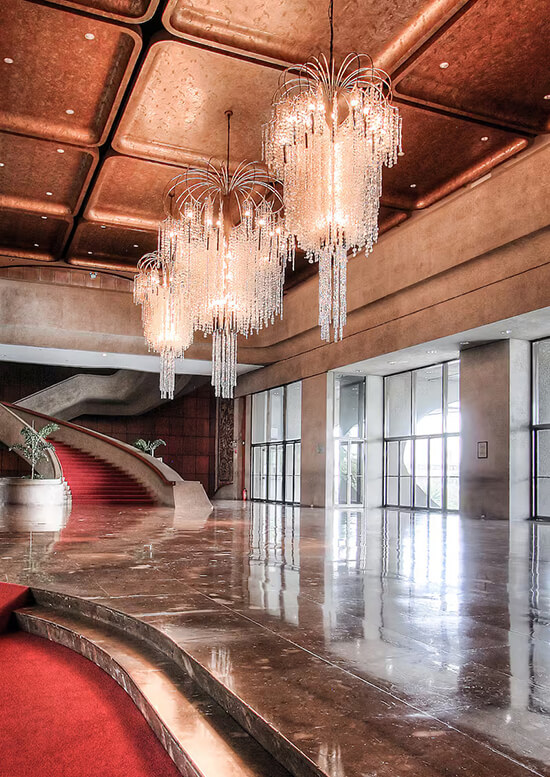
Capiz chandeliers at Cultural Center of the Philippines lobby
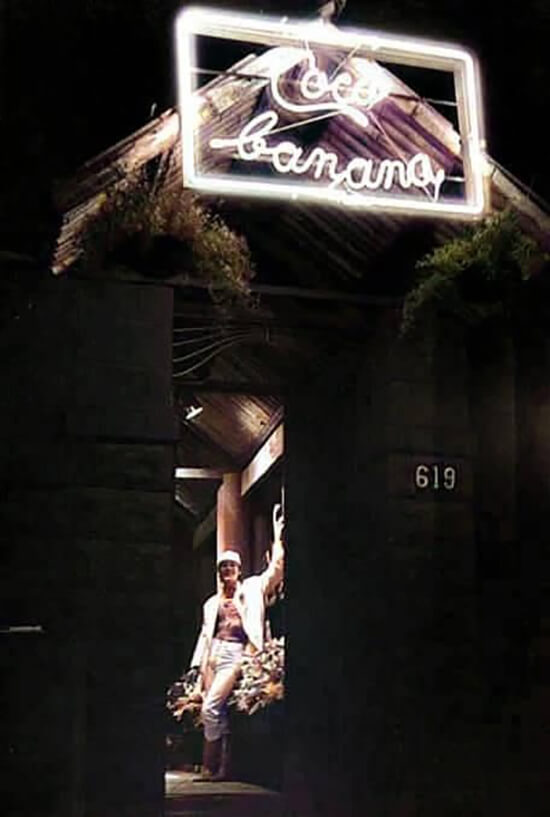
Ernest Santiago at Coco Banana. Photo from @memoriesofoldmanila
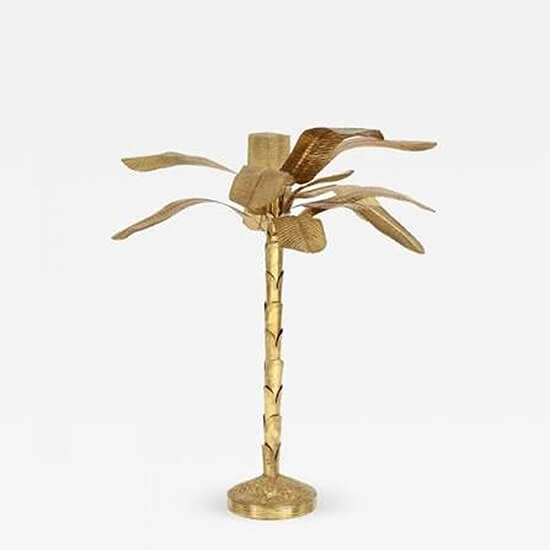
Brass coconut tree like those at Coco Banana. Photo from @pinterest
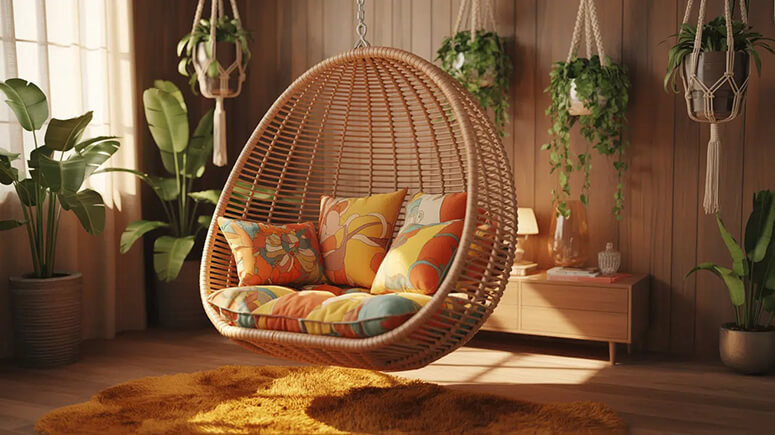
Hanging rattan chair and macramé pot holders. Photo from @stylesaloniste
Capiz chandeliers at Cultural Center of the Philippines lobby
Ernest Santiago at Coco Banana. Photo from @memoriesofoldmanila
Brass coconut tree like those at Coco Banana. Photo from @pinterest
Hanging rattan chair and macramé pot holders. Photo from @stylesaloniste
CLOSE
Filipino designers and architects championed local resources to celebrate Filipino identity. Capiz was proudly used for the chandeliers at the lobby of the Cultural Center of the Philippines. Coco Banana, the landmark ’70s Manila disco with tropical hacienda interiors, showcased the best of Philippine craftwork like geometric Machuca tiles and brass coconut trees that greeted guests at the entrance. Rattan and wicker were made into furniture that was exported all over the world and macramé home accessories were seen everywhere.
Statement lighting
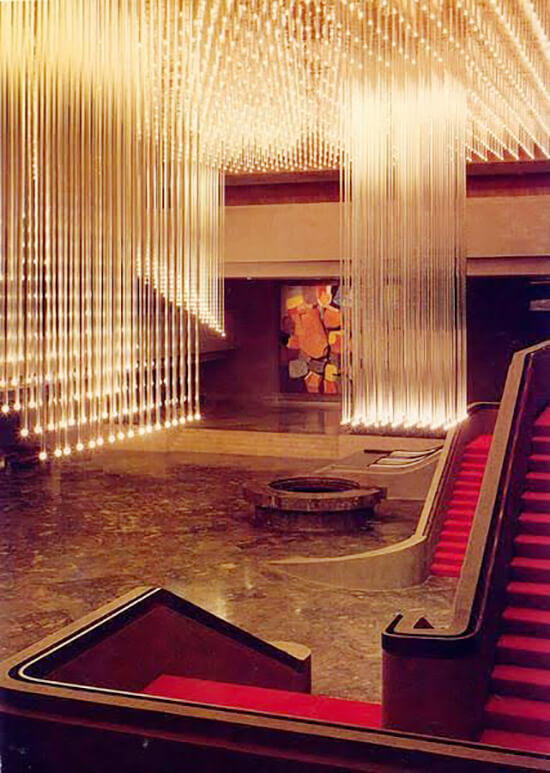
PICC lobby Photo from @pinterest
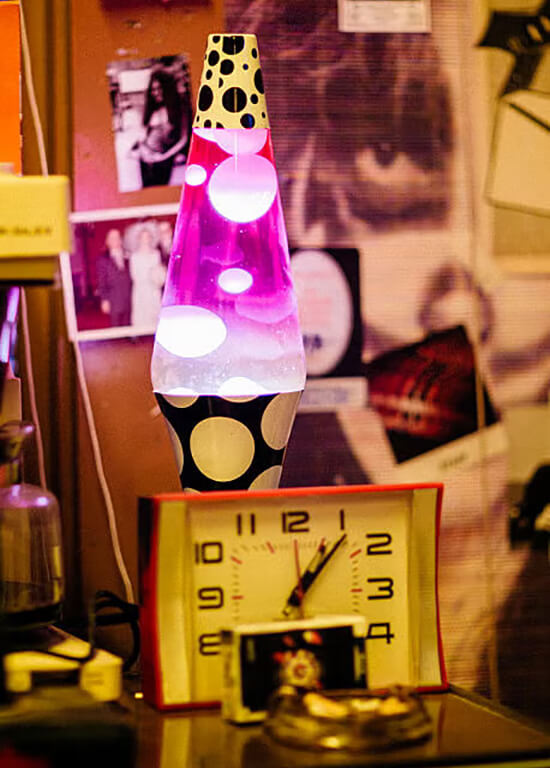
Lava lamp Photo from @countryliving
PICC lobby Photo from @pinterest
Lava lamp Photo from @countryliving
CLOSE
Lighting turned into a sculptural statement like in National Artist Leandro Locsin’s designs in the Philippine International Convention Center lobby. Bold, geometric shapes were favored, together with playful materials like smoked glass, chrome and Technicolor plastics. The lava lamp, a carry-over from the ’60s, was still going strong in the era of hippie psychedelia.
Bold patterns
CONTINUE READING BELOW

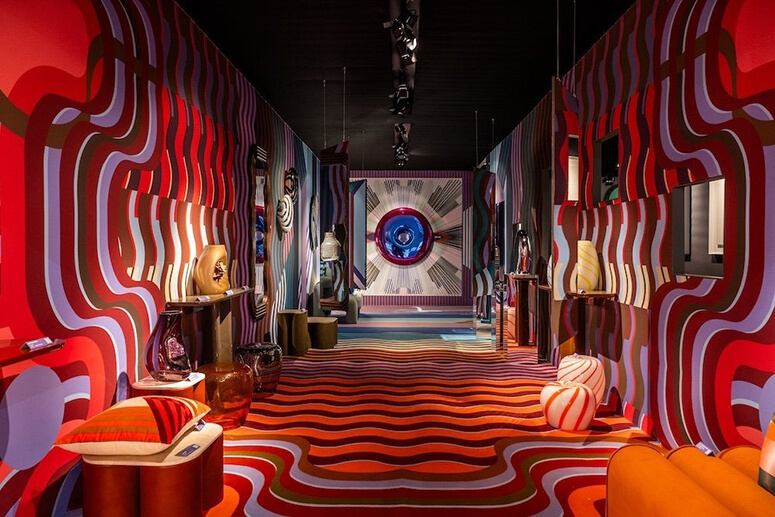
Patterns in vivid colors Photo from @maisonetobjet
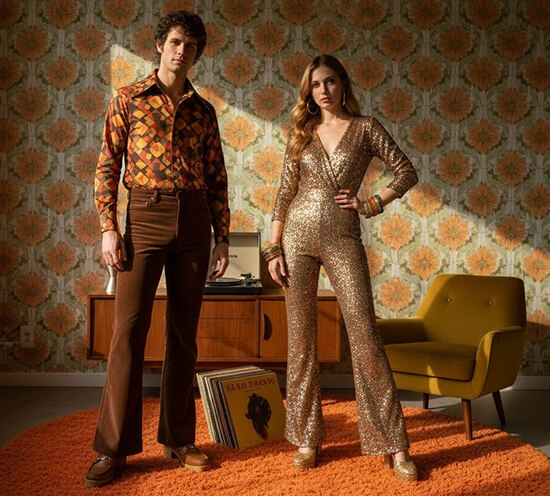
Patterned fashion and wallpaper Photo from @vinatgeclothing
Patterns in vivid colors Photo from @maisonetobjet
Patterned fashion and wallpaper Photo from @vinatgeclothing
CLOSE
In consonance with the exuberance of the decade, geometric shapes in bright, contrasting colors filled walls, fabrics, rugs and objects.
Wood paneling
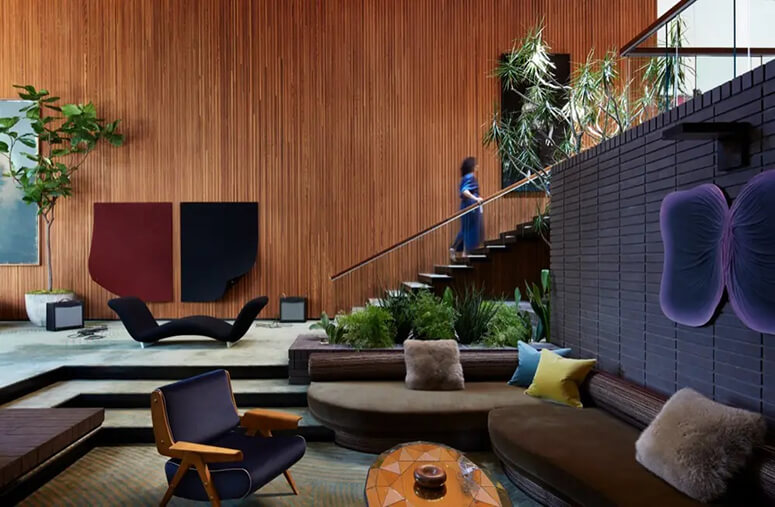
Wood paneling at Smalley House designed in 1973 by A. Quincy Jones Photo from @vogueadria
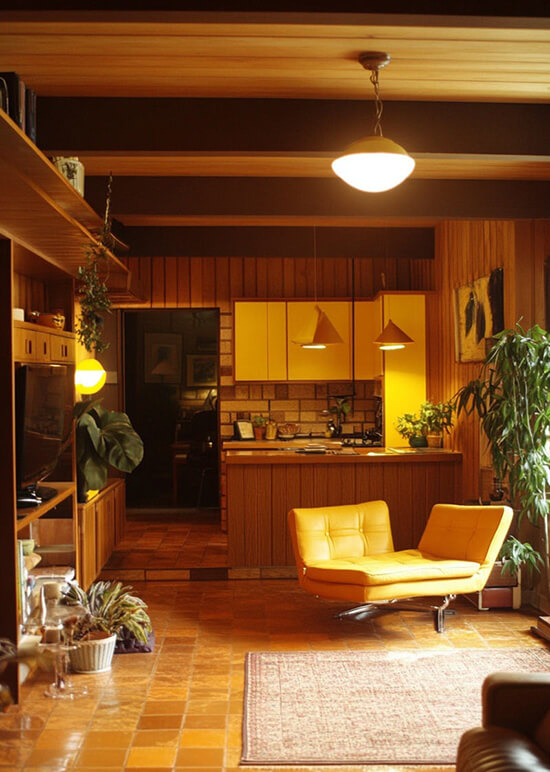
Wood-filled interiors in earthy color palette Photo from @marblewish
Wood paneling at Smalley House designed in 1973 by A. Quincy Jones Photo from @vogueadria
Wood-filled interiors in earthy color palette Photo from @marblewish
CLOSE
Wood paneling was used on walls to create a warm, moody backdrop. This was offset by bright, ’70s furniture, modernist paintings and accessories.
Floating stairs
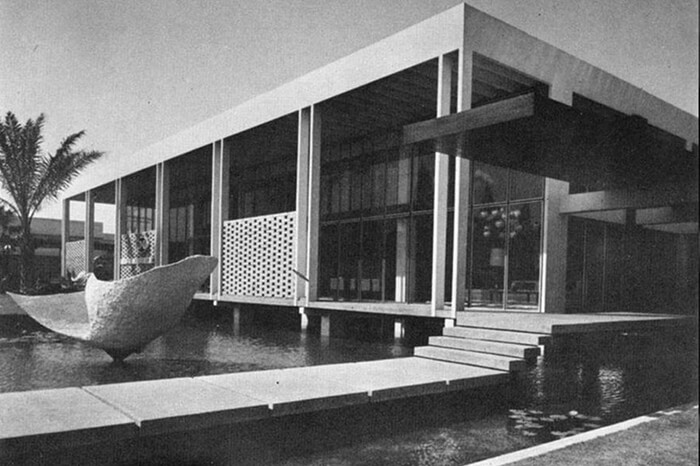
Floating stairs at Cancio-Calma Building in the ’70s Photo from @abscbn
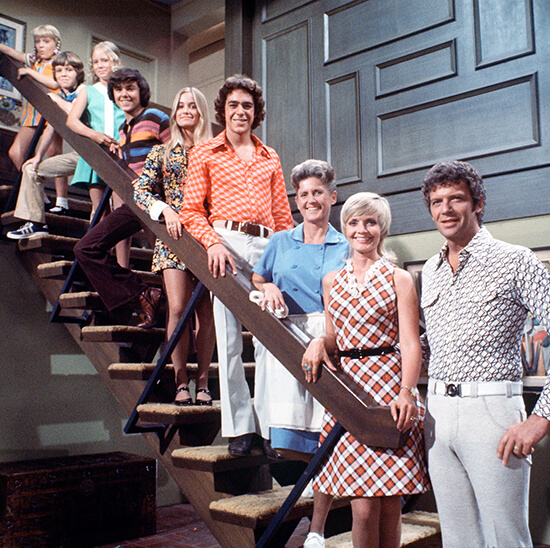
The Brady Bunch TV sitcom Photo from @countryliving
Floating stairs at Cancio-Calma Building in the ’70s Photo from @abscbn
The Brady Bunch TV sitcom Photo from @countryliving
CLOSE
A floating staircase, a hallmark of tropical modernism in the Philippines, featured chunky native hardwoods and exposed steel structural stringers. It was a focal point in the design-forward set of The Brady Bunch TV sitcom.
Conversation pits
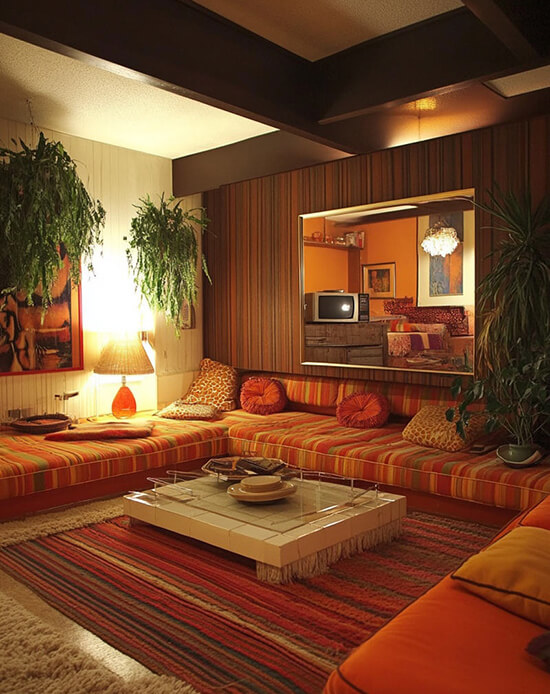
A U-shaped conversation pit Photo from @marblewish
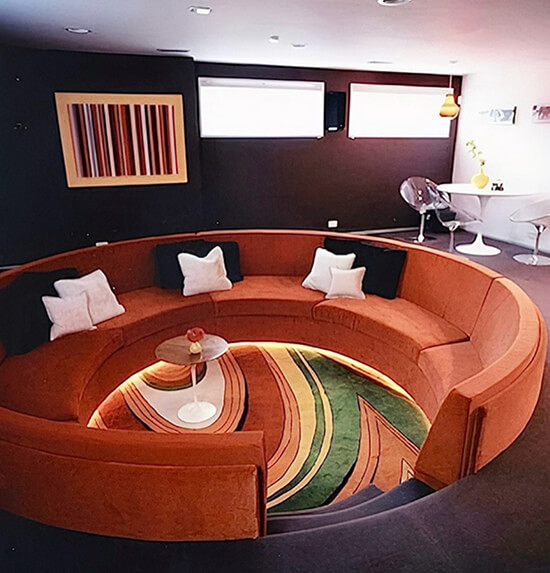
Sunken living room Photo from @architecturehub
A U-shaped conversation pit Photo from @marblewish
Sunken living room Photo from @architecturehub
CLOSE
Sunken seating areas built into the floor encouraged conviviality and bonding which has been adopted today with living room seating that forms an enclosed space to serve the same function.
Low seating
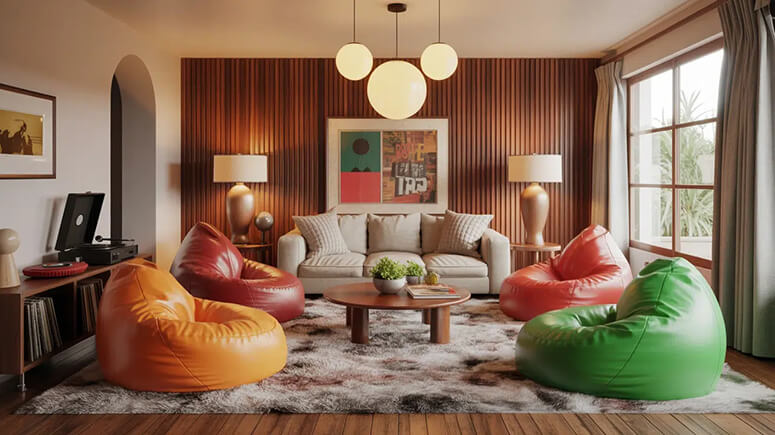
Bean bags paired with sofa Photo from @stylesaloniste
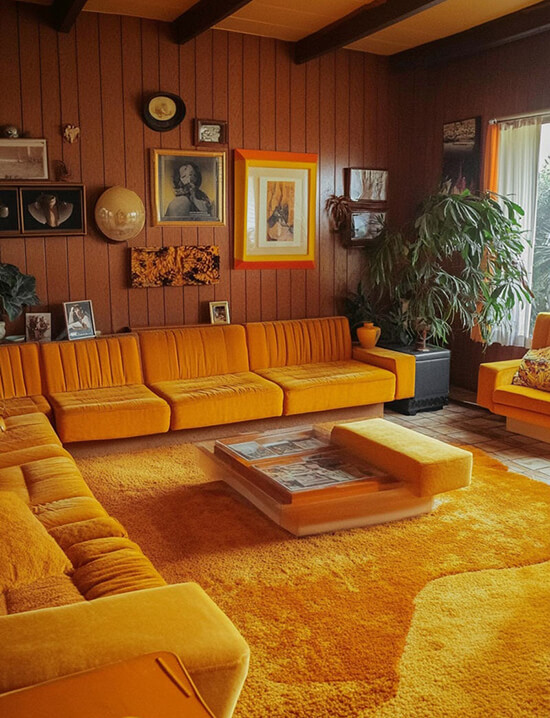
Low seating living area Photo from @marblewish
Bean bags paired with sofa Photo from @stylesaloniste
Low seating living area Photo from @marblewish
CLOSE
Bean bags and low seating were part of the laid-back attitude that was also reflected in the conversation pit and sunken living room, but with more versatility.
Textured and tactile
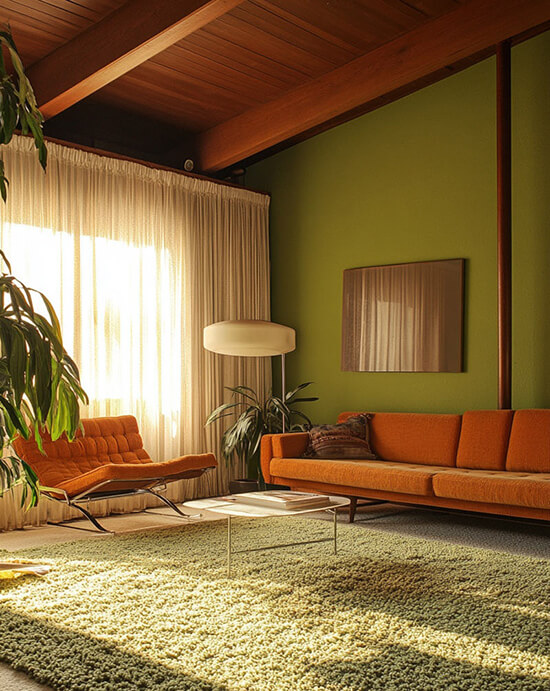
Velvet upholstery and shag carpet provide texture Photo from @marblewish
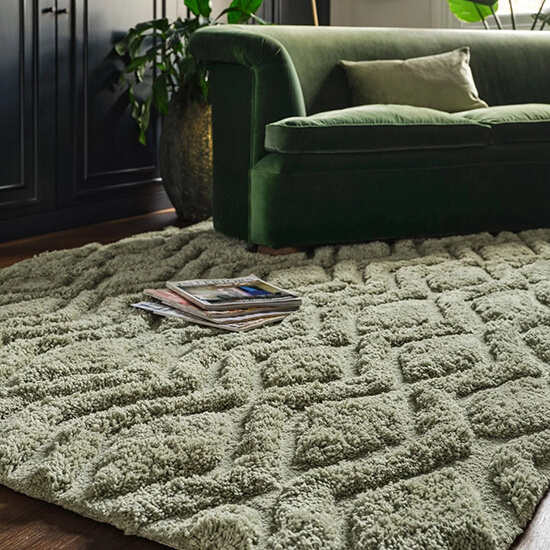
Tactile shag rug and velour sofa Photo from @loverugs
Velvet upholstery and shag carpet provide texture Photo from @marblewish
Tactile shag rug and velour sofa Photo from @loverugs
CLOSE
With comfort as a priority, plush fabrics like velvet for upholstery and textured surfaces like shag rugs were used in decorating.
Pop art posters
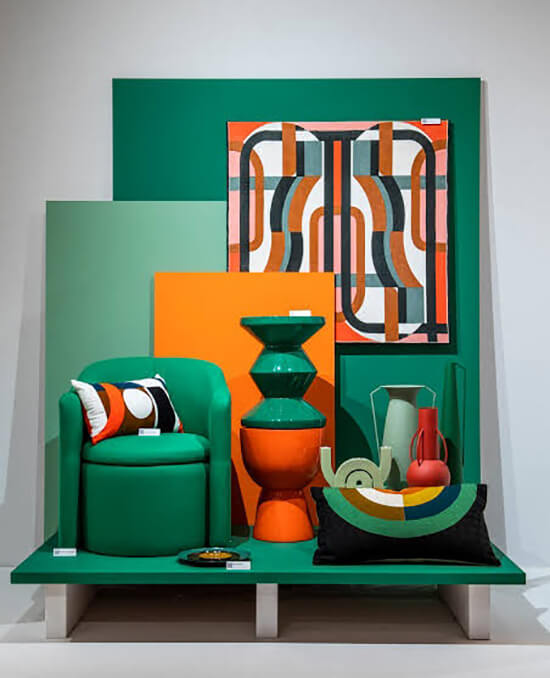
Pop art and geometrics Photo from @maisonetobjet
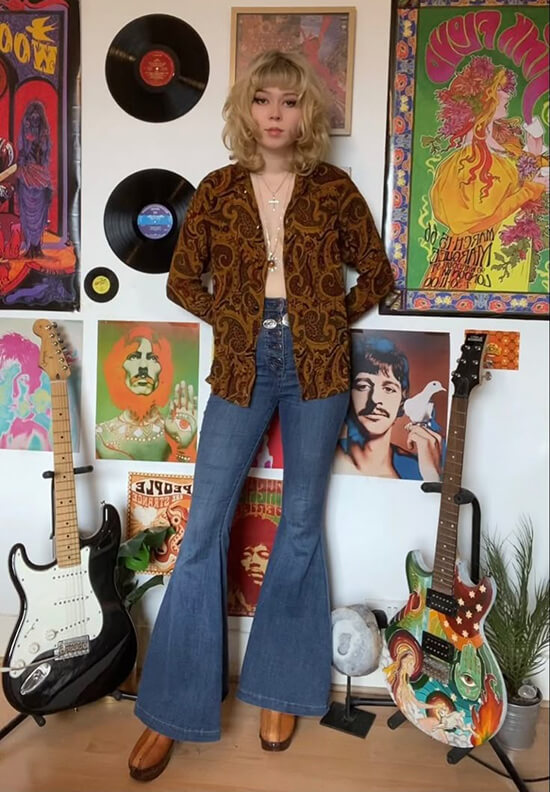
Pop art posters and vinyl records on a wall Photo from @pinterest
Pop art and geometrics Photo from @maisonetobjet
Pop art posters and vinyl records on a wall Photo from @pinterest
CLOSE
Inspired by artists like Andy Warhol and Peter Max, pop art became a popular form of wall décor.
Beaded curtains
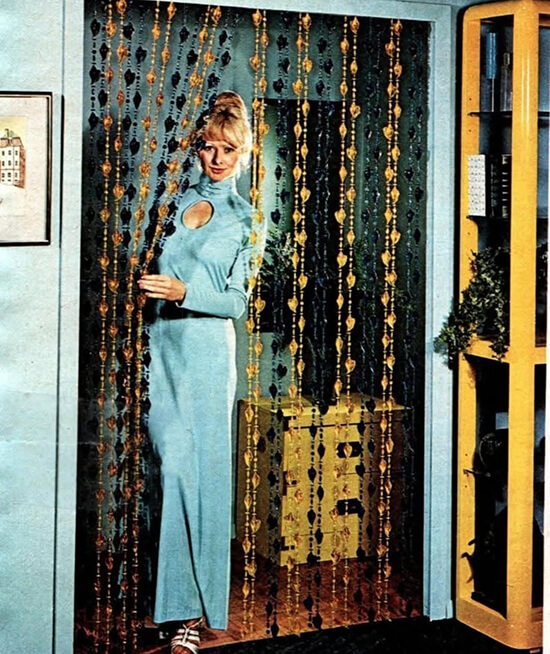
Beaded curtains in the ’70s Photo from @parttimepickers
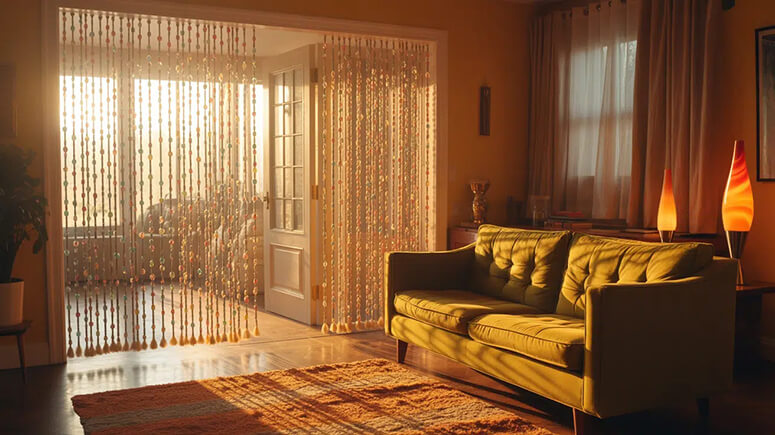
Beaded curtains create visual separation while allowing light to pass through. Photo from @stylesaloniste
Beaded curtains in the ’70s Photo from @parttimepickers
Beaded curtains create visual separation while allowing light to pass through. Photo from @stylesaloniste
CLOSE
In wood, glass and plastic, beaded curtains added a touch of flair to doorways and windows, producing a rattling sound that became part of the ’70s atmosphere.
Bongga Ka 'Day : The Annie Batungbakal Musical featuring music of Hotdog opens on Sept. 18 at Newport Performing Arts Theater. Produced by Newport World Resorts with The Philippine STAR and Viva Entertainment. Line Produced by Peta Plus. Directed by Chris Millado.

WATCH: Do you still believe in marriage? (Generations Ep. 17)
August 19, 2026
WATCH: Is Gen Z too soft? (Generations Ep. 23)
September 30, 2026