

ASEAN month: Korea goes for culinary diplomacy
There is an art to setting the perfect table, and Metro Manila is getting a crash course in it this November. With the highly anticipated 49th ASEAN Summit scheduled to take over the capital from Nov. 16 to 18, the city is rapidly transitioning into its most polished, “diplomatically correct” self.
It is that familiar, carefully orchestrated season when public places are given a much-needed makeover to make them more presentable, and habitual street protesters are urged to take a long weekend—thanks to a three-day non-working holiday in Metro Manila during the summit— allowing Filipinos more elbow room to showcase their warm hospitality, and the host country to shine seamlessly before the international community.
Diplomacy sometimes begins with a shared meal, a well-fermented kimchi or a steaming bowl of something that tastes umistakably like home.
But diplomacy does not only occur in conference rooms, beneath chandeliers or over meticulously worded communiqués. Sometimes, it begins with a shared meal, a well-fermented kimchi or a steaming bowl of something that tastes unmistakably like home.
CONTINUE READING BELOW

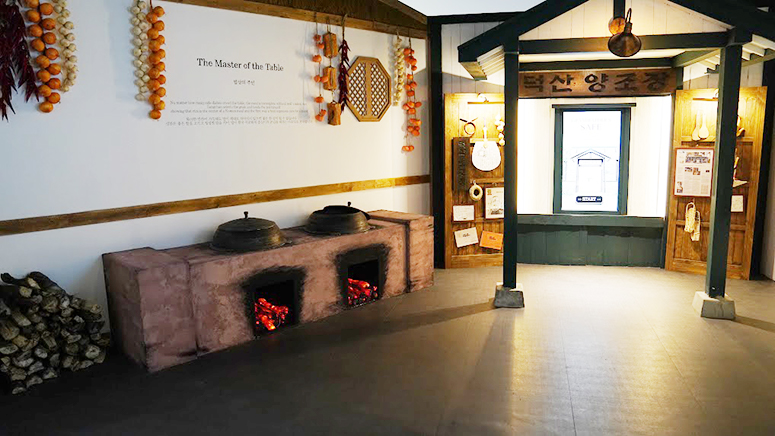
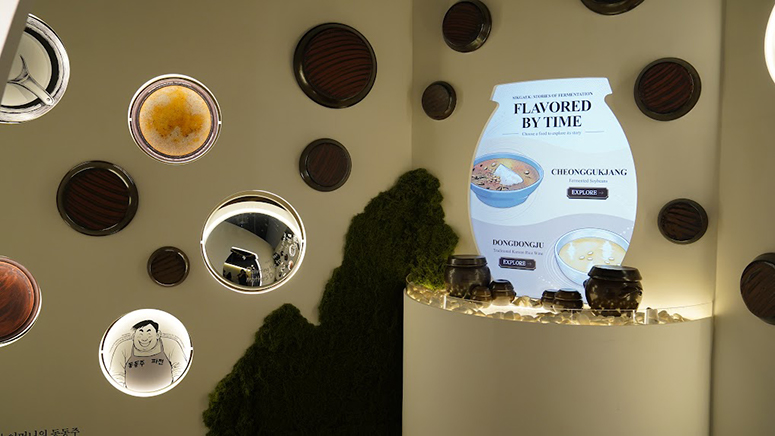
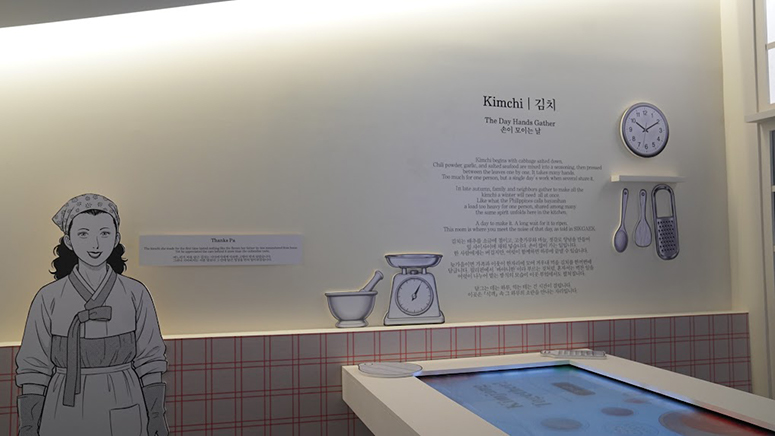
Giving the city a masterclass in soft power, the Korean Cultural Center, alongside the National Asian Culture Center Foundation and Chonnam National University, officially opened “Sikgaek: The Journey of Tasting Korea” on Thursday, Nov. 5.
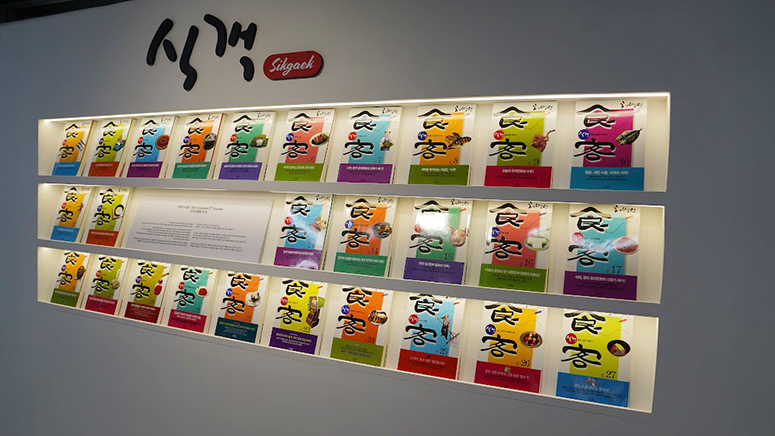
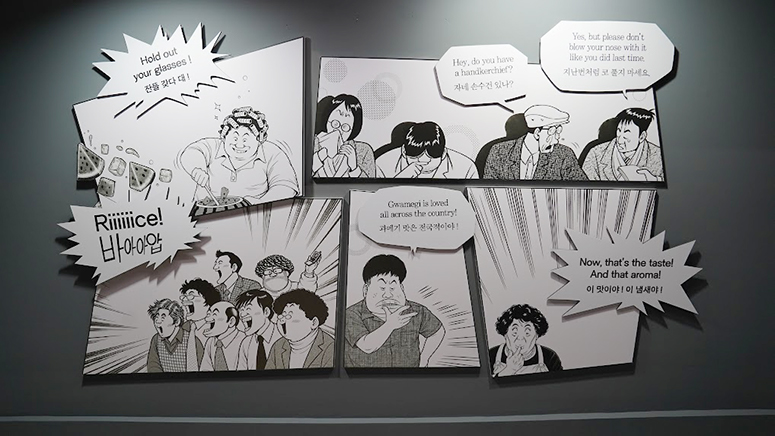
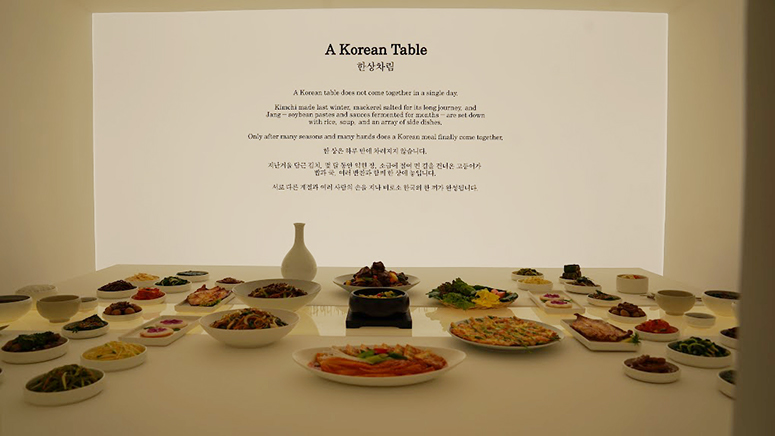
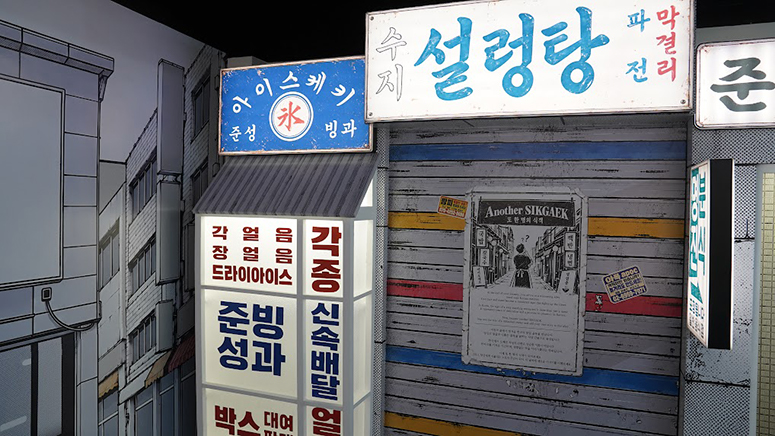
The interactive exhibition brings to life the rich culinary landscape of Hur Young-man’s iconic manhwa or comic series, Sikgaek. For the uninitiated, Sikgaek (or “The Gourmet”) follows a passionate chef journeying through the hidden corners of the Korean peninsula to source local ingredients and preserve traditional culinary heritage. It is a brilliant homage to hansik (traditional Korean food), not merely as an assortment of dishes but as a living archive of memory, regional identity, craftsmanship, and community.
There is, of course, a deeper pop culture connection. Apart from mukbang, Korean food has long held a starring role in films and television dramas, where a shared meal can carry as much emotional weight as a declaration of love, a family revelation, or a plot twist in the season finale. These scenes are also strongly suggestive that a viewer just can’t help craving Korean food while watching.
No one can successfully argue against the restorative pleasures of Little Forest, the neighborhood camaraderie and appetite-inducing food scenes of the Let’s Eat series, and the ambition, restaurant rivalries, and entrepreneurial grit of Itaewon Class. They all illustrate how food enriches Korean storytelling. In Bon Appétit, Your Majesty, each episode feels like something straight out of Top Chef or Culinary Class Wars, with bonus subplots that act as constant reminders that cuisine can transcend time, social hierarchies, and even the exacting tastes of royalty.
For audiences raised on streaming marathons, Korean cuisine has become a familiar scene-stealer. The comforting slurp of midnight ramyeon, the irresistible sizzle of Korean barbecue, and the communal ritual of passing around banchan (side dishes) have become part of a shared visual vocabulary.
Even without any dialogue, it is easy to recognize the warmth of a home-cooked meal, the nervous anticipation of a first dinner date, or the quiet diplomacy of offering someone the last bite. In my case, watching K-drama has given me more reason to crave K-food than any other visual advertisement.
And that is where “Sikgaek” finds its greater meaning. As K-pop supergroups BTS and BLACKPINK carry Korean culture to global audiences, and Korean films and streaming series turn everyday rituals into international talking points, food is emerging as another compelling expression of the country’s soft power. Less a matter of spectacle than of shared experience, it invites people to encounter Korea not just through what they watch or hear, but through what they taste, savor and share. In this sense, “Sikgaek” does more than celebrate the art of Korean dining. It sets the table for cultural understanding, one dish at a time.
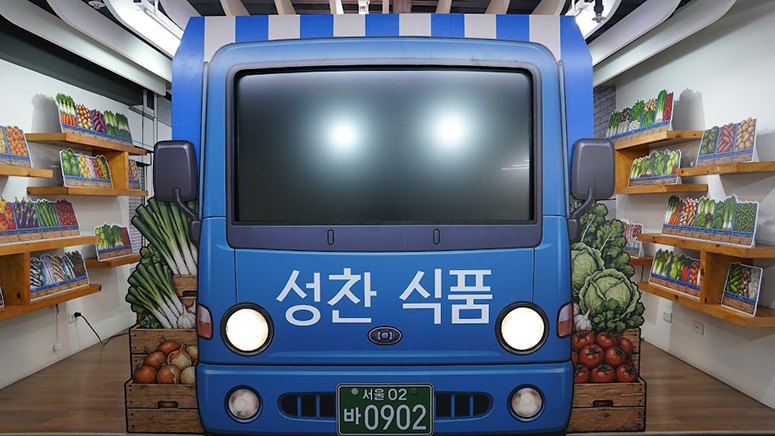
This culinary journey served as a delicious introduction to the exhibition’s core message: that behind every dish is a rich history, and behind every tradition, a vibrant community.
As Manila prepares for the demands of high-level regional diplomacy, “Sikgaek” offers a welcome change of pace. While officials negotiate economic frameworks, regional cooperation and the finer points of international relations, the exhibition proposes a quieter but no less meaningful form of connection, i.e., the willingness to taste something unfamiliar and discover what it has in common with home.
After all, before a country becomes a travel destination, a streaming obsession or the soundtrack to someone’s commute, it often begins as a curiosity. A song leads to a series. A series leads to a craving. And a craving, if one is lucky, leads to a deeper appreciation of the culture behind it.
That may be the most appealing thing about “Sikgaek.” It makes the case that cultural diplomacy need not always wear a suit. Sometimes, it comes with chopsticks, a generous helping of banchan and an open seat at the table.
“Sikgaek: The Journey of Tasting Korea” is currently running at KCC. For anyone curious about the soul of Korea beyond the screen and concert stage, it offers a timely, flavorful invitation—and perhaps one of Manila’s more appetizing diplomatic encounters this November. The exhibition runs until Feb. 27, 2027. Admission is free.
***
The Korean Cultural Center in the Philippines is at 59 Bayani Rd, .Fort Bonifacio, Taguig City. For inquiries, visit phil.korean-culture.org or stay tuned to @kccphil.

WATCH: Is Gen Z too soft? (Generations Ep. 23)
September 30, 2026
WATCH: Can we talk about death and grief? (Generations Ep. 25)
October 14, 2026