

The Gen-Z cast of ‘Spring Awakening’ wants you to question the status quo
Young people have always been discouraged from questioning authority and exploring things like their sexuality. Their voices are often silenced, faulting them with being “too young” to understand.
Since its Broadway debut in 2006, the Tony Award-winning musical Spring Awakening has made waves, depicting the impact of keeping teenagers from exploring their individuality and being properly informed of their place in the world.
The Sandbox Collective brings the musical to the Philippines, with book and lyrics by Steven Sater, music by Duncan Sheik, and based on the play by Frank Wedekind. Directed by Andrei Nikolai Pamintuan, it runs until March 22 at the Proscenium Theater in Rockwell, Makati.
Young STAR sits down with some of the musical’s Gen-Z cast: Nacho Tambunting, playing Melchior Gabor; Angia Laurel, playing Martha Bessell; Jam Binay, playing Ilse Neumann; Sheena Bellarmino, playing Wendla Bergmann; and Nic Chien and Omar Uddin, alternating as Moritz Stiefel. We talk about what makes the musical so relevant to Filipino youth despite being set in 19th-century Germany, and what it can impart to this new generation of audiences.
Young Star: Some may consider Spring Awakening controversial because of its themes about sex, abuse, and silencing freedom of expression. Why do you think it’s important to talk about these themes through art?
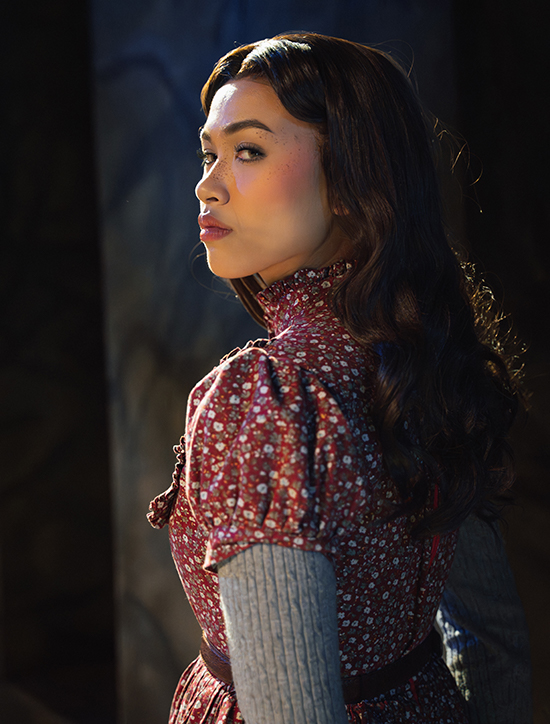
Angia Laurel: It openly explores themes that many societies still struggle to discuss honestly. But that discomfort is exactly why it’s important. Art creates a space where difficult conversations can happen with empathy. Instead of presenting these issues as abstract ideas, theater shows the human cost of silence and misunderstanding. When young people aren’t given guidance or freedom to express themselves, the consequences can be devastating, and storytelling makes that reality impossible to ignore.
CONTINUE READING BELOW

By addressing these themes through art, we create room for awareness, dialogue, and even healing. It reminds audiences that these experiences are real, that they matter, and that staying silent about them doesn’t make them disappear.
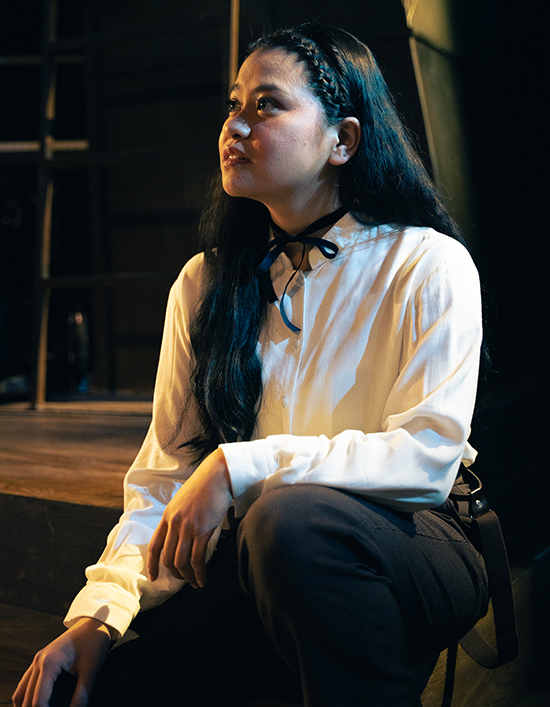
Jam Binay: These themes have always been considered taboo, especially for a Catholic country like ours. There is so much shame interlaced with ideas of sex and abuse, which is learned by generations of repression and fear. Art serves as a medium for us to speak out, to package these themes in a way that is hopefully digestible and encouraging for viewers to keep thinking about. Art creates a space for us to be brave enough to confront our humanity.
The musical is set in 19th-century Germany, and it has been 20 years since it started on Broadway. Why do you think Spring Awakening transcends time?
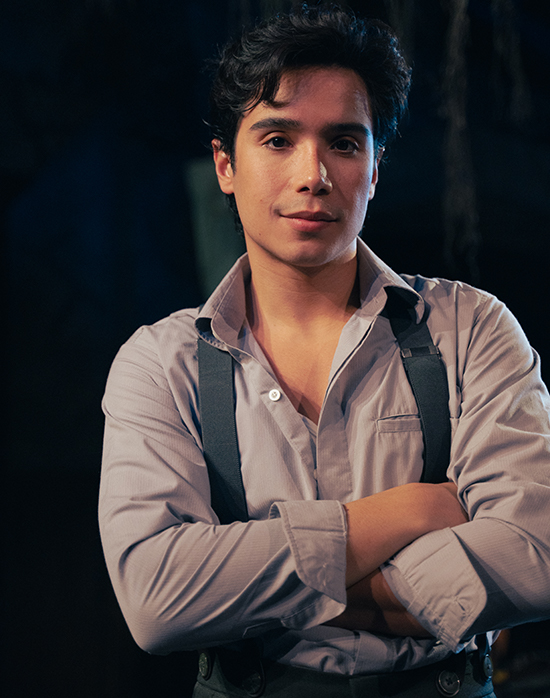
Nacho Tambunting: It's a testament to the universality of the material. Teenage angst and generational barriers will always be relevant — I think it's an inevitable outcome of societal advancement. I would imagine that years from now, I might relate more to the adults than the teens, and the show will take on a whole different meaning.
Angia: The core conflicts aren’t tied to one era. They’re human. What makes the story timeless is that adolescence itself hasn’t changed. Young people are still trying to understand their bodies, emotions, and place in the world. When guidance is replaced with shame or silence, the results can still be harmful.
Jam: Many of the issues in the show stem from learned shame. We, as a society, refuse to talk about sex and reproduction in a manner that is educational and informative. Instead, it is reduced to green jokes and hushed whispers, thus creating a bigger stigma that further labels these ideas as shameful and dirty.
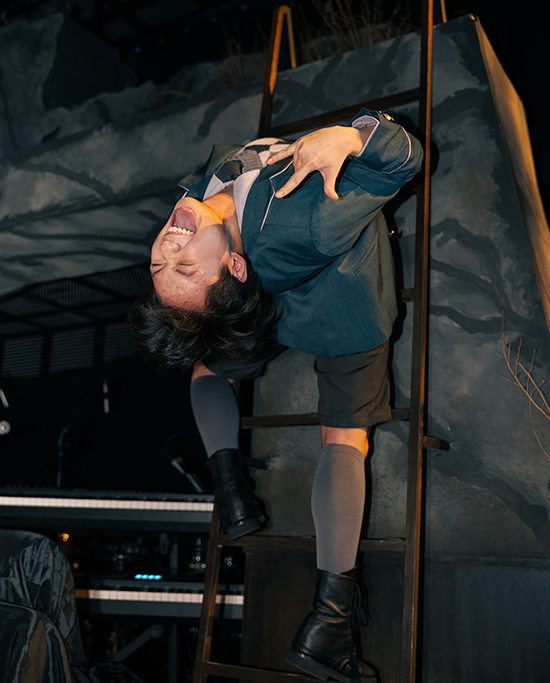
Nic Chien: Unfortunately, this show is still so relevant because its themes are so relevant. Especially in this country! Mental health, sex education, religion, societal expectations: these are issues we need to talk about in places like school and at home, instead of being so taboo that it’s never talked about at all!
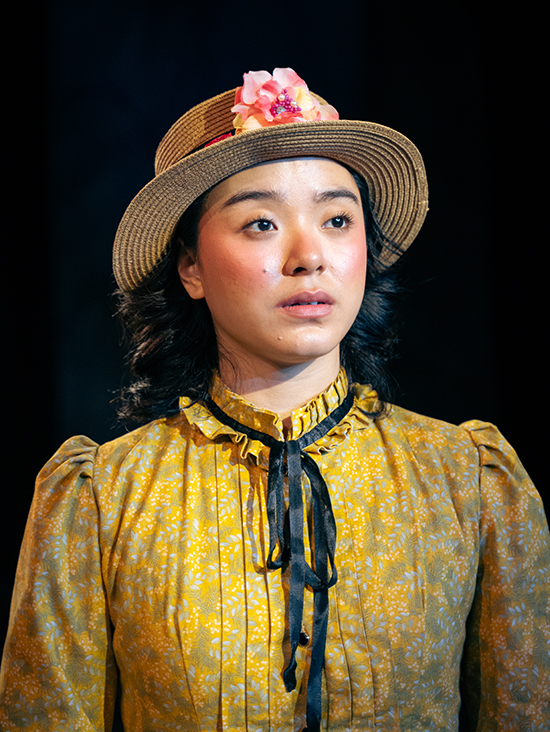
Sheena Belarmino: From the title itself, spring is a season of growth. It sends a message that we should protect the children who are vulnerable in so many aspects of life. Sex education should be talked about at this age, especially since we have easy access to media. This isn't just a musical where we just sing songs and dance with it. It's a protest.
You want peace from us; we demand safety, proper governance, and guidance. We're doing this not just for entertainment, but to educate and spread awareness.
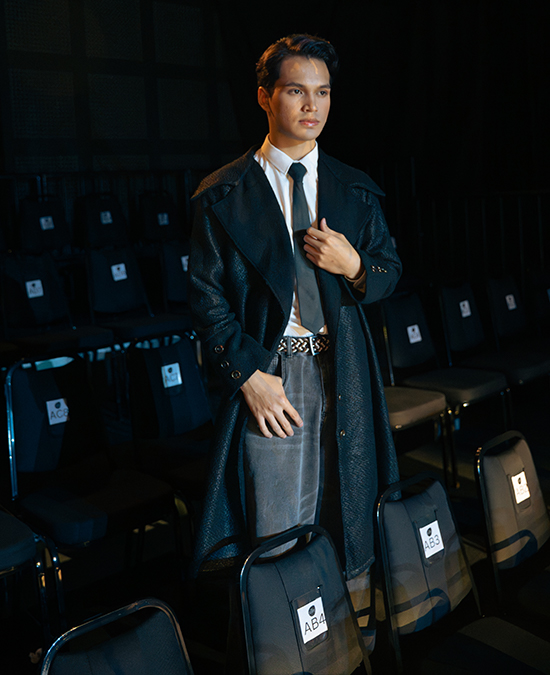
Omar Uddin: As they say, history repeats itself. Spring Awakening can remind the older generation to be more caring about what the new generation is about to experience and guide them to make this world a safer place for everyone.
As in many generations before, young adults and teenagers often go against the grain, challenging norms and expectations. Why do you think it’s important that we question authority or the status quo?
Nacho: I believe questioning one's reality is a vital part of participating in one's life. Critical thought is required for change and progress. But I've also learned that it's important to do this in a respectful way—it makes the conversation more productive.
Angia: In Spring Awakening, the clash between youth and authority isn’t just rebellion for rebellion’s sake. It’s a cry to be heard. That tension exists in every generation because questioning is a natural and necessary part of growth.
Challenging the status quo doesn’t mean rejecting structure or disrespecting elders. It means having the courage to ask why, to examine whether the systems and beliefs we inherit still serve us in a healthier, more compassionate way. Many of the freedoms we value today exist because someone once dared to question what was considered “normal.”
For young people, especially, questioning authority is part of discovering who they are. It fosters critical thinking, self-awareness, and the ability to advocate for themselves and others. Without that space to question, harmful patterns can continue unchecked.
Jam: My theology professor in college once said that doubt is important to your faith. I think that the moment you stop asking questions and stop trying to understand the ways of the world, you fall into blind compliance (and grow up to be like the adults in the show!)
Sheena: It's so important to practice questioning and understanding, especially since we live in a society where when you question, you're called ungrateful, discontented, pakialamera, or mema. It isn't wrong to question or ask; what is wrong is to stay silent and just go with the flow. Yes, it's easier said than done, but I realized that if we always stay in the shadows and let the wrong "authorities" lead, we're the ones who get the consequences, not them.
Omar: It’s about time that we earn the freedom of being who we want to be. But we can’t have that if we, as the citizens, just let them take control when we already know something is wrong.
A big plot point in Spring Awakening focuses on how teenagers go about sex and consent in a world that doesn’t properly educate them about it. Looking back at your own experiences growing up, do you resonate with this part of the story?
Nacho: I was lucky to receive sex education in school, which gave me agency over my body. I'd encourage teens to speak to their parents or a trusted adult. Sure, these conversations can be awkward and uncomfortable, but I've come to learn that difficult conversations are usually worth having.
Nic: My parents have always been fairly transparent and trusting, so not really. But I know what it’s like to be a child and not know what I’m doing is wrong, thinking it’s okay because it’s fun at the moment, only to realize the severity of it much later—thanks to my parents telling me. Because I mean, how the hell are we supposed to know what we’re doing, without the people we depend on telling us the truth?
What is an important lesson that you learned from your character in the musical?
Nacho: Melchior has taught me not to take myself too seriously. That one doesn't need to blow things up to change the world. Simply existing in itself creates change and impact.
Angia: One of the biggest lessons I’ve learned from Martha is how complex survival really is. People don’t always leave right away, not because they accept what’s happening, but because fear can be paralyzing. It’s easier said than done to speak up or walk away in the real world; that kind of courage often takes time.
But what this story also reminds me is that no one has to do it alone. Finding your voice is a process, and there are people who will listen, believe, and support you when you’re ready.
Jam: Ilse stands up for herself and knows when to leave when she needs to. I think that’s a lesson we can all learn from!
Nic: See your children. See their pain, see their struggles, and listen to them. Be understanding, be kind to them, and take them damn seriously. Because you never know what can happen.
Sheena: What I love about Wendla is that she is passionate and curious. She persevered to get the answers on her own, which is dangerous, but proves she's such an intelligent girl. She thinks and is aware of the imbalance of power at that time in Germany. I see a bit of myself in her. I observe, analyze, question and learn things on my own and make mistakes most of the time: a process that works for me as an actor and as a person.
Omar: I learned how to empathize with the people who have dealt with or are dealing with the same situation as my character, Moritz, and how important their story is.
What is an important message you think this iteration of the musical gives to Filipinos, specifically Gen Z?
Nacho: I hope parents can come with their teens (to watch the musical) and talk about it afterwards. It's a conversation starter that can help normalize these issues. Sandbox even offers amazing resources for mental and sexual health (concerns). They have been very sensitive in dealing with the material, and I encourage audiences to come in with an open mind and heart.
Angia: For Gen Z, the show is a reminder that it’s normal to be curious, ask questions, and even push back a little. It encourages young people to speak up, learn, and support each other instead of hiding or feeling ashamed. It also reminds us to be kind and listen, because everyone is dealing with their own struggles.
In the end, the musical says it’s okay to face uncomfortable truths and take your time to figure yourself out, and that you don’t have to do it alone.
Jam: The things you learn, or don't learn, during your adolescence actually shape what kind of adult you are going to be. Keep yourself informed, keep asking questions, and keep fighting for the truth.
Nic: Asking questions is good, and that authority is not always correct. It can often be flawed, as human beings often are.
Sheena: Let's fight! Mga palaban tayong mga Pilipino. Ipagpatuloy natin ang laban para sa kinabukasan natin. Sa sining man ‘yan o sa iba pang uri ng gawain na nagpapakita na lumalaban tayo para sa karapatan natin, para sa bansa natin.
Omar: You are not alone, your story matters, and your feelings are valid. I hope you also find the right people to surround you and never be afraid to ask for help. We hear you.
***
The Sandbox Collective’s production of Spring Awakening runs until March 22, 2026. For ticket inquiries, follow their social media pages at @thesandboxco.

WATCH: Is OPM still as good as it used to be? (Generations Ep. 20)
September 9, 2026