

The Devil is no more
Well, first of all, there’s HR. That’s why. Devil bosses have as much chance as a snowflake in hell with vigilant human resources departments. Plus, there’s social media, which may be unfairly and unlawfully weaponized. But it’s still there, fairly or not. So, tyrants, watch out.
Bosses with fire and brimstone rolling from their tongues, expletives and high-pitched mura the likes of which we heard from a former president, can no longer get away with it nowadays. HR will cut you down to size—you will have to hang your bad habits permanently on the wall, like the fictional Runway editor-in-chief Miranda Priestly (Meryl Streep) had to hang her coat on the wall (though not permanently in her case). In The Devil Wears Prada 2 (DWP2), the feisty, iconic editor had to hang her coat by herself as her dumping of coats on the laps and tables of assistants had gotten HR’s raised eyebrow.
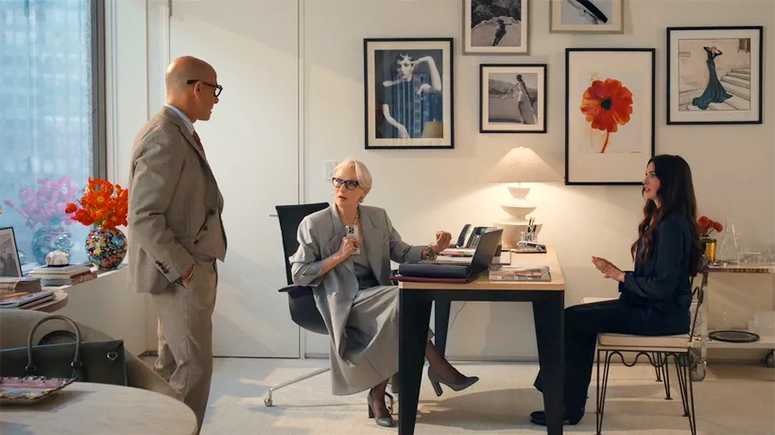
During my time, bosses raising voices in the open were part of the newsroom and boardroom culture, and the best and the brightest names in many fields were arguably the products of this kind of tough mentoring.
Though Miranda never shouted, she could grind your ego to bits in a smoldering soft-spoken voice.
“By all means, move at a glacial pace. You know how that thrills me,” Miranda tells her new features editor Andy Sachs (Anne Hathaway), when she was impatient with results.
CONTINUE READING BELOW

Or her now iconic, dismissive, “That’s all.”
***
Times and algorithms have changed, and oh, how drastically so.
Print royalty has had to share their throne with influencers and key opinion leaders and TikTokers, who win elections for politicians.
But I still believe that the royal majesties of journalism are still the print royals. The senior royals, so to speak. The “trad med” to the newer media practitioners.
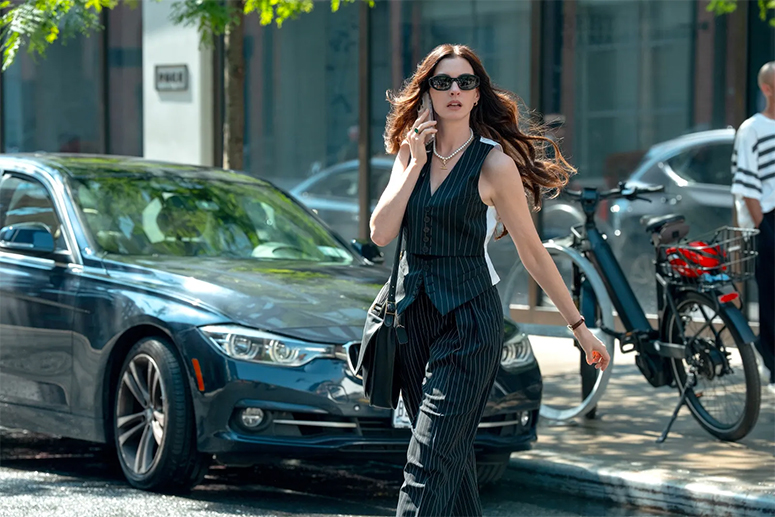
I recently watched The Devil Wears Prada 2 with my husband, and it really struck close to home. As the founding editor of PeopleAsia magazine, a leading glossy that pioneered the “People of the Year” awards for the year’s luminaries and exemplars, I have lived the life of Miranda, but through less Milans and definitely less Pradas. Which is not to say my scaled-down version of Miranda’s life was bereft of the excitement, and yes, the perks, that go with being the editor of a platform that elevates people and their achievements.
We were able to put together an iconic cover shoot at the jaw-dropping Angkor Wat temple in Siem Reap, with the willowy Angel Jacob going through costume changes behind malongs amid the ruins. That was a Holy Grail.
The iconic, jaw-dropping moments notwithstanding, the magazine industry has changed as society as a whole has changed. Magazines mirror the times and the technology of the times. Work gets easier—thank God for copy-paste and voice recordings that auto-transcribe themselves. Not to mention Google and ChatGPT, but strictly for research.
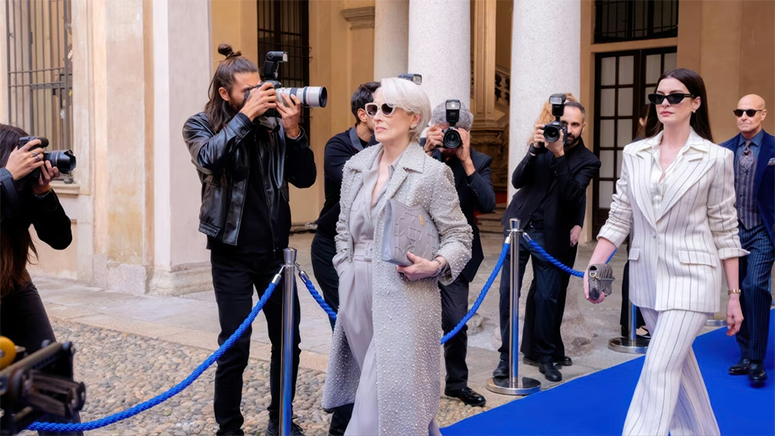
Advertisers are the true publishers in the sense that they keep magazines on print, not just online. Editors cannot be purists and must learn to walk the glossy tightrope between “principle” and “principal.”
Fictional Runway investor and tech mogul Benji Barnes (Justin Theroux) explains, “The future just comes rushing at us like... well, like the lava of Pompeii. Our job is just to let it take what it wants to take. One day it’s going to come and it’s going to smother us all.”
As the movie correctly points out, the ones who adapt are those that last.
People who last, with sterling reputations that outlast them, are those who search doggedly for the Holy Grail of subjects and find them—in the case of DWP2, the elusive Mrs. Sasha Barnes (Lucy Liu). I had many searches during my 26-year stint as EIC of PeopleAsia—pinning down Fernando Poe Jr. for one; Mar Roxas and Korina Sanchez when they had not yet gone public with their relationship; and the then newly-widowed Leni Robredo. It took a labyrinth of connections, some unexpected, but the day truly belongs to the one who brings home the Holy Grail. Those who keep searching and delivering will keep print media alive.
I must have been the devil who wore Pucci (which I wore a lot of in the aughts, when the DWP1 was first released) in some instances, to Emilys, Andys, and Charlies—but I don’t think I was devilish enough to reach Miranda’s status. One of my former trusted assistants at the time DWP1 was released voluntarily pushed my swivel chair from the elevator to my table when I had a fractured foot and no wheelchair (yet). He was apparently teased, “Emily.” Oh, but I thought it was humane of him.
And Miranda was spot-on when she said that all that glitter had a cost to it—missing out on your children’s (or parents’) milestones, hugs, snuggles and tender bedtime stories. But as a friend once told me, “Must-do is an easy master.”
“They should know there’s a cost. But boy, I love working. I really do. Don’t you?” Miranda, for her part, tells Andy.
Yes, there truly comes a time when it is not just a “must-do” but “want-to-do” and that’s when you know you really love your job. You realize your personal growth is tied to your professional growth.
But as Miranda’s new husband Stuart (Kenneth Branagh) pointed out, you’ll know when it’s time to leave. You’ll just know it.
My lightbulb moment came about two years ago. I left the lightbulb on and it didn’t flicker. So, I knew. With “joyful detachment” I walked away, a closetful of gowns and memories accumulated through the years—content, happy and confident that the magazine is still thriving and will still be so even without me. I sashayed away from my glossy world of 26 years, but not in red Prada stilettoes—more like in Ferragamo Vara pumps.
And I can’t really say “That’s all.” More like, “That won’t be all. More to come.”

WATCH: Pixar Summer Fest adventure at Hong Kong Disneyland
August 10, 2026
WATCH: Discovering Vietnam in three days
June 9, 2026