

The Philippines, served on a plate
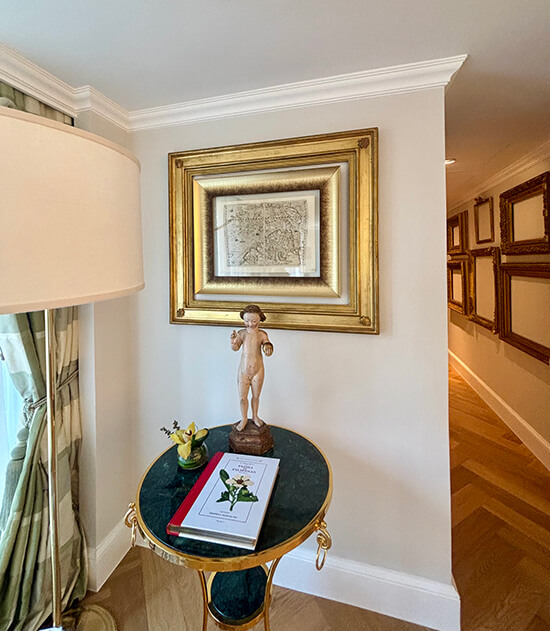
In an intimate corner suite at The Peninsula Manila’s retail row, Jeffrey Cadayong has recreated a little corner of Paris. There are botanical prints on the walls, antique gilt frames collected over time, furniture shipped in from France, and the understated elegance of a private salon meant for long lunches and unhurried conversation. The only reminder that you are still in Manila are the kalachuchi trees abloom under the summer sun just outside the window.
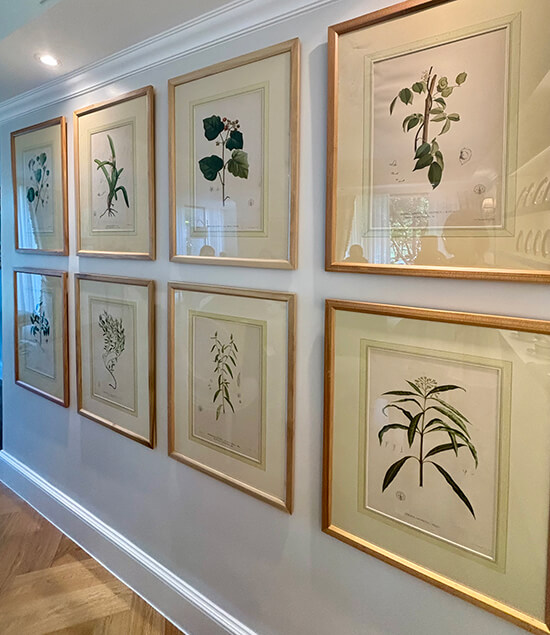
The walls are lined with framed illustrations from Flora de Filipinas, turning the space into part gallery, part apartment, part cabinet of curiosities. On the shelves and tables sit luminous porcelain pieces in deep imperial blue, edged with fine gold detailing, each one bearing a botanical illustration drawn from one of the most important books in Philippine history.
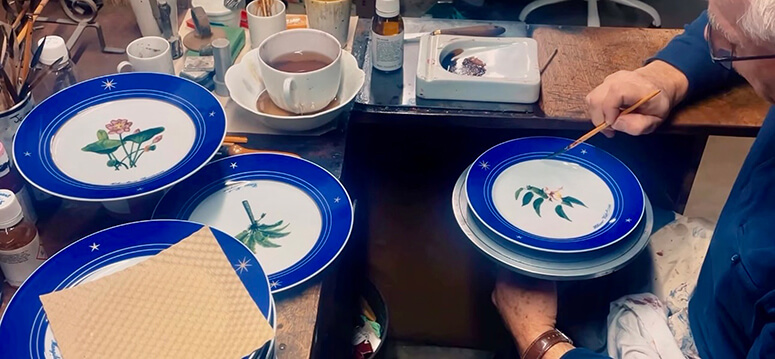
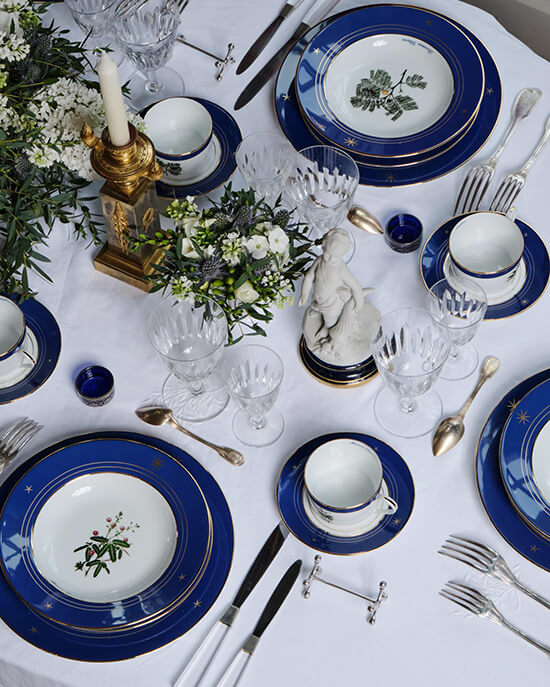
This is Flora de Filipinas by Maison de Rivoli, a porcelain collection that marries French craftsmanship with Filipino botanical heritage.
For Cadayong, the Paris-based Filipino gallerist behind Rivoli Fine Arts, the project is deeply personal. “This is for the Philippines,” he says simply, “and for the world to know more about the country.”
Best known for championing Filipino artists in Europe—among them Filipino American sculptor Jefrë and painter-photographer Mark Nicdao— Cadayong has also quietly devoted himself to sourcing important heritage works by Filipino artists and bringing them home to the Philippines. With the Flora de Filipinas dinnerware, he extends that advocacy into the world of design and decorative arts.
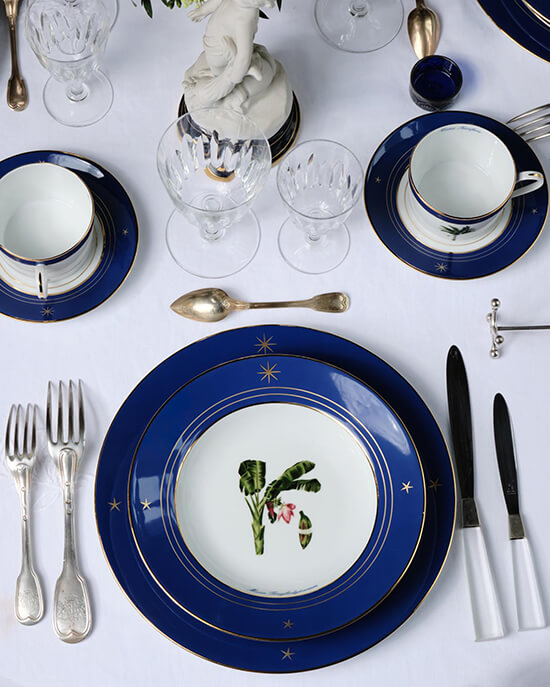
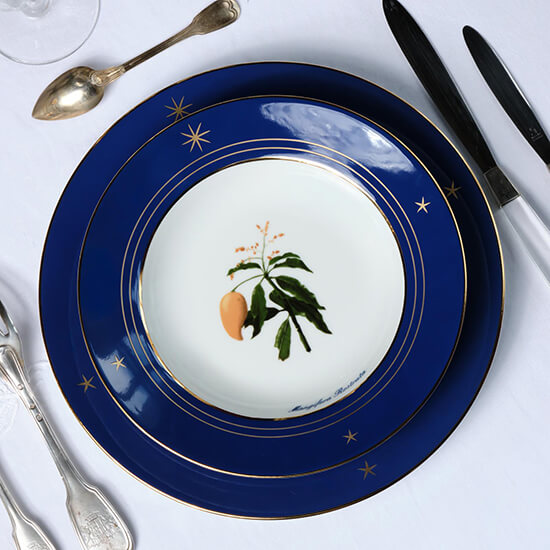
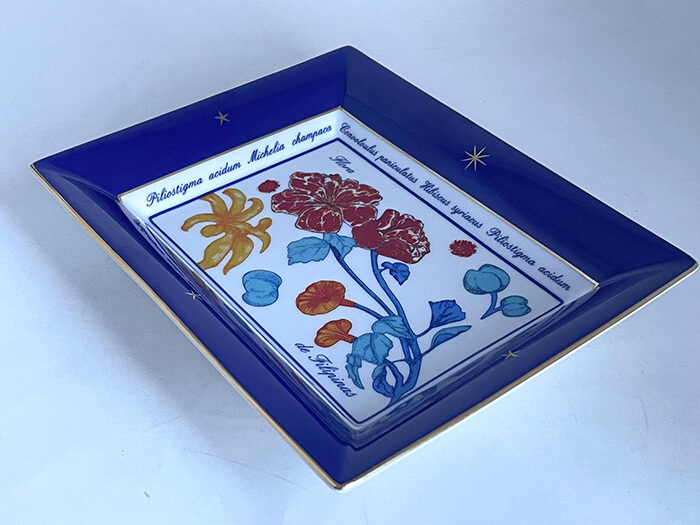
Cadayong created the project with a couple of friends and partners, and produced by Royal Limoges, the oldest porcelain maker in France, founded in 1797 and manufacturer of porcelain for luxury houses such as Hermès. Crafted in Limoges and finished with 24-carat gold accents, the pieces possess that unmistakable delicacy associated with fine French porcelain—refined, luminous, and quietly luxurious. The imperial blue borders are adorned with subtle references to the Philippine flag: the eight rays recalling the first provinces that rose against Spanish rule, and the three stars standing for Luzon, Visayas, and Mindanao.
CONTINUE READING BELOW

The designs are based on illustrations from the historic Flora de Filipinas, the monumental botanical publication by Spanish friar Fr. Francisco Manuel Blanco, first published in 1837. Considered one of the treasures of Filipiniana, the work documented hundreds of plant species found across the archipelago and became renowned for the richly detailed illustrations produced by Filipino artists for later editions. Beyond botany, the volumes serve as an enduring record of Philippine history, artistry, and identity.
Cadayong reveals that complete sets of Flora de Filipinas are exceedingly rare, with the National Museum of the Philippines holding one—and Cadayong himself owning another in what is believed to be one of the few complete sets in private hands.
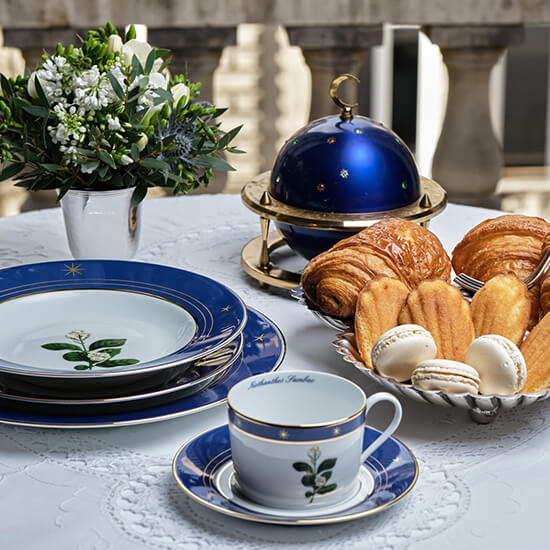
Inside the showroom, the framed botanical plates create an immersive backdrop to the collection itself, reminding guests that these porcelain pieces are rooted not only in design, but also in scholarship, memory, and cultural pride.
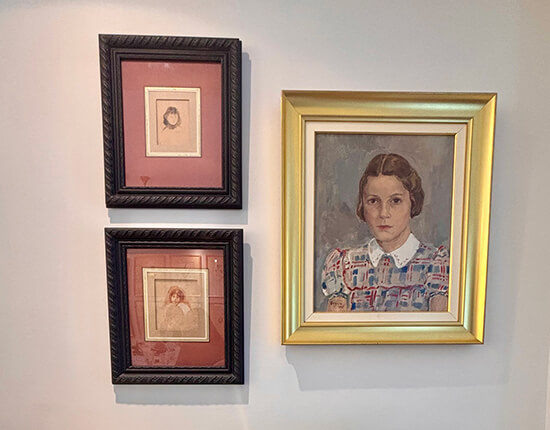
But the salon-like showroom is filled with art and history beyond the botanical archive. Among the works displayed are intimate Juan Luna studies and preparatory sketches of the artist’s children, offering a rare glimpse into the softer, more personal side of the Filipino master. Another is a portrait by Macario Vitalis, an Ilocano painter who lived most of his life in France; a 16th-century polychromed wood sculpture of the Child Jesus from Mechelen in Belgium, considered a cousin of the Sto. Niño de Cebu; and an exceedingly rare Ramusio-Gastaldi Map, considered the Philippines’ “birth certificate” for being the first to name the archipelago “Filipina.” They sit comfortably alongside the botanical prints and French furnishings, reinforcing Cadayong’s instinct for creating spaces where Filipino heritage feels both cultivated and deeply lived-in.
For this debut numbered edition, limited to only 200 pieces, Maison de Rivoli selected eight botanical illustrations from the book’s more than 467 images: coconut, gumamela, ipil-ipil, mango, makahiya, mountain banana, lotus, and sampaguita. Cadayong says they have barely scratched the surface. “It will take years for us to go through all of them,” he says.
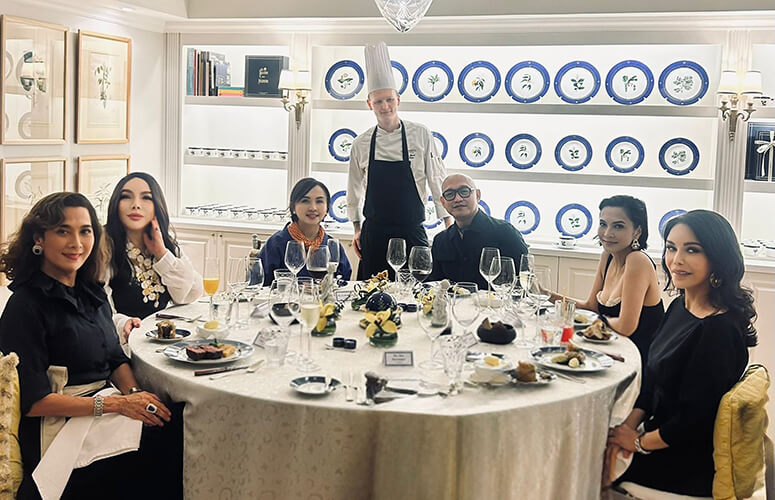
The collection includes dinner plates, soup and salad plates, coffee cups and saucers, as well as decorative trays adorned with Philippine floral motifs against the signature imperial blue background. During the intimate lunches, dinners, and afternoon teas hosted in the showroom and catered by the Pen’s Old Manila, guests actually dine on the porcelain itself, allowing them to experience the collection as it was intended—not displayed behind glass, but gathered around a beautifully laid table.
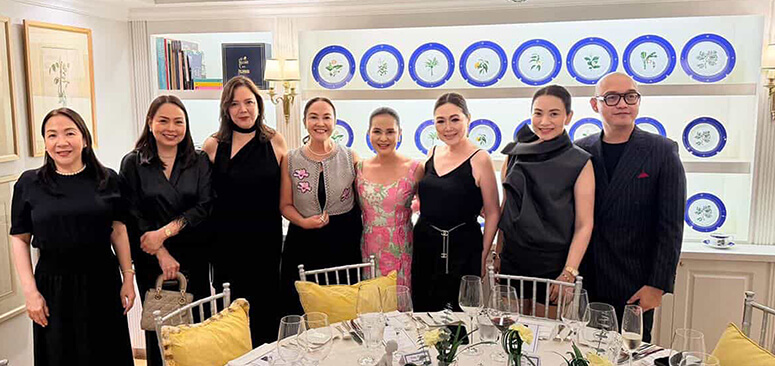
The gatherings are intentionally small. Before the larger formal launch planned later this year, Cadayong wanted guests to encounter the collection in a more personal setting, where every plate, illustration, and historical reference could be thoughtfully explained. There is even a young Frenchwoman named Jade—herself from Limoges—who can guide visitors through the collection by appointment, sharing stories behind the porcelain craftsmanship and the botanical archive that inspired it. (For appointments and inquiries, contact info@floradefilipinas.com or message @floradefilipinasbymaisonrivoli on Instagram and Facebook.)
And already, Cadayong hints that Flora de Filipinas may eventually expand beyond porcelain. There are discussions about developing home fragrances using raw Philippine materials, crystal glasses and silverware, and other decorative arts, further deepening the dialogue between French luxury craftsmanship and Philippine heritage.
Perhaps that is what makes the project so compelling. Flora de Filipinas is not merely a porcelain collection. It is an ongoing cultural conversation—between France and the Philippines, between history and contemporary design, between memory and modern luxury—told through flowers, craftsmanship, and the quiet ritual of gathering around a beautifully set table.

WATCH: How to experience Bangkok and Kanchanaburi in one trip
October 21, 2026
WATCH: Can you still trust someone who betrayed you? (Generations Ep. 22)
September 23, 2026
WATCH: Save for retirement or enjoy life now? (Generations Ep. 21)
September 16, 2026