

So, ‘The Bear’ wasn’t about a restaurant?
How long did it take me to realize The Bear was a metaphor for life?
Probably by the show’s final episode, which wrapped up the fictional struggles of the titular Chicago fine-dining startup wracked with more disasters and traumas than a dozen seasons of Hell’s Kitchen.
As the show ping-ponged, over five seasons, between toxic kitchen explosions and slow-paced pensive gazes from chef Carmen Berzatto (Jeremy Allen White), the final season amped up the tensions that made The Bear initially seem like a documentary-style drama of a restaurant, landing eventually as the pulse read on existence that it had always struggled to become.
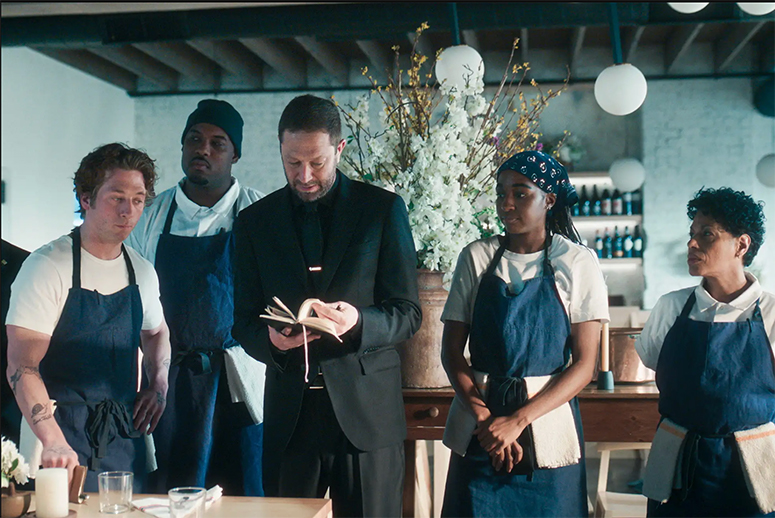
Many people in the food industry found watching The Bear too stressful, too close to home, too close to their own kitchen nightmares. It sits pretty close to The Pitt, on the TV stress-o-meter.
Those first seasons: the toxic shouting, quick-cuts, flaming expletives, violent outbursts, sick burns… it felt like being in battle.
Then The Bear became something weirder, focusing on feelings, a kind of gooey stickiness below the surface of the Berzatto clan, underneath all the suicidal siblings and a crazed mom (Jamie Lee Curtis) spinning out while preparing a Feast of the Seven Fishes for Christmas. The stickiness would ooze out in moments of atypical fondness these people displayed toward one another, when the toxicity levels dropped and nobody was watching. At times, this shift towards intimacy felt a little unearned: like it presumed our love for these characters was baked-in. Like maybe the makers of The Bear were at war with themselves in crafting it—waging a battle between hate and fear, love and acceptance.
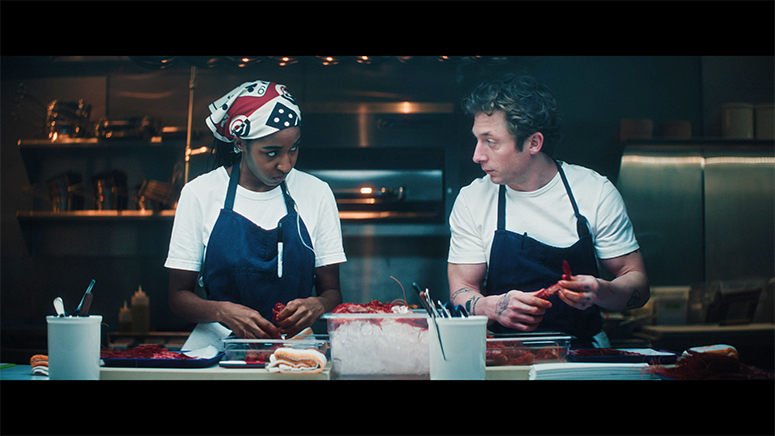

And that’s where the metaphor became clearer.
Sure, every fictional work is a metaphor for something. The Bear wanted you to understand, finally, that this was all a metaphor for the raging, ragged nature of life; how it tore away at you and made you lash out, turn people away, and sink into the machinery of fear.
But on the other side was a crack in the façade of our rigid defenses. There was the ability of Carm’s sister Natalie (Abby Elliott) to trust her mother, and Carm’s being able to put something down that he was good at, because it made him a worse person. It was about Syd (Ayo Edebiri) learning to realize she had what it takes to run a kitchen. It was the ability of Richie (Ebon Moss-Bachrach) to face his fears about being in charge. This recognition for each character was a shining flicker of light in response to all that fear and doubt. Like Leonard Cohen wrote: “There is crack in everything, that is where the light comes in.”
This final season showed us both sides of the wire the series had schizophrenically danced across: a single raging day in the life of The Bear, during what feels like just a typical week here in habagat season: horrible, soul-crushing rains and blown sewer pipes and stacked-up reservations and no food supplies and a nattering Oliver Platt circling around everything with his bean counters, like the Grim Reaper holding an umbrella, trying to sell off all the parts.
The show dug deeper this season, without being too clotted or cute, and gave us fleeting glimpses of its real heart. There were great laughs— the unwelcome presence of a few “selected” diners in a kitchen tour who stick around to watch all the chaos behind the glass window was a brilliant touch. It didn’t always land perfectly, but the final season tied up the many ends of this Berzatto saga in satisfying ways.
Of course, the arrival of a Michelin star (or two) is really only the beginning of a restaurant’s story—just as every romcom ends at the very moment that romance is scheduled to begin fading. (Too cynical?)
Or when the principals realize that they will have to face variations of the very same challenges, day after day after day, and that is what is called life, and that is, finally, what makes it all worth it.

WATCH: Is OPM still as good as it used to be? (Generations Ep. 20)
September 9, 2026