

The modern love song
Long before dating apps, situationships, and the questionable appeal of “no strings attached” arrangements, humans were already falling hopelessly in love.
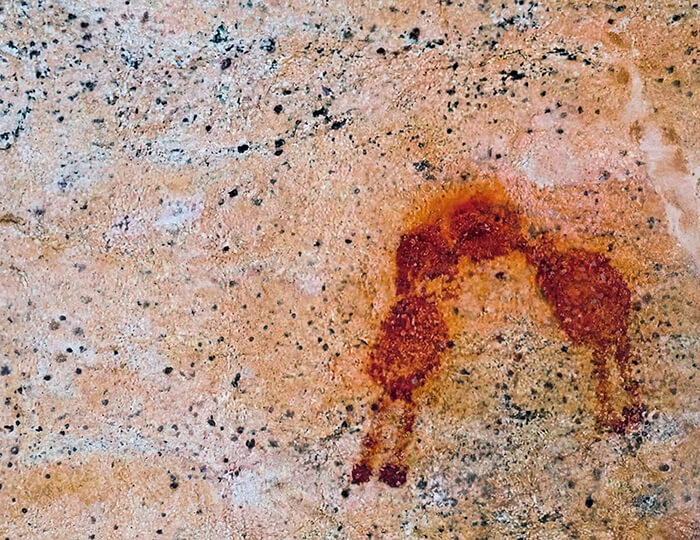
On the sandstone walls of Brazil’s Serra da Capivara National Park is a prehistoric painting known as “O Beijo,” or “The Kiss.” Believed to be thousands of years old, the painting appears to depict two figures sharing a kiss. We may never know who they were or whether the painting was even intended to represent romantic love. But I like to imagine that, even then, someone thought a moment of affection was worth preserving on a wall.
And as historians have discovered, our ancestors had quite a lot to say about love. More than 3,000 years ago, ancient Egyptians were already composing love songs about the beauty of their beloved, the excitement of being together, and the agony of being apart.
I suppose that, for as long as humans have been falling in love, we’ve been finding increasingly elaborate ways to express it. We’ve painted it onto walls, written poetry about it, and composed music in its honor.
But thousands of years later, the love song seems to have undergone a rather interesting transformation. Once devoted to the agony of being apart, some of today’s biggest love songs are now dedicated to the misery of being together. We’re singing about calling off weddings, learning the hard way that love isn’t always what it seems, and making enough money to become our own housewives.
CONTINUE READING BELOW

Which raises the question: What is the modern love song?
If the current pop charts are any guide, gone are the days when a successful romantic ballad necessarily involved promising someone your undying devotion. Nowadays, we’re just as likely to hear women singing about financial independence, emotionally incompetent boyfriends, and the freedom of walking away from a relationship altogether.

Take TikTok’s current favorite artist, Tate McRae, for instance.
In her latest single Housewife, released on Oct. 15, the Canadian pop star takes a traditional domestic title and gives it a rather rebellious makeover. While conventional love songs have often romanticized finding a man who can provide for you, McRae has other plans. She imagines a future in which she makes her own money, calls her own shots, and doesn’t need a man to provide any of it.
As she puts it, “I don’t need you, I want you.”
The accompanying music video is an extravagant display of luxury, complete with a mansion in the south of France, glamorous outfits, and a rather enviable lifestyle. But beneath the fantasy lies a more complicated question: what does it mean to be a woman in love when you no longer need someone to provide for you?
According to this generation's pop girlies, the man, it seems, is a welcome addition rather than an essential requirement.
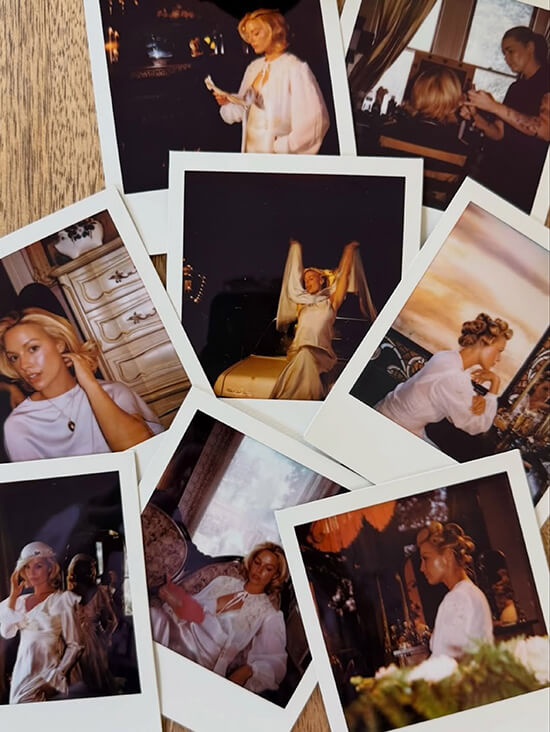
While McRae reconsiders the role of a housewife, Ashe questions whether becoming one is a good idea in the first place.
In her August single, Stop The Wedding!, Ashe takes one of romance’s grandest celebrations and turns it into a rather urgent warning. Inspired by her experience of entering a marriage she later regretted, the song follows a bride who begins to recognize that the man waiting for her at the altar might not quite be the Prince Charming she imagined.
“You don’t have to waste your night and wear your heart out,” Ashe sings, before urging the bride to recognize the flashing warning signs and stop the wedding. Rather than romanticizing commitment at all costs, she questions why anyone should remain in a relationship simply to avoid disappointing others.
It’s a sentiment particularly relevant to Filipino culture, where marriage can feel like a commitment not just to one’s partner but to two families. Choosing personal happiness over collective expectations isn’t always easy, yet Ashe’s message reflects a growing conversation about trusting one’s instincts and recognizing that putting yourself first doesn’t necessarily make you selfish.
After all, forever is an awfully long time to spend with the wrong person. And at a time when more women have the financial independence to build lives outside marriage, the grandest romantic gesture might just be having the courage to walk away rather than walk down the aisle.
None of which is to say all love is bad. Or that recognizing a bad relationship necessarily makes it any easier to leave.

Take Gracie Abrams, whose latest single, Here You Come, There You Go, released on Oct. 29, explores the rather exhausting experience of repeatedly falling for someone who can’t quite seem to stay.
In the song, Abrams describes an on-again, off-again romance in which a former lover conveniently reappears just as she’s finally beginning to move on. She likens herself to a double-knotted rope, seemingly secure in her independence, only for one person’s return to unravel all her progress.
It’s a rather inconvenient dissonance in an era that places so much emphasis on knowing one’s worth. We can recognize red flags, establish boundaries, and give our friends excellent relationship advice, yet somehow struggle to follow any of it ourselves. Evidently, knowing better and loving better are two very different things.
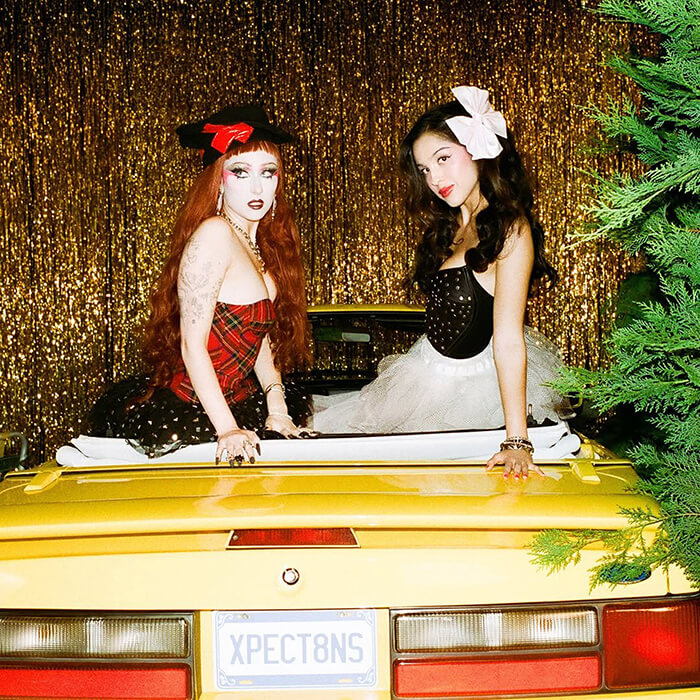
And if Gracie Abrams is struggling to follow her own romantic advice, Olivia Rodrigo seems to be questioning why the bar has been set so low in the first place. Although she’s willing to admit that she’s partially responsible.
In her 2026 single Expectations, recently reimagined with Chappell Roan, Rodrigo pokes fun at her own questionable dating history, admitting that she’s repeatedly settled for men who offered her far less than she deserved. The song becomes both a satirical confession and a personal mantra, as she attempts to raise her expectations and finally practice what she preaches.
Roan offers a similarly frustrating experience, recalling an elaborate concert date with a woman who takes weeks to return a promised phone call. Despite offering affection with “zero stipulations,” she wonders why receiving the same consideration seems so difficult.
Together, Rodrigo and Roan capture the irony of modern dating: we're often aware of what goes wrong, yet somehow find ourselves entertaining the same disappointments. Beneath the self-mockery, their message is simple. Love should go both ways, and expecting honesty, consistency and affection shouldn't be considered asking for too much.
And so, according to today’s pop girls, the rules of romance seem to be undergoing a rather extensive revision.
Thousands of years ago, someone thought a kiss was worth immortalizing on a wall. Today, women are singing about the freedom to walk away from one. For much of history, women were expected to depend on men for financial security and social stability. Now that more women have the freedom to build lives of their own, love is becoming less about necessity and more about choice. And with that choice comes the freedom to question what, and who, is truly worth our affection.
Thousands of years later, we’re still falling hopelessly in love. We’re just a little more careful about whose kiss deserves a place on the wall.
***
Read more about ancient Egyptian love songs here.

WATCH: How to experience Bangkok and Kanchanaburi in one trip
October 21, 2026
WATCH: Is Philippine cinema still thriving? (Generations Ep. 19)
September 2, 2026
WATCH: LGBTQIA+ people with unlikely professions
June 28, 2026