

Threads of heritage and culture at ASEAN
Consider It Done. CID. According to President Bongbong Marcos, this is the mantra of his First Lady Liza Marcos when faced with tasks.
When 11 countries convened in Cebu for ASEAN 2026 with the Philippines as host country, the President made sure that the leaders would work together “to strengthen cooperation as the ASEAN family supports efforts that promote dialogues, confidence building and maintenance of peace and stability in the region.”
The First Lady took care of finding the venues, logistics and performances for the guests, saying “every detail matters.” She said “ASEAN is about shared stories between our peoples.”
These stories include those about heritage and culture which each country is proud of. And these were captured in the handcrafted creations made for the ASEAN leaders by 11 Filipino designers from Luzon, Visayas and Mindanao, with materials provided by Lisa Marcos from her Likha project.
With the help of Lulu Tan-Gan—a pillar in the Philippine fashion industry who has evolved from Knit Queen to Piña Princess—we gathered the designs of these 11 designers, headed by Patis Tesoro, the grand dame of Philippine fashion who has resurrected the appreciation for local handmade creations, both vintage and new. Francis Libiran, Cary Santiago, Michael Leyva, Paul Cabral, Rajo Laurel, Patty Ang, Kenny Ladaga, Wilson Limon for Nino Franco and Kim Basilio all did global-worthy creations.
Music, Sinulog dancers and Cebuano flavors also brought the ASEAN countries together.
CONTINUE READING BELOW

President Marcos said this unifying meeting is timely as the crisis in the Middle East continues to affect fuel prices, food supply and the safety of ASEAN nationals across the region.
Shared stories and shared missions?
Consider it done.
Francis Libiran
World-class designer Francis Libiran designed a custom-made barong crafted from calado, a traditional embroidery technique using fine piña and jusi fabrics for the Philippine President.
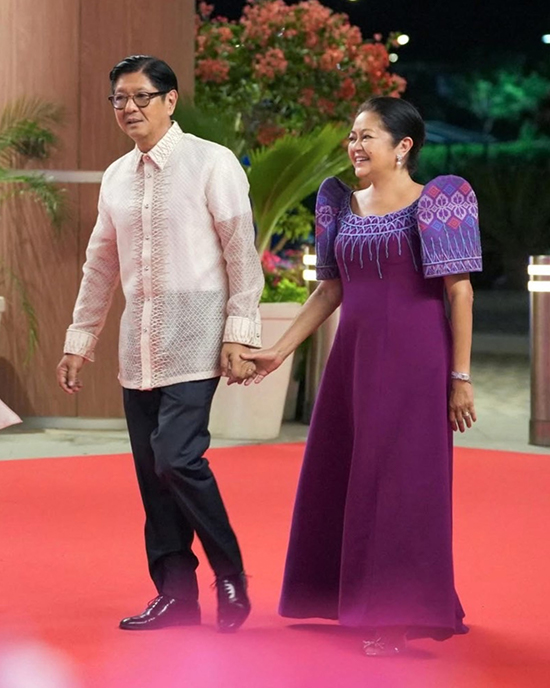
For the First Lady, he created a Filipiniana orchid gown with butterfly sleeves made from authentic Yakan handwoven textile from Basilan.
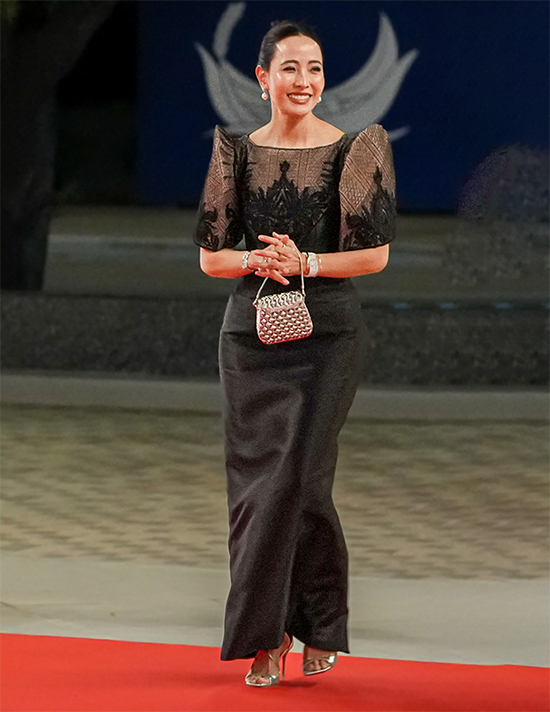
Libiran fused Filipino and Thai design traditions in a gown, featuring black calado piña, signature terno sleeves, and intricate embroidery inspired by the traditional Thai Kranok motif.
Cary Santiago
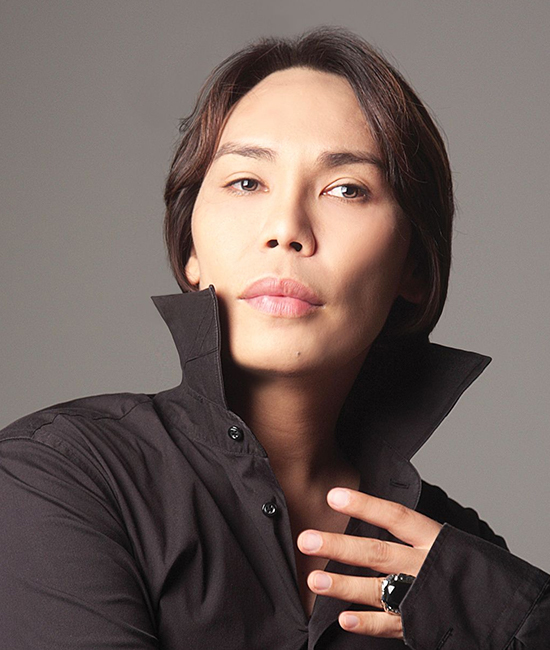
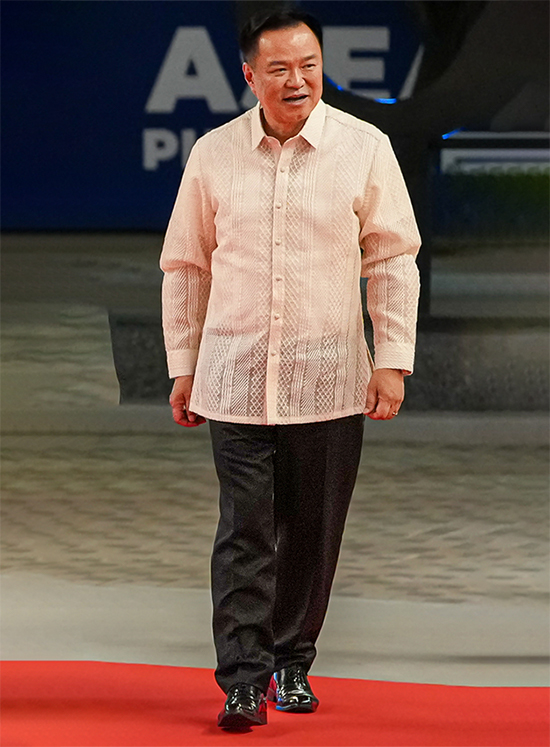
Santiago made a barong of piña fabric with intricate full calado embroidery in geometric patterns. He was inspired by Thai designs— symbolizing the common artistic heritage shared by the Philippines and Thailand.
Lulu Tan Gan
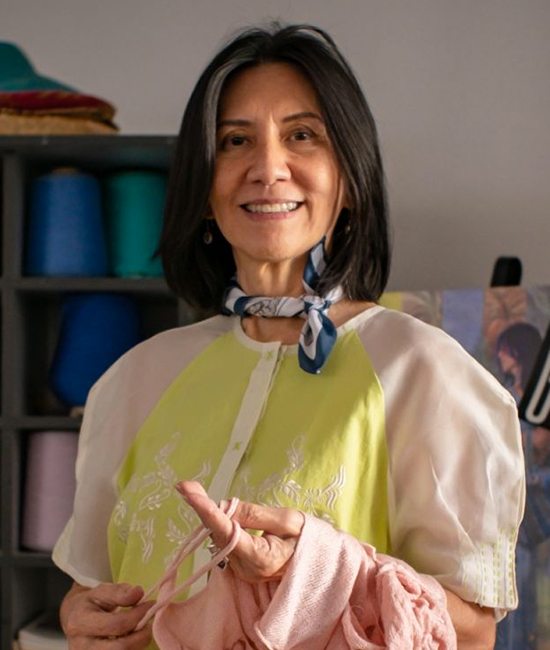
Tan-Gan’s artisanal fashion embodies her design signature and philosophy of understated luxury—“Farm to Fashion”—using the ethereal piña, in particular, to craft travel-friendly pieces that seamlessly blend practicality with elegance.
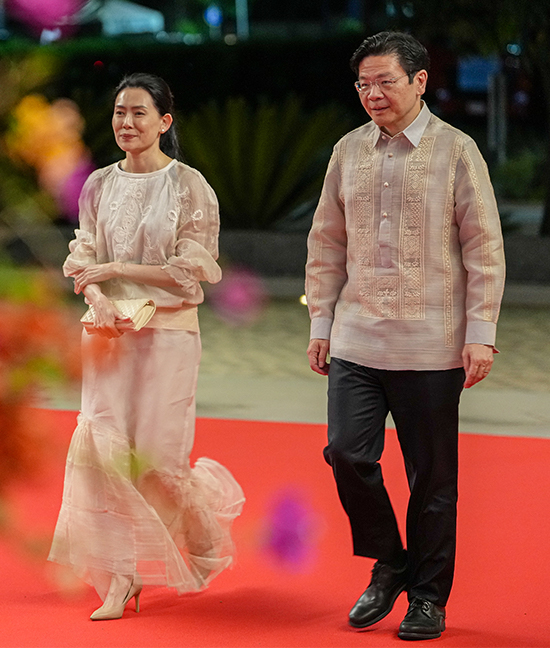
She designed an embroidered barong in jacquard suk-suk with floral hand embroidery in piña. The blue lining comes in silk.
For the wife of the Singaporean Prime Minister, Tan Gan crafted an artisanal piña long gown ensemble with hand embroidery, paired with a fishtail long skirt crafted in cut-out piña and silk, layered over inner French lace wear.
Patis Tesoro
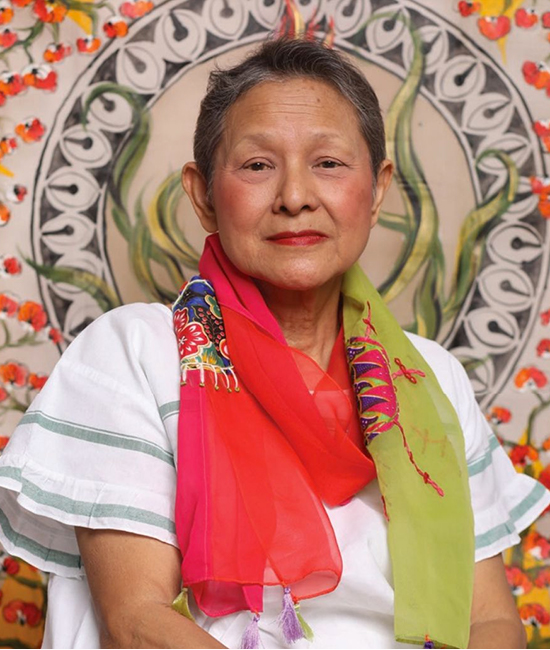
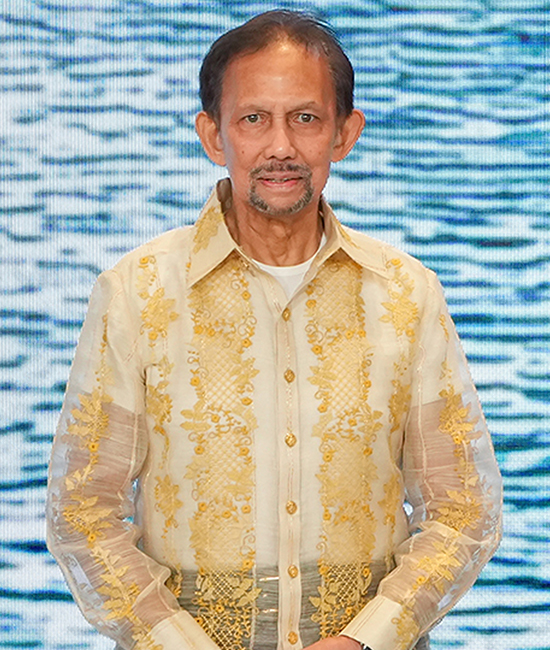
Tesoro’s barong cut is patterned after the King’s wardrobe and it is made of pure piña. The yellow floral embellishment was embroidered in Lumban town using calado techniques.
Michael Leyva
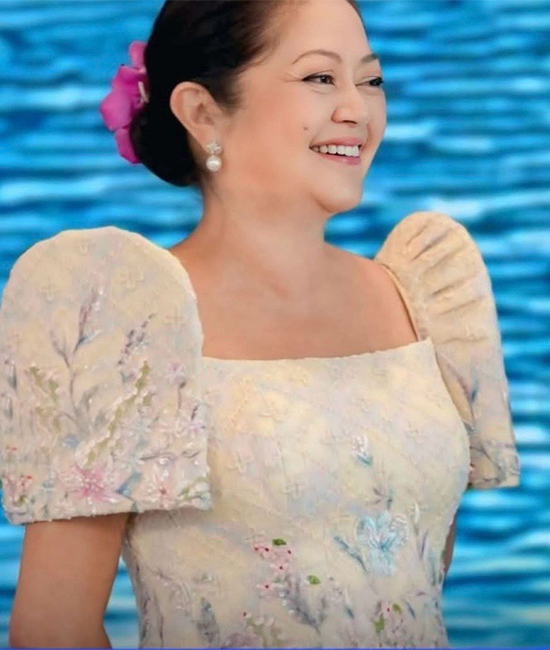
A brocade dress by Leyva with traditional woven calado fabric and hand-embroidered floral details for the First Lady during the opening ceremony brings out the beauty of Filipino weaving techniques and craftsmanship.
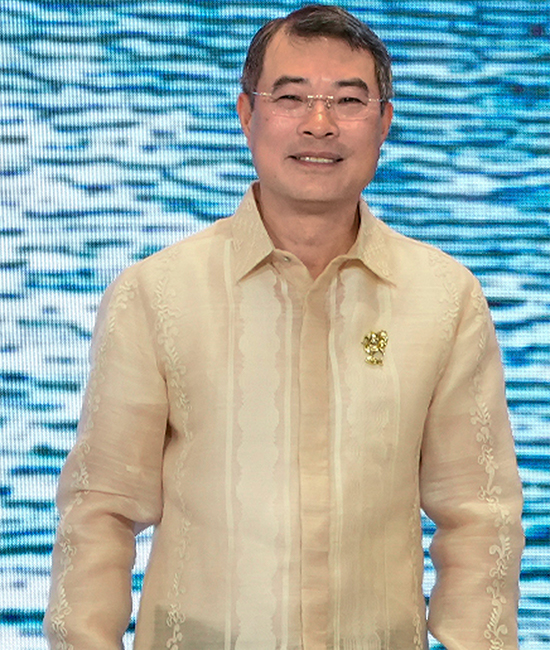
Leyva celebrates heritage and artistry with a piña barong with handwoven embroidery and traditional calado detailing.
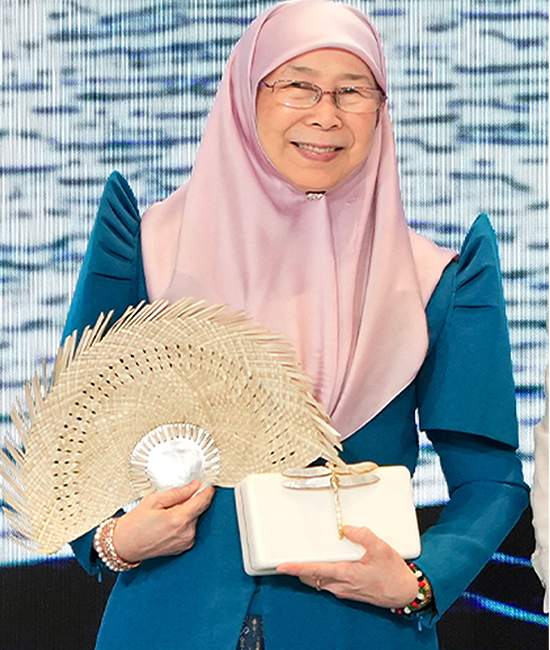
A teal Filipiniana attire by Leyva features handwoven ikat textile by Filipino artisans.
Paul Cabral
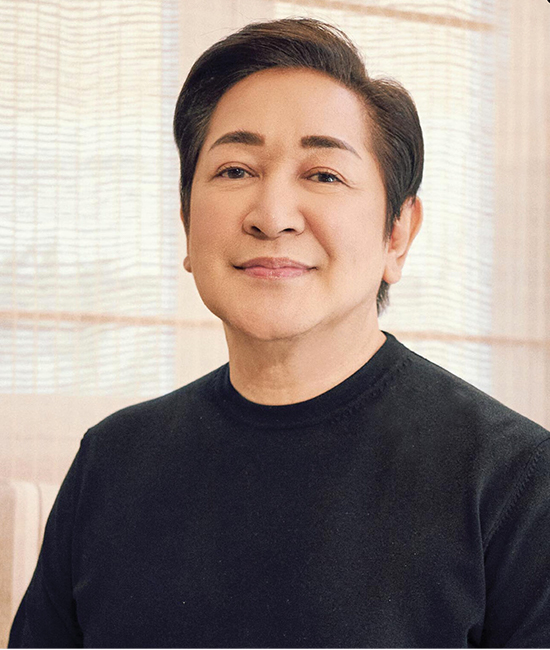
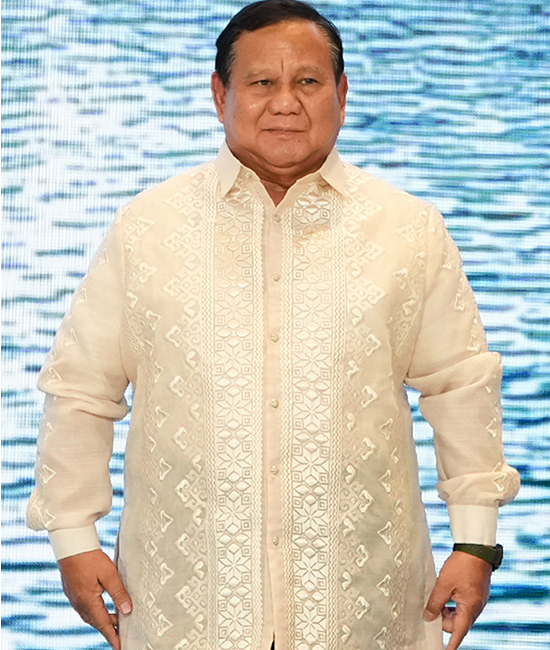
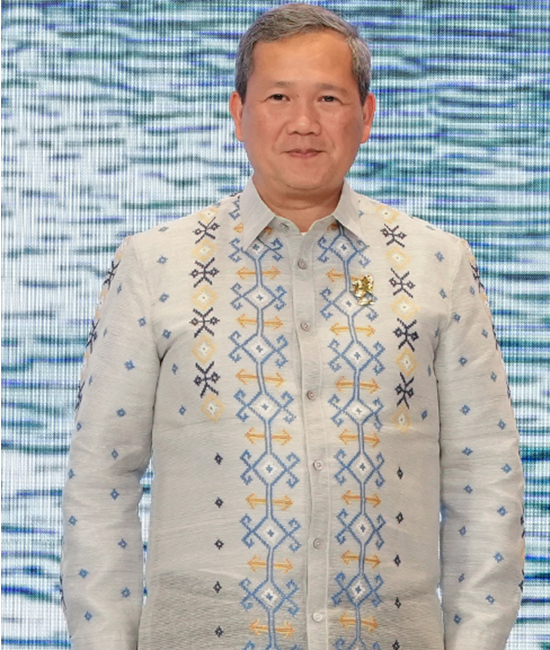
Cabral’s barong features delicate ethnic-inspired embroidery meticulously rendered on luxurious pineapple fabric, creating a refined balance between heritage and understated elegance. The intricate geometric motifs evoke indigenous craftsmanship, while the clean linear arrangement lends a modern, dignified sophistication befitting formal statewear.
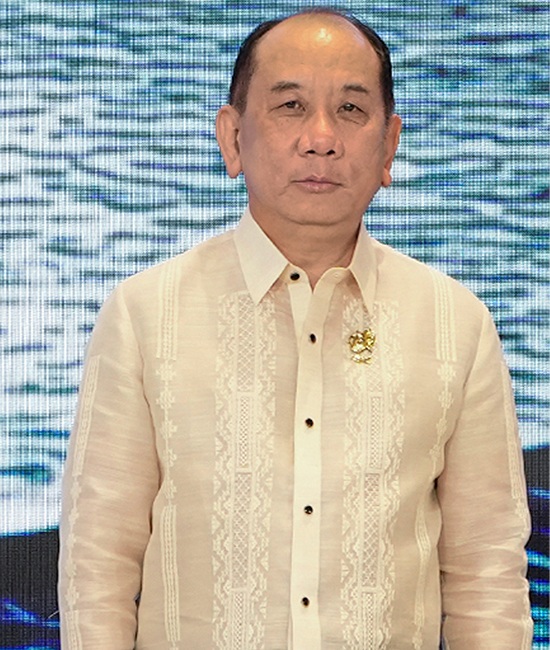
Executed in tonal embroidery, the design highlights the natural translucence and rich texture of the piña fabric, allowing the artistry to emerge with quiet refinement rather than excess. The sleeve detailing further enhances the ethnic narrative, giving the garment depth, character, and a distinctly Filipino identity rooted in tradition yet interpreted with contemporary restraint.
Rajo Laurel
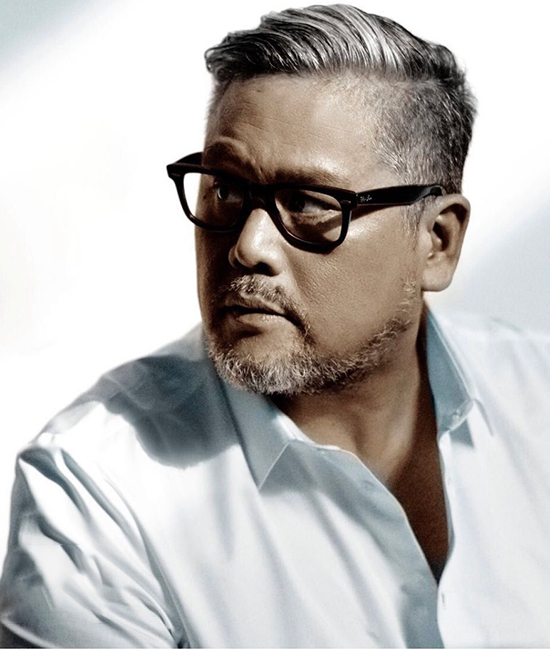
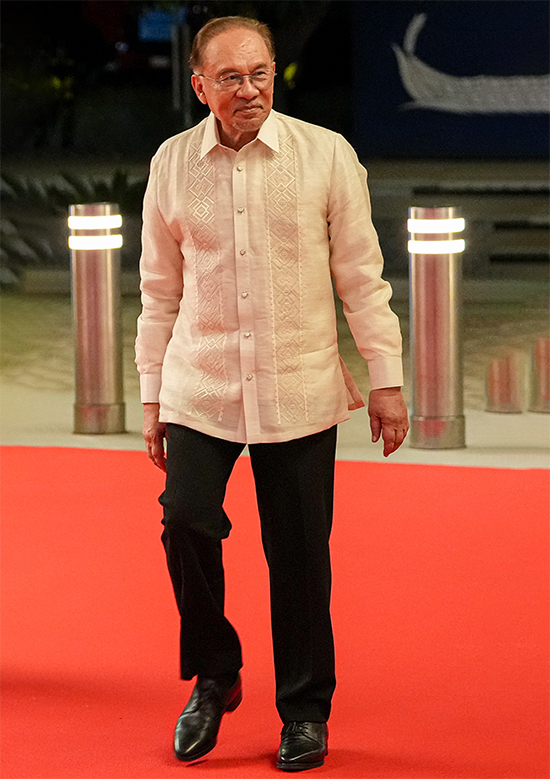
A pure Philippine piña long-sleeved barong was designed by Laurel with embroidery and with black trouser pants.
Patty Ang
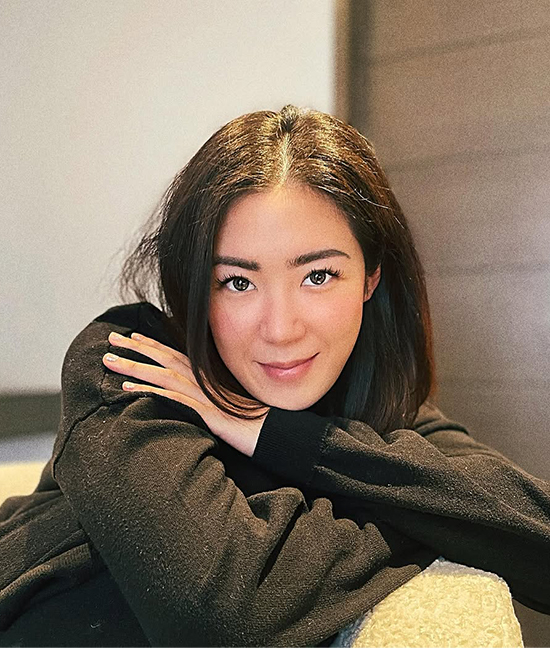
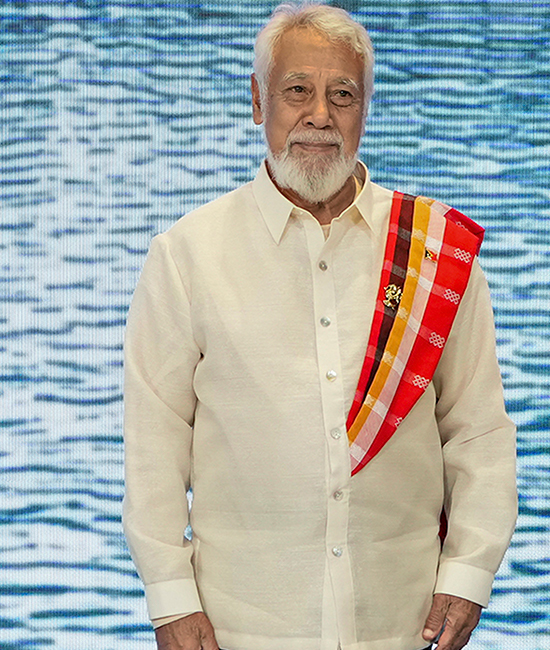
Ang made a classic barong, crafted from striped piña fabric, with a sash featuring Silambituwon and Silaksakaw designs reflecting the colors of Timor-Leste’s national flag and thoughtfully incorporated design elements inspired by traditional attire. It reflects a cultural exchange between the Philippines and Timor-Leste, celebrating shared appreciation for heritage, craftsmanship, and ASEAN unity.
Kenny Ladaga
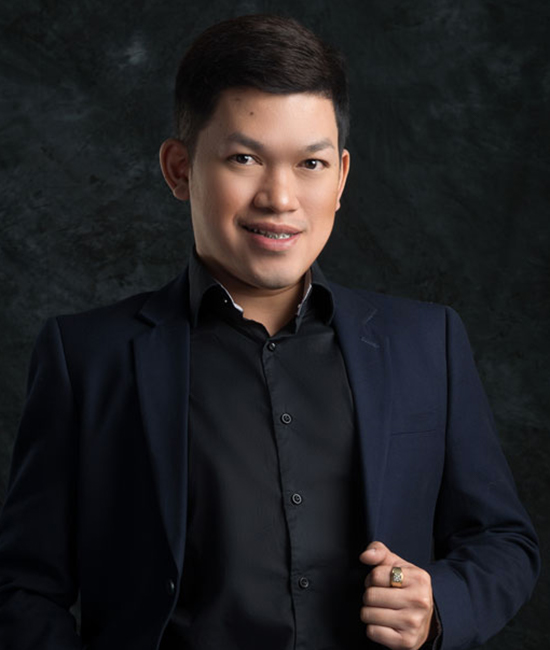
Crafted from the finest piña silk, this barong by Ladaga exudes a quiet sophistication rooted in Filipino tradition. Its sheer, lightweight texture is elevated by intricate batik-inspired embroidery drawn from Indonesian artistry, creating a rich tapestry of patterns that speak of heritage and craftsmanship. The ensemble achieves both structure and depth, allowing each detail to stand out with refined clarity. The result is a seamless fusion of Filipino elegance and Indonesian design—a piece that not only celebrates cultural harmony but also embodies timeless style and enduring artistry.
Kim Basilio
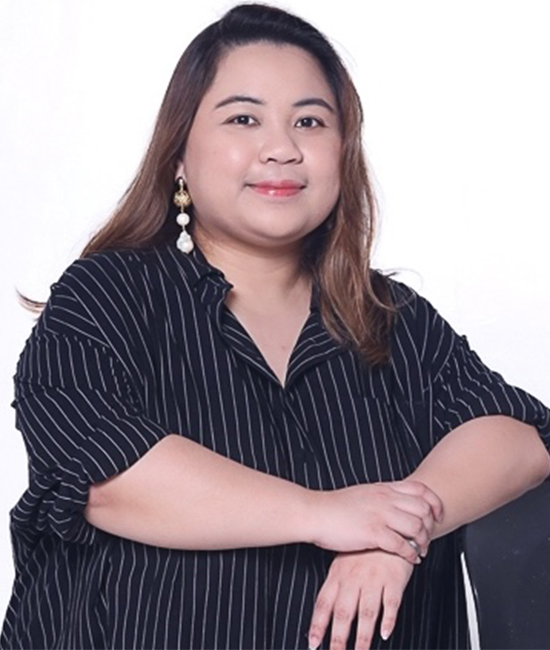
Basilio’s vision was to bridge our two cultures through the art of dress. By reinterpreting the silhouettes of the Xout Lao Lum using the finest Philippine fabrics—Aklan piña silk and Ilocano binakol silk—she created a garment that feels both familiar and new. This barong is more than just attire; it is a tribute to the shared spirit and synergy of the Philippines and Laos.
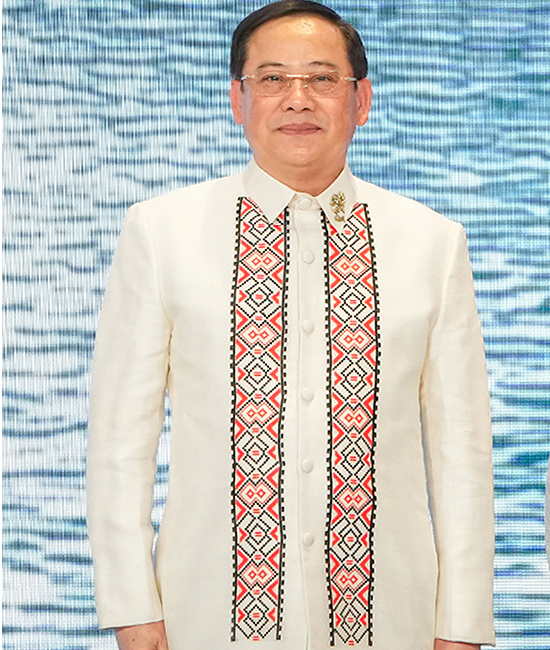
Nino Franco (Wilson Limon)
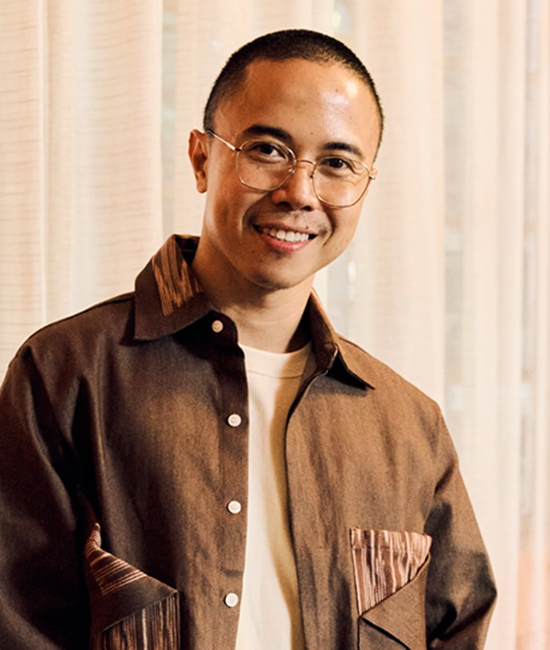
Nino Franco made a barong of piña shifu fabric from Aklan with hand embroidery from Lake Sebu South Cotabato made by our T’boli artisans.

WATCH: Is OPM still as good as it used to be? (Generations Ep. 20)
September 9, 2026
WATCH: How to experience Bangkok and Kanchanaburi in one trip
October 21, 2026
WATCH: Save for retirement or enjoy life now? (Generations Ep. 21)
September 16, 2026