

Filipiniana has a workwear problem
The effort to normalize Filipiniana beyond formal occasions deserves support. If national dress is to remain relevant, it cannot live exclusively in state banquets, diplomatic receptions, school programs, and annual displays of patriotic dressing. It has to survive office lighting, committee hearings, long commutes and ordinary Tuesdays.
Seen that way, government’s recent embrace of Filipiniana at work is attempting something worthwhile.
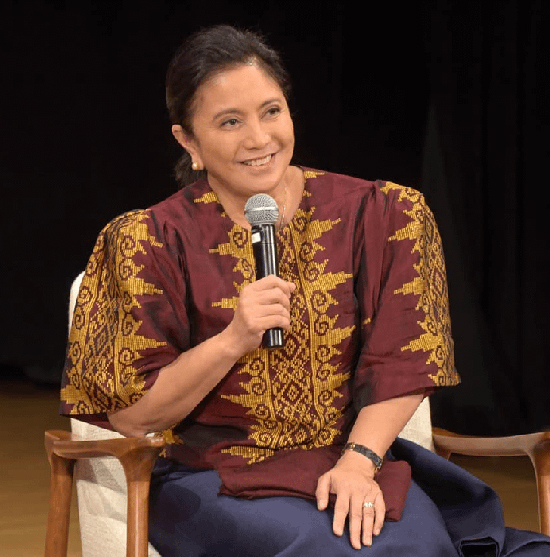
And increasingly, this is not simply personal preference.
Under the revised Civil Service dress code, government officials and employees are encouraged to wear Filipiniana-inspired attire on designated workdays as part of a broader push toward professional dress rooted in local identity and tropical appropriateness. The policy also encourages the use of Philippine tropical fabrics in uniforms—not merely as embellishment or decorative accents.
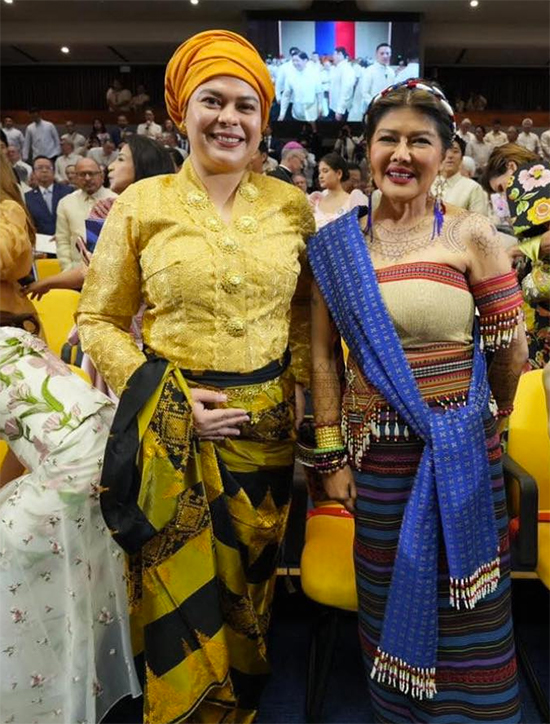
That ambition deserves credit. But it also creates a difficult design challenge. Because moving national dress into routine dressing is much harder than placing heritage inside office clothes.
The intention is worth protecting. More everyday use means more visibility and livelihood for weavers and designers—and fewer traditions confined to museums and anniversaries. The challenge is turning that support into clothes people actually want to wear.
CONTINUE READING BELOW

Office dressing is unforgiving.
You have to sit in those clothes for hours. Move in them. Commute in them. Repeat them. Wash them. Survive humidity in them. Clothes intended for daily use eventually lose the protection of symbolism and face a simpler question: Do people actually want to wear them?
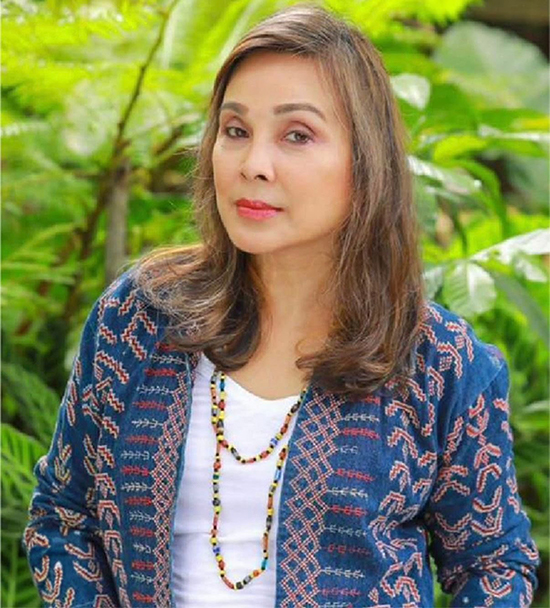
And lately, another question feels impossible to ignore: Can you survive the heat in them?
This may sound unromantic, but comfort is not a superficial concern—it is what determines whether a garment enters real life.
During weeks when temperatures seem determined to defeat even offices running air-conditioning at full blast, everyday dressing becomes brutally honest. Heavy layers, overworked construction, decorative panels, stiff and itchy textiles, and silhouettes designed more for appearance than movement reveal themselves immediately.
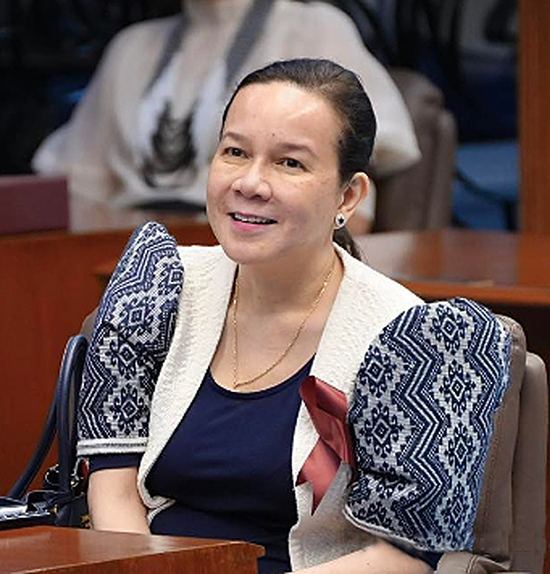
Climate does not care about symbolism.
Neither, for that matter, do long sessions of public service. Clothes that aspire to become everyday attire should be able to withstand not only commutes and meetings but also the particular theater of public office—hours under lights, extended hearings, procedural standoffs, high emotion, and the occasional political subplot dramatic enough to briefly distract everyone from the agenda at hand.
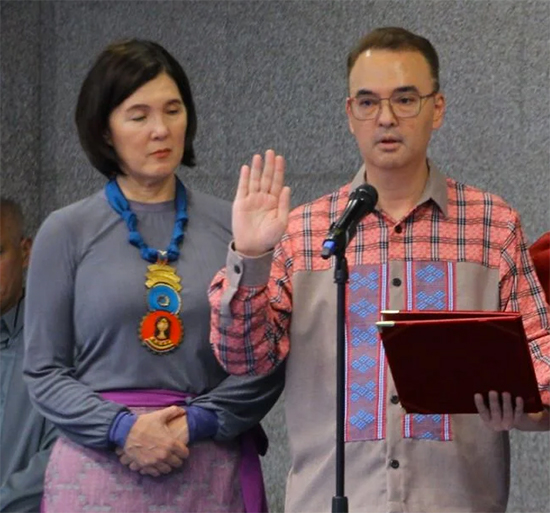
If a garment cannot survive a regular workday—and a little legislative drama—it is difficult to argue that it has truly entered ordinary life.
If Filipiniana is serious about becoming routine dress rather than occasional attire, then thermal comfort, breathability and ease cannot be treated as compromises. They have to become part of the design brief.
And this is where office Filipiniana begins to lose its footing.
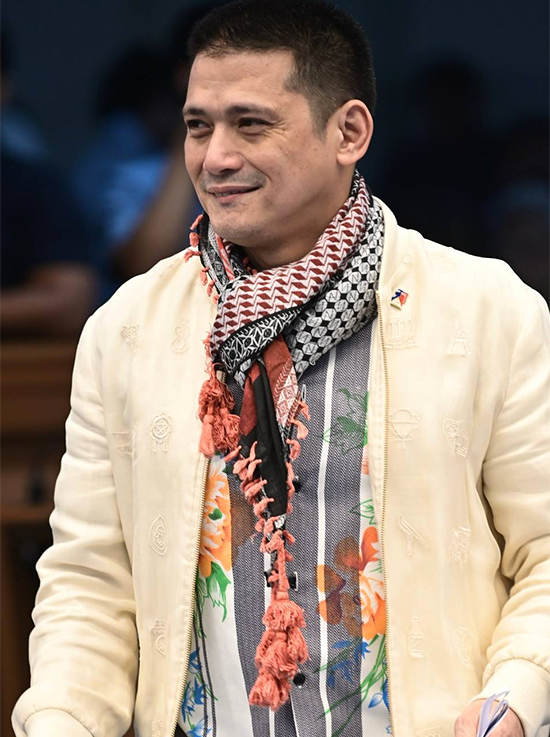
Many contemporary interpretations still seem to confuse using Filipino textiles with designing for ordinary life.
The formula has become familiar enough to parody: Begin with a standard office blouse, blazer, coordinates set, or shift dress. Insert a visible strip of local weave somewhere strategic. Add language about heritage. Present as modern Filipino dressing.
Suddenly every collar, cuff, side panel and lapel is carrying the burden of national identity. The result is often less contemporary dressing and more office attire with explanatory notes.
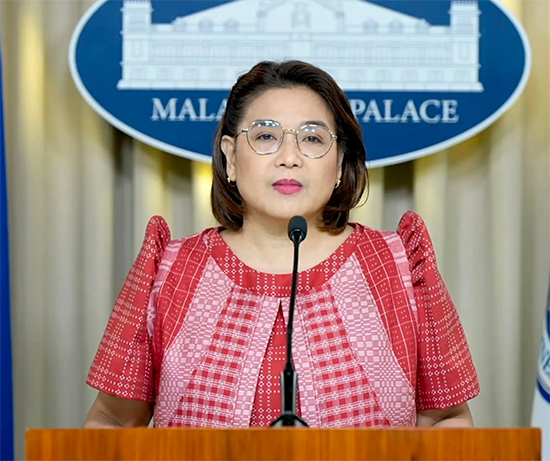
Not every attempt falls into this trap. Some designers understand proportion, restraint, climate and the distinction between reference and costume. But enough examples do that a pattern emerges.
A narrow band of handwoven textile attached to an otherwise generic office garment does not automatically transform it into Filipiniana any more than putting capiz accents in a condominium turns it into vernacular architecture.

Ironically, even policy seems aware of this problem. The guidelines’ language discouraging tropical fabrics from becoming mere decorative additions suggests an understanding that Philippine textiles deserve integration, not token placement.
Yet in practice, token placement often wins. Perhaps because symbolism feels safer than design.
Treating Filipiniana seriously also means taking design seriously. Otherwise, “heritage” becomes a shield against the very editing that good clothes require.
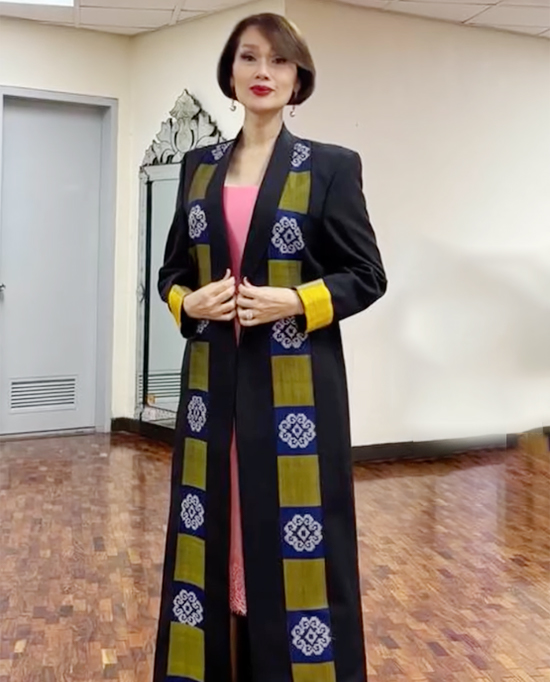
The desire to promote local textiles is admirable. That does not automatically make every interpretation successful.
Once the objective becomes visibly communicating heritage, garments accumulate signs of meaning: woven trims, oversized details, conspicuous references, multiple design cues competing for attention.
And because the intention is difficult to criticize, the result often escapes editing.

Nobody wants to be accused of dismissing local craft. But intentions do not improve design or silhouette.
What emerges can sometimes become unintentionally comic—not because local textiles are unattractive, but because the clothes begin performing heritage rather than inhabiting it.
You see garments overloaded with cultural references yet disconnected from how people actually dress. Office uniforms trying very hard to prove they attended cultural orientation.
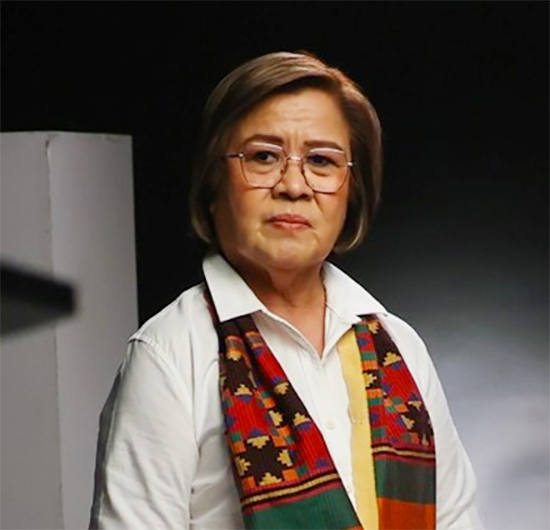
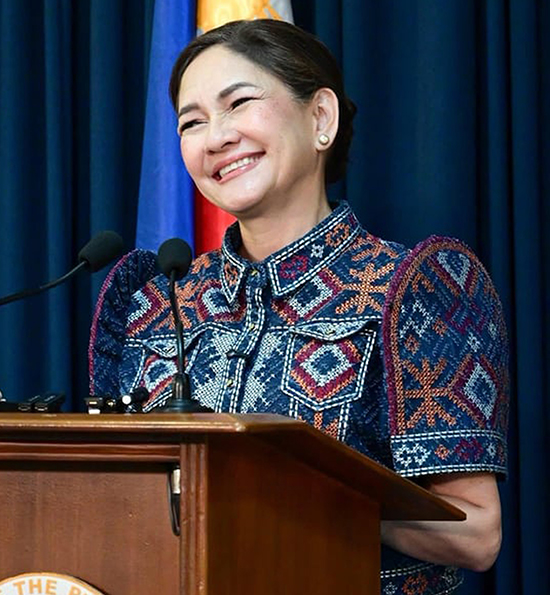
The butterfly sleeve captures the tension perfectly. In formalwear, it remains one of the most elegant and recognizable elements in Filipino dress. But in office life, the challenge becomes how to retain its identity without carrying all the visual weight of ceremony into a regular workday. When translated too literally into office wear, it can overwhelm the ease and practicality everyday dressing requires.
The irony is that Philippine weaving traditions are not the limitation here. Local textiles already contain complexity, texture, identity and extraordinary craftsmanship. They do not need rescuing through novelty placement.
What they need is confidence. Confidence to allow Filipiniana to be quiet. Confidence to let tailoring do some of the work. Confidence to stop treating authority as something that must always look visually heavy.
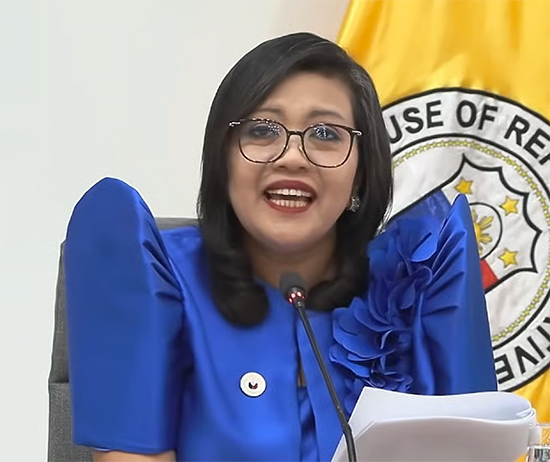
Too much office Filipiniana still behaves like occasion wear pretending to be ordinary clothing—formal in ways that suggest importance rather than ease.
Another thing office Filipiniana risks losing is personal style.
The promise of bringing Filipiniana into routine use was never that everyone would suddenly dress alike under a heritage memo. Everyday clothes only become everyday once people adapt them to themselves.
Yet many interpretations seem driven by recognizability rather than individuality—as if being visibly Filipino has become more important than being well dressed.
Personal style matters—but so does physical comfort. Nobody develops affection for clothes they spend the entire day trying to escape.
And perhaps that explains why some examples succeed while others become unintentionally awkward.
A dress code can require Filipiniana. It cannot require style.
And style—the ability to edit, interpret, and make clothes feel like an extension of self rather than compliance—may be the difference between everyday dressing and costume.
The people who make office Filipiniana work are usually not the ones wearing the most textile, the most references, or the most visible markers of heritage. They are the ones confident enough to edit.
Ironically, the push to democratize Filipiniana may depend on the very thing institutions struggle to standardize: individuality. Because once national dress enters routine use, personal style stops being a distraction from culture and becomes the mechanism that keeps it alive.
If Filipiniana is meant to become part of routine dressing rather than remain symbolic attire, then eventually it has to compete with ordinary clothes.
The real test is whether people would reach for it even if nobody told them to.

WATCH: Do you still believe in marriage? (Generations Ep. 17)
August 19, 2026