

The love match of tennis and fashion
Alex Eala, the tennis star who has been dominating both sports and the cultural conversation for the past four years because of her many historic firsts for the Philippines, has made the nation even prouder and more obsessed this year after her Wimbledon run and recent WTA Tour singles title in Washington, DC.
That obsession includes her fashion, which is of particular import because she is the niece of renowned fashion designer Rhett Eala, who designed her blush beige terno in piña and chiffon for the red carpet of the star-studded 2026 Laureus World Sports Awards in Madrid, where she turned heads, drawing international media attention alongside other global sports icons.
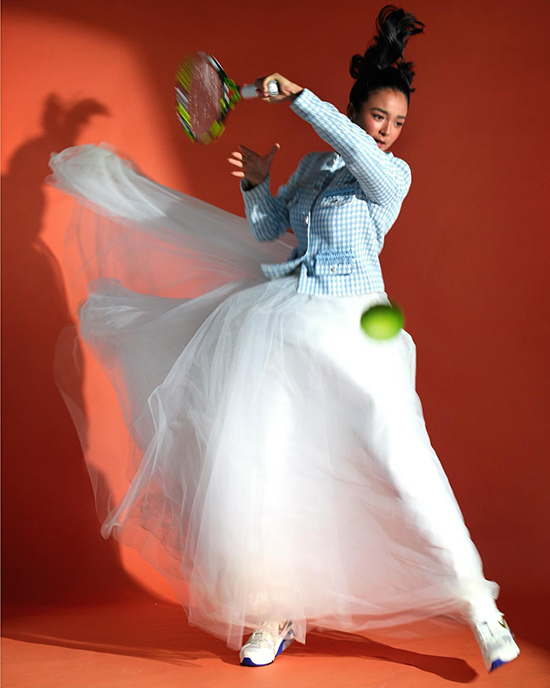
She is no doubt a visible ambassador for both Filipino fashion and culture, which she promotes whenever she can, even speaking in Filipino during interviews. She pays tribute to the sampaguita, our national flower, through 3D floral accents on her Wimbledon attire, on a Nike By You T-shirt, and on her hair tie. Her sun visor is embroidered with the phrase, “Kapag lumago, hindi na hihinto.”
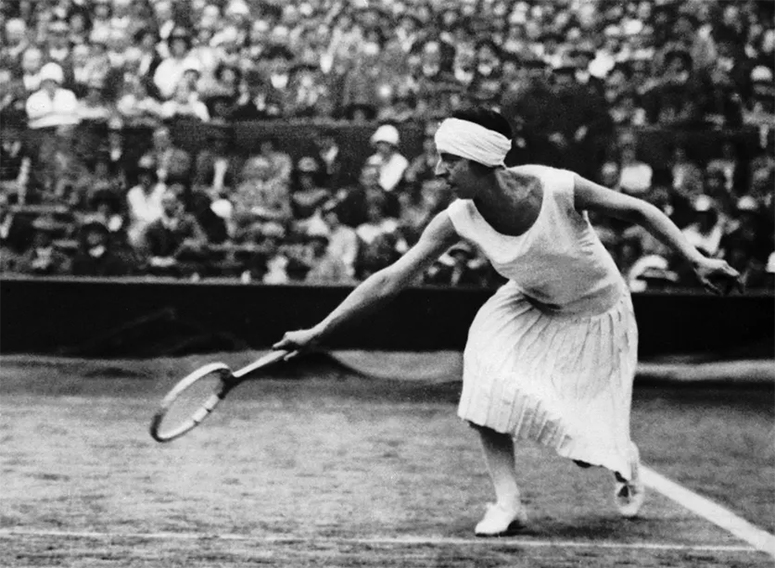
Tennis has always been intertwined with fashion. European champion Suzanne Lenglen and American tennis great Helen Wills commissioned Paris’ best designers for their on-court ensembles. Lenglen created a scandal when she did away with layered long dresses in favor of an airy, calf-length skirt and shorter sleeves at Wimbledon in 1919. Classic tennis-born labels like Lacoste and Fred Perry arose from this close alignment of the two worlds, leading to innovations that included Elsa Schiaparelli’s memorable split skirt for Lilí de Álvarez, who shocked the Wimbledon crowd in 1931.
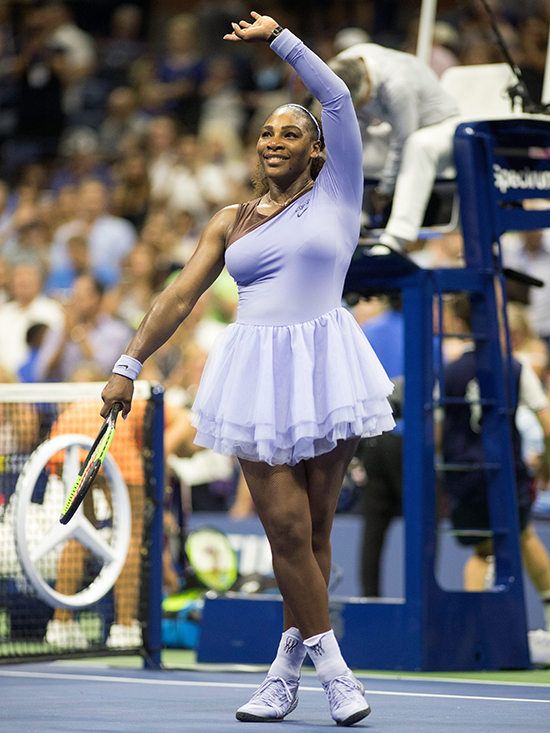

Pristine, all-white outfits were the norm, cited for reflecting heat and masking sweat, but also as a sign of status in Victorian England, since white clothes were difficult to maintain. Most major tournaments have done away with the rule except for Wimbledon, the very first of them, which remains strict, making only one notable exception in 2023 by allowing women to wear dark-colored shorts during that time of the month. But bright shorts like the red ones Serena Williams wore in 2010 as a tribute to strawberries and cream, the traditional courtside treat, are still banned, as are off-white fabrics and color-accented sneakers like Roger Federer’s orange-soled Nikes, which were disallowed in 2013. Andre Agassi actually boycotted Wimbledon from 1988 to 1990 because of the rule, but showed up in 1991 wearing shades of orange.
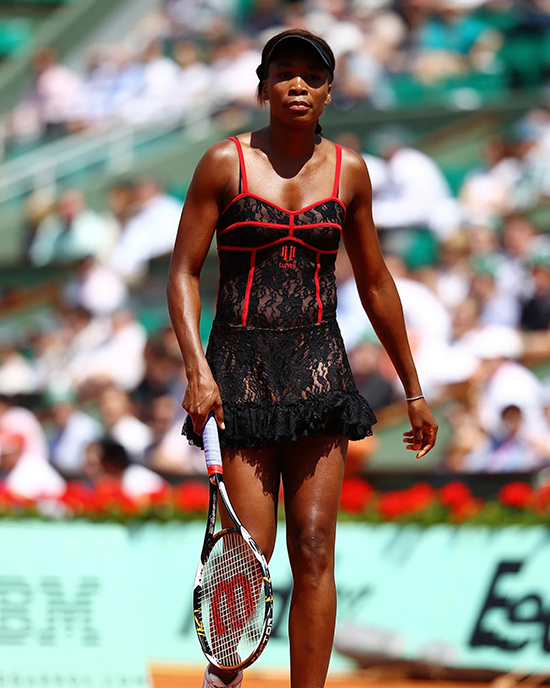
There have always been challenges to tennis dress codes at the US Open, French Open and Australian Open, as rules loosened but remained subject to referee opinion. The most sensational examples came from the Williams sisters: Serena in a denim mini, cape-like silhouettes and tutus, and Venus channeling lingerie with a lacy black-and-red ensemble. At the 2018 French Open, Serena even did away with the compulsory skirt by wearing a black Nike compression catsuit, which she justified by saying it provided circulation benefits following a severe blood-clot scare after the birth of her child. The WTA formally allowed it, prompting Williams to wear versions of the bodysuit at the 2019 and 2021 Australian Opens, helping normalize it on the tennis court.
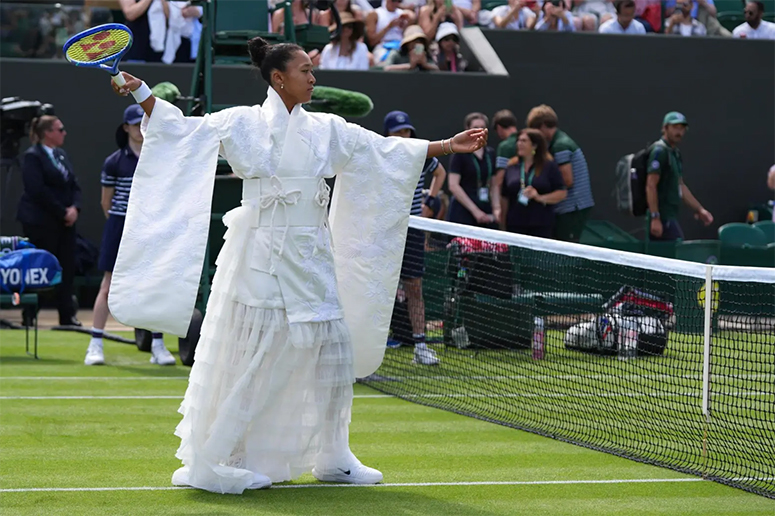
Naomi Osaka sticks to Wimbledon’s all-white rule but adds drama by making a grand entrance in Tokyo-based designer Hana Yagi’s robe made of vintage kimonos and bridal gowns over a white Nike tennis dress. Yagi said it serves as a marker of the sacred ceremony of preparing for competition, shed to reveal the game-ready gear—two chapters within the same story. Osaka says she likes using fashion “as a medium for storytelling.” Her storytelling at the French Open is even more daring in gold sequins and tulle skirts by Kevin Germanier, who describes it as “court-ture.”
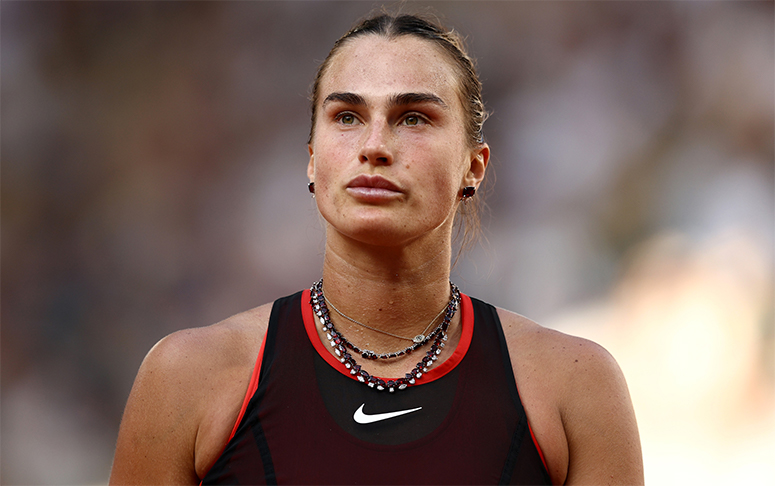
In keeping with her motto, “When you look good, you play good,” Aryna Sabalenka wears a custom three-strand necklace with 23 carats of diamonds and more than 200 carats of garnets inspired by the deep red tones of the Roland-Garros clay courts. Jewelry actually became prominent in the game in 1978 when Chris Evert dropped her diamond eternity bracelet and told the chair umpire that she needed to find her “tennis bracelet,” a term picked up by broadcasters that turned the jewelry piece into a global trend.
Tennis has always been a sport where athletes are appreciated for their outfits while they are playing, with cameras and spectators focused on a player for up to five hours at a time, allowing their individuality to come through. With all the rules and rigors of the sport, fashion is a way for athletes to go all out and express themselves.
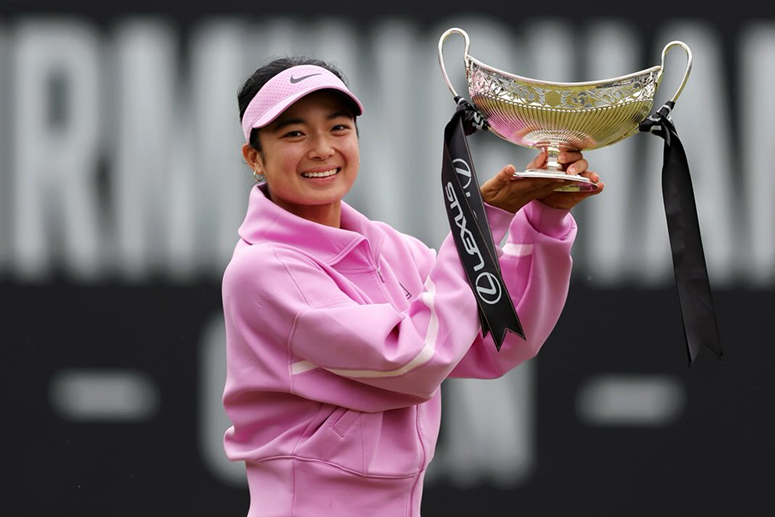
Alex Eala at Lexus Birmingham Open. Photo from lta/Instagram
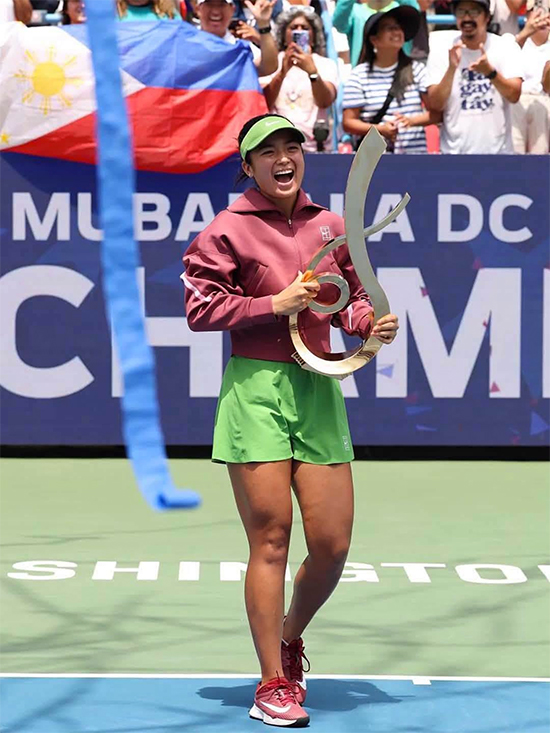
Alex Eala with her trophy at the Mubadala DC Open. Photo from Mubadala DC Open
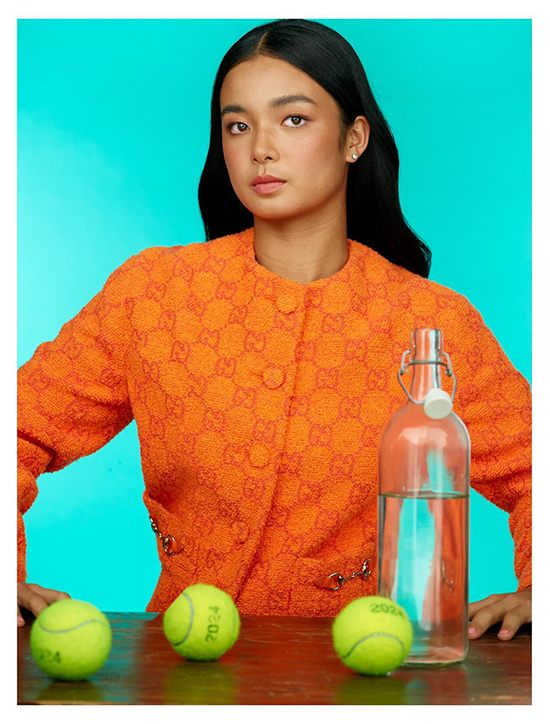
Alex Eala in Gucci. Photo from markednicdao/Instagram
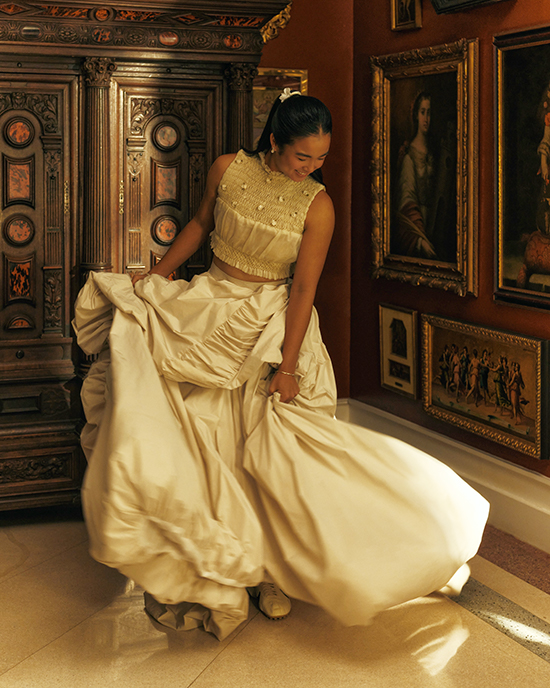
Alex Eala in Vania Romoff. Photo from artunepo/Instagram
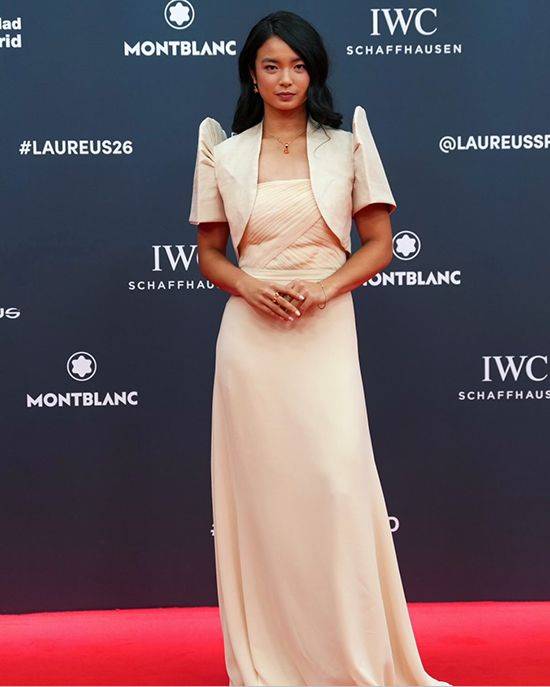
Alex Eala wearing Rhett Eala terno. Photo from alex.eala/Instagram
Alex Eala at Lexus Birmingham Open. Photo from lta/Instagram
Alex Eala with her trophy at the Mubadala DC Open. Photo from Mubadala DC Open
Alex Eala in Gucci. Photo from markednicdao/Instagram
Alex Eala in Vania Romoff. Photo from artunepo/Instagram
Alex Eala wearing Rhett Eala terno. Photo from alex.eala/Instagram
CLOSE
It has also made them stars outside sports as fashion houses and other brands jockey for position to sign them as endorsers. Anna Wintour, a superfan of tennis who was in the Wimbledon stands cheering on Alex, saw their potential early on, featuring players on the cover of Vogue. Alex has had her own cover appearance for Vogue Philippines, as well as for other publications, and is regularly featured worldwide, inspiring a renewed interest in the sport among young Filipinos here and abroad who look up to her for rewriting the history of Philippine tennis and sparking a wave of national pride that the country needs now more than ever.

WATCH: Is OPM still as good as it used to be? (Generations Ep. 20)
September 9, 2026
WATCH: Is Philippine cinema still thriving? (Generations Ep. 19)
September 2, 2026