

Tahi: The quiet strength of an intentional wardrobe
Long before sustainability became the fashion world’s favorite buzzword, I learned about it through Tati Miranda-Fortuna. She witnessed the waste and disposability intertwined in fast fashion, which was part of her corporate apparel business. As a result, she spearheaded the recycling of corporate uniforms for companies and customized bespoke workwear that used deadstock fabric for clients.
Tati also wrote The Boss Manual, a book featuring the country’s top executives who practice circular fashion. She talks about thoughtful clothing the way most people speak about cherished heirlooms: with reverence, with memory, with responsibility. She was the first person who made me understand that choosing what we wear can be an act of selflessness.
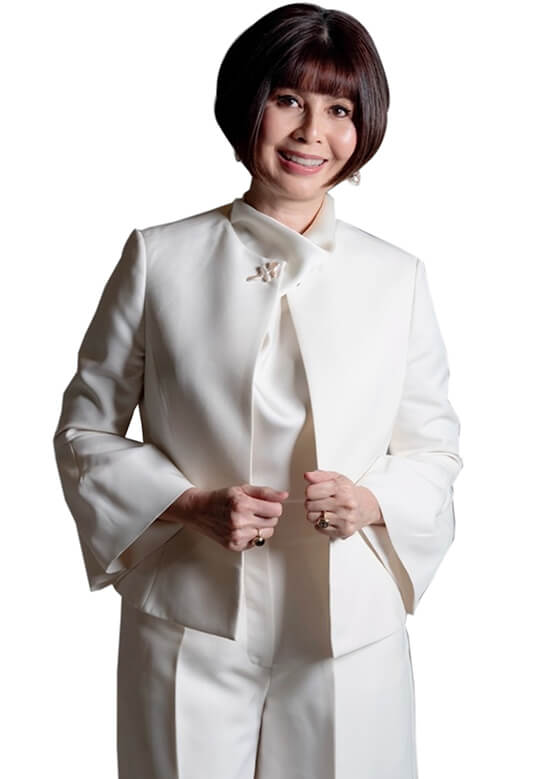
“We’re not just responsible for ourselves; we carry a responsibility to our country, to our culture, to our heritage, and to the Earth. It’s about buying better, buying less, and making it last,” she says with conviction. So watching her put all these beliefs into her brand, Tahi, feels like witnessing a natural evolution.
Tahi was born from Tati’s own awakening. After years inside the corporate apparel industry, where waste is normal and garments become disposable and pollute the planet, she realized she wasn’t interested in contributing to that cycle anymore. She stepped back, reconnected with her roots, and remembered the world she grew up in: the vivid colors, stories and weaving traditions of Kalinga, shaped by her mother who was both a doctor and cultural steward, a woman who cared for people and their heritage.
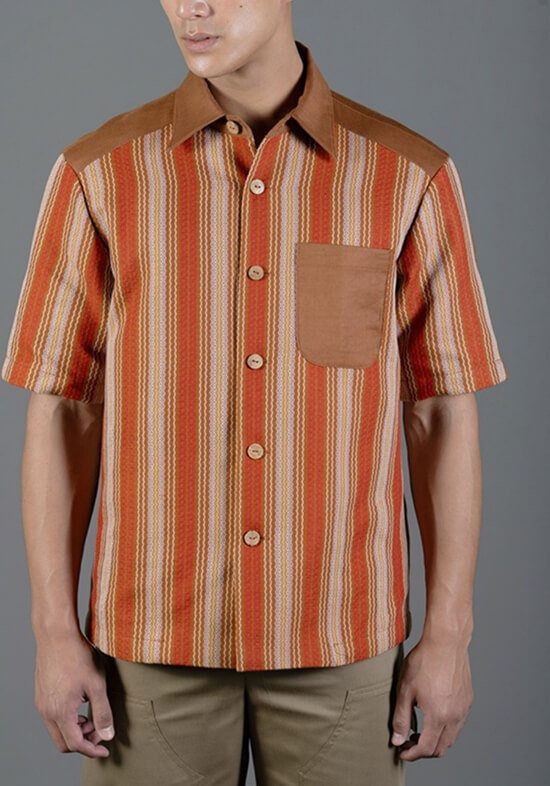
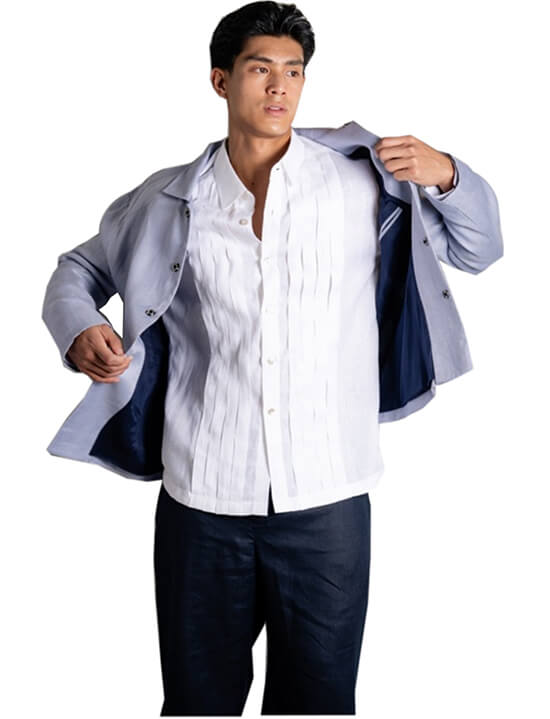
Tahi reimagines heritage for modern life, using locally handwoven materials, deadstock fabrics and natural fibers, which are all integrated so subtly and thoughtfully into her pieces, making them feel and look modern and sophisticated. The silhouettes are clean, classic, and sharply tailored, designed to become the backbone of a capsule wardrobe that is timeless, purposeful, and most of all, grounded in sustainability. This is fashion that travels effortlessly from Manila to any city in the world, carrying a whisper of home, a distinct identity, without ever announcing itself too loudly.
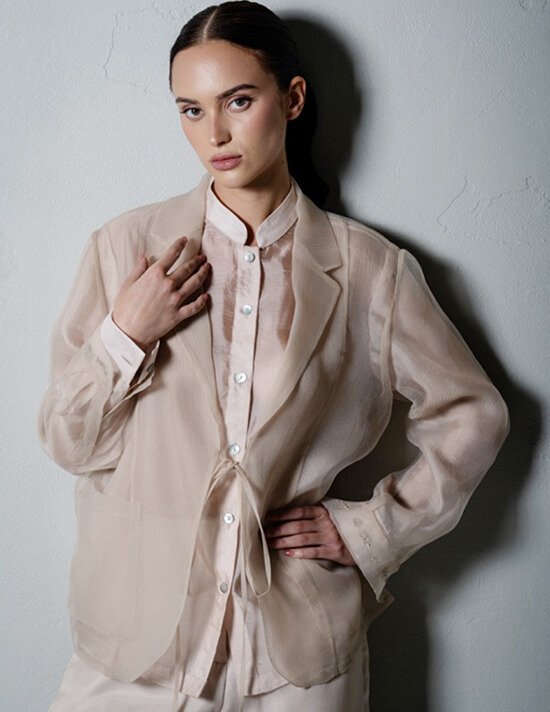
When I asked her whether she intended for Filipinos to feel pride in their heritage while still looking modern and chic, her answer was immediate and unwavering.
CONTINUE READING BELOW

“Yes. At Tahi, we create classic, basic pieces and incorporate our Filipino culture and tradition into our designs. Our pieces are intended to help build a strong foundation for a capsule wardrobe, where items can be mixed, matched, and worn on rotation, while at the same time feeling stylish and chic—avoiding a closet full of clothes yet still feeling like you have nothing to wear. We promote wearing a piece of our culture or tradition in our everyday workwear by incorporating interesting details such as locally handmade bead buttons from Kalinga, traditional hand embroidery, backstrap-woven fabric, meaningful weave patterns.”
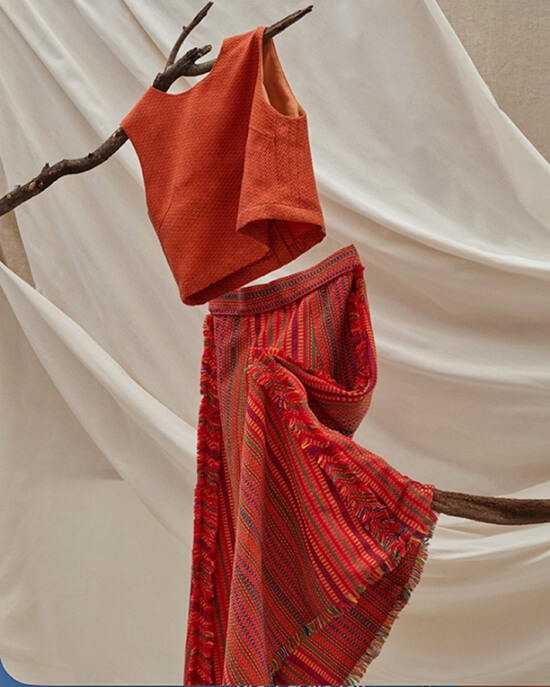
This combination—the restraint of clean design and the richness of heritage—gives Tahi its signature soul. Nothing feels literal, nothing costume-like. It is elegant cultural identity meant to blend seamlessly into daily life: offices, errands, dinners, airports.
When I asked how she wants clients to feel when they wear Tahi, her words reflected everything I already sensed in her pieces.
“I want them to feel comfortable, confident, stylish in an outfit that is well crafted and fits them beautifully,” she said. “I’d like them to feel proud of wearing an elevated piece of our Filipino heritage incorporated into their daily wear whether in the Philippines or when worn out of the country—without feeling like they’re wearing a costume.”
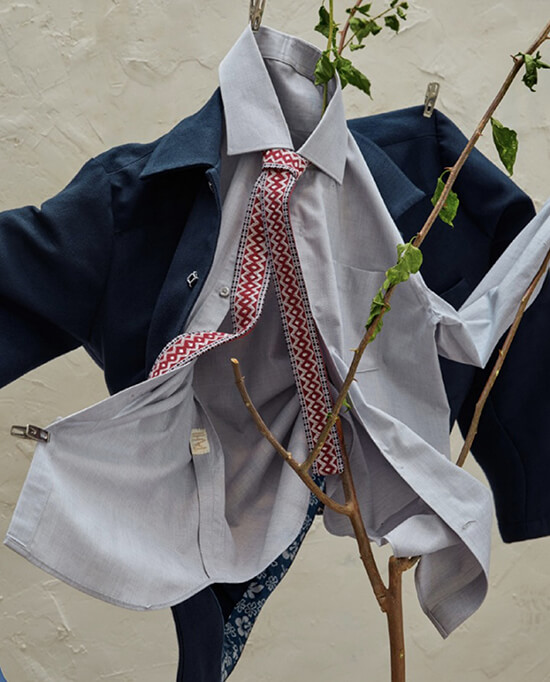
Client visits to the Tahi showroom are by appointment, “to allow them enough time to consult with me and my team on how to build their capsule wardrobe, appropriate styling options which allow them to properly consider the pieces they will choose.”
Referring to her design philosophy on how her pieces feel both deeply traditional in workmanship yet strikingly modern in design, she emphasized that every decision is deliberate. “Our pieces are very intentional in design, ensuring that each item is a strong addition to your capsule wardrobe. Some pieces can be bought off the rack, or we encourage made-to-measure if what’s available doesn’t fit you properly. We take pride in the high quality of the fabric and workmanship of our pieces.” In a world overflowing with clothes that last a season, Tahi insists on longevity.
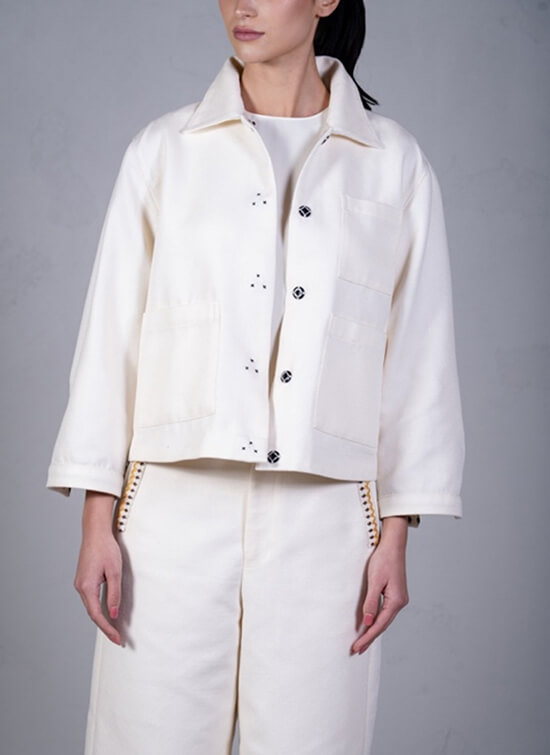
I was curious about who she imagines wearing her creations—the archetype of a Tahi woman or man. “Our target demographic are discerning professionals and stylish individuals who shop with intention. They value clothing that blends timeless elegance with contemporary pieces that fit impeccably, wear well, and endure. They appreciate honoring heritage and culture while embracing a refined, versatile wardrobe. We have a capsule for every professional industry. We also create pieces for different fashion personalities.”
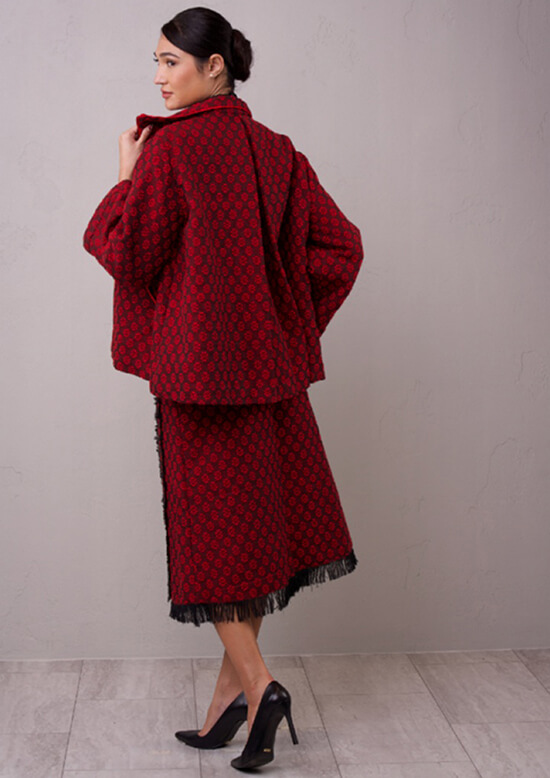
I asked why she believes it’s important to incorporate work from Filipino artisans into modern wear. “Honoring and supporting them ensures that our traditions, heritage and culture are preserved and passed on to the next generation. It allows communities to earn a decent wage. It keeps the weaving tradition alive, and we want to see the communities thrive.”
And then, there is her unwavering stance on sustainability. She laid out her guiding principles clearly.
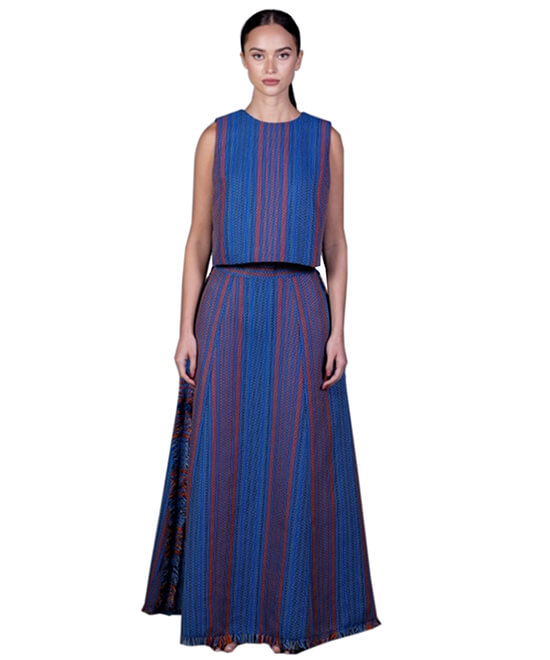
“I set up Tahi with the following in mind:
- Promoting a capsule wardrobe: ‘Buy better, buy less, and make it last.’
- Shopping with intention.
- Quality over quantity.
- Prioritize fabrics from natural fibers, deadstock, offcuts, and local weaves from different communities.
- Honor our weaving and embroidery culture and heritage by incorporating our heritage in our pieces.
- Support our weaving traditions so our heritage and culture are passed on to the next generation.
- Reconnecting with my roots, namely Kalinga and Abra.”
Hearing her say these words out loud reminded me of the first time she ever talked to me about sustainability years ago, back when most people hadn’t yet realized how deeply fashion impacts the world. She understood, even then, that intention is everything. And that sustainability isn’t a trend—it’s a responsibility.
What makes Tahi remarkable isn’t just its craftsmanship or aesthetics. It’s the way Tati honors her lineage while shaping a wardrobe for the future. It’s how she turns tradition into something you can wear on an ordinary Tuesday. It’s the idea that the clothes you reach for the most can also hold the stories of communities who have woven their heritage for generations. In a world that loves the temporary, Tahi teaches us to choose what lasts.
***
Visit Tahi at 5F Joya South Tower, Rockwell Makati, or shop online at bahaytahi.com and on Instagram @bahaytahi.

WATCH: Pixar Summer Fest adventure at Hong Kong Disneyland
August 10, 2026