

Her pain, her power: Why women’s month is also about listening more carefully
March arrives each year draped in purple ribbons, inspiring hashtags and well-deserved tributes to women. In the Philippines, Women’s Month is a time to celebrate the leadership of mothers, the brilliance of professionals, the resilience of workers, and the quiet heroism of caregivers who hold families—and sometimes entire communities—together.
But March is also something else.
Menstrual pain should not be normalized simply because it is common. Conditions like endometriosis deserve awareness, empathy, and early treatment.
It is Endometriosis Awareness Month, a reminder that while women are often praised for their strength, they are sometimes forced to endure pain in silence—pain that is misunderstood, minimized, or misdiagnosed.
This month, as we applaud women’s achievements, we must also learn to listen more carefully to their health concerns. Because empowerment is not only about boardrooms and policies. It is also about acknowledging suffering that has long been dismissed with phrases like “Normal lang ‘yan” or worse, “Arte mo naman.”
Endometriosis is one such condition.
When pain is not ‘normal’
Let’s begin with a truth many women know all too well: Menstrual pain is common. But debilitating menstrual pain—the kind that disrupts work, school, relationships, and daily functioning—is not normal.

CONTINUE READING BELOW

Endometriosis occurs when tissue similar to the lining of the uterus grows outside the uterus—on the ovaries, fallopian tubes, pelvic lining, and sometimes even beyond. Each month, this misplaced tissue responds to hormonal cycles just like the uterine lining does: it thickens, breaks down, and bleeds.
But unlike menstrual blood, which has an exit route, this blood becomes trapped inside the body. The result is inflammation, scarring, adhesions, and persistent pelvic pain. It is as if the body experiences an internal storm every month, with no place for the rain to go.
A common disease few talk about
Globally, endometriosis affects about one in 10 women of reproductive age. That is roughly the same prevalence as diabetes. Yet public awareness remains disproportionately low.
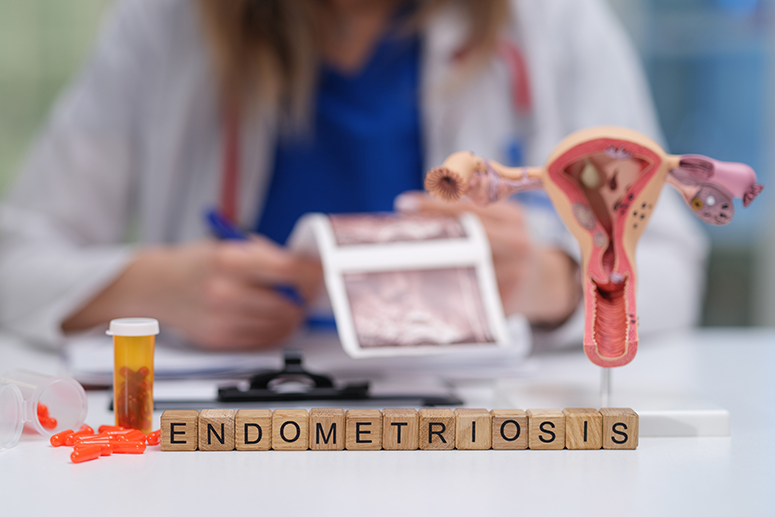
Many women suffer for years before receiving a diagnosis. The average delay worldwide is seven to 10 years.
Why? Because symptoms are often normalized or trivialized:
“Masakit talaga ang period.”
“Mag-asawa ka na, mawawala ‘yan.”
“Tiisin mo na lang.”
Such responses reflect cultural conditioning that equates womanhood with endurance. While resilience is admirable, unnecessary suffering should never be romanticized.
Pain is the body’s way of asking for attention.
What endometriosis really feels like
Women with endometriosis describe:
- Severe menstrual cramps that worsen over time
- Chronic pelvic pain even outside menstruation
- Pain during intercourse
- Painful bowel movements or urination during periods
- Heavy menstrual bleeding
- Fatigue
- Infertility in some cases
This is not mere discomfort. It is a condition that affects physical, emotional, and reproductive health.
Imagine preparing for a major work presentation while quietly enduring pain intense enough to bend your posture. Or attending school while managing waves of nausea and fatigue.
Now imagine doing this month after month—while smiling and functioning “normally.”
That quiet perseverance is not drama. It is dignity under duress.
Women’s strength should not mean suffering
Women’s Month celebrates strength. But true empowerment means ensuring women do not have to suffer needlessly to prove resilience.
Medical science now recognizes endometriosis as a legitimate chronic inflammatory disease. Advances in imaging, hormonal therapy, pain management, and minimally invasive surgery have improved care dramatically. Yet access to diagnosis and treatment remains uneven—especially in low-resource settings.
In many communities, reproductive health still carries stigma. Women may hesitate to speak openly about menstrual concerns. Some dismiss symptoms due to cost concerns or fear of being judged. The result is delayed care and preventable suffering.
Listening is a form of respect
One of the most powerful things families and workplaces can do is deceptively simple: listen.
When a woman says her pain is severe, believe her. Encourage medical evaluation. Offer support rather than skepticism.
Healthcare providers, too, must remain vigilant. Not every pelvic pain is endometriosis, but persistent, life-disrupting pain deserves careful assessment—not dismissal.
Modern diagnostic tools, including ultrasound and MRI, may suggest the disease, though a definitive diagnosis sometimes requires laparoscopy. Early intervention can prevent progression and preserve fertility.
Listening early saves years of distress.
Balancing humor and humanity
Filipinos often use humor to cope with discomfort. Jokes about “monthly visitors” or “mood swings” are common at family gatherings.
Laughter is healthy—but it should never trivialize genuine suffering. We can smile with women without laughing at their pain.
True support is not solemnity; it is sensitivity.
Empowerment includes health autonomy
Women’s empowerment also means access to accurate health information, affordable consultations, reproductive health services, supportive work policies, and respectful conversations about menstruation and fertility.

When women understand their bodies and feel safe seeking care, they are better able to take charge of their health and long-term well-being. And healthy women build healthy families, communities, and nations.
A gentle reminder to men
Women’s Month is not a spectator sport for men. It is an invitation to participate meaningfully.
Fathers, husbands, brothers, colleagues—your support matters. A simple offer to accompany a loved one to a consultation or to share household responsibilities during painful days is not merely kind; it is dignifying.
Compassion is not weakness. It is partnership.
Celebrating women fully
This March, let us celebrate women not only for their visible achievements but also for the invisible battles many quietly fight.
Strength is admirable. But strength supported by understanding is transformative.
Endometriosis Awareness Month reminds us that honoring women means listening to their health stories as much as their professional milestones. Because empowerment is not just about opening doors—it is about ensuring the person walking through is healthy enough to do so comfortably.
The takeaway
Women deserve celebration, respect, opportunity, and attentive healthcare.
Pain should not be normalized simply because it is common. Conditions like endometriosis deserve awareness, empathy, and early treatment.
As we greet women with flowers, awards, and tributes this month, let us also offer something less visible but equally powerful: attention, belief, and care.
Sometimes the most meaningful gift is simply saying, “I hear you—and your pain matters.”
Endometriosis: When to see a doctor
Menstrual discomfort is common—but severe or persistent pain is not normal. If symptoms interfere with daily life, it may be time to consult a healthcare professional.
Seek medical evaluation if you experience any of the following:
- Severe menstrual cramps that disrupt daily activities. Pain that forces you to miss work, school, or social events is not typical menstrual discomfort.
- Pelvic pain outside of menstruation. Ongoing pain in the lower abdomen or pelvis—even when you’re not on your period—may signal an underlying condition.
- Pain during intercourse. Persistent discomfort or deep pelvic pain during or after sexual activity should always be evaluated.
- Heavy or prolonged menstrual bleeding. Soaking through pads or tampons every hour, or periods lasting longer than seven days, may indicate abnormal uterine conditions.
- Painful bowel movements or urination during periods. This may occur when endometrial tissue affects areas near the bladder or intestines.
- Difficulty getting pregnant. Endometriosis is sometimes discovered during evaluation for infertility.
- Fatigue that worsens around menstruation. Extreme tiredness linked to your menstrual cycle may reflect chronic inflammation or anemia.
Why early consultation matters
Early evaluation can confirm whether symptoms are due to endometriosis or another condition, prevent disease progression, reduce long-term pain, preserve fertility, and improve overall quality of life.
Diagnosis may involve pelvic examination, imaging (ultrasound or MRI), and sometimes minimally invasive procedures.
A gentle reminder
Pain is your body’s way of asking for attention. Enduring it silently does not make it less serious. If your symptoms feel overwhelming or unusual, trust your instincts and seek medical care.
You deserve to live—and work—comfortably, every day of the month.

WATCH: Do you still believe in marriage? (Generations Ep. 17)
August 19, 2026