

The bob still rules—and it’s evolving
If 2025 flirted with restraint, 2026 arrives unapologetically expressive—textured, intelligent, and deliciously undone. Hair is no longer about rigid rules or intimidating upkeep. It’s about knowing who you are and letting your cut and color do the talking while you sip your coffee and forget the flat iron exists.
Veteran hairstylist Henri Calayag doesn’t hesitate when asked what still matters. “The bob is still very hot,” he says, almost amused by its staying power. “The chicest haircut right now is the bob, any kind. Blunt, jagged, chin-length, Vidal Sassoon–style. Look at Lily Collins in Emily in Paris—that’s chic without trying too hard.”
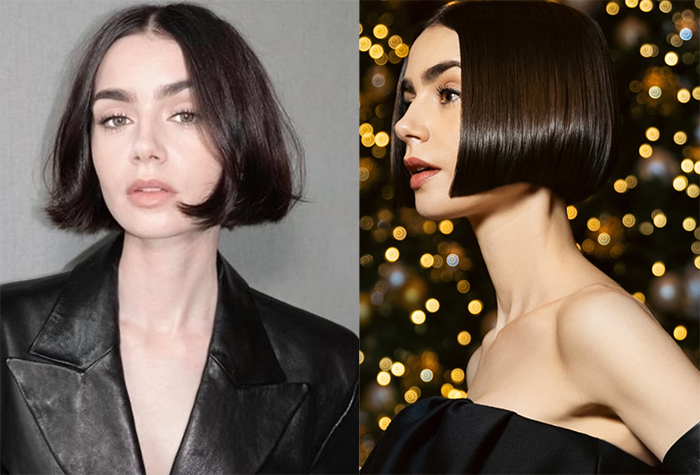
Globally, long, straight hair has fallen out of favor. Those who insist on keeping length are softening the look with waves and movement—body perms, beach waves, hair that feels touched by air. Calayag points to women like Collins’ older costar Philippine Leroy-Beaulieu as references, and notes that Filipinas in particular are finally letting go of ultra-long hair in favor of sharper, more intentional cuts. Long hair, when worn, now comes alive only when it moves. On the recent Golden Globes red carpet, not a few stars sported bobs.
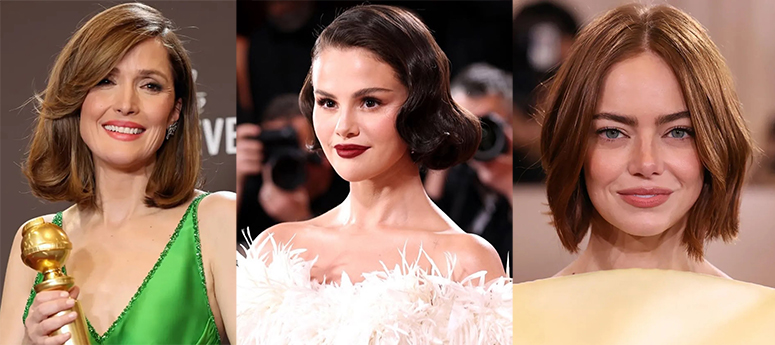
Celebrity stylist Lourd Ryan Ramos sees the same shift but frames it as freedom. “The androgynous bob is everywhere,” he says. “It’s low-maintenance, it’s flexible, and it suits almost everyone. You can blow-dry it, slick it back with gel, or wear it messy with C-curls. It’s effortless— and honestly, it can even work on men.” C-curls are loose, imperfect C-shaped bends in hair.

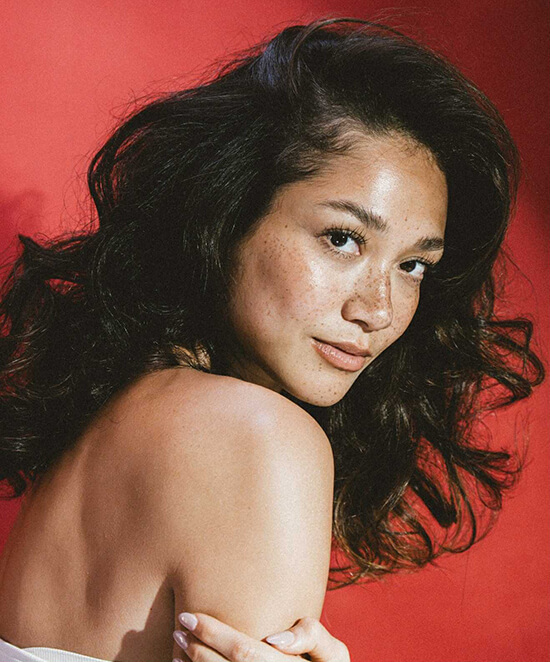
Texture, more than length, is the new status symbol. Ramos describes a return to ’60s and ’70s curls—beatnik, lived-in, a little unbothered. “Out-of-bed hair is the goal,” he says. “Sea salt spray, argan oil, wet pomade. Nothing stiff. Nothing overdone.”
Calayag takes it further with a distinctly sensual revival. “The Bardot style is back,” he says. “We perm it, develop it, then remove the curlers early so the curl loosens. It’s windblown, tousled, slightly disheveled. Glam is back—but it’s archival glam, modernized.”
CONTINUE READING BELOW

And then there’s the pixie, fearless and resurgent. “Teyana Taylor—super hot pixie cut,” Calayag says of the Golden Globe-winning star of One Battle After Another. “It suits so many people. There’s no more notion of dos and don’ts. Trends are just guidelines now. What matters is how you carry it.”
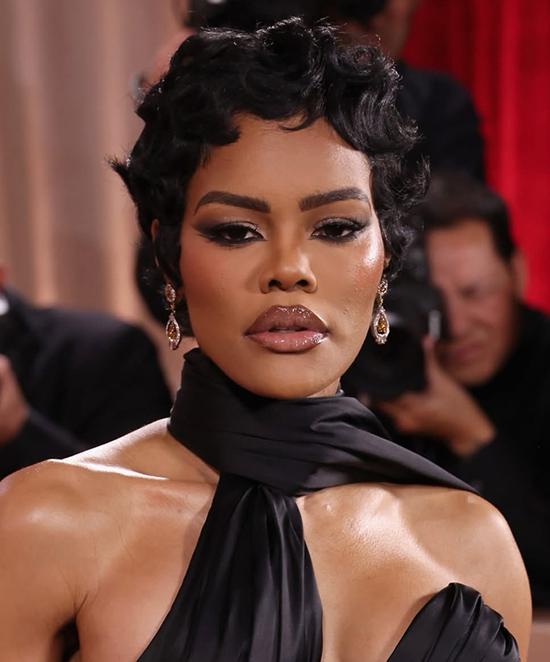
Color, too, has matured. Gone are the icy extremes and performative blondes. “No more super platinum,” Calayag says firmly. “That’s so out.” Instead, 2026 is rich and mouthwatering—chocolate browns with hints of strawberry, peach honey, ambered tones that glow rather than shout.
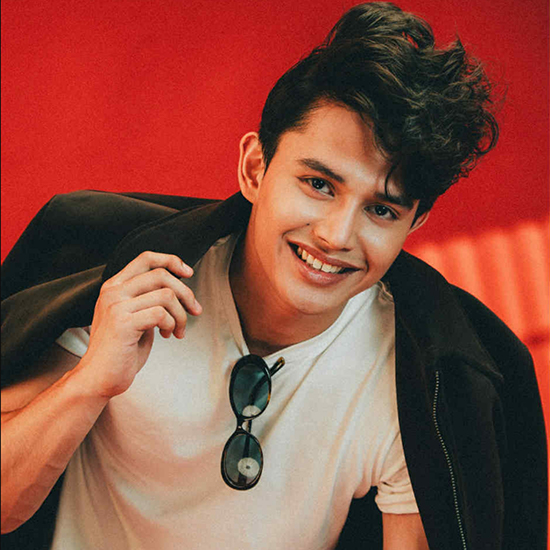
Ramos, working closely with Davines trends, sees a similar palette emerging. Coffee tones dominate, alongside dark chocolate browns and golden blondes that look like they’ve gently faded after a beach trip. Interestingly, Calayag notes a behavioral divide: Women who wear bobs tend to experiment more with color, while those with long hair still gravitate toward darker, safer shades.
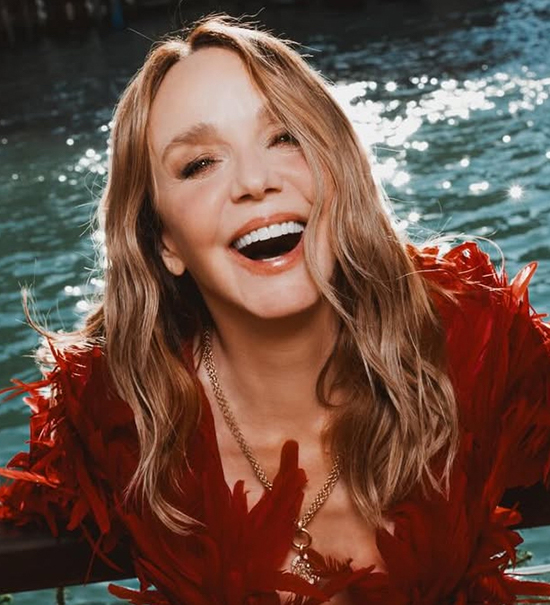
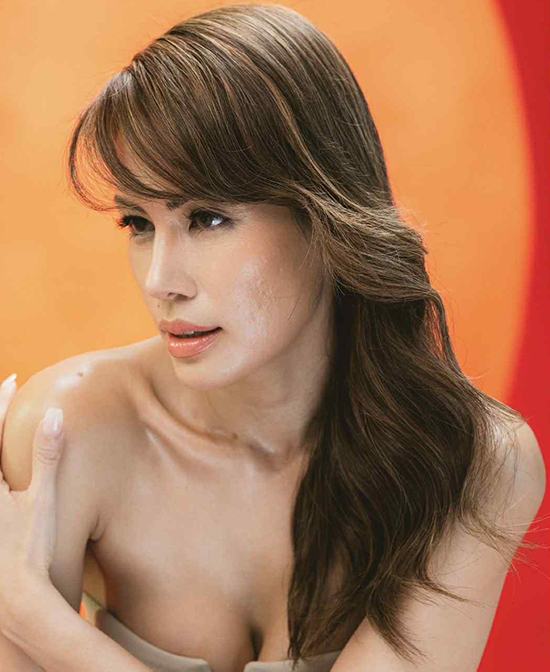
Some once-popular treatments are quietly disappearing. Rebonding is out. Keratin treatment is still in, and so is nanoplastia, a formaldehyde-free hair treatment that’s a gentler version of traditional keratin treatments. Korean hair spas with 15 elaborate steps are very much in—but they’re indulgent, expensive rituals rather than everyday maintenance. The new luxury is hair that moves, breathes, and feels alive.
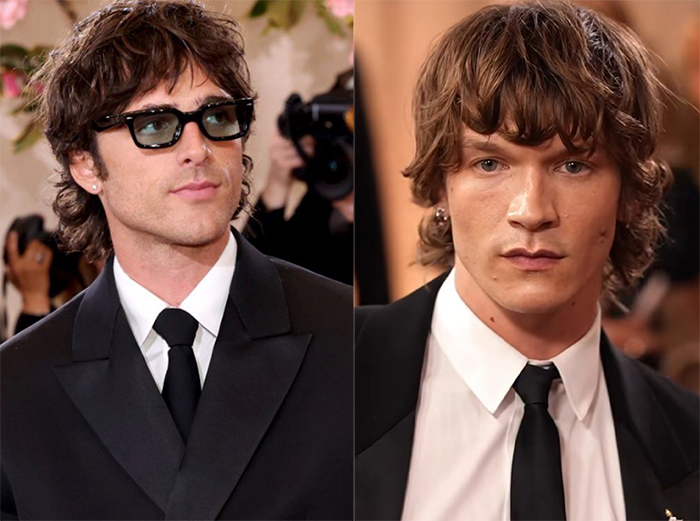
Perhaps the most striking shift is happening in men’s grooming. “All the men in the salon are asking for perms,” Calayag says, noting that Korean wave may have something to do with the trend. “Floor-mop looks, wavy like a poodle on top—Korean perms. They buy hair products more than women.” Ramos adds that fringes and curls dominate men’s cuts, creating texture and softness where rigidity once ruled. Samples of this were seen at the Golden Globes, with Frankenstein’s Jacob Elordi and Heated Rivalry’s Connor Storrie both sporting wavy styles.
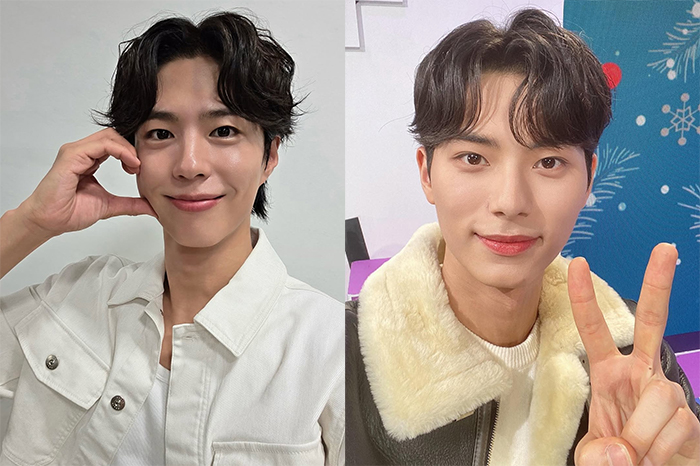
What’s changed is attitude. “It’s easier now to market grooming to men,” Calayag observes. “They’re patient with rituals. They go to the gym, wax their body hair, do their brows, see the derma, and get their nails done. That idea that grooming and skincare are only for women—that’s gone.”
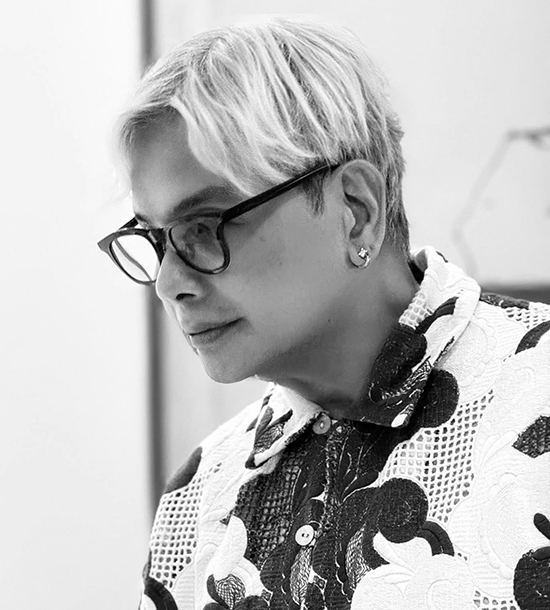
For older clients, Calayag believes the industry needs a gentle reset. “Some women wear their hair too dark. Others are stuck in ash blondes that look like watered-down pineapple juice,” he says. “Go back to brown. Change the pattern. Tonal blonde can be cloying.”
Calayag’s bond with longtime clients runs deep. “I’ve had some for 45 years,” he says softly. “Going to the salon isn’t just aesthetic—it’s sensorial. They sit, they don’t think. They trust you. Hair is the one thing they don’t want to worry about.” That kind of loyalty, he notes, is rarer among younger clients chasing whatever is hot on TikTok or Instagram—but perhaps 2026 signals a quiet return to discernment over dopamine.
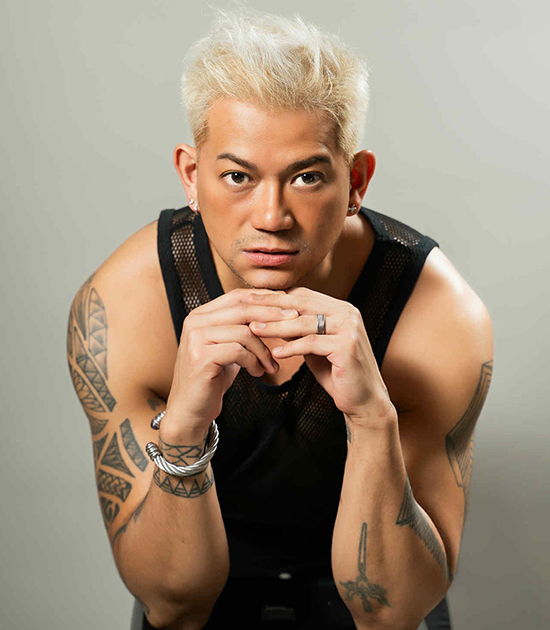
In the end, the hair of 2026 isn’t about chasing trends. It’s about texture over tension, warmth over spectacle, confidence over conformity. Glamour has returned—but this time, it knows exactly who it’s for.

WATCH: Pixar Summer Fest adventure at Hong Kong Disneyland
August 10, 2026
WATCH: Do you still believe in marriage? (Generations Ep. 17)
August 19, 2026