

Is it getting hot down there? Here’s how the experts suggest you care for your intimate area
While we’re out here trying to live our best main-character lives, the heat is low-key plotting against us. It’s not just about the forehead shine or the hair frizz; it’s the discomfort "down there" that really ruins the vibe. Our intimate area is delicate and needs to feel its best. But when temperatures climb, the area can start to feel a little stifled, less fresh, or worse—prone to infections.
Dermatologist Luisa Cruz explained that heat and sweat build-up create conditions that irritate skin and promote bacterial or fungal overgrowth. "This may result in conditions such as intertrigo—a superficial inflammatory skin condition that occurs in skin folds. Yeast infections are also common, often presenting as red, macerated patches with satellite papules or pustules," she told PhilSTAR L!fe.
Dr. Marian Macapagal added that sweat weakens the skin barrier, leading to rashes, ingrown hairs, and folliculitis. Consequently, obstetrician-gynecologist Chyssa Pauig noted that cases of itching and external irritation are common during summer.
"Overall, the goal is to keep the area clean, dry, and balanced—not overly treated," she said.
So, how do you get a hassle-free, bikini-ready summer? Read on.
What to wear


Experts suggest wearing breathable fabrics like cotton and loose-fitting clothes.
"This would help to reduce sweat buildup and friction. Usually, ‘yung mga tight, synthetic fabrics, they tend to trap heat and moisture, so it could worsen the irritation," Macapagal said.
Cruz recommends opting for dresses or relaxed over tight jeans non-breathable shapewear, activewear and swimwear.
Pauig warned that staying in wet clothes for long periods can increase the risk of yeast infections and irritation. After swimming or working out, rinse with clean water and change into dry clothes immediately. She also suggests changing underwear at least once every day, and avoiding prolonged use of pantyliners, which retain heat.
Ingredients to avoid
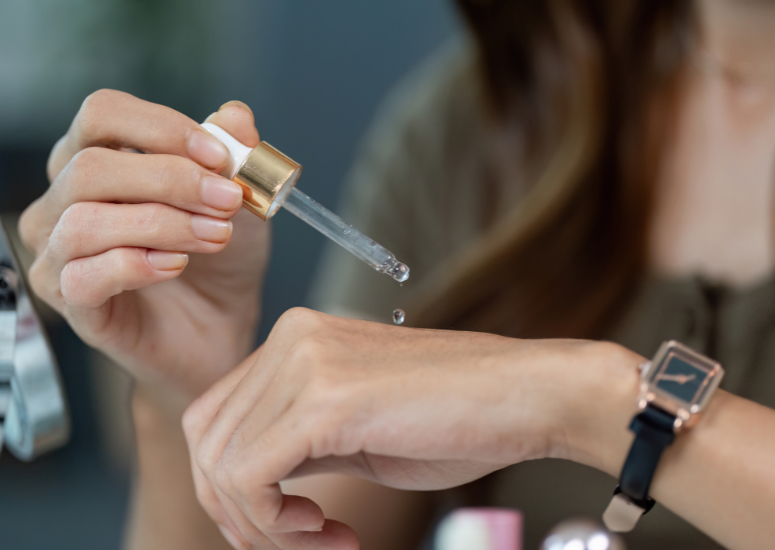
There are a lot of beauty products out there, and before you grab your favorite, Cruz advises avoiding strong fragrances, alcohol, parabens, and harsh antiseptics that disrupt pH.
If you're thinking of scrubbing to lighten the area, don't.
"The area tends to be dark, so ang thinking, you have to exfoliate to get rid of the upper layer na dark nga. What you rather [do] is to use a mild cleanser lang kasi usually kapag yung mga exfoliant, or even, a foaming cleanser, it could lead to dryness [since] the ingredients are usually harsh," Macapagal said, adding it could further irritate the intimate area and make the skin darker.
Pauig added that scrubing causes micro-abrasions and irritation, while douching "disrupts the natural vaginal flora."
'The less products, the better'
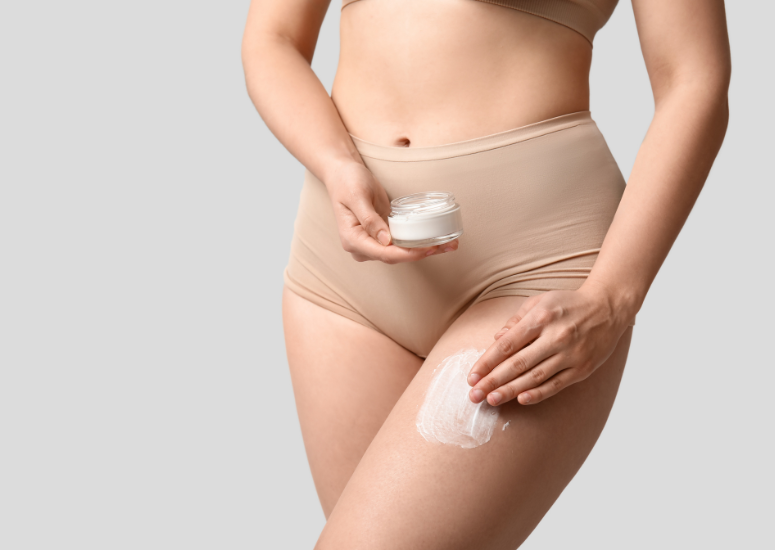
If you’re looking to keep your intimate area clean and fresh, the health experts emphasized that sticking to a simple, no-fuss routine is most effective.
"For most women, basic hygiene is enough," Pauig said. "The vagina is self-cleaning; focus only on the external vulvar area," she added.
Cruz said water is often sufficient, though a gentle, fragrance-free cleanser may also be used. Echoing this, Macapagal added that products with gentle ingredients, such as pH-balanced formulas, ceramides, and zinc oxide, can also help support the skin barrier. For extra freshness, antifungal powders may also be used to help keep the area dry.
If irritation occurs, Cruz suggests using hypoallergenic barrier creams, but "if symptoms persist or worsen, it’s best to consult a board-certified dermatologist for proper evaluation and treatment."
Finally, Pauig recommends a "gentle pat" instead of rubbing after washing or wiping.
"When wiping, do so from front to back—away from the vagina and toward the anus—to help prevent the spread of bacteria," she said.

WATCH: Is Philippine cinema still thriving? (Generations Ep. 19)
September 2, 2026