

Dressing for the journey
In the Cour Carrée of the Louvre, where centuries of stone hold the memory of empires, Nicolas Ghesquière built a mountain. Not quite Alpine, not entirely real. Mossy ridges, sculpted slopes, a landscape imagined inside a courtyard. It was less scenery than metaphor: nature, refracted through the mind of fashion.
This was Louis Vuitton fall/winter 2026, and Ghesquière called it “Super Nature.”
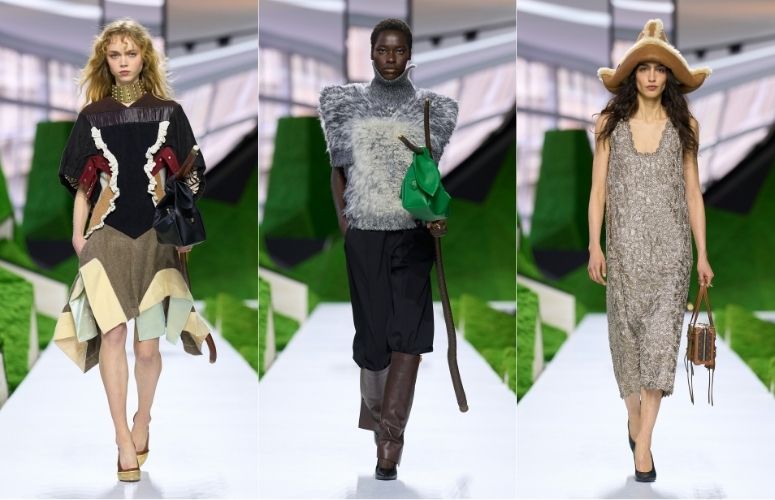
wind, and time.
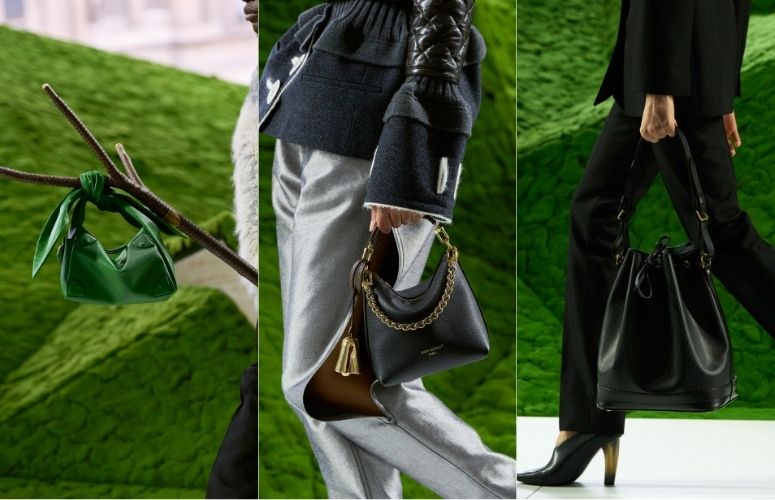
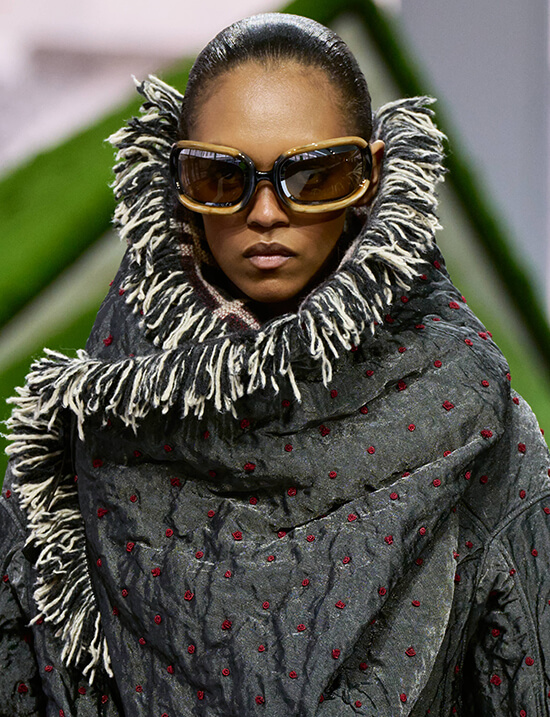
The models walked as if crossing unfamiliar terrain. Some looked like wanderers—wrapped in shaggy coats, shearling hats pulled low, capes swinging with each step. Others carried walking sticks with handbags casually hooked onto the branches, like souvenirs from a long journey. The mood was nomadic, instinctive. Clothes for moving through weather, wind, and time.
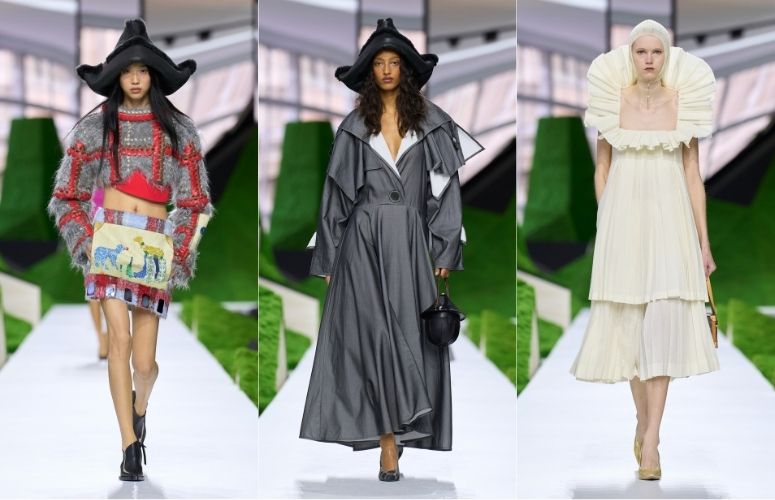
At first glance, the collection felt folkloric. There were echoes of traditional dress, garments shaped by lives spent outdoors—shepherds in the mountains, travelers on open plains. But Ghesquière, ever the futurist, was not interested in nostalgia. Instead, he proposed a new folklore, one imagined for a digital age.
CONTINUE READING BELOW

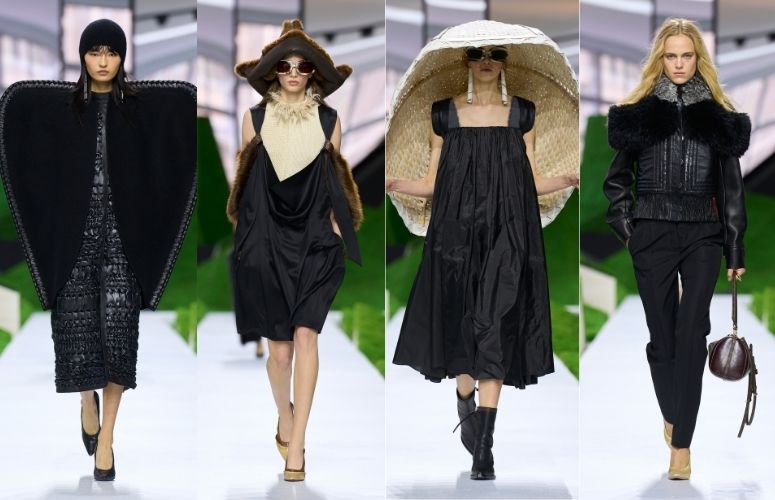
Silhouettes became protective, almost elemental. Outerwear swelled with volume, shoulders rising like small ridgelines. Dresses sometimes took on tent-like shapes, as if meant to shelter the body. You could sense the presence of climate—wind, rain, sun—written into the architecture of the clothes.
Nature left its mark everywhere.
Leather was treated to resemble tree bark, grained and grooved but still supple. Animal patterns appeared in denim and canvas. Flowers emerged not as prints but as sculpted leather appliqués, blooming directly from jackets and skirts. There were even tiny creatures wandering across garments—lambs, chickens—small reminders of the pastoral world that first inspired clothing.
Yet nothing here was literal. This was nature elevated, translated through the language of Vuitton craft.
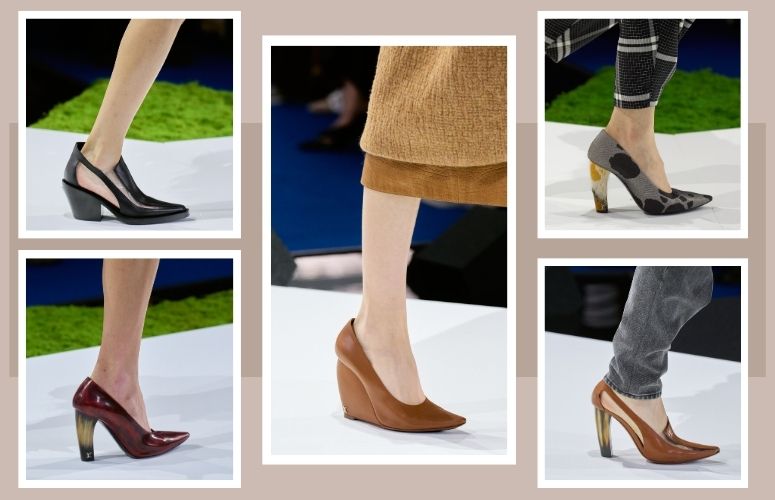
Technology played its part. Buttons looked like polished stones. Heels curved like antlers. Fabrics carried textures that hinted at fur, wood, and mineral. The result was strangely beautiful—organic, but slightly otherworldly, as though the landscape itself had been reengineered by artisans.
Hyper-craft, the Maison called it in the press notes: not imitation, but sublimation.
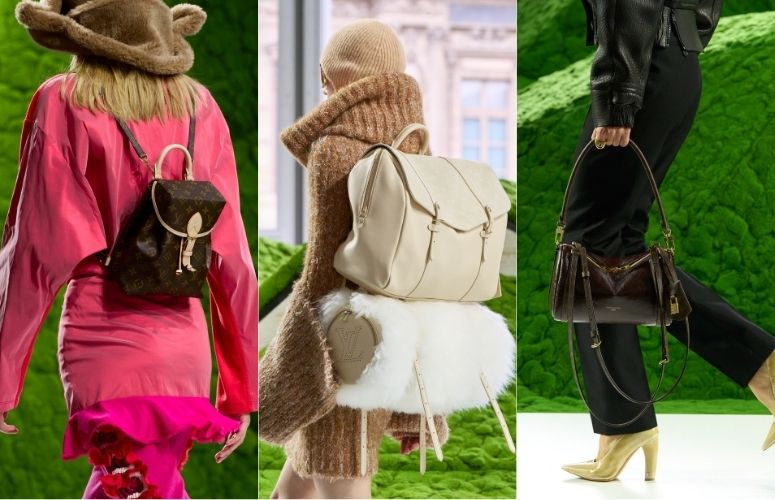
And then, inevitably, there were the bags. Because Louis Vuitton’s story has always been about travel. The iconic Noé returned in its original 1932 proportions and colors, a reminder that this house began with the simple act of carrying life from one place to another. Around it were bags designed for wanderlust—objects that suggested movement, curiosity, exploration.
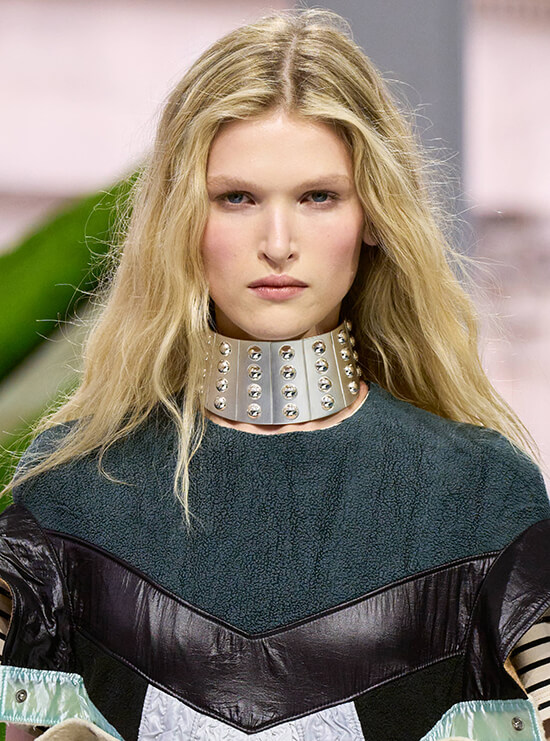
Even the jewelry traveled through time. A modernist parure inspired by Man Ray appeared with Vuitton’s signature nail-head details, echoing the studs of its historic trunks.
The setting completed the allegory. As the models moved through the sculpted landscape, the courtyard became a living pastoral painting— half nature, half science fiction. Past and future met somewhere in between.
Ghesquière has always been fascinated by time—how fashion folds history into tomorrow. Here, he asked a simple but intriguing question: What if clothes evolved not from trends, but from landscapes?
The answer was a wardrobe shaped by instinct. Protective, curious, nomadic.
In the world of Louis Vuitton, even a walk through the mountains can look like a voyage into the future.

WATCH: Discovering Vietnam in three days
June 9, 2026
WATCH: Pixar Summer Fest adventure at Hong Kong Disneyland
August 10, 2026
WATCH: LGBTQIA+ people with unlikely professions
June 28, 2026
WATCH: Is Gen Z too soft? (Generations Ep. 23)
September 30, 2026