

The 70s is always in fashion
Just look at your closet, and chances are you have a ’70s vibe running through it, be it flared jeans, platforms, espadrilles, a wrap dress, or some form of boho. Designers keep mining that era on the runways and the OPM hits of the 1970s Manila Sound, from Hotdog and APO Hiking Society to Rico J. Puno and Cinderella, are always on the airwaves. Recently, we have been asked in interviews about our nights in Coco Banana, the iconic 1970s Malate disco that was one of the best in Asia and defined an era, and were invited to Coco-themed parties many times. It’s also the setting of an original Filipino theater piece, Bongga Ka ‘Day: The Annie Batungbakal Musical featuring the songs of Hotdog, coming in September.
So why is this era so bongga—extravagant, flamboyant, impressive, stylish—and why is it ever present? It must be that rare combination of individuality, glamour, sense of freedom, and spirit of experimentation. The decade expressed many different aesthetics simultaneously, allowing people to express their personalities rather than conform to one single ideal.
A ‘Me Decade’ of Hippies and Bohemians
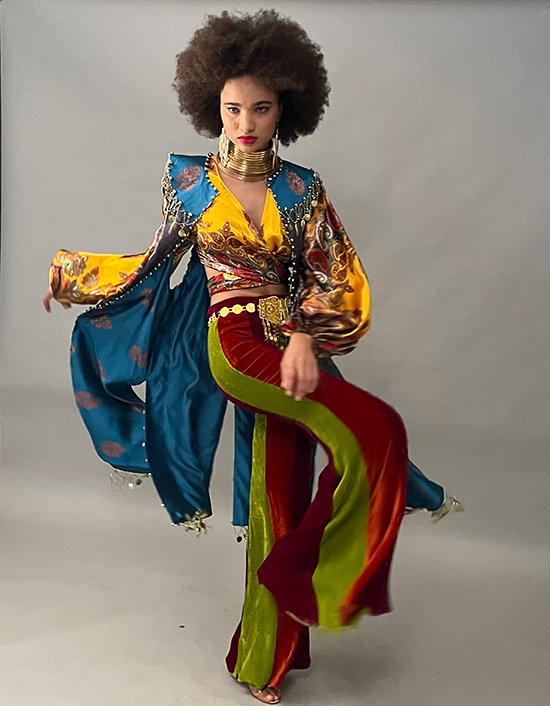
Chito Vijandre at Bench Fashion Week . Photo from @benchtm
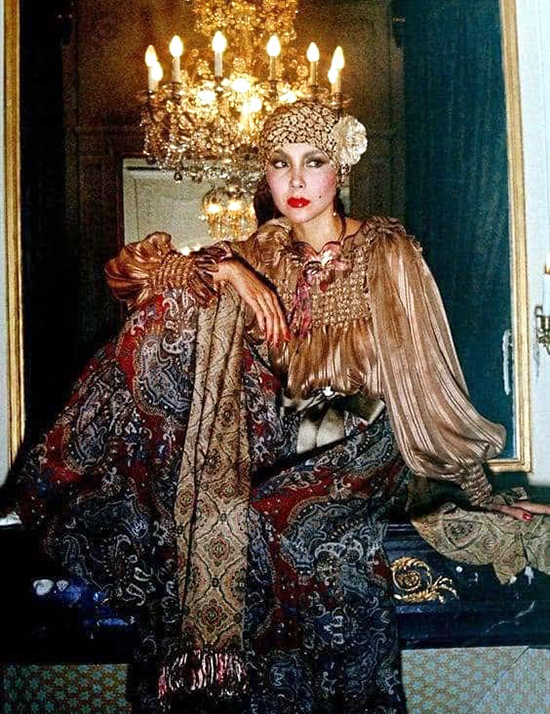
Yves Saint Laurent 1977. Photo from @itsa70sthing
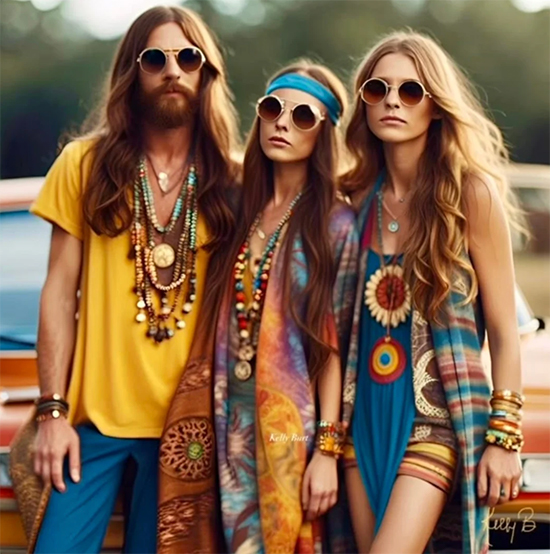
Hippie Happy Holiday. Photo from @rainbowsixties
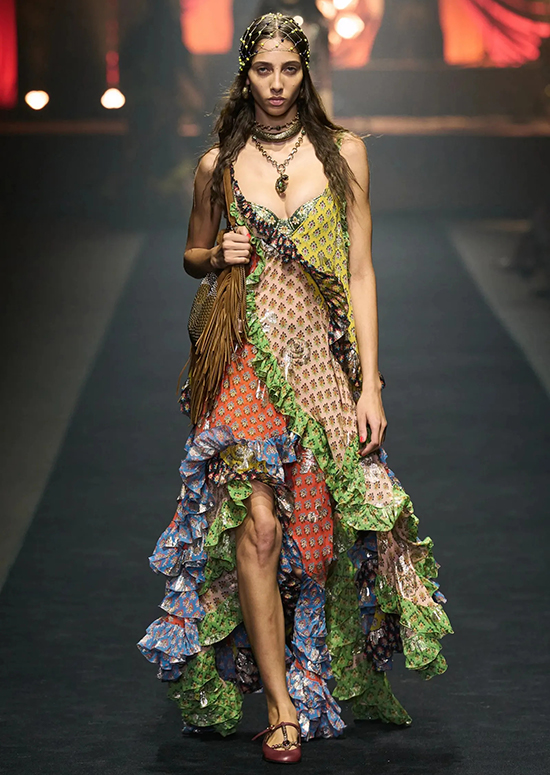
Etro SS2026. Photo from @etro
Chito Vijandre at Bench Fashion Week . Photo from @benchtm
Yves Saint Laurent 1977. Photo from @itsa70sthing
Hippie Happy Holiday. Photo from @rainbowsixties
Etro SS2026. Photo from @etro
CLOSE
Dubbed the “Me Decade,” the 1970s resonates during these times because we’re embracing the same spirit of “to each his own.” This was a period when people rejected rigid fashion rules and pieced together their own unique identities through personal styling, thrifting, and the incorporation of handmade and bohemian pieces. The hippie generation was born, even in the Philippines, where flower power, prairie and granny dresses, peasant blouses, tunics, maxi skirts, DIY beads, crochet, embroidery, patchwork and macrame were de rigueur. A major reason why this decade continues to inspire is its celebration of artisanal craftsmanship in clothing and accessories.
Sensuality, innovation and comfort
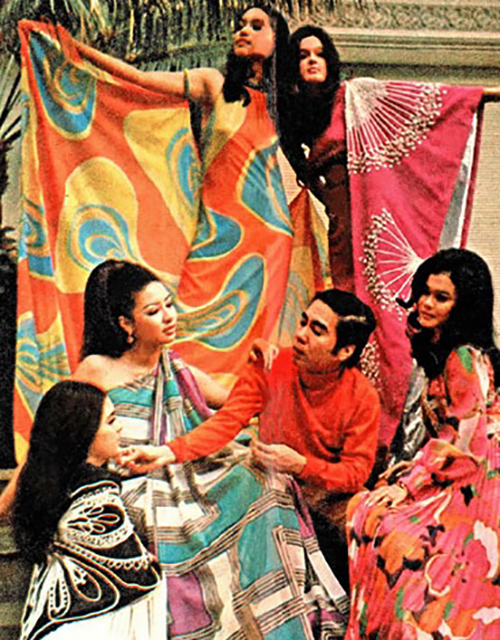
Pitoy Moreno with his models
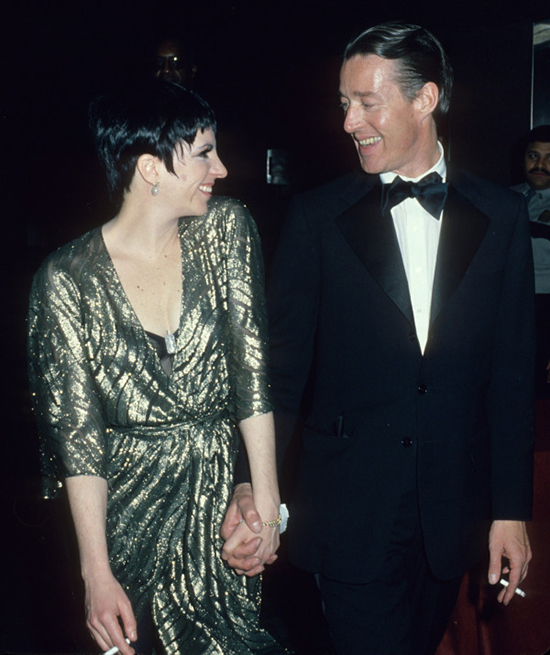
Liza Minnelli and Halston in 1974. Photo from @huffpost
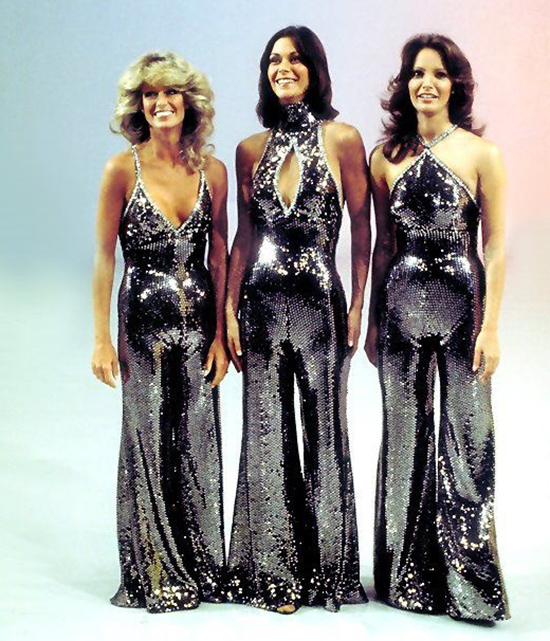
Charlie’s Angels: Farah Fawcett, Kate Jackson and Jaclyn Smith. Photo from @pinterest
Pitoy Moreno with his models
Liza Minnelli and Halston in 1974. Photo from @huffpost
Charlie’s Angels: Farah Fawcett, Kate Jackson and Jaclyn Smith. Photo from @pinterest
CLOSE
Designers like Halston swapped stiff, traditional textiles for stretchy and soft fabrics like jersey, velour, and Ultrasuede, preferred by chic muses that included Liza Minnelli and Elsa Perreti and Filipino socialites Baby Fores and Mary Prieto. Using new technology, these fabrics were easier to produce, paving the way for prêt-à-porter as the more practical solution for active women. Not to mention that they made the sexiest clothes, elegantly clinging and flowing with the body, prioritizing ease as women entered the workforce. The wrap dress of Diane Von Furstenberg made high-end fashion functional and figure-flattering, becoming a staple that women keep to this day.
Radical gender-bending and rebellion
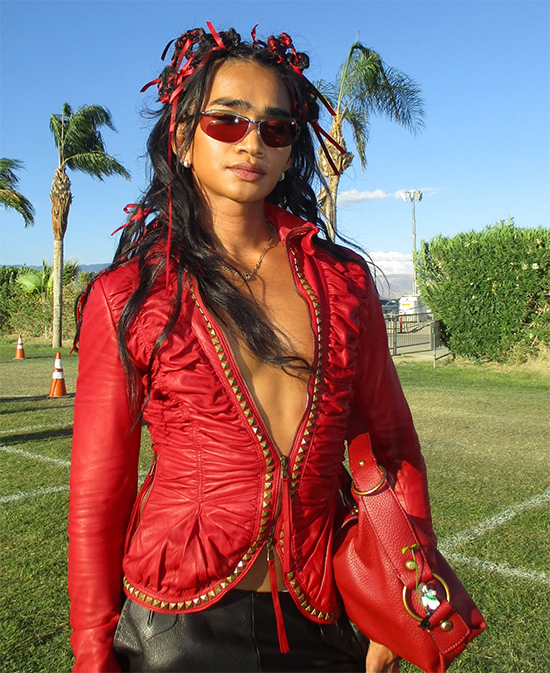
Bretman Rock at Coachella 2026. Photo from @bretmanrock
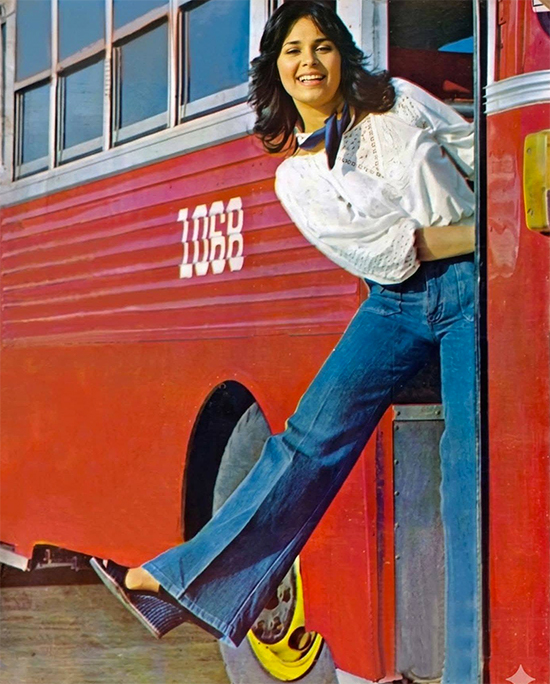
Hilda Koronel boarding a bus in the 1970s. Photo from @pinterest
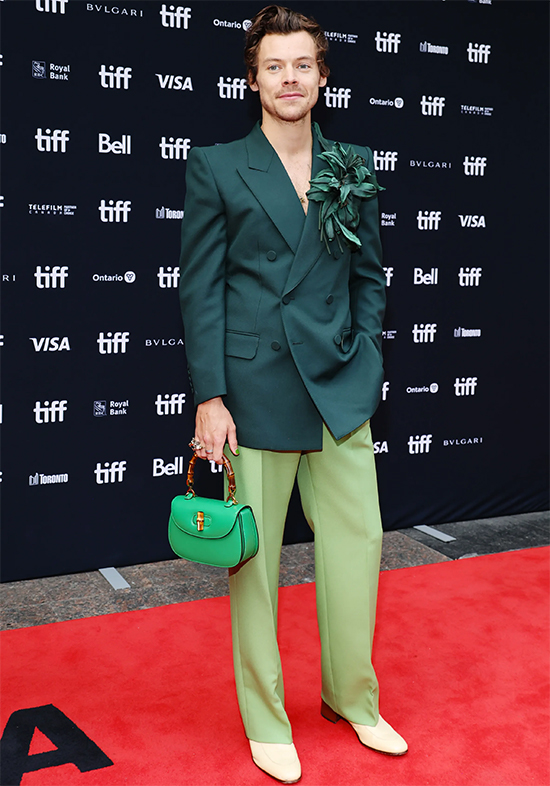
Harry Styles in ’70s Gucci genderless mode. Photo from Golden Globes
Bretman Rock at Coachella 2026. Photo from @bretmanrock
Hilda Koronel boarding a bus in the 1970s. Photo from @pinterest
Harry Styles in ’70s Gucci genderless mode. Photo from Golden Globes
CLOSE
The 1970s heavily blurred the lines between men’s and women’s clothing, pushing boundaries long before the genderless fashion of Harry Styles and Billie Eilish. The “Peacock Revolution” and “Glam Rock” saw men embracing bright colors, platform shoes and flamboyant silhouettes. Conversely, the punk movement introduced anti-establishment, DIY aesthetics with tartan, safety pins and leather. Student activists in Philippine schools had their unisex T-shirts and jeans, the more worn out the better, and as a contrast to the burgis elite, they would do ukay-ukay thrifting at Bambang market for vintage barongs that would be personalized with dyeing and embroidery, an artistic as well as nationalistic statement. The burgis had their Bang! Bang! jeans from Hong Kong and designer jeans from Calvin Klein and Gloria Vanderbilt that transformed workwear into high fashion.
Disco
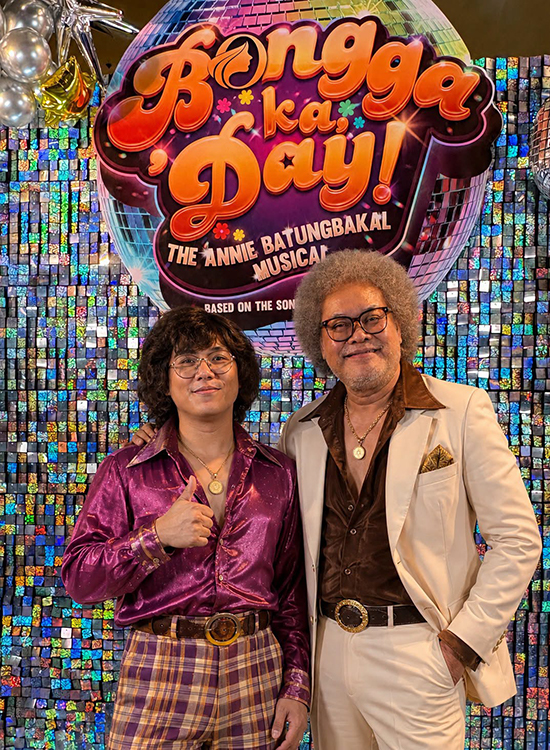
Musical director Vince Lim and director Chris Millado of Bongga Ka ‘Day: The Annie Batungbakal Musical. Photo from @chrismillado
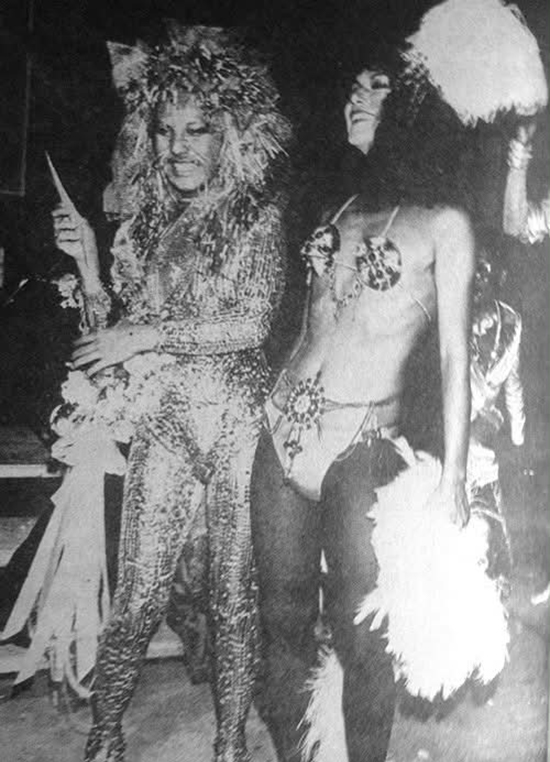
Chito Vijandre as the Lion in The Wiz and Ernest Santiago as Gypsy Rose Lee at Coco Banana. Photo from @pinterest
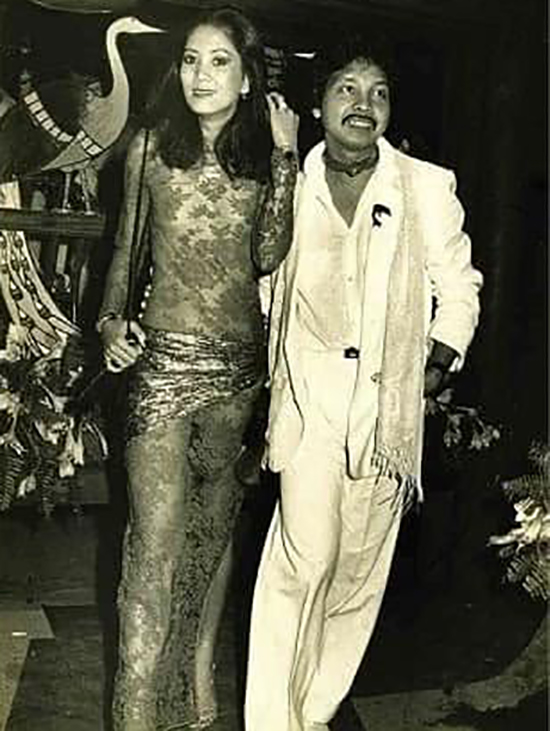
Tetta Agustin and Rusty Lopez at Coco Banana. Photo from @pinterest
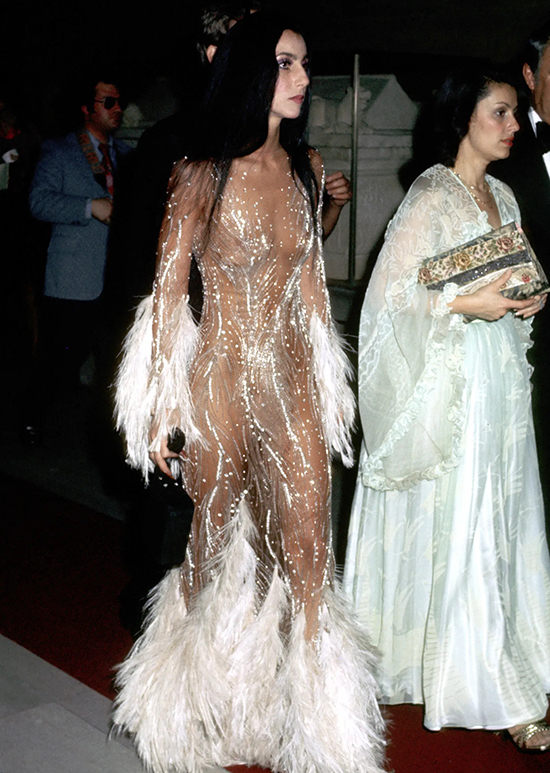
Cher at Studio 54 in 1974. Photo from Ron Galella Collection
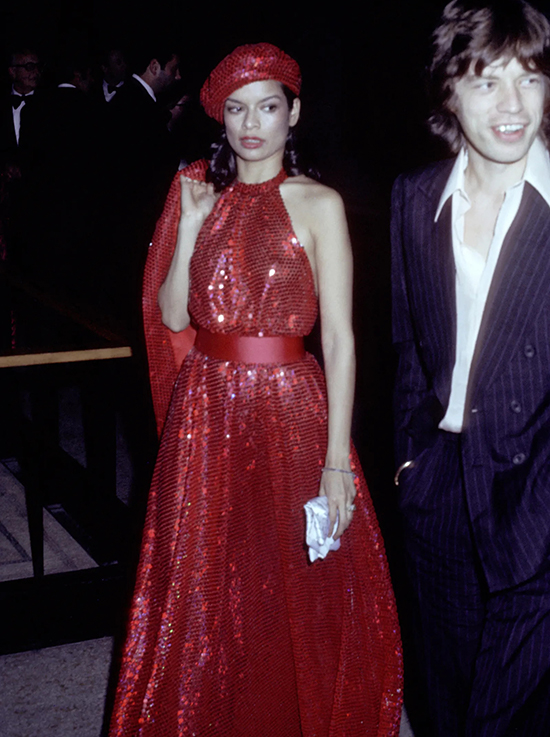
Bianca and Mick Jagger at Studio 54. Photo from Ron Galella/WireImage
Musical director Vince Lim and director Chris Millado of Bongga Ka ‘Day: The Annie Batungbakal Musical. Photo from @chrismillado
Chito Vijandre as the Lion in The Wiz and Ernest Santiago as Gypsy Rose Lee at Coco Banana. Photo from @pinterest
Tetta Agustin and Rusty Lopez at Coco Banana. Photo from @pinterest
Cher at Studio 54 in 1974. Photo from Ron Galella Collection
Bianca and Mick Jagger at Studio 54. Photo from Ron Galella/WireImage
CLOSE
Wasn’t it a fabulous night out when you dressed up just to go to a disco and dance like there’s no tomorrow? The 1977 film Saturday Night Fever was such a hit that men would dress up like John Travolta to go to Where Else? at the Intercontinental Hotel in Makati and Stargazer at Silahis Hotel in Manila. Studio 54 fashion of metallics, sequins, jumpsuits, and glamorous halters was alive and well in Coco Banana, together with local takes designed by the proprietor himself, Ernest Santiago, who made futuristic versions of the terno and kimona. The Hotdog song Annie Batungbakal immortalized Santiago’s disco as it told her story: “Sa umaga, dispatsadora, sa gabi siya’y bonggang-bongga. Pagsapit ng dilim, nasa Coco Banana. Annie Batungbakal, sa disco isnabera, sa disco s’ya ang reyna.”
Tailoring
CONTINUE READING BELOW

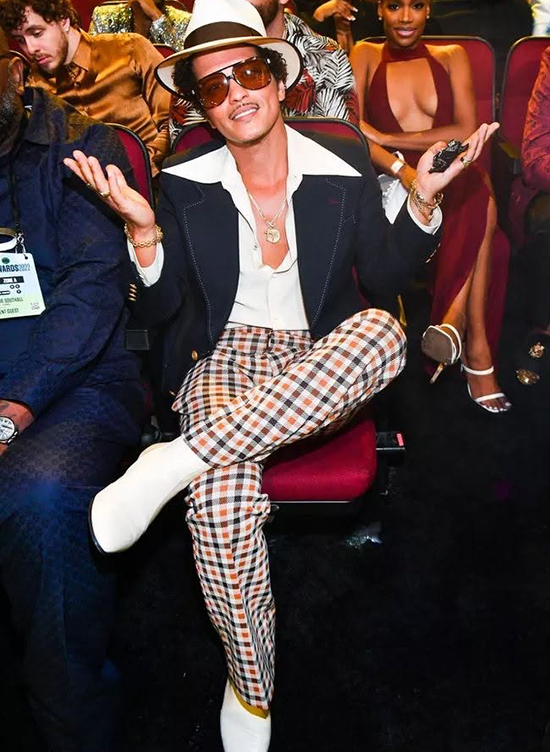
Bruno Mars in ’70s retro. Photo from @pinterest
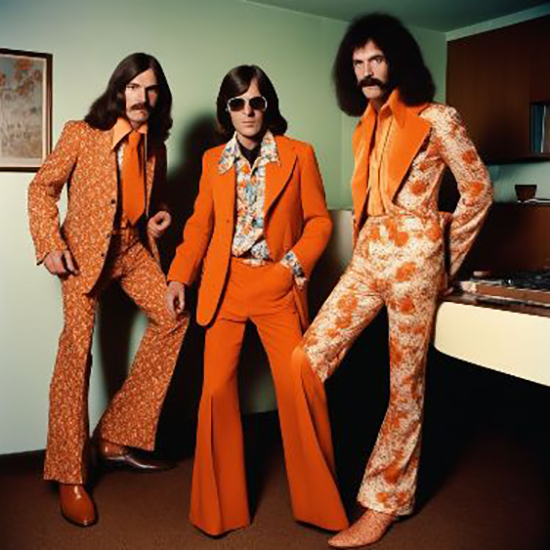
Tailored and flared in tangerine. Photo from @pinterest
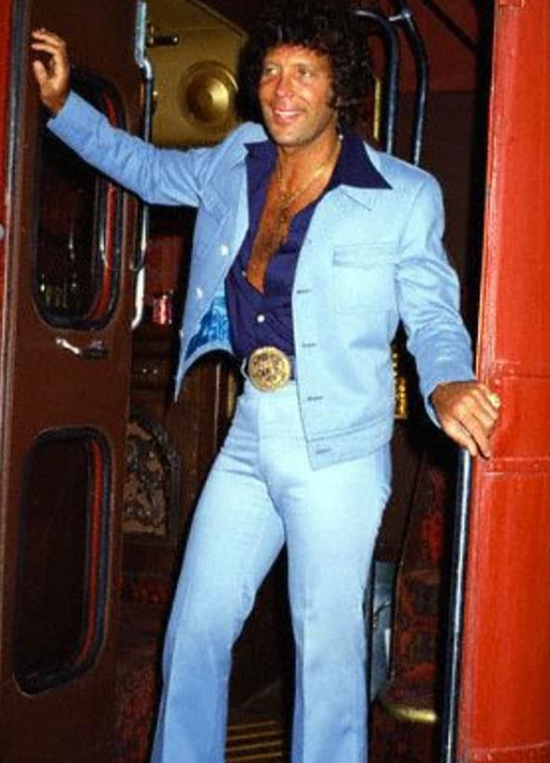
Tom Jones. Photo from @pinterest
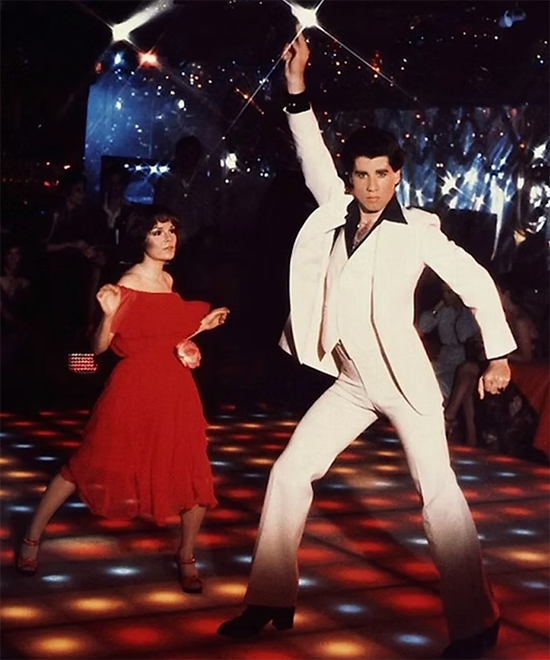
Karen Lynn Gorney and John Travolta in 1977 film Saturday Night Fever. Photo from @wikipedia
Bruno Mars in ’70s retro. Photo from @pinterest
Tailored and flared in tangerine. Photo from @pinterest
Tom Jones. Photo from @pinterest
Karen Lynn Gorney and John Travolta in 1977 film Saturday Night Fever. Photo from @wikipedia
CLOSE
Tailoring reached a new level of confidence as men’s fashion became more adventurous through broad lapels, bold patterns, luxurious fabrics, and impeccable cuts. Women increasingly adopted pantsuits for elegant comfort and tailored suits as symbols of empowerment, paving the way for modern power dressing. The flare defined the decade’s silhouette – fitted through the hip, dramatic from the knee. Bell sleeves brought the same movement to blouses and dresses, creating the era’s signature sense of flow.
***
Bongga Ka ‘Day: The Annie Batungbakal Musical featuring music of Hotdog opens on Sept. 18 at Newport Performing Arts Theater. Produced by Newport World Resorts with The Philippine STAR and Viva Entertainment. Line Produced by Peta Plus. Directed by Chris Millado.

WATCH: Is Gen Z too soft? (Generations Ep. 23)
September 30, 2026
WATCH: LGBTQIA+ people with unlikely professions
June 28, 2026