

The ball gown: Glitz, glamour and purpose
What to wear to the ball? It’s probably a question as old as the fairy tale of Cinderella herself, and one wishes it were as simple as having a fairy godmother wave her magic wand. Why the ball gown became so important as to merit so much of one’s time and effort can be traced to the significance of the event itself and the idea that a select group of people have been chosen to put on their finest attire and transform an evening of pleasure into an occasion serving a purpose much larger than themselves.
Balls have their origins in the gala, an occasion when a town or court dressed up and put itself on display—a sense of splendor and spectacle long before anyone thought of attaching a charitable cause to it. It was a celebration of beauty and finery, founded on the belief that bringing people together to look and be looked at could also serve a greater purpose.
As cities grew in the 18th century, those born into privilege and those with means needed somewhere to meet, dance and take one another’s measure. This gave rise to assembly rooms where a group of aristocrats decided who could pass beyond the velvet ropes. The practice evolved into “the season,” a round of balls, dinners and presentations where reputations were made, fortunes merged, and class boundaries were discreetly drawn.
This is vividly illustrated in the HBO series The Gilded Age, where the ball is an instrument of power in New York, wielded by Lina Astor, the old-money “queen bee,” and social arbiter Ward McAllister, who decided who belonged. An invitation to her ball was the hottest ticket in town, desperately coveted by nouveau riche Bertha Russell, a fictional character inspired by Alva Vanderbilt, who built massive mansions along Fifth Avenue and fought her way into the Four Hundred—the list of those deemed socially acceptable, said to be the number of guests who could comfortably fit into Mrs. Astor’s ballroom. The press turned this exclusive world into a public spectacle and its members into celebrities whom the public could watch and obsess over, particularly for the fashion and jewels they wore.
CONTINUE READING BELOW

It was inevitable that the ball would evolve from a display of wealth and status into an occasion for charity because it had always carried a whiff of patronage and obligation. As the middle class grew, charity balls spread beyond the aristocracy and into the civic life of towns on both sides of the Atlantic.
Just as balls evolved, so did the gowns, which always reflected hierarchy, signaling status and privilege in ways that went beyond aesthetics. In medieval times, laws restricted who could wear certain fabrics and colors—velvet, ermine, and deep crimson, for instance, were reserved for royalty and nobility. By the Renaissance, gowns became increasingly structured, requiring skilled tailors and designers who used combinations of fabrics to create visual drama. The gown became a statement of power, reaching theatrical extremes by the 18th century with the panniers, corsets, and trains worn at Versailles, complemented by intricate embroidery and hand-sewn lace.
The Victorian era brought changes in women's fashion, with crinolines replacing the heavy layers of petticoats. By the 1870s, the bustle had replaced the crinoline, shifting volume to the back of the skirt. By the 1920s, Victorian-era restrictions gave way to the shorter hemlines and looser silhouettes of flapper dresses. After World War II, Dior’s New Look brought back the cinched waist in an hourglass silhouette and made skirts voluminous again. Today, designers draw on elements from the past to create contemporary ball gowns for the modern woman, incorporating eco-friendly textiles and sustainable practices. Vintage and archival pieces have also become ubiquitous at formal events.
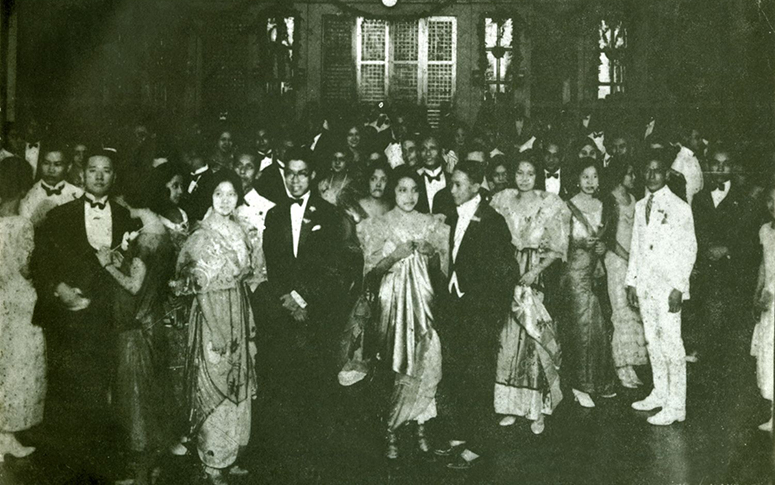
In Philippine history, balls trace their origins to the fiesta bailes of 19th-century town fiestas and community fundraisers, where members of the principalia held formal house dances or plaza dances to introduce young women into society. These gatherings blended community celebrations with local civic or church fundraising. During the American colonial period, public charity balls, including those organized by health societies in the 1920s and 1930s, also became part of the social calendar.
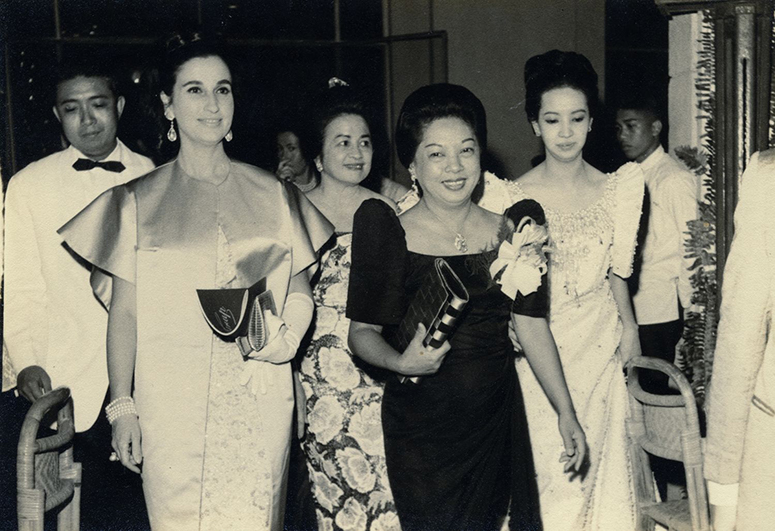
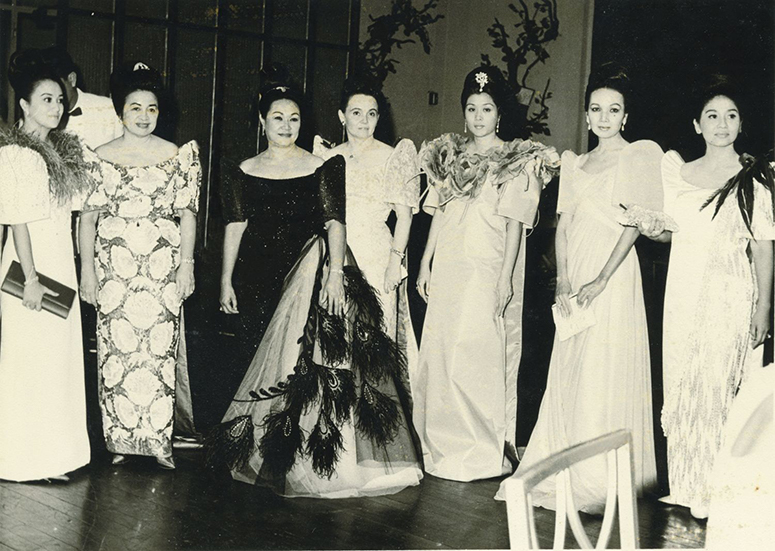
This was also the era of the legendary Kahirup Ball, an exclusive high-society gala and charity fundraiser founded in 1928 by Visayan elites in Manila. It reached its golden age in the 1950s and 1960s, bringing together landed sugar barons, hacienderos and affluent families from Negros Occidental and Iloilo.
The ball became a major runway for Philippine fashion. Visayan socialites and their friends commissioned custom ternos and gowns from master couturiers such as National Artist Ramon Valera or imported pieces directly from Paris and Madrid. It was a famous joke that some guests changed outfits as many as 18 times in a single night. Attendees also flaunted staggering amounts of heirloom jewelry, including massive diamonds, reflecting the immense wealth generated during the height of the Philippine sugar boom.
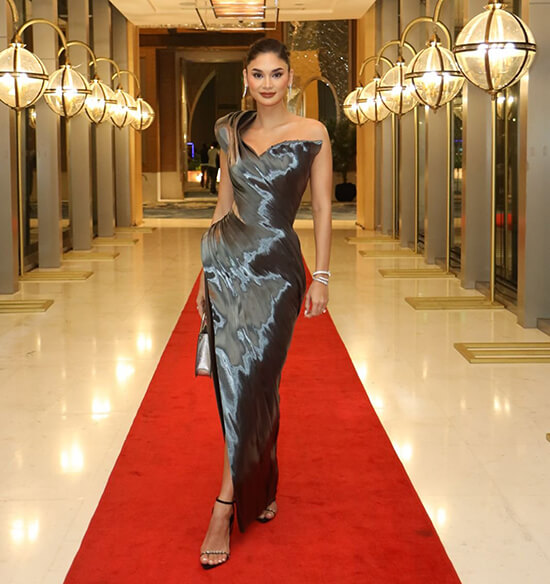
Parties were lavish, sometimes to the point of excess, with stories of champagne flowing from fountains. Beneath the extreme ostentation, however, was a purpose: to foster unity among Visayans in the capital and raise funds for charitable projects in their hometowns. Still, the tradition came to an end in the 1970s amid the onset of martial law, which cracked down on traditional displays of oligarchic wealth, the decline of the sugar industry, and growing public criticism of extreme wealth inequality.
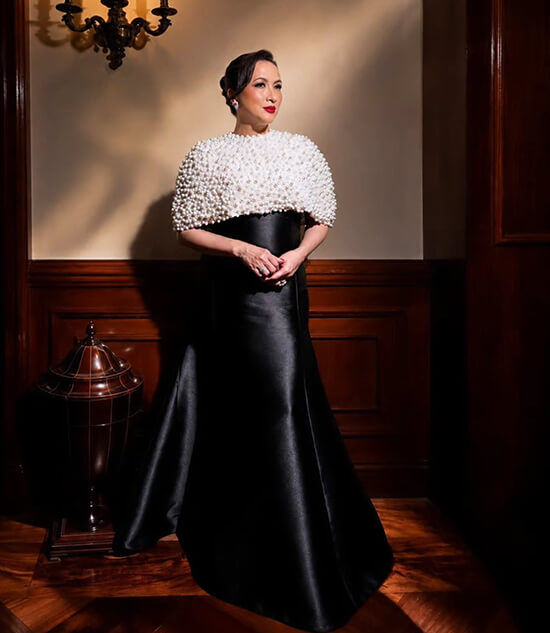
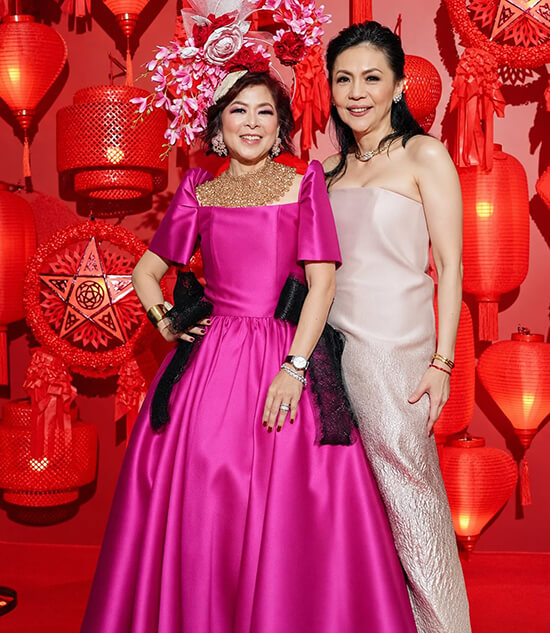
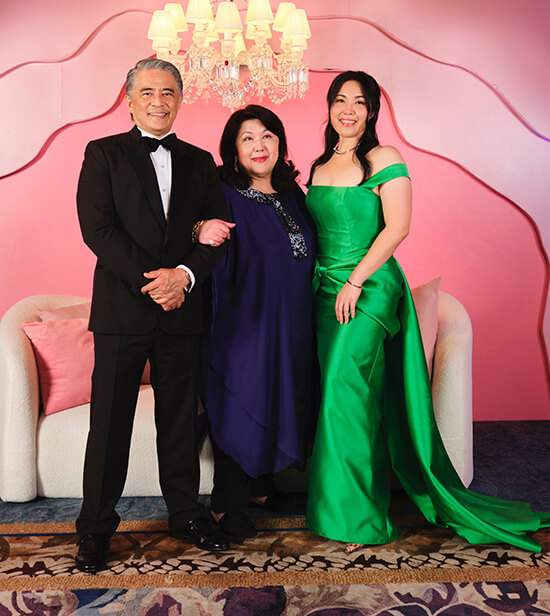
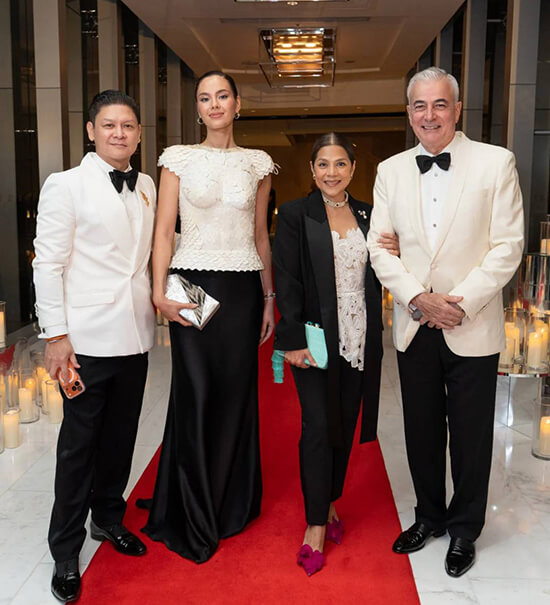
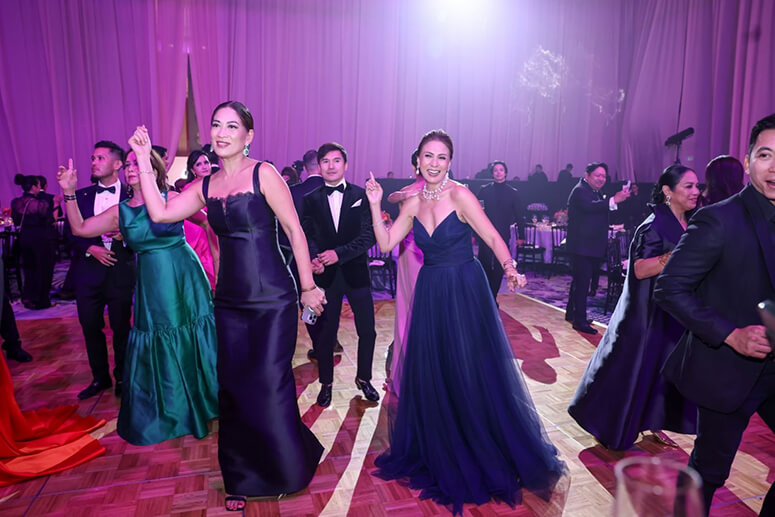
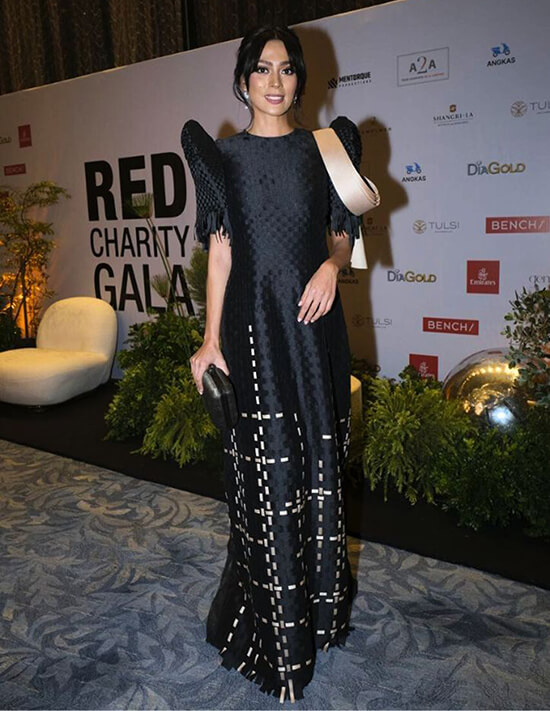
Today, the Philippine charity ball has evolved for the modern age. Gathering the nation’s most prominent industry titans, cultural icons, artists, and celebrities, the Tatler Ball blends high-society glamour and luxury with a strong social mission. Donations and proceeds from high-value charity auctions go directly to selected foundations and social initiatives, including educational and child protection programs. The Red Charity Gala, on the other hand, combines haute couture with large-scale philanthropy by showcasing the craftsmanship of top Filipino fashion designers. Special collection presentations are among the evening’s highlights, alongside an auction that raises funds for the Philippine Red Cross and other beneficiaries, including environmental programs.
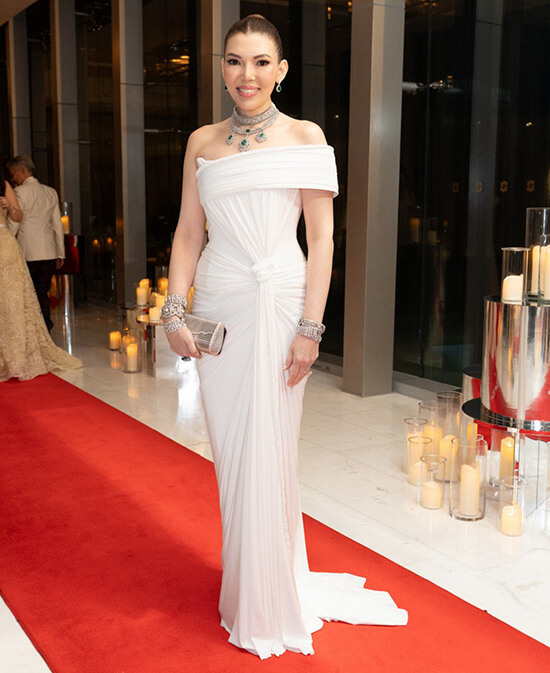
Needless to say, both balls are closely watched for the couture gowns worn by style leaders and designed by Manila’s top couturiers. They set contemporary red-carpet trends and make a significant impact on the country’s cultural landscape while drawing attention to worthy advocacies.

WATCH: Do you still believe in marriage? (Generations Ep. 17)
August 19, 2026
WATCH: Why is it so hard to make friends? (Generations Ep. 26)
October 21, 2026