

Who will care for the caregivers?
A few years ago, I met a patient whose blood pressure remained stubbornly elevated despite multiple medications. She was not overweight. She did not smoke. She tried to eat healthy whenever she could. Yet every clinic visit seemed to reveal a new complaint—fatigue, headaches, palpitations, poor sleep and episodes of unexplained crying.
As we talked, the reason gradually emerged.
Behind every patient with cancer, stroke, dementia, heart failure, or disability stands an army of caregivers whose labor is rarely recognized and almost never compensated.
For the past six years, she had been caring almost single-handedly for her husband who had suffered a disabling stroke. She woke before dawn to prepare his meals and medications. She assisted him with bathing and dressing. She accompanied him to medical appointments. She monitored his blood pressure, sugar levels and rehabilitation exercises. At night, she often slept lightly, waking several times to attend to his needs.
When I asked who was helping her, she smiled politely and answered with a phrase I have heard countless times over the years.
“Doc, kami-kami lang.”

Just us.

Behind every patient with cancer, stroke, dementia, heart failure, or disability stands an army of caregivers whose labor is rarely recognized and almost never compensated. They are spouses, daughters, sons, siblings, grandparents and sometimes even neighbors. They are the quiet figures seated beside hospital beds, the ones filling out forms, paying bills, dispensing medicines and listening patiently to doctors explain diagnoses and treatment plans.
Yet while we devote considerable attention to the patient, we often overlook the caregiver.
And that may be one of the most neglected public health issues of our time.
Challenges of longevity
The Philippines is aging. Advances in medicine have enabled people to live longer with chronic illnesses that would have been fatal decades ago. More patients now survive heart attacks, strokes, cancer and kidney disease. This is unquestionably a triumph of modern healthcare.
But longevity carries its own challenges.
Many of these survivors require years of assistance, supervision and support. In countries with robust social safety nets, professional caregiving services, long-term care facilities and government support programs help shoulder some of the burden. In the Philippines, however, the responsibility falls largely on families.
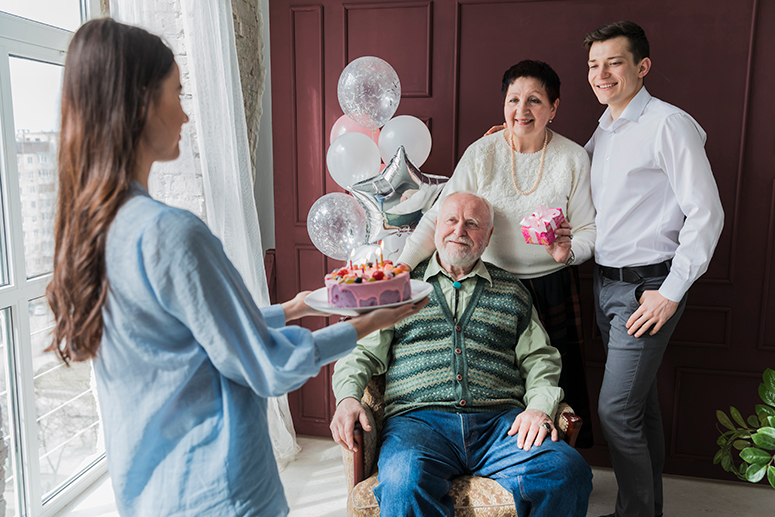
This arrangement reflects one of our nation’s greatest strengths. Filipinos are known worldwide for their devotion to family. We care for aging parents. We sacrifice for sick spouses. We rally around relatives during times of illness. These acts of love are among the most admirable aspects of our culture.
Yet even love has limits.
The emotional toll of caregiving can be immense. Studies from around the world consistently show that caregivers experience higher rates of anxiety, depression, chronic stress, sleep disturbances and social isolation. Many find their lives gradually shrinking as caregiving responsibilities consume their time and energy.
Friendships fade. Hobbies disappear. Vacations become impossible. Some caregivers begin to feel guilty for longing, even briefly, for freedom. Others feel guilty for feeling tired.
The irony is painful. The very people providing care often become physically and emotionally depleted themselves.
The caregiver becomes next patient
As physicians, we occasionally witness this transformation. The caregiver who initially appears energetic and optimistic slowly begins to look exhausted. Weight fluctuates. Blood pressure rises. Chronic conditions worsen. Sleep becomes fragmented. The caregiver develops health problems while focusing all attention on someone else’s illness.
In extreme cases, the caregiver becomes the next patient.
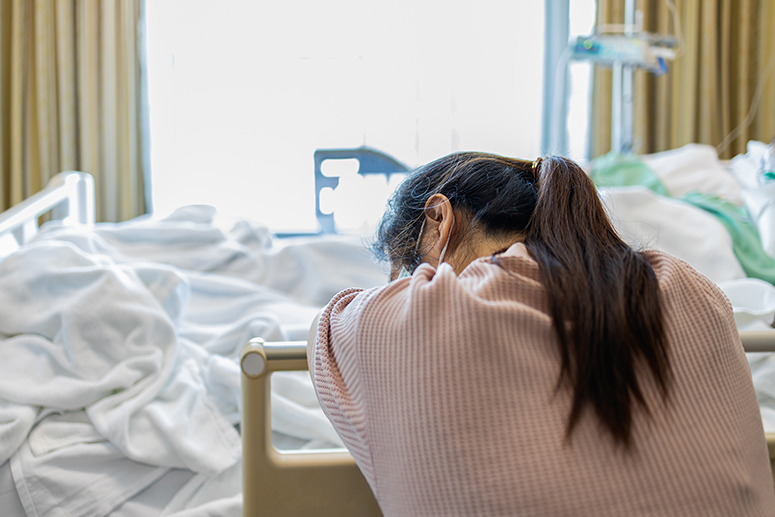
There is also a significant economic dimension to this crisis. Many caregivers reduce working hours or leave employment altogether to provide care. Household income declines precisely when medical expenses are increasing. Savings evaporate. Retirement plans are postponed. Financial stress compounds emotional strain.
The burden is particularly heavy for the so-called “sandwich generation”—middle-aged adults simultaneously caring for aging parents while supporting children still dependent on them. These individuals often find themselves squeezed between competing responsibilities, struggling to meet everyone’s needs while neglecting their own.
The heavy burden of dementia care
Perhaps nowhere is the challenge more evident than in dementia care.
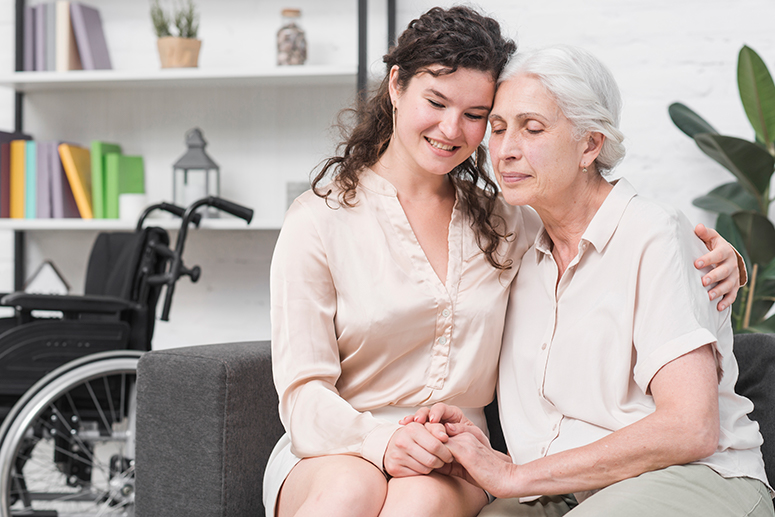
Families caring for loved ones with dementia face unique hardships. Unlike many physical illnesses, dementia gradually alters memory, judgment, personality and behavior. Caregivers must repeatedly answer the same questions, manage confusion and wandering, and cope with the heartbreak of watching cherished memories disappear.
Many describe the experience as grieving someone who is still physically present. The emotional demands can be overwhelming. Yet despite these realities, caregivers remain largely invisible in public discourse.
We celebrate healthcare workers, and rightly so. We honor physicians, nurses, therapists and medical technologists. But the millions of unpaid caregivers quietly sustaining our healthcare system receive far less recognition.
Imagine for a moment what would happen if family caregivers suddenly stopped providing care. Hospitals would become overwhelmed. Long-term care facilities would be inadequate. Healthcare costs would soar. Entire systems would struggle to function. In many ways, caregivers represent the hidden foundation upon which healthcare rests.
Addressing the caregiver dilemma
So what can be done?
The first step is recognizing caregiving as a public health issue rather than merely a private family matter.
Healthcare professionals should routinely assess caregiver well-being alongside patient well-being. Employers can explore more flexible work arrangements for employees with caregiving responsibilities. Communities, churches, civic organizations and local governments can develop respite programs that provide caregivers with occasional relief.
Most importantly, caregivers themselves must understand that self-care is not selfish. A caregiver who neglects sleep, nutrition, exercise, social connection and medical care is not strengthening their ability to help others. They are gradually undermining it.
One of the most important instructions given on an airplane is to secure your own oxygen mask before assisting others. The same principle applies to caregiving. You cannot pour endlessly from an empty cup.
Caregiver crisis
As our population ages, the caregiver crisis will only become more significant. More families will confront difficult decisions. More individuals will find themselves balancing love, duty, sacrifice, and exhaustion.
The question is not whether caregiving is noble. It unquestionably is. The question is whether we, as a society, are doing enough to support those who provide it.
The next time you visit a hospital, clinic, rehabilitation center or dialysis unit, take a moment to look beyond the patient. Notice the spouse holding a hand. The daughter carrying documents. The son pushing a wheelchair. The grandchild patiently waiting through another appointment.
These individuals may never receive awards or public recognition. Yet they perform acts of quiet heroism every day.
They remind us that healthcare is not sustained by medicine alone. It is sustained by love.
And perhaps it is time we asked a simple but important question:
Who will care for the caregivers?

WATCH: Is Philippine cinema still thriving? (Generations Ep. 19)
September 2, 2026
WATCH: Is Gen Z too soft? (Generations Ep. 23)
September 30, 2026