

Less plaque, same heart attack? Why Filipino women should pay attention
For years, we have reassured patients with a phrase that sounds wonderfully comforting: “Hindi naman malaki ang bara sa puso mo.” (The blockage in your coronary arteries is not that big.)
It turns out that for women, that reassurance may need an asterisk.
A recent study published in Circulation: Cardiovascular Imaging examined more than 4,200 adults with stable chest pain and no prior coronary artery disease. Using coronary CT angiography, researchers measured atherosclerotic plaque volume and followed patients for about two years. The findings were illuminating—and slightly unsettling.

Women had less plaque in their coronary arteries than men. Lower volume. Fewer obstructed arteries. On paper, their coronary arteries looked better. Yet their risk of heart attack, hospitalization for chest pain, or death was essentially similar to that of men.
Even more striking, women’s risk began to rise at a lower plaque burden—around 20%—compared with 28% in men. Once plaque increased, women’s risk climbed more steeply. In short: Less plaque did not mean less danger.
Now, why should a study conducted in North America matter to a woman in Quezon City, Cebu, or Davao?
CONTINUE READING BELOW

The answer: Biology does not need a passport.
The Filipino reality: Quiet hearts, busy lives
Filipino women are multitaskers of Olympic caliber. They manage households, careers, children’s assignments, aging parents, church activities, and community affairs—often all in the same afternoon.

When a woman tells me she is tired, I rarely know whether it is physiological fatigue or simply Tuesday blues. This is where the new study becomes relevant.
Women’s coronary arteries are typically smaller. A modest plaque buildup may cause proportionally greater impairment of blood flow. Women are also more prone to microvascular dysfunction—disease of the smaller vessels that is not easily seen on standard angiograms.
Translated into everyday language: a “small” blockage in a woman can behave like a “big” blockage in a man. And here in the Philippines, where access to advanced imaging is uneven and chest pain is often dismissed as hyperacidity, this distinction matters.
The myth of protection
We once believed estrogen protected women until menopause. That protection is real—but temporary.
After menopause, plaque progression accelerates. Many Filipino women now live decades beyond menopause. With urbanization, sedentary lifestyles, high-sodium diets, rising diabetes rates, and stress levels that would impress a corporate CEO, cardiovascular risk is hardly modest.
Yet awareness remains uneven. Ask a group of Filipino women which disease they fear most, and many will answer cancer. Statistically, heart disease claims more lives than cancer.
That is not meant to frighten—it is meant to recalibrate.
Why ‘mild’ is not always mild
In cardiology, we often categorize plaque as mild, moderate, or severe. But those categories were largely derived from male-dominated data. If women experience adverse events at lower thresholds, then our definitions of “mild” may underestimate risk.
Consider a 58-year-old Filipina with hypertension and borderline diabetes. Her CT scan shows moderate plaque. She feels reassured—and so does her family. Under older paradigms, that might have been enough. Under newer insights, she deserves aggressive blood pressure control, lipid management, and structured lifestyle intervention—not reassurance alone.
“Wala namang malaki” (no large plaques) should not be the end of the conversation.
The symptom gap
Women also present differently. Classic crushing chest pain? Yes, sometimes. But they may also present with atypical symptoms: jaw discomfort, back pain, shortness of breath, unusual fatigue, or nausea.
In busy outpatient clinics, these can easily be labeled as stress, gastritis, menopause, or kulang sa tulog (lack of sleep).
Filipino women are also culturally conditioned to endure. They minimize symptoms. They prioritize others.
The result? Delayed diagnosis.
A personal observation
If men often ignore symptoms because they believe they are invincible, women sometimes ignore symptoms because they believe they are indispensable. Neither is medically advisable. The heart does not adjust its pathology according to household responsibilities.
Philippine risk factors amplify the concern
Let us localize this further.
National surveys consistently show among women: a high prevalence of hypertension, rising diabetes rates, increasing obesity, and continued tobacco exposure (including secondhand smoke).
Combine these with postmenopausal physiology and microvascular vulnerability, and you have a setting where plaque thresholds matter deeply.
Access disparities also matter. Coronary CT angiography is widely available in major cities but less accessible in provincial areas. Many women rely on basic ECGs, which may miss early disease.
If plaque burden thresholds for women are lower, then early risk identification becomes more urgent.
What should change in practice?

First, clinicians must interpret imaging results in a sex-specific context.
Second, preventive strategies should begin earlier—especially in women with multiple risk factors.
Third, cholesterol targets may need to be pursued more assertively, even when plaque appears modest. Cholesterol-lowering drugs, particularly statins, often need to be taken long-term—even in those with normal cholesterol levels but with significant arterial blockage.
Fourth, public awareness campaigns in the Philippines must emphasize that heart disease is not gender-exclusive.
The prevention prescription
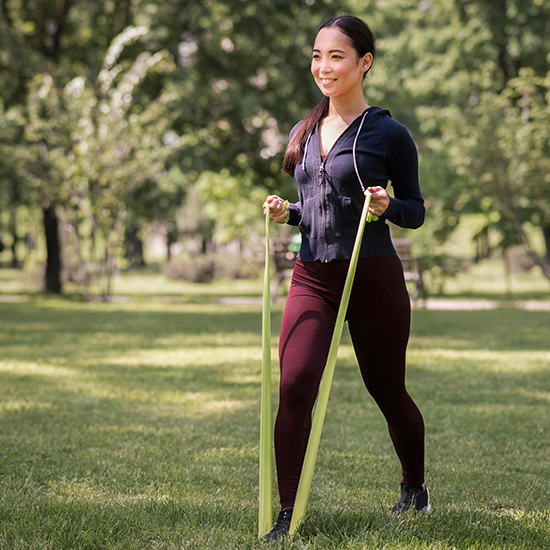
For Filipino women, prevention remains powerful: Control blood pressure strictly, monitor blood sugar regularly, check lipid (cholesterol) profiles—even without symptoms, exercise at least 150 minutes per week, reduce dietary sodium (yes, even in bagoong and processed favorites), quit smoking—and avoid secondhand exposure, prioritize sleep, and seek evaluation for persistent chest discomfort or unexplained fatigue.
Most heart attacks are not lightning strikes. They are the cumulative result of years of metabolic stress.

A broader message: Research equity matters
One encouraging aspect of the study is representation: More than half of the participants were women. For decades, cardiovascular research disproportionately focused on men. We are only now uncovering nuanced biological differences.
This matters not only for science, but also for policy and practice in countries like ours.
Sex-specific guidelines are not political correctness. They are precision medicine.
Final pulse check
If there is one takeaway for Filipino readers, it is this: Less plaque does not equal less risk for women. The absence of dramatic blockage on a scan does not grant immunity. The solution is not anxiety—it is vigilance.
Filipino women are the emotional and logistical centers of many households. Protecting their cardiovascular health is not merely a medical concern—it is a societal investment.
A woman’s heart may be smaller in diameter, but its importance is immeasurable.

WATCH: Pixar Summer Fest adventure at Hong Kong Disneyland
August 10, 2026
WATCH: Can you still trust someone who betrayed you? (Generations Ep. 22)
September 23, 2026