

TIPS: Wedding etiquette for socially awkward couples and guests
December, with all its social obligations, has become a training ground for people who are often confused by social interactions. Weddings are no exception.
For the socially awkward—those often perplexed by the unwritten rules of interaction—this season has become a high-stakes training ground.
Unlike Christmas parties, where people have the option of fading into the background, weddings are solemn occasions that require sharper social skills both from the couple and their guests.
To navigate these ceremonies without the usual anxiety, it helps to focus on a few key "social survival" strategies.
For introverted couples
Wedding planner Rommel Espera shared with PhilSTAR L!fe an important reminder for introverted couples: “Give yourself permission to experience the day in your own way, not how society expects you to."
Limit the wedding team
CONTINUE READING BELOW

Espera said it's completely okay to keep the wedding core team small. Limit it to "those who make you feel safe, relaxed, and understood," he suggested. Doing so helps conserve the couple's energy for both the ceremony and reception.
Let your coordinator communicate for you
Allow your team to become your shield. "As your coordinator, I handle the suppliers, the questions, the follow-ups, and even the unexpected situations so you don’t have to deal with social pressure or small talk," he said.
Schedule quiet moments
Sensory and social overload is especially real for introverted couples. Espera advises couples to take five-minute breathers before the ceremony, the grand entrance, and the photoshoot. Having micro-breaks throughout the event helps couples reset and stay grounded.
Pre-select interactions
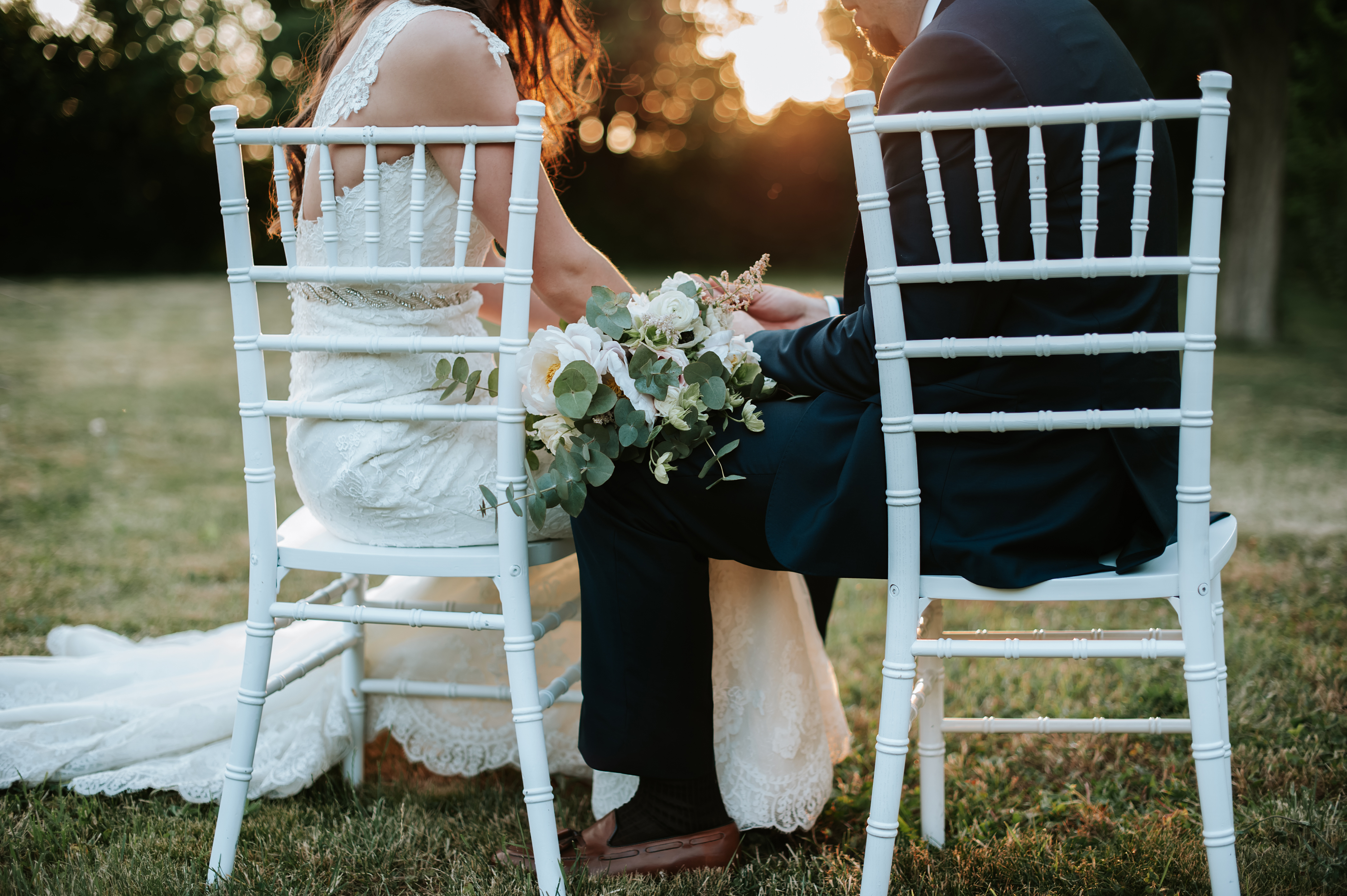
Ahead of the wedding, Espera suggested couples decide on the following: Who you want to take photos with, how long you want the receiving line to be, and which parts of the program you’re comfortable participating in.
"As your planner, I can discreetly manage the flow so you are never overwhelmed," he said. "You do not need to entertain everyone the whole day."
Accept that it’s okay to feel awkward
"You don’t need to be bubbly, loud, or overly expressive. You just need to be present," said Espera. "Introverted brides and grooms actually create some of the most heartfelt and cinematic weddings because their emotions are real and unforced."
Etiquette pointers for wedding guests
Lifting from what she's seen during weddings, wedding planner Jamie Yaneza shared with L!fe how guests can navigate these love-filled occasions that come with many unspoken rules.
Crack the dress code early
Wedding invitations normally specify the attire guests are expected to follow. The usual dress code suggests one of three: semi-formal, cocktail, or formal. But what exactly do these mean?
According to Yaneza, semi-formal outfits are "polished but still somewhat relaxed; dressy but not glamorous."
"Cocktail attire is a step up—more stylish and refined, with a slightly more 'evening' feel," Yaneza said.
Women's cocktail outfits are usually knee-length or a bit above, often fitted and structured, with dressier accessories. For men, slacks with a long-sleeved button-down shirt. A blazer or suit jacket is optional but recommended.
Formal means elegant and classic outfits. Women can come in long dresses or gowns that have a refined and timeless feel. For men, a full suit or barong, depending on the setting and the couple's preference.
Regardless of your gender expression, make sure your outfit follows the theme.
"And unless the couple specifically requests it, skip wearing white; it's a small but meaningful gesture of respect for the bride," Yaneza told L!fe.
No plus-one unless it’s explicitly offered
"If the invitation doesn’t mention a plus-one, don’t request one," said Yaneza. "It saves everyone from awkwardness—the couple won’t have to decline, and you won’t feel uncomfortable for having asked."
Stick to safe, practical choices for wedding gifts
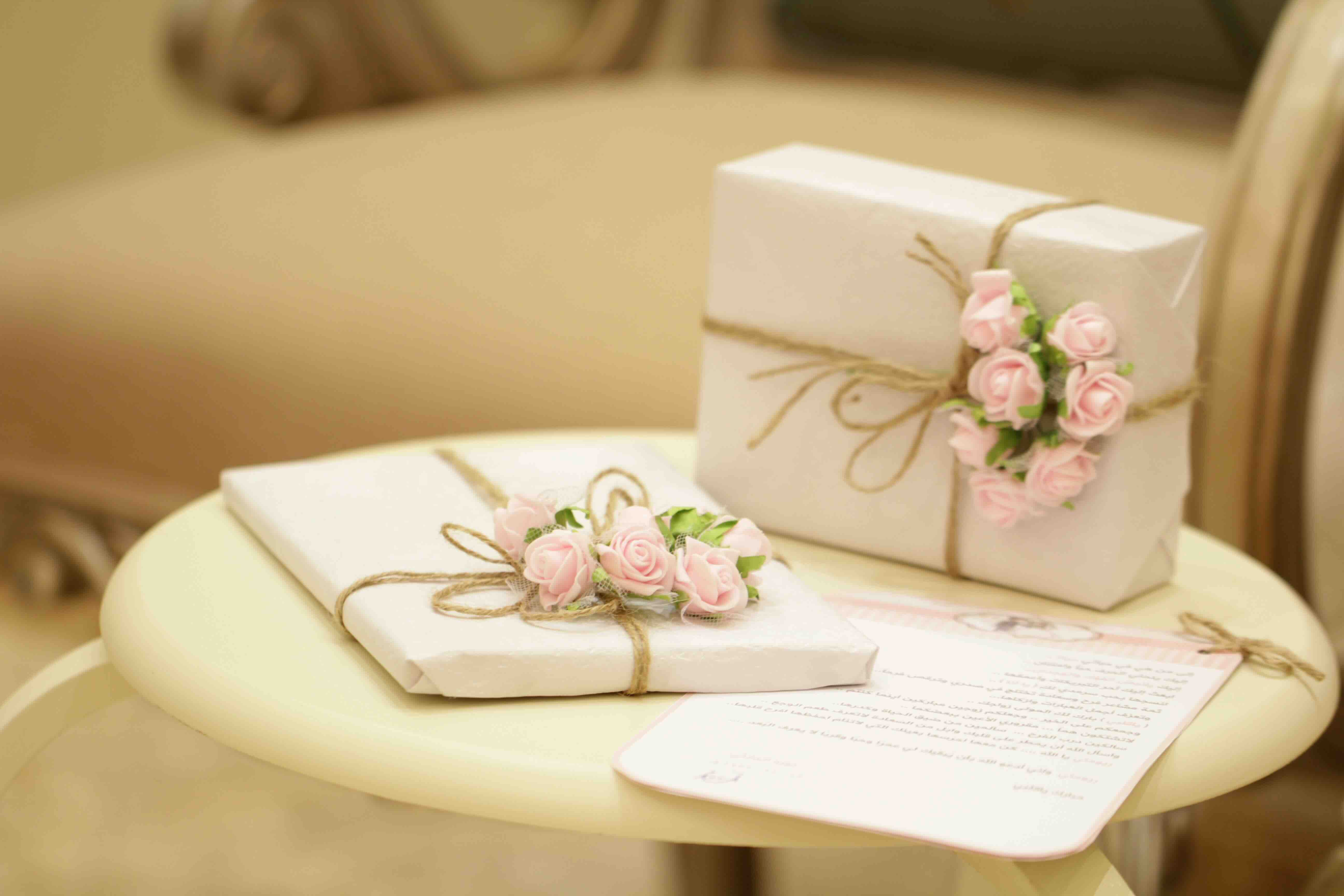
A wedding is usually not the occasion to give overly personal presents that might embarrass the couple.
"These days, couples prefer cash, and usually [indicate so] on the invitation," said Yaneza. Others, according to her, will appreciate gift registry picks or practical items like spa gift certificates, vouchers for an overnight stay, or even Starbucks gift certificates—items they can really use.
RSVP only when you’re sure of your schedule
"Confirm your attendance only when you truly intend to be there," said Yaneza. "The couple depends on accurate headcounts for seats, meals, and arrangements—so say yes because you genuinely want to celebrate with them, not just because your schedule happens to be free," she added.
Follow arrival etiquette
"Aim to arrive 15–30 minutes before the ceremony," said Yaneza. Being late is not only disrespectful; it also draws attention, interrupting the solemnity of the wedding.
Espera added, "Early arrivals enjoy a calmer environment—fewer people, easier check-in, and less pressure. In contrast, arriving late means stepping into a crowded, energetic room, which can feel overwhelming even for the most confident guests."
Respect the program
"Our favorite guests are the cooperative ones," said Yaneza.
Trust the wedding planner to carry out the natural flow of the occasion. Take the assigned seats. If the meal is served buffet style, wait for your turn to get food. And if you're invited to join an activity, do so.
"Even if [deciphering] social cues isn't your strength, the program will guide you," reminded Yaneza.
Practice good photo manners
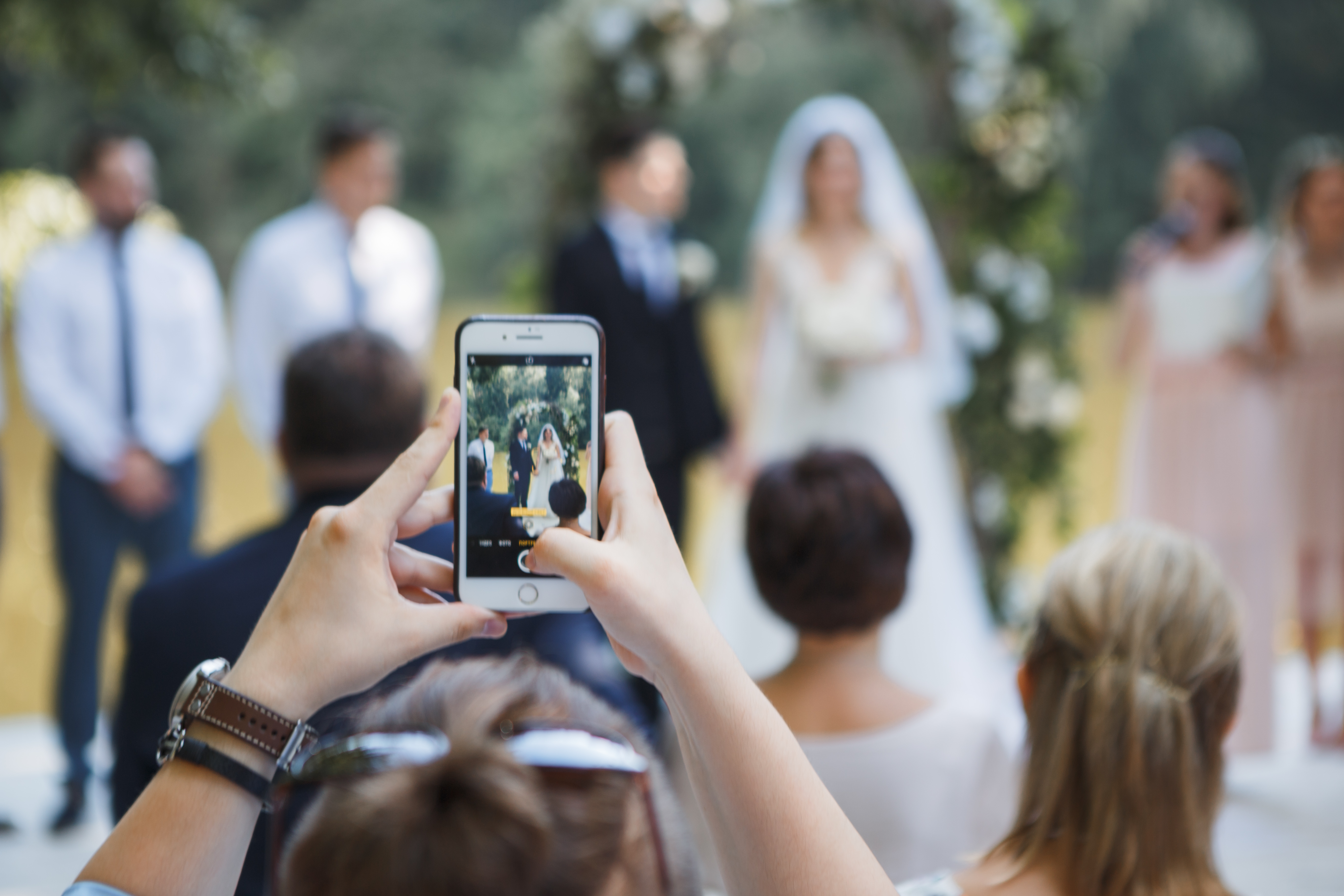
Stay out of the wedding photographer's way. Let them capture the important moments before you do. If the couple requests a cellphone-free ceremony to keep guests from taking unofficial, possibly unflattering photos, respect their wish.
Keep table conversations light
"No need to be overly chatty—just be pleasant," advised Yaneza.
Think of safe topics to talk about with fellow guests at your table, including how you know the couple, your hobbies, food, or travel. Avoid sensitive subjects, such as money, relationships, politics, religion, and physical appearance.
Celebrate with intention
"You don’t have to be the loudest person in the room. A warm smile, a clap during special moments, or simply being present already means a lot," said Yaneza.
Espera added, "Find a comfortable seat, stay close to people you trust, and allow yourself to simply enjoy the program. You were invited because the couple values your presence, not because of your ability to mingle with every guest in the room."
"Weddings are celebrations, not exams," he said. "No one is grading you or scrutinizing your every move."
Leave with grace
"As much as possible, stay until the end of the program," said Yaneza. If you need to leave early due to an emergency, slip out between program segments but not before thanking the couple and congratulating them. Message them after your emergency to explain your early departure.

WATCH: Is Philippine cinema still thriving? (Generations Ep. 19)
September 2, 2026