

A manifesto for healing: Cultivating empathy and resilience in Philippine schools
We were all shaken to the core by the heartbreaking shooting at San Jose National High School in Tacloban City. It was a terrifying wake-up call, exposing a quiet, dangerous fracture in the lives of our young people—one where unaddressed trauma, relentless bullying, and dark, internet-fueled rabbit holes collide.
It revealed a chilling reality: when children lack the tools to handle rejection or emotional pain, they can turn to destructive, unthinkable acts. Our immediate impulse might be to demand harsher laws, tighter security, or heavier punishments. But metal detectors and legal threats cannot heal a hurting heart or mend a broken mind. If we want to truly safeguard our classrooms, we have to look deeper.
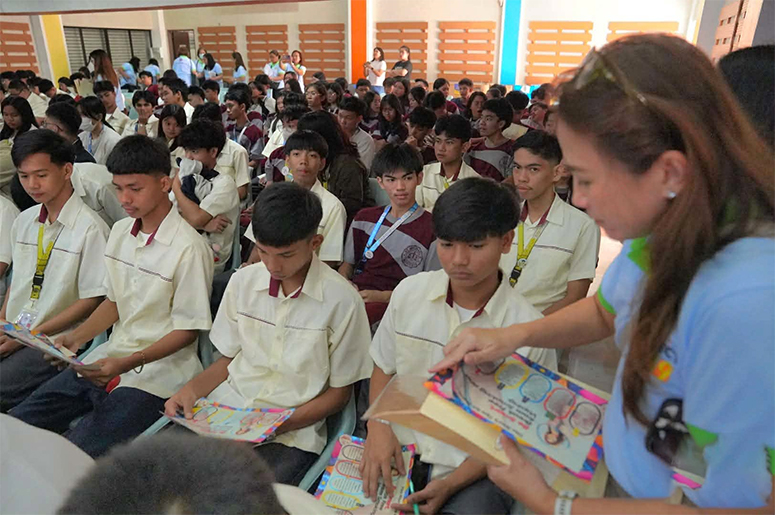
We must actively step into our children’s emotional worlds before they reach a breaking point. Imagine a school system that blends Denmark’s world-renowned empathy program with the rich, creative spirit of the local Earthsavers movement—a UNESCO Artist for Peace recipient for its Dreams program. By uniting these approaches, the Philippines can pioneer a powerful curriculum that heals trauma, dismantles online radicalization, and builds a genuine sense of belonging for every student, from early childhood into adulthood.
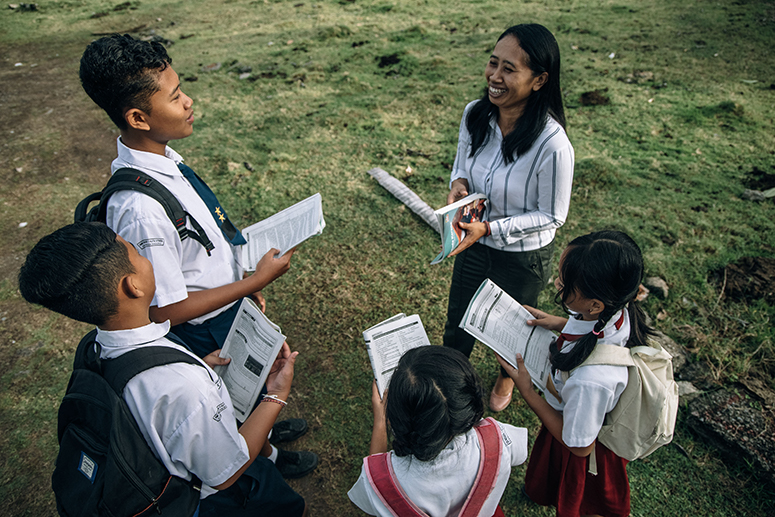
The Therapeutic Power of the Arts
For decades, the Earthsavers Dreams National I.T.I. Center has championed a simple truth: the arts are not merely for entertainment or showing off talent. They are a vital tool for public service and community healing. A complete education must care for a child’s body—offering hot meals and safe classrooms—while also caring for their inner life.
Earthsavers uses creative expression to help vulnerable, marginalized kids heal from pain, grasp human rights, and find their place in the world. Working alongside initiatives like Peter Yarrow’s emotional literacy anthem Don’t Laugh at Me, Earthsavers has proven that empathy isn’t an innate trait you’re simply born with—it is a skill that can be taught. By merging digital literacy with artistic grounding, this approach creates a protective shield against the toxic online echo chambers that exploit lonely, disconnected kids.
Lessons from Denmark
CONTINUE READING BELOW

Where empathy is a required subject since 1993, Denmark has required empathy training for every student aged six to 16. The Danes don’t treat empathy as a vague, warm feeling, but as a core skill that needs a weekly workout through a program called Klassens Tid (Class Time). Here is how Denmark makes it work:
Creating a safe space (hygge). For one hour a week, standard school rules and social hierarchies are put on hold. The classroom transforms into a comfortable, secure space where students often share snacks, let down their guards, and talk openly about their fears, anxieties, or disputes.
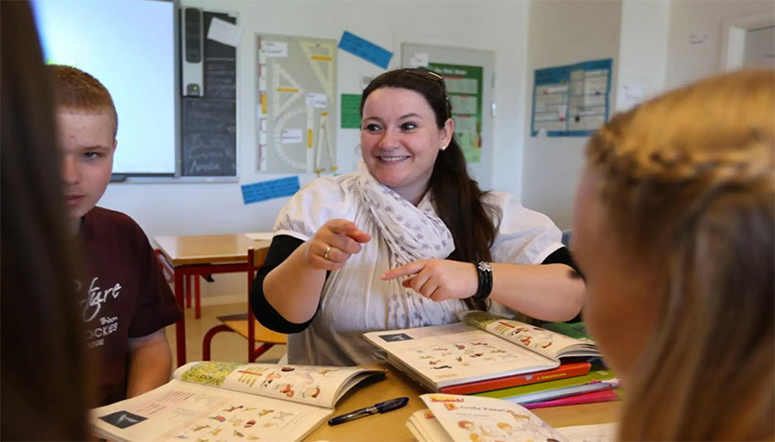
Solving problems together. When a student feels left out or bullied, lonely in grief, the issue isn’t simply handed over to a principal to hand down punishments. Instead, the entire class sits down to talk it through, working together to find a compassionate solution that everyone agrees on.
Building bridges across differences. Teachers deliberately pair introverted or struggling kids with outgoing peers, and encourage stronger students to tutor those who fall behind. It subtly instills a vital message: everyone in this room has value. The results speak for themselves. Denmark consistently boasts some of the lowest school bullying rates globally and regularly tops the UN’s World Happiness Report. Empathetic children, it turns out, grow up to be resilient, cooperative adults.
Bringing the vision home: ‘Kumustahan at bayanihan’
So, how do we make this work in Philippine schools? Earthsavers Techno ResiliArts empowerment strategy should be adopted as a violence mitigation and healing platform weaving Denmark’s concepts appropriately into the Department of Education’s Edukasyon sa Pagpapakatao (Values Education) framework, bringing it to life through local culture, indigenous heritage appreciation and SDGs relevant lifelong learning.
Instead of rigid lectures, imagine three practical shifts starting as early as age four:
The “Kumustahan at Bayanihan” hour. A mandatory, non-graded 60-minute weekly session. This gives students a safe, protected space to speak up about their struggles, breaking the silent isolation and humiliation that so often drive young people toward extremism.
Community-led healing. Utilizing student leaders and guidance counselors to facilitate peer circles and creative expression. Moving away from top-down punishments removes the toxic “snitch” stigma, shifting conflict resolution toward dialogue with community support, honesty, and shared accountability.
We can transform our schools from high-stress environments into true sanctuaries of peace — ensuring no Filipino child is ever left to suffer alone in the dark.
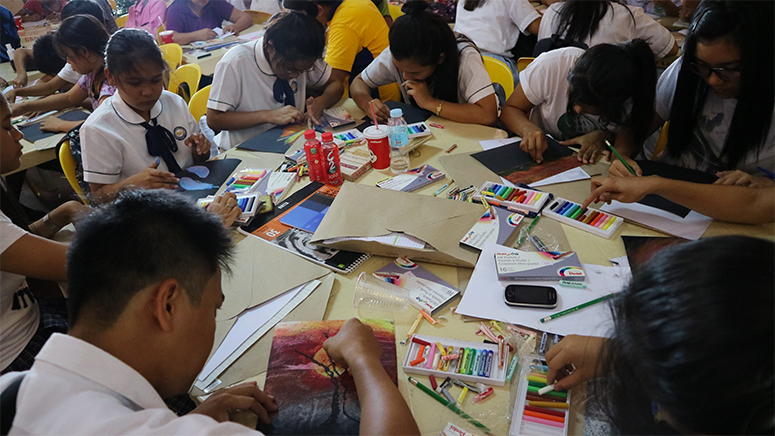
Creative emotional exercise. Blending theater, music, dance, literary and visual arts, and media literacy into the classroom to counter violent online games and toxic social media content. Engaging through the arts helps kids de-escalate emotional volatility, process rejection constructively, and appreciate diverse cultures.
A call to action: prevention over damage control through arts
The tragedy in Tacloban, echoing similar incidents on other school campuses, delivered a painful lesson: when young people feel trapped by unchecked pain and loneliness, they may resort to violence in a desperate attempt to regain a sense of control.
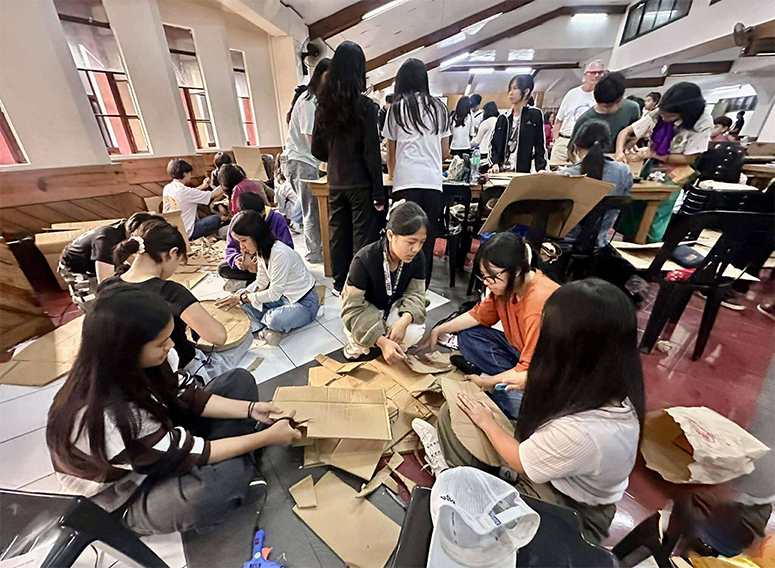
We cannot afford to wait until a child acts out before offering them help. It is time to shift our educational mindset from post-tragedy damage control to proactive prevention. This vision isn’t just a dream—it was previously launched as a poverty-eradication effort when I served as executive director under the National Commission for Culture and the Arts and Presidential Assistant on Culture with support from the UNDP, reaching initially 28 of our least developed municipalities. Unfortunately, continuity is cast aside when political administrations change, these vital programs are too often set aside. It is tragic that amid widespread outrage over trillions lost to corruption, the application of culture receives not even a fraction of the support it deserves. Culture is a fundamental right of every citizen.
To fulfill this right, NCCA should reinstate its outreach funding and resource person programs, ensuring dedicated assistance for marginalized communities. In tandem, the cultural sector must uphold the highest standards of transparency and accountability.
Furthermore, Sustainable Development Goals themes must be integrated into our country's local and international observances—including Arts, Heritage, Indigenous Peoples, Teachers’, Earth Day, Women’s, and World Theater Days. With only four years remaining to meet our national commitments under the UN 2030 Agenda, a massive communication gap still separates these goals from society. A robust public-private partnership must highlight our rich cultural diversity by fostering Techno-ResiliArt Lifelong Learning—a movement bridging ancestral wisdom to contemporary artistic expression as a conscientizing force to protect people and planet, eradicate poverty, and foster peace, expanding into South-South cooperation. Finally, our government should propose a Debt-for-Culture Swap at UNESCO to halt violence against humanity and Mother Earth: achieving peace not through the force of arms, but through the power of art.
Let us honor the lives lost in Tacloban by building an educational system that lasts. With the backing of local governments and social welfare agencies, we can transform our schools from high-stress environments and conflicted areas into true sanctuaries of peace—ensuring no Filipino child is ever left to suffer alone in the dark.

WATCH: Is OPM still as good as it used to be? (Generations Ep. 20)
September 9, 2026
WATCH: Is Gen Z too soft? (Generations Ep. 23)
September 30, 2026
WATCH: LGBTQIA+ people with unlikely professions
June 28, 2026
WATCH: Discovering Vietnam in three days
June 9, 2026