

Why every Filipino home needs a zero-waste mindset
If you open your kitchen trash bin today, you will likely find a familiar mix: food scraps, plastic sachets, coffee cups, and the occasional mystery item that no one wants to claim. It is, in many ways, a snapshot of modern life—convenient, fast, and unfortunately, wasteful.
But here is a sobering truth: What we throw “away” never really goes away.
In the Philippines alone, thousands of tons of waste are generated daily. A significant portion ends up in landfills, waterways, or worse—our oceans. And while this may seem like an environmental issue best left to policymakers, the reality is far closer to home—literally.
Because the most powerful solution to our waste problem does not begin in government offices or big establishments. It begins in our kitchens.
The science of waste: It’s not just ugly—it’s dangerous
Let’s move beyond aesthetics. Waste is not merely unsightly—it is biologically active and chemically potent.
Improperly managed waste contributes to:
- Air pollution: Burning plastics releases toxic compounds like dioxins, linked to cancer and endocrine disruption.
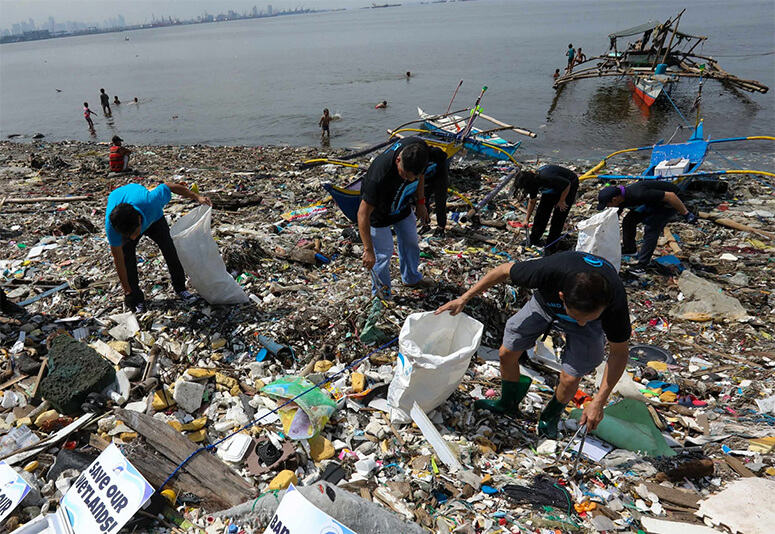
- Water contamination: Leachate from dumpsites introduces heavy metals and pathogens into groundwater.
- Vector-borne diseases: Accumulated waste attracts rats, mosquitoes, and flies—vectors for dengue, leptospirosis, and gastrointestinal infections.
- Microplastic exposure: Tiny plastic particles now infiltrate food, water, and even human bloodstreams
CONTINUE READING BELOW

In short, your trash bin is not just a container—it is a public health interface.
Recycling vs. Zero Waste: What’s the difference?
Many people proudly say, “I recycle.” That’s good. But it’s only step two.
Zero waste thinking goes further: Refuse what you don’t need, Reduce what you do use, reuse what you can, recycle what remains, and rot (compost) organic waste.
Recycling is important—but it is often overestimated. Globally, only a small fraction of plastic is actually recycled. The rest? It lingers— sometimes for centuries.
A practical guide: The Filipino household edition
Let’s bring this home—literally.
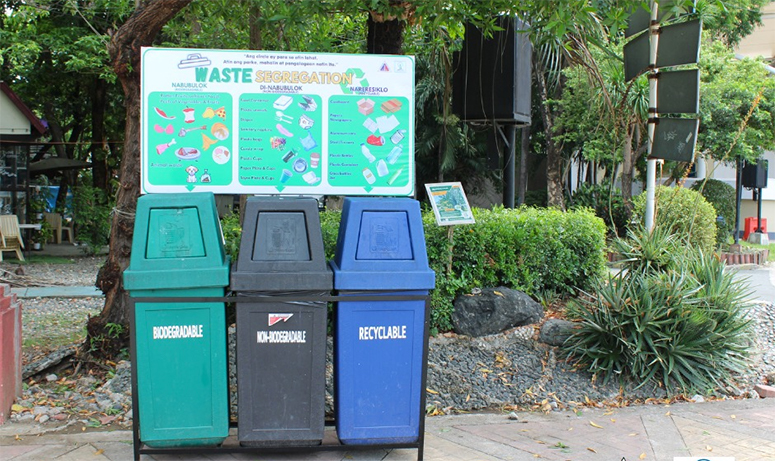
- Segregation: The foundation. At minimum, every household should have three bins: biodegradable (food scraps, peels), recyclable (paper, bottles, cans), and residual (non-recyclable waste like sachets). In many barangays, this is not just encouraged—it is required. Yet compliance remains inconsistent. Think of segregation not as a chore—but as clinical triage for waste.
- Composting: Turning waste into wealth. Food waste comprises a large portion of household trash. Instead of sending it to landfills, use a simple compost bin or bucket system and convert scraps into nutrient-rich soil for plants. Bonus: Less garbage means fewer odors—and fewer visits from unwanted “guests” (rats and cockroaches).
- The Sachet Problem: Our national Achilles’ heel. Single-use plastics—especially sachets—are a uniquely Filipino challenge. They are convenient, affordable, and everywhere. But they are also nearly impossible to recycle and are a major contributor to marine pollution. Practical solutions: buy in bulk when possible, support refill stations, and encourage community-level collection programs.
- Reuse culture: Bring back the old Filipino habit. Long before “zero waste” became trendy, Filipinos were already doing it: glass jars reused for storage, bayong bags instead of plastic, and repair instead of replace. Modern zero-waste living is not new—it is simply a rediscovery of old wisdom.
Health benefits: The quiet revolution
Here is where things get interesting—and often overlooked.
A zero-waste household is not just environmentally responsible. It is medically beneficial.
- Cleaner air. Less burning of waste means fewer toxins inhaled. This reduces the risk of asthma, Chronic Obstructive Pulmonary Disease exacerbations, and lung irritation.
- Safer water. Less contamination means lower risk of diarrheal diseases. This is particularly important for children and the elderly.
- Fewer disease vectors. Proper waste management reduces breeding sites. This lowers the incidence of dengue and leptospirosis.
- Healthier food systems. Reduced plastic use means less microplastic ingestion. Emerging evidence links microplastics to inflammation and metabolic disruption. In essence, zero waste is preventive medicine—practiced at home.
For establishments: From compliance to leadership
Businesses, clinics, schools, and offices play a critical role. At Manila Doctors Hospital, where I work, all employees “donate” their recyclable basura and earn volunteer points.
A proper waste program should include segregation at source, partnership with a Materials Recovery Facility such as Green Trident, which “upcycles” the recyclable wastes, reduction of single-use plastics, and staff education and accountability.
For healthcare facilities especially, waste management is not optional—it is part of patient safety, stresses Dr. Alberto Roxas, MDH medical director.
The economics of less waste
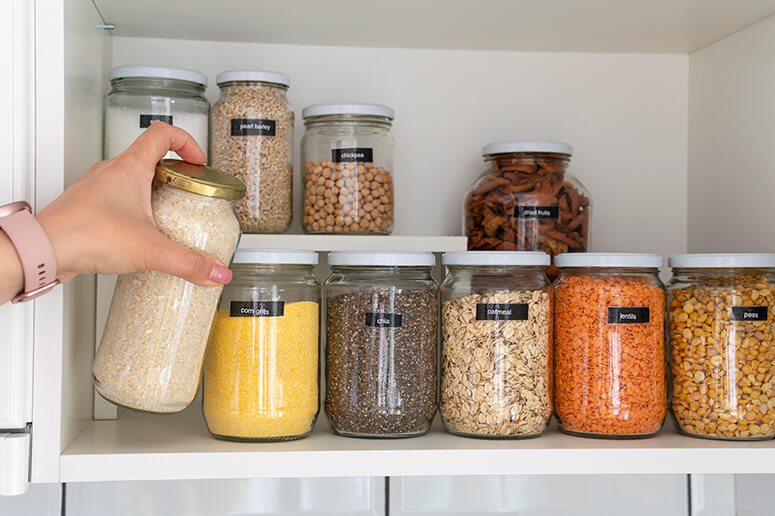
Here is a pleasant surprise: Zero waste is not just good for the planet—it’s good for your wallet. Buying in bulk reduces cost per unit, reusing containers saves money, and composting reduces waste disposal fees
In other words, less waste often means more savings—a rare win-win in today’s economy.
‘Basura’ or misplaced potential?
Let’s be honest. Many of us have a “junk drawer” at home. Some even have a “junk room.”
Zero waste doesn’t mean becoming a minimalist monk overnight. It simply means asking, before throwing something away: “Is this really basura—or just misplaced potential?” Your old ice cream tub, by the way, is not trash. It is a future food container. Every Filipino knows this.
The bigger picture: A culture of shift
Zero waste is not about perfection. It is about intention.
If every household reduces waste even by 20–30%, the cumulative impact is enormous: less landfill pressure, cleaner communities, and lower healthcare burden.
And perhaps most importantly: A generation that understands that stewardship is part of citizenship.
Zero waste is not a lifestyle for a few. It is a responsibility for all. And in a country like ours, where health and environment are deeply intertwined, it may well be one of the most practical public health interventions we have—simple, scalable, and profoundly impactful.
Final reflection
The fight against waste will not be won in a single policy, program, or campaign.
It will be won quietly—in homes, in kitchens, in daily choices that no one applauds.
So the next time you hold a piece of “trash,” pause for a moment.
Because in that small, ordinary decision—to throw, to reuse, or to rethink—you are not just managing waste. You are shaping the health of your family, your community, and the future we all share.

WATCH: Is Gen Z too soft? (Generations Ep. 23)
September 30, 2026
WATCH: How to experience Bangkok and Kanchanaburi in one trip
October 21, 2026