

How a run community can be a powerful tool in mental health
Before the current post-pandemic resurgence, marathon running experienced a massive peak in the Philippines from 2010 to 2015.
Back then, running events seemed to happen almost every weekend in BGC or MOA. The sport’s growing appeal was largely driven by the “RunRio effect,” as Coach Rio de la Cruz introduced world-class standards—timing chips, accurate distance measurements, high-quality singlets, and well-organized hydration stations.
This was the era when a typical Facebook weekend ritual was posting the 5K, 10K, or 21K you had just completed, proudly displaying your finisher medal. Topping many runners’ bucket lists was the Condura Skyway Marathon, an annual event held from 2008 to 2016 that gave participants the rare experience of running along the Skyway. While the Milo Marathon has existed since 1974, it was during this golden era of running that it reached record-breaking participation, drawing 40,000 runners across its nationwide legs.
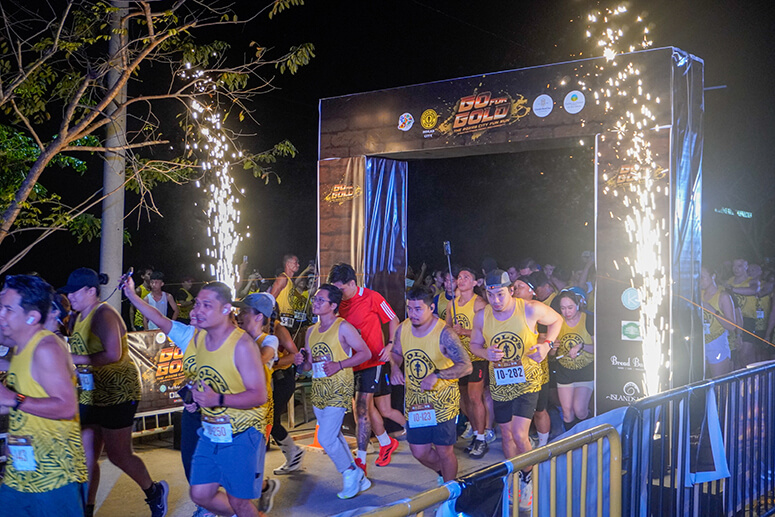
Today, running communities are once again on the rise—but they look different this time around. Organizers no longer wait for big corporate sponsors. Instead, the focus has shifted to grassroots efforts and genuine community building.
From BGC to the provinces, run clubs are replacing happy hours. A friend once observed that while BGC streets used to be filled with clubgoers at 4 or 5 a.m., they are now occupied by groups of young runners. The focus isn’t just cardio—it’s connection.
This movement is alive and well outside Metro Manila. In Roxas City, a group called Run Capiz is proving that fitness can be a powerful vehicle for mental health and community building. I sat down with founder Frederick Estacio to discuss how a simple passion project grew into a province-wide movement.
CONTINUE READING BELOW

THE PHILIPPINE STAR: What inspired you to create a run club?
FREDERICK ESTACIO: When I started building Run Capiz, I was working as a freelance virtual assistant specializing in marketing for a real estate company in the United States. At the time, I frequently joined running events and obstacle races in neighboring cities. I really enjoyed the feeling of crossing the finish line and being part of an active running community.
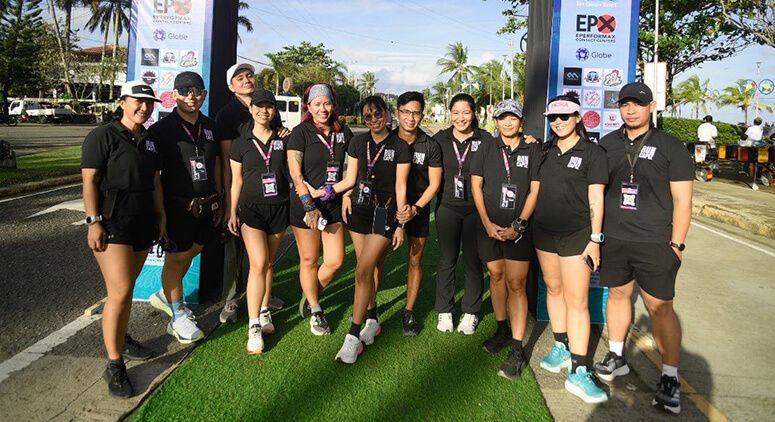
However, I noticed that in Capiz—especially in Roxas City—there were no established running communities or fitness groups. That’s when I decided I wanted to bring the same culture of running, fitness, and community to the entire province, not just Roxas City.
I officially created the Run Capiz Facebook page on Nov. 6, 2023, and started posting free community runs every weekend. In the beginning, only a few runners joined, but through consistency, invitations, and word of mouth, the community steadily grew. My wife often served as our sweeper, and whenever we had sponsors, she would set up a small hydration station.
From the start, Run Capiz was open to everyone—beginners, casual runners, and elite athletes alike.
After about a year, I decided to take Run Capiz to the next level by forming a core team from those who consistently joined our runs. The first member was my wife, followed by close friends who shared the same passion and values. Over time, I carefully built a team I am very proud of—people who truly represent what Run Capiz stands for.
Did the exercise habits of Capiznons shift after the pandemic?
Yes, significantly. Immediately after the pandemic, it was rare to see people running on the streets or even in ovals. Many had become inactive, stressed, and disconnected. But as Run Capiz community runs became more consistent and visible, people slowly started moving again.
We saw real, meaningful impact. Many reached out to express gratitude for building this community. Some shared how joining Run Capiz helped them cope with stress, anxiety, depression, and even suicidal tendencies. For many, weekend runs became something to look forward to—not just for exercise, but for connection.
After runs, we often spend time together having coffee by the beach, especially when we start at People’s Park. These moments foster friendships, support systems, and a sense of belonging that goes far beyond running.
How many runs do you organize in a year?
Run Capiz is not a full-time operation. All of us, including myself, have professions outside the organization, and about 10 core team members are also working professionals. Despite this, we manage to organize multiple events each year.
My wife and I started organizing events at Plantanan Park, inspired by my interest in Hyrox and Spartan Race-style competitions. After joining several obstacle races, I realized that formats like Hyrox were not accessible in our city. This led to the creation of the Plantamania Circuit Race, a locally developed event inspired by Hyrox and Spartan-style racing.
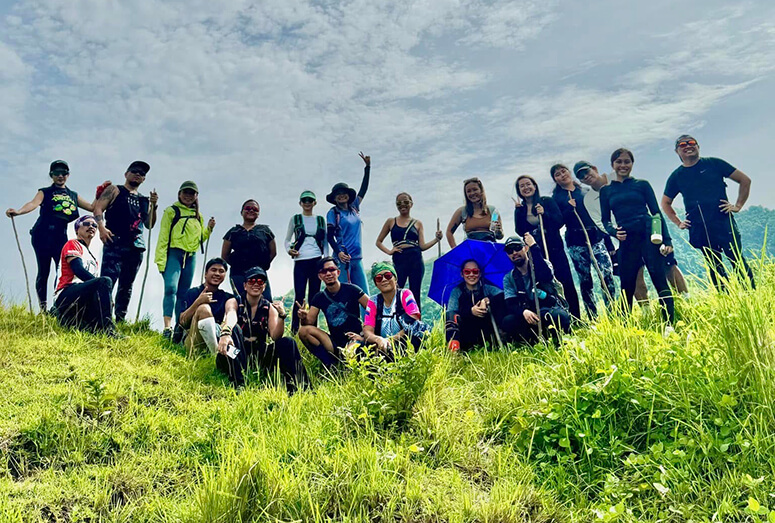
After Plantamania, we began receiving inquiries from various groups and organizations asking us to organize fun runs and fitness events.
How do your team members train for a competition?
Most runners train individually due to different schedules and fitness levels. However, we also conduct group training sessions, especially when preparing for events. Our training includes hill repeats, high-intensity interval training (HIIT), weekly long-distance runs ranging from 10K to 42K, core and upper-body strength workouts, and hikes during the summer season.
Personally, I also incorporate strength and functional training because of my passion for obstacle course racing.
* * *
Looking ahead, Estacio hopes to transform Run Capiz from a casual run group into a structured and sustainable fitness institution. Plans include partnerships with certified organizations to offer proper fitness education and injury-prevention clinics. Ultimately, the goal is to formalize the support system.
As Estacio puts it, Run Capiz aims to prove that in Capiz, “fitness is not about competition alone, but about community.”

WATCH: Can we talk about death and grief? (Generations Ep. 25)
October 14, 2026