

Pilates and the politics of wellness
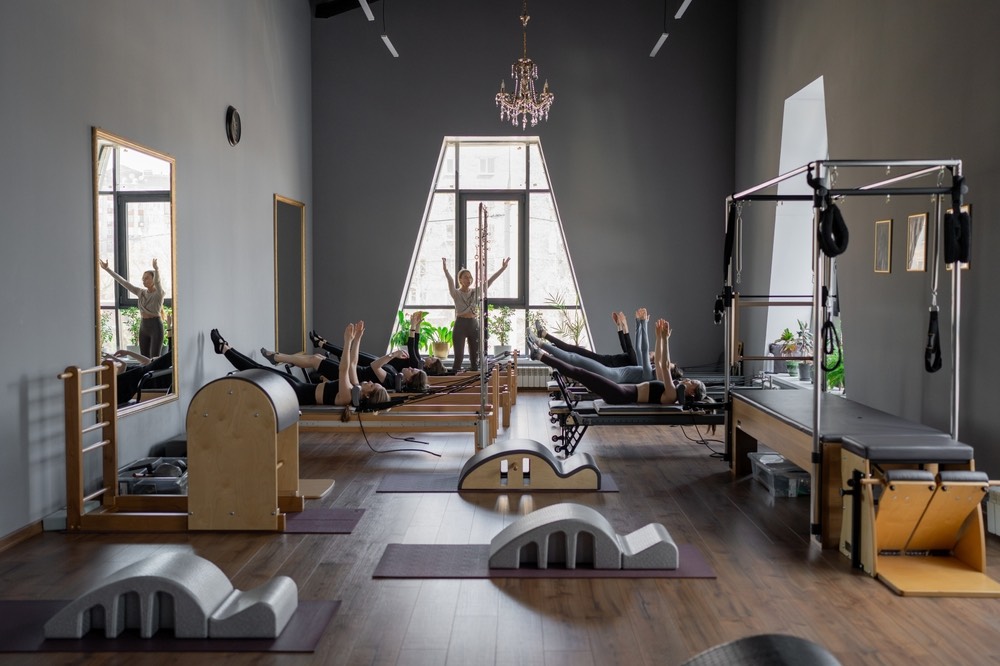
As early as 6:30 a.m., one can witness an increasingly familiar scene in Metro Manila. In various parts of the city, people make their way to Pilates studios before heading to offices, hospitals, classrooms, courts, clinics, and the innumerable workplaces that structure urban life. Many of them walk into the studio carrying coffee tumblers and gym bags. Some have already spent an hour on the road, while others are reading e-mails on their phones before class begins. There is little conversation at first. The room is quiet except for the sounds of springs being adjusted and machines being prepared for use.
The popularity of Pilates in Manila is often explained in predictable ways. It's treated as part of the expanding wellness industry, associated with social media trends, lifestyle aspirations, and the pursuit of a particular kind of body. There is truth in this account. One would only have to spend a few minutes online to encounter an endless stream of wellness imagery: carefully arranged protein-based meals, exercise routines, fitness trackers, and the visual grammar of self-improvement.
Yet observing Pilates classes over the last few months has led me to wonder whether something else is taking place. What exactly are people seeking when they devote time, money, and effort to practices that fall under the broad category of wellness?
That question is worth asking because wellness has become one of the defining cultural preoccupations of our time. It appears everywhere: in advertisements, workplace programs, social media content, public health campaigns, and casual conversation. Entire industries have emerged around the promise that with enough discipline, one can become healthier, calmer, and more productive.
At the same time, wellness has emerged alongside conditions that seem increasingly hostile to our well-being. Metro Manila is not an easy city to live in. The daily commute remains a source of frustration and fatigue for many residents. Rising costs of living have made financial security elusive even for middle-class households. Work extends beyond office walls through phones and laptops, making it difficult to distinguish between labor and leisure. The city itself often feels overheated, overcrowded, and hurried.

Seen from this perspective, the rise of wellness culture appears less mysterious. Perhaps it is not simply a matter of vanity or fashion. Perhaps it is also a response to exhaustion.
What interests me as both an anthropologist and a Pilates instructor is that people rarely describe this exhaustion in purely physical terms. Clients speak of stress, certainly, but they also speak of feeling overwhelmed, depleted, scattered, and perpetually pressed for time. Their complaints are bodily, yet they point beyond the body itself. Tight shoulders may have something to do with posture, but they may also have something to do with deadlines. Difficulty sleeping may reflect physiological factors, but it can also stem from anxieties about finances, family obligations, or an uncertain future. The body becomes a repository of pressures whose origins lie elsewhere, often externally.
Over time, I have also noticed that many clients don't come to class primarily because they want a "Pilates body." More often, they arrive seeking relief. They want to move without pain, breathe more deeply, or simply feel different in their own bodies for an hour. Some stay after class to talk. Others mention that the session was the only uninterrupted hour they had all week. These are small observations, but they suggest that what people seek in wellness spaces often exceeds fitness itself.
This is where contemporary discussions of wellness become insufficient—they tend to frame well-being as a matter of individual responsibility. One is encouraged to exercise more, sleep better, eat more carefully, and cultivate healthier habits. While these are worthwhile pursuits, they also risk suggesting that well-being can be achieved through personal, individual discipline alone.
The assumption is curious because human beings have never been solitary projects.
In Sikolohiyang Pilipino, the concept of kapwa reminds us that personhood is fundamentally relational. Our lives are constituted through our connections with others. What affects us rarely remains confined within the boundaries of an individual self. Economic insecurity, family responsibilities, friendship, grief, care, and belonging all have consequences that are simultaneously social and bodily.
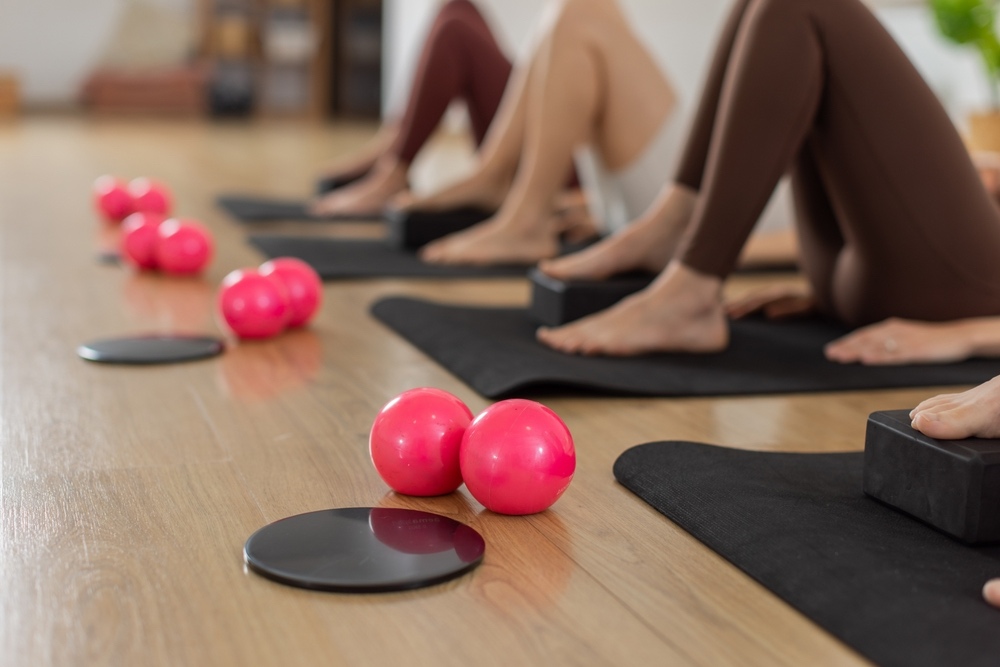
This is something one notices even inside Pilates studios. People arrive for exercise, but they often stay for conversation. Friendships emerge. Instructors remember injuries, pregnancies, bereavements, stressful workweeks, and personal milestones. Clients check on one another after challenging classes. Small communities form around practices ostensibly devoted to physical fitness.
One may suspect that what draws people to these spaces is not movement alone. Perhaps what people seek is not wellness in the narrow sense of self-optimization. Perhaps they are searching for forms of well-being that modern urban life increasingly makes difficult to find: moments of unhurried attention, experiences of care, opportunities for connection, and a reprieve from the demands of productivity.
There is an irony here: The same social conditions that generate exhaustion often create the demand for wellness industries that promise relief from that exhaustion. Yet reducing wellness culture to a commercial enterprise would miss an important point. Within these spaces, people are also improvising ways of caring for themselves and one another.
The distinction may be useful. Wellness is often imagined as something individuals pursue. Well-being, however, may be something that emerges collectively.
To think about Pilates in Manila, then, is not merely to think about exercise. It is also to think about the kinds of lives people are trying to build in a city that asks much from them, and about the small practices through which they attempt to recover balance, connection, and a sense of being at home in their own bodies.
Want to get published at PhilSTAR L!fe? We’re accepting submissions from aspiring and experienced writers. Send us your original piece at hey@philstarlife.com for review and possible publication.

WATCH: Is Philippine cinema still thriving? (Generations Ep. 19)
September 2, 2026
WATCH: Discovering Vietnam in three days
June 9, 2026