

The Philippines is now an upper-middle-income country. Will ordinary Filipinos feel the difference?
The World Bank upgraded the Philippines to an upper-middle-income country on July 1.
In a video shared on social media, World Bank Division Director Zafer Mustafaoglu described the development as "a milestone that reflects rising incomes, more jobs, and real progress for Filipino families."
"This achievement is built on years of sustained growth, strong reforms, hard work of the Filipino people. Over the past decade, the economy has more than doubled in size, more and better jobs have been created and poverty has declined," he continued.
President Ferdinand "Bongbong" Marcos Jr., in his own video message, celebrating the news, saying it "affirms that the economic policies that we have pursued over the past 4 years have been effective."
"Our steady economic growth, broadly stable currency, and long-term reforms have strengthened our economy even amidst global uncertainties. It validates the progress that we have made and the resilience of the Filipino people," Marcos added.
More concretely, he said the upgrade "is meant to open doors, put food on the table and give every Filipino the chance to build a better life."
CONTINUE READING BELOW

PhilSTAR L!fe breaks down what this economic levelling-up truly means.
What is an upper-middle-income economy?
Annually, the World Bank looks at the past year's gross national income per capita of each country. It then uses a metric to classify them into four income groups: low, lower-middle, upper-middle, and high.
Gross national income per capita is a country's total income divided by its population. Think of the country as a huge family of 100 people. Every member of the family earns a different income. At the end of the year, you put all the money together in one bank account. Say the money everyone earned goes up to P100,000. You then divide it equally among the 100 members of the family. Each one receives P1,000.
The P1,000 is your family's gross national income per capita. Per capita is Latin for "per head" or "per person."
In an interview with PhilSTAR L!fe, economist JC Punongbayan put it simply: "Imagine a pie as the Philippines' income. We divide that pie among everyone and see ano 'yung hati natin doon sa pie na 'yun." One piece of the pie translates to the gross national income per capita.
Once the World Bank determines a country's GNI per capita, it will measure it against a metric. The Philippines' GNI just made it within the range of US$4,496 to US$13,935 (P276,681.59 to P857,553), which indicated that the country has reached upper-middle-income status.
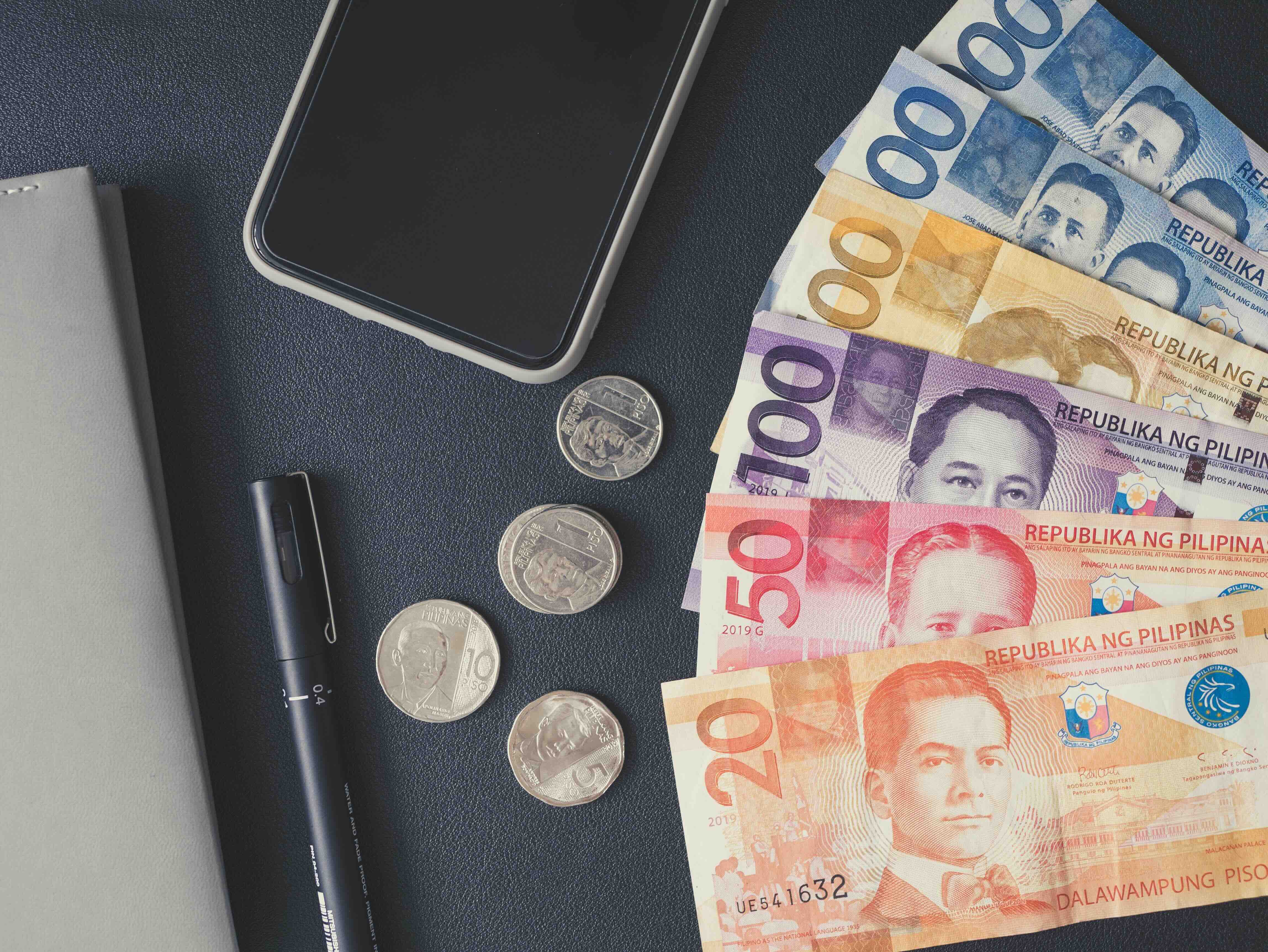
This new economic standing will now affect loans the government borrows from financial institutions, such as the World Bank or the Asian Development Bank. When these organizations compute loan terms, including interest rates, they look at the financial capacity of the borrowing country. If it is categorized as having a low- or lower middle-income economy, the lending institutions tend to give lower and heavily subsidized interest rates.
"However, because we're now a so-called upper-middle-income country, then the chances of us getting those preferential rates will be smaller," Punongbayan told L!fe.
This effect will not be immediate and will not apply to all lenders, according to Punongbayan. "But it means that moving forward, other countries are going to see us less and less as a poor country and therefore, iisipin nila, 'Afford na ng Pilipinas na magbayad ng mataas na interest rate sa utang nila."
How the government did it
Graduating from a lower-middle-income economy was not instant.
"Long overdue na po 'yan, 'yung upper middle-income status. Tagal na nating hinihintay 'yan. Hindi tayo nagulat doon," economist Michael Ricafort told L!fe.
According to Punongbayan, it's been years in the making, with former president Rodrigo Duterte followed by Marcos prophesying an upper-middle-income economy every year since 2017, except during the pandemic. "Eventually, almost 10 years later, saka siya nangyari," he said.
What did the government do differently this time to earn the economic upgrade?
Ricafort pinned it to the more than 50 million Filipinos in the workforce, whether in the Philippines or abroad. The GNI includes income earned by any Filipino from any place in the world. Their income carries more than 114 million Filipinos.
"Whether negosyante 'yan, empleyado. Basta kumikita, 'yun ang importante: purchasing power, spending power, may disposable income... Kaya hindi kagulat-gulat 'yang [economic upgrade] kasi the Philippines is one of the fastest growing economies," he said.
Punongbayan specified that the main reason for the growth of the Philippine economy is private consumption.
"Ito 'yung pagpunta natin sa mga mall, sa mga restaurant, sa grocery, sa palengke," he said. "And a large part of this is fueled by the OFW remittances. In other words, hindi 'yung remittances per se [ang driving factor], kung hindi paano siya ginagastos sa araw-araw ng mga Pilipino."
And as the Philippines ranks fourth in the world for amount of remittances sent home, after India, Mexico, and China, the spending power of Filipinos in the country is steadily rising, according to Ricafort. Every year, he said, OFWs send home an average of P40 billion.
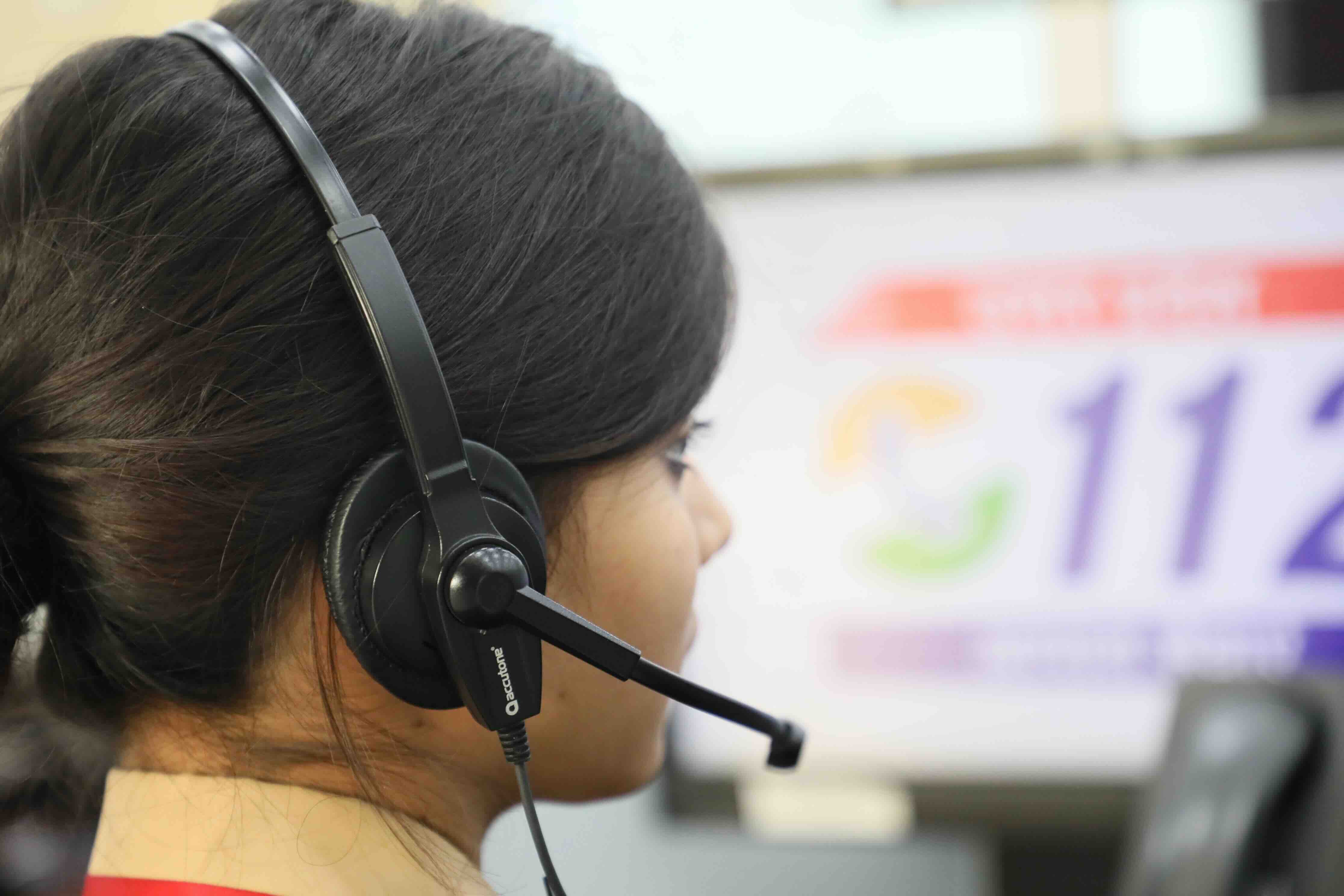
Government support for the country's top-performing industries also helped, per the economists, namely the BPOs, maritime industry, and nursing.
Companies in Business Process Outsourcing enjoy tax incentives and other perks under the CREATE Act (RA No. 11534), CREATE More Act (RA No. 12066), and the Special Economic Zone Act (RA No. 7916). According to Ricafort, the Philippines is the second-highest provider of BPO services in the world, next to India.
The maritime industry, another main driver of the country's income, is supported by the Maritime Industry Development Plan 2028, which helps the country "fully realize our potential as a maritime nation," said Marcos in 2024, when he signed the executive order for the plan.
According to the Organisation for Economic Co-operation and Development, the government has also been securing European investments to boost maritime training for seafarers.
For nurses, the government provides free board exam reviews, monthly stipends from local government units, and grants for training.
'No immediate impact' on ordinary Filipinos
Whether this economic upgrade improves the lives of each Filipino, Ricafort said it depends on a number of factors: "Sa pangangailangan, sa size ng family, sa lifestyle, sa goals, financial and spending goals."
"It does not mean that everyone will enjoy the same level of income," Punongbayan noted.
While the general purchasing power of Filipinos has improved, "it doesn't really catch up du'n sa kailangan para masustentuhan 'yung basic needs nila," said Punongbayan, mentioning the country's inflation rate remains high. The Philippine STAR reported that the Bangko Sentral ng Pilipinas is projecting a 6-7% inflation rate for June.
"So there's no immediate impact on ordinary Filipinos, especially the poor," Punongbayan said, adding that the upgraded economic status is "more of a reflection of the momentum of the economy as a whole than the lived experiences of any specific person."
If the government wants more Filipinos to feel the impact of the country's upgraded status, Punongbayan suggested it look to Vietnam, which is now also an upper-middle-income country.
It has a strong export economy, for one. Punongbayan said multiple international firms have relocated their manufacturing to Vietnam for goods that they then export.
"By opening up their economy to other countries, tumama 'yung mga trabaho na mataas ang kinikita ng mga ordinary Vietnamese," Punongbayan said. "Kaya naman mas mabilis 'yung pag-angat ng ekonomiya nila kumpara sa atin."

WATCH: Do you still believe in marriage? (Generations Ep. 17)
August 19, 2026