

[OPINION] Why banning minors on social media solves nothing without real-world third spaces
When we teach our kids to cross a busy road, we teach them to look both ways, wait for the right traffic light, and use the pedestrian lane. We do not lock them in our houses forever. Yet that is the exact logic behind the Senate’s latest plan for our children.
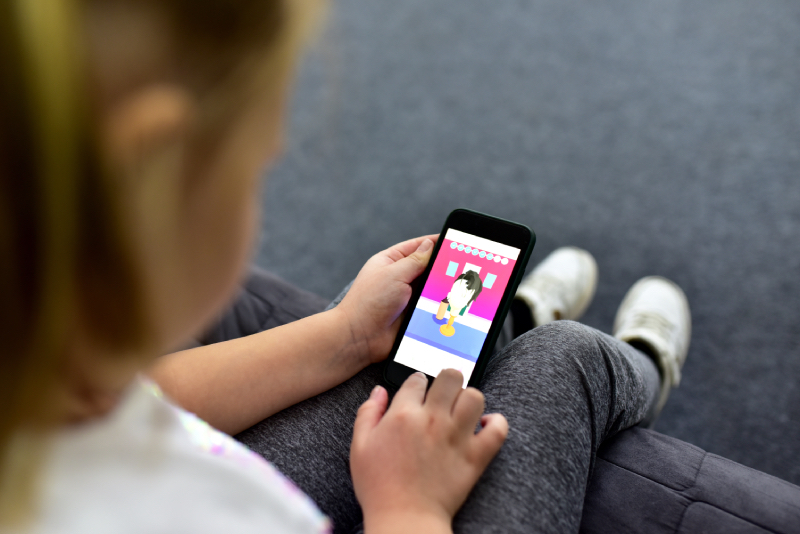
Under Senate Bill No. 2424, the Child Online Safety and Protection Act, anyone under 18 years old will be banned from having social media accounts. Parents who fail to police their children face fines of up to P20,000. Lawmakers want to shield kids from harm, which is a goal every parent shares. However we treat social media apps like contraband that punishes tired families while we let the real culprits, such as the predatory tech algorithms and a total lack of public parks, completely off the hook. Above all, it ignores an obvious reality: if we kick our kids off their digital hangouts, where are they supposed to go?
Sociologists call places outside home and school the “third space.” Your first space is your home, and your second space is your classroom or job. A third space is simply where you go to unwind, make friends, and just exist without spending money. For older generations, that meant town plazas, public libraries, sports centers, and neighborhood basketball courts. Today, our cities are choked with traffic, privatized malls, and concrete flyovers. The open, free spaces have practically vanished. Young Filipinos did not flock to social media because they hate the real world; they moved online because adults gave them limited place else to gather.
For millions of Filipino families, being online is a lifeline. Over 10 million overseas Filipino workers spend years away from home. For their children, a group chat or a video call is the only dinner table where they can sit down with mom or dad across time zones. A survey by Plan International Pilipinas revealed that 61.7% of young Filipinos log on primarily for social connection, using these apps to stay anchored to their loved ones and peers. A blanket ban cuts that cord, leaving transnational families even more isolated.
Children still love the physical world when given half a chance. During a recent community roadshow in Zambales for our animated series, Agos: Ang Batang Isla, we set out piles of old magazines, scissors, and glue with zero instructions. The kids pulled up chairs on their own, shared supplies, and started making art together. Right after the screening, they turned excitedly to their parents to share what they had just made and seen. When we offer safe, welcoming, and creative spaces in real life, kids show up eagerly.
Blaming teenagers for the toxic side of the internet is also unfair. Teenagers did not invent paid troll farms, build algorithms that reward outrage, or flood feeds with deceptive AI content. Adults built those machines to make money.

Decades ago, Good Manners and Right Conduct taught us street smarts: do not talk to strangers, treat public property with respect, and look out for your friends. Today, we need that exact mindset for the internet. As Plan International showed, young people already see the dangers of cyberbullying, scams, and predators. Instead of being treated like offenders, they want clear guidance, sensible guardrails, and digital citizenship skills so they can navigate the web safely.
A blanket ban also ignores the massive difference between a grade schooler and a high school senior. A 17-year-old is preparing for college entrance exams, doing research, building creative portfolios, and running campus papers. Freezing older teens out of digital tools sets them back and leaves them trailing behind their peers across Southeast Asia.
Worse, outright bans backfire. Kids already know how easy it is to fake birthdates to get past age gates. If we ban mainstream platforms, youth will simply migrate to unmonitored fringe apps. Once hidden behind secret accounts, they face far greater danger from scammers and predators. If something goes wrong, they will suffer in silence because asking an adult for help means admitting they broke the law.
If we genuinely want to keep young Filipinos safe, we need practical fixes that tackle the root causes:
First, hold tech giants accountable for predatory design. Lawmakers should force platforms to shut off addictive infinite scrolling during school hours and stop harvesting personal data from minors. Platforms must provide clear content ratings (like "Rated 13" or "Rated 18") and turn on safety filters by default. As young participants in Plan International's study pointed out, the law must penalize the platforms that host harm, rather than targeting the kids using them.
Second, build real third spaces. If we want teenagers to look up from their phones, our local governments must invest in free, walkable parks, public libraries, community art hubs, and sports fields where youth can hang out without being pressured to buy something at a mall.
Finally, bring digital citizenship into classrooms alongside modern GMRC. We must equip young people with the critical thinking to spot fake news, protect their privacy, and treat others with dignity online.
True protection does not mean locking our youth in a digital closet. Instead of threatening working parents with hefty fines and driving our youth into the shadows, we must clean up tech platforms, rebuild our public parks, and give our children the guidance they need to thrive both online and offline.
Disclaimer: The views expressed in this article are those of the author and do not reflect the opinions of PhilSTAR L!fe, its parent company and affiliates, or its staff.

WATCH: Is OPM still as good as it used to be? (Generations Ep. 20)
September 9, 2026