

Why retirement isn't just about stopping work
Have you started preparing for your retirement?
Retirement may be a bittersweet topic for some. On one hand, it gives you the chance to finally slow down after years of hard work. On the other, it can mean leaving behind a routine, and a job, you enjoy. In the 21st episode of PhilSTAR L!fe's Generations podcast, veteran journalist Luchi Cruz-Valdes and content creators Raco Ruiz and Abi Marquez sat down with motivational speaker Francis Kong to discuss how people across generations can financially prepare for retirement, and whether retiring means having to stop doing what you love.
Francis sees retirement as "jargon monoxide" that "pollutes" the soul. "You don't retire, you 'refire,'" he said, explaining that it means rekindling your passion.
For Raco, a millennial creative, retirement is for people who "don't love their jobs."
"If you love your job, you don't wanna retire. You want to keep doing it forever. But I think the ideal reason for retirement to most people is to enjoy the fruits of your labor," he said. "And definitely millennials want that."
Abi, meanwhile, said that for Gen Zs like her, retirement used to mean finally pursuing the hobbies they’ve always wanted to pursue and having time to relax. But now, while people in her generation still save for the future, they are choosing to pursue the hobbies they want while they still have the energy to do so—a concept she referred to as “pocket retirements.”
CONTINUE READING BELOW

Defining 'retirement'
Francis said retirement isn’t simply about sitting on a beach with a drink in hand, emphasizing that it goes beyond having enough money to stop working.
"May pera ka na nga pero it's not pera eh—it's the quality of life that you are maintaining," he said.
Luchi, who retired as the chief of TV5's News and Public Affairs in September 2024, stressed that unwinding and pursuing hobbies that you like during retirement is only possible if you have the funds for it.
"Retirement is not just sitting back and relaxing because actually while you're working, you have to work for the time in the future when nobody is going to hire you because you're just too old for the work that they expect to do," she said.
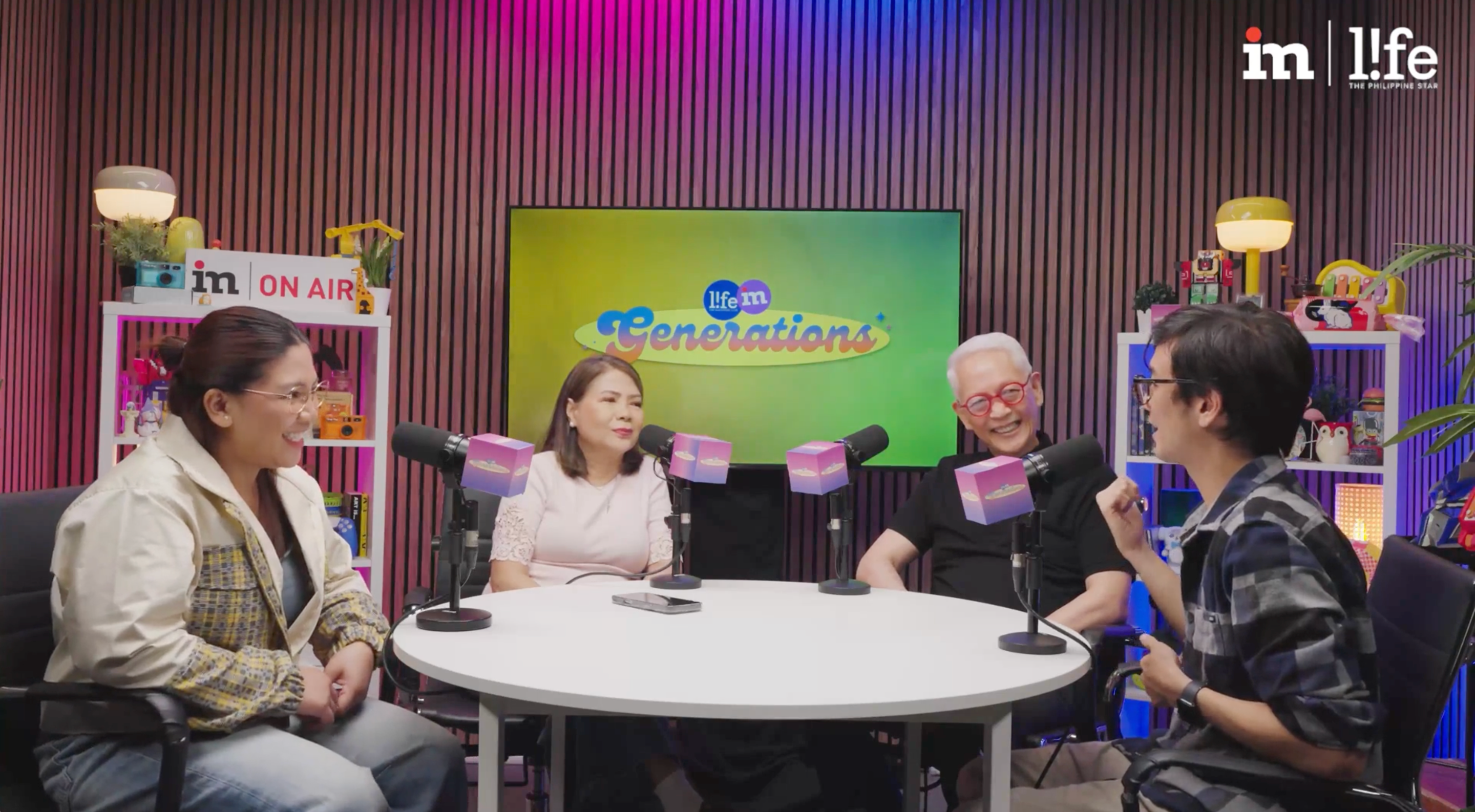
While her initial plan for retirement was to relax and travel, she instead focused on pursuing what she loves to do and staying relevant—this time as a content creator.
"I did look forward to retirement. I love my job, don't get me wrong, I love being a journalist, and I was in a good place. But it came to a point where I really felt like 'I need to slow down,'" she said.
"A break is doing something a bit different or differently, but not stopping work," she said. "You're just gonna have to keep driving."
Retiring vs needing a break
Francis highlighted the importance of knowing whether you genuinely want to retire or are just burned out.
"You need rest, kasi when we are tired and fatigued, our brains don't function at the best of [their] capacity," he said, adding that taking breaks is okay, but stopping altogether is not. "When you stop, you will deteriorate," he pointed out.
Luchi shared a similar experience. During her first days of retirement, she spent much of her time lying around at home, and it eventually left her experiencing brain fog.
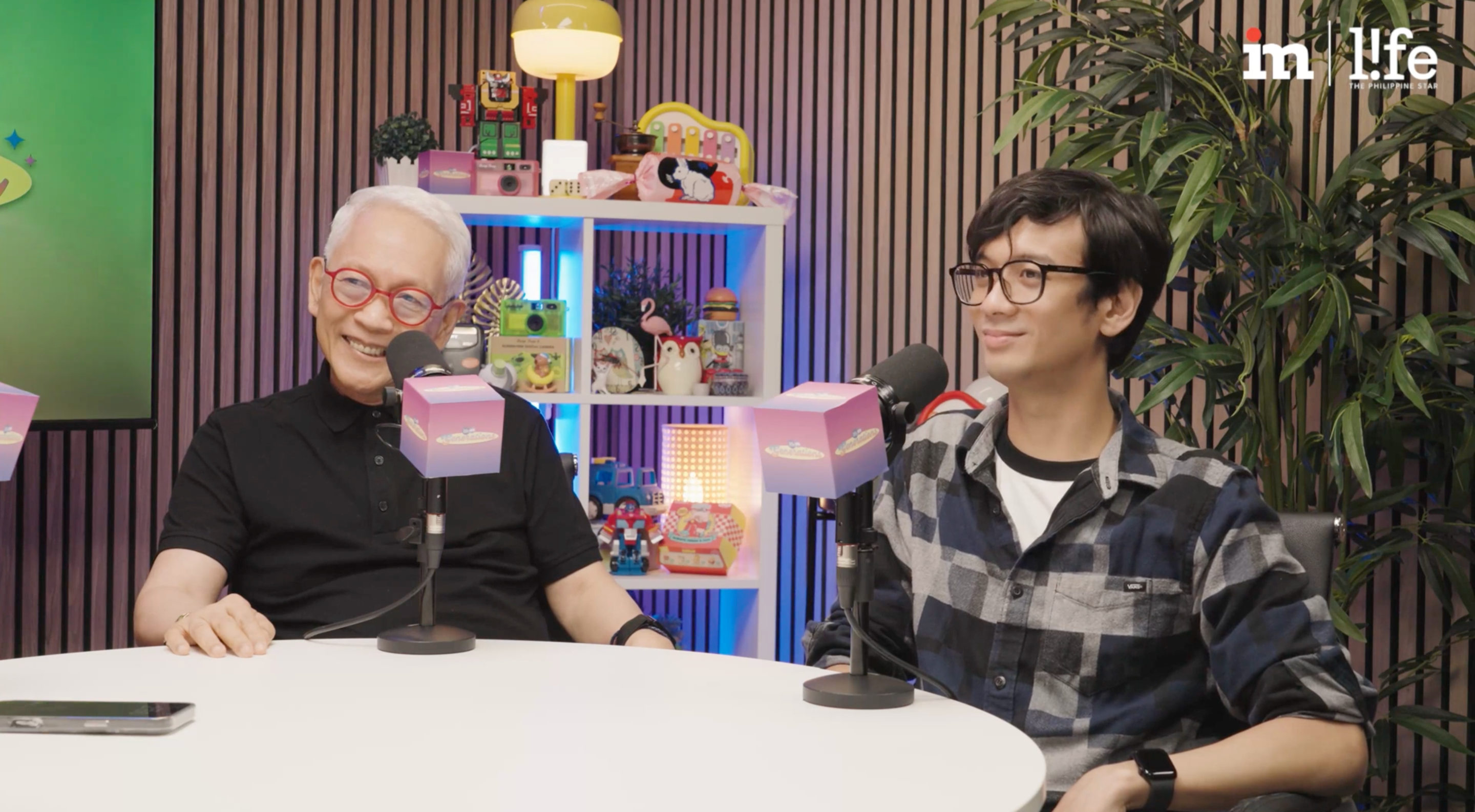
Raco and Abi echoed this, with the latter saying that she still cooks even if she's not filming for content. "When I create, people would think that I'm giving and giving and I'm gonna run out, but when I create, I feel more energized and recharged," she said.
Francis believes that the drive to keep creating is embedded in our DNA as humans. "We have been created to create. That's why you'll never be happy until you're productive," he said.
How to prepare for retirement
Francis recalled living a simple life—from his days in retail to establishing his own business. He continues to live simply today, still working past the "retirement age" of 60.
One tip he shared for being financially prepared for retirement is to stay "future-focused."
"From your basic strength and your competence, you have to have the first basic perspective of being future-focused," he said. "'Will this carry me on two, five, 10 years from now?'"
"When I say you gotta build yourself up... you build your capability, capacity, attitude, you develop yourself, and opportunities will open," he continued.
It's important to continue learning to stay "permanent," per the business mogul.
"If not, whatever you're good at right now, who knows, maybe becomes obsolete. You gotta have a continuous improvement of yourself," he said.
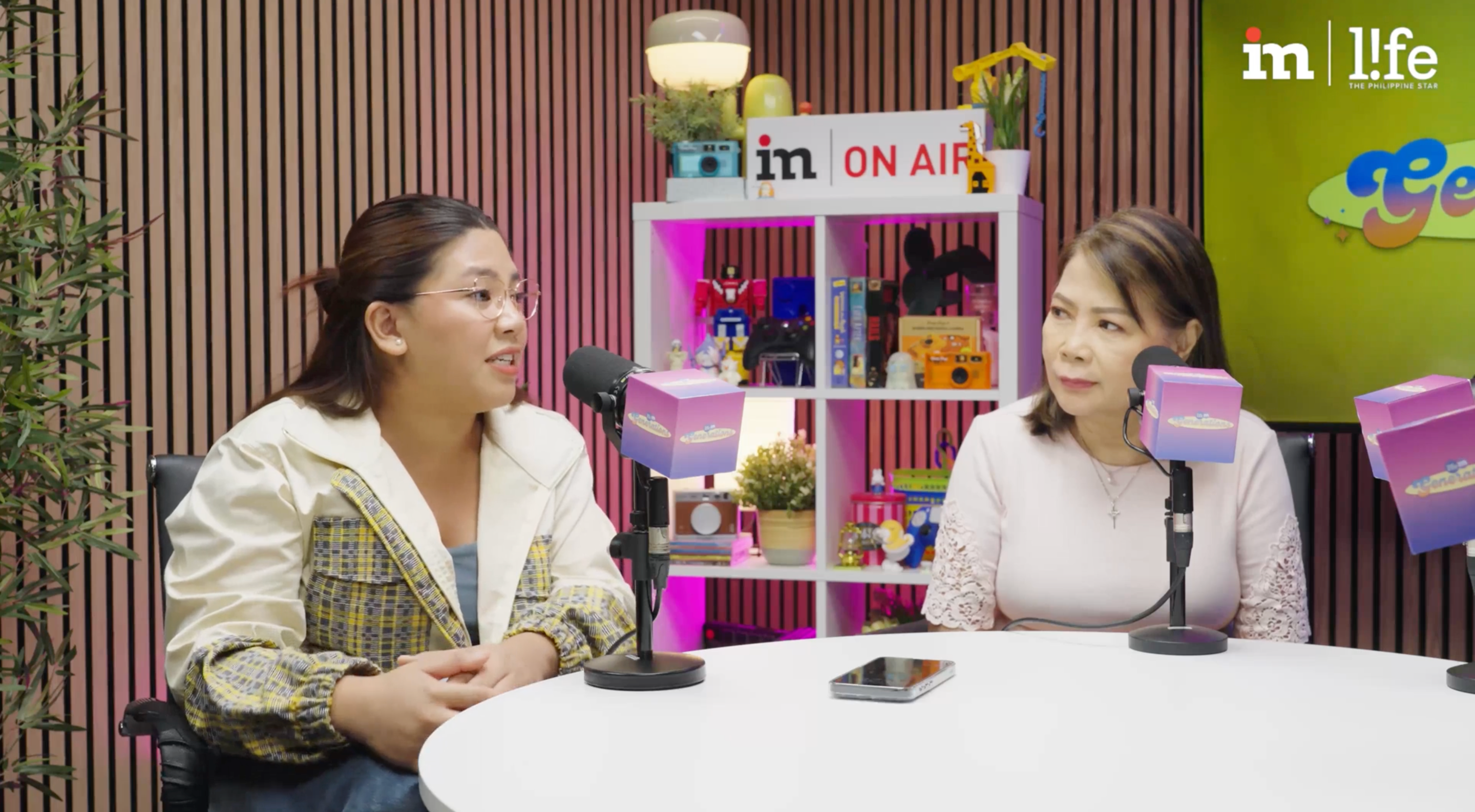
How would you know if you should keep getting better at what you’re doing or if it's time to try something new? For Francis, it's recognizing one's "seasons" in life: the survival, success, and significant seasons.
"A lot of people mess up in life because they don't understand their seasons in life," he said, explaining that some stay in the survival season too long, missing the "significant" season where they can leverage and share what they have.
The entrepreneur also noted that while FIRE, which stands for "Financial Independence, Retire Early," is often seen as a positive goal, embracing it too much could leave you feeling "burned."
"You will disrupt your own season in life," he said. "Retirement for me is the freedom to choose what you want to do, no longer having to do what you need to do."
He advised that in the process, you must practice your values and discipline, starting with saving money. "Young people need to understand this: Always balance every decision you want to make between price and value," he said.
The group agreed, with Luchi stressing the importance of always "living within your means." Francis added that managing money is mainly about developing the right habits, including future-proofing yourself, especially when it comes to your health.
"You have to teach the person how to understand what money is and how to behave properly; and one of those behaviors is this: Habang ikaw ay bata pa, 'yang insurance is extremely important," he said.
For Raco and Abi, it's all about continuously creating and learning. Raco is always thinking about how he can turn the kind of entertainment he enjoys watching or trying into something of his own, while Abi continues to learn how to better manage her finances, including exploring investments.
"Lagi niyong iisipin, hindi 'yung amount of money, kundi how you present yourself as the generator of income so you can earn more by becoming more and becoming better," Francis said.
The motivational speaker also stressed that it's okay to spend money on investing in yourself, but if you can’t afford to, saving is always an option. For young people, he said it’s up to them to decide which opportunities are worth pursuing, but they should be mindful of where they spend their time.
"It's a constant, non-stop improving of yourself," he continued. "Eyes open, looking at opportunities, and then having the discipline of not wasting what you have worked so hard to save for."
Watch the full episode below:
Follow PhilSTAR L!fe on YouTube and Spotify to catch new episodes of Generations.

WATCH: Is OPM still as good as it used to be? (Generations Ep. 20)
September 9, 2026
WATCH: Do you still believe in marriage? (Generations Ep. 17)
August 19, 2026